
How LQFP Packages Support Your Devices
LQFP packages are low-profile quad flat packages that enable slim devices by saving space, managing heat, and simplifying assembly for reliable performance.

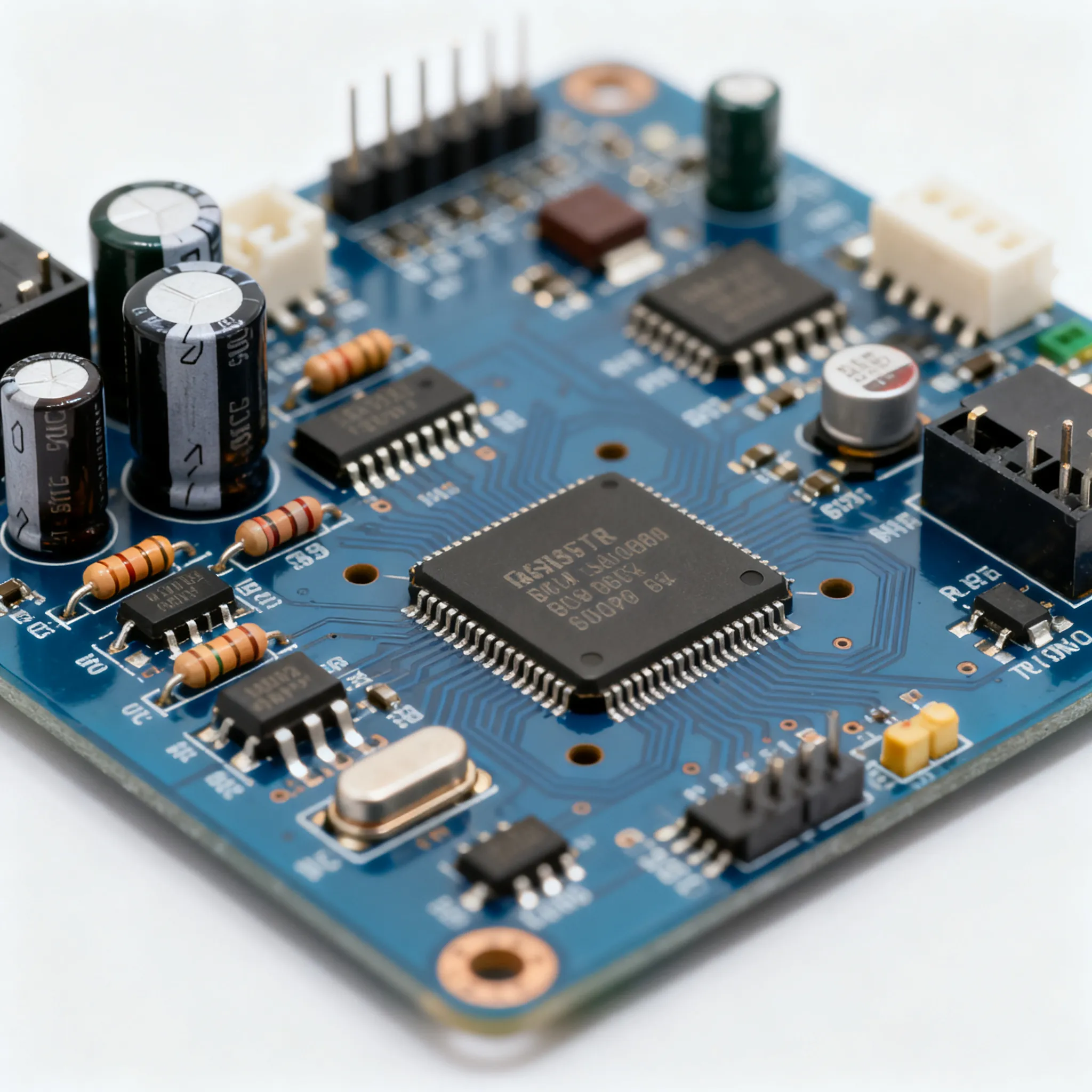
Have you ever noticed how slim and lightweight your smartwatch or wireless earbuds are? That sleek design is made possible by tiny components like the LQFP package. The LQFP package supports your devices by providing a compact, low-profile, and reliable way to connect integrated circuits. This enables thinner electronics without sacrificing performance. It saves space, manages heat, and simplifies manufacturing. Its design features guide efficient assembly. You'll find it in many everyday applications. The LQFP is a versatile solution for compact designs. The LQFP's low-profile shape allows for thinner gadgets, and its gull-wing leads make soldering simple. This LQFP choice ensures dependable operation. The exposed leads help dissipate heat effectively, ensuring stable operation. Manufacturers choose this design for its balance of size and performance. You can inspect solder joints easily thanks to the visible leads. This design ensures long-term reliability in demanding environments.
Key Takeaways
- LQFP packages enable slim devices by standing just 1.0 to 1.4 mm tall, saving vertical space.
- Their gull-wing leads simplify soldering and inspection, so you can check joints with a magnifying glass.
- These packages manage heat well, using exposed leads to dissipate heat and keep chips cool.
- You will find LQFP in many products, from smart appliances to car engine controls.
- Choosing LQFP balances size and reliability, making it a smart pick for compact designs.
What Is an LQFP Package?
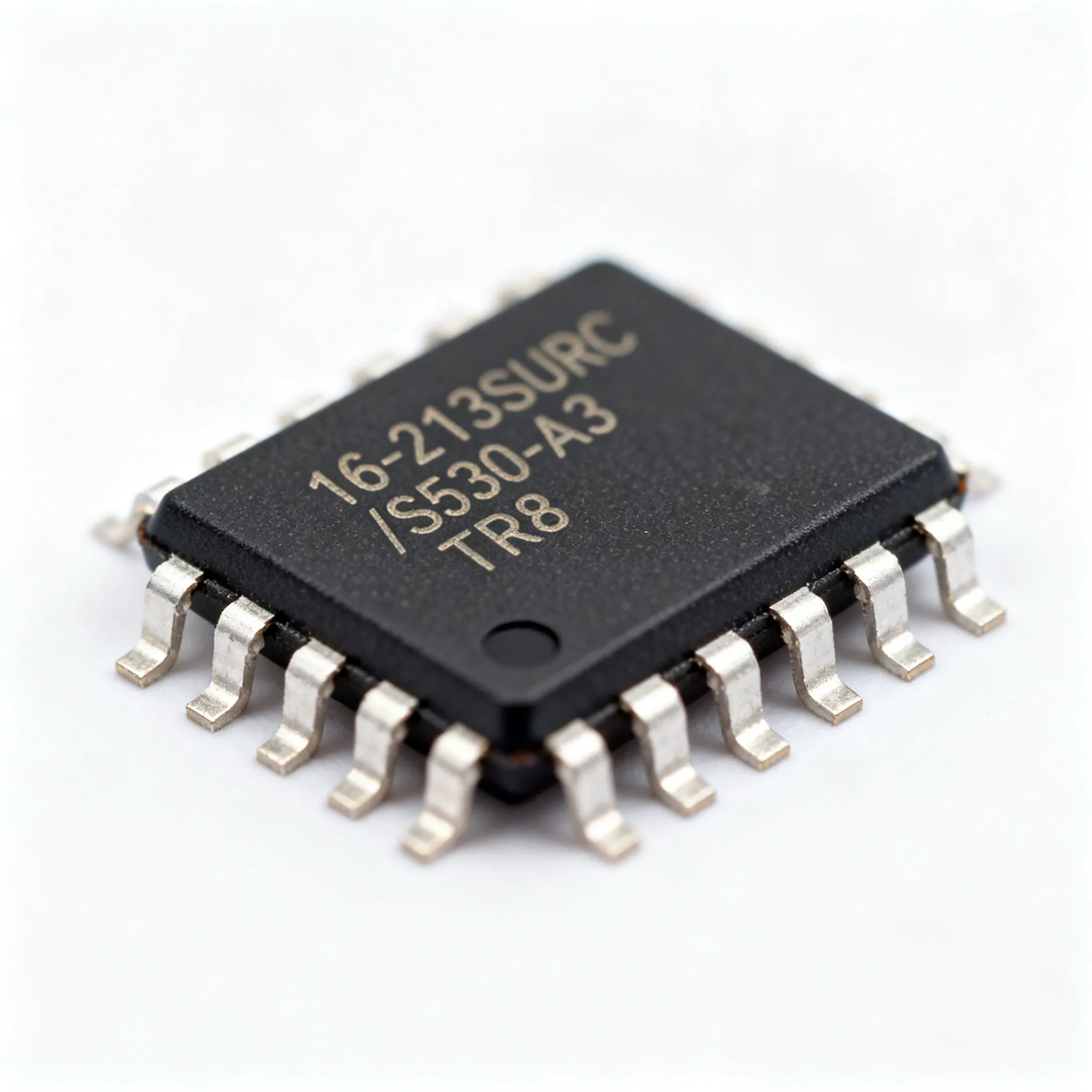
An LQFP package, or low-profile quad flat package, is a surface-mount IC package designed for modern electronics. Think of it as a thinner version of the standard quad flat package (QFP). The low-profile quad flat package takes up less vertical space inside your device. This vertical space saving is critical for creating slim gadgets like smartphones, tablets, and wireless earbuds. It sits close to the circuit board, allowing engineers to build thinner products.
The Low-Profile Quad Flat Design
Its defining feature is the height. A standard LQFP measures just 1.0 mm to 1.4 mm tall. Older QFP packages can be much taller. This low-profile design directly supports space savings in portable electronics. The body dimensions follow standardized JEDEC outlines. For example, a 48-pin LQFP typically measures 7×7 mm. A 64-pin version measures 10×10 mm. The body uses a plastic epoxy molding compound with a copper alloy leadframe inside. The lead pitch options include 0.8 mm, 0.65 mm, 0.5 mm, and 0.4 mm. Fine pitch values like 0.4 mm allow for high-density layouts on your PCB. Common pin counts range from 32 pins up to 208 pins. This variety gives designers flexibility to choose the right size for their application.
Gull-Wing Leads and Easy Handling
The LQFP uses gull-wing leads on all four sides. These leads bend outward and downward, like tiny feet gripping the board. The shape serves several practical purposes. First, soldering becomes straightforward. You can hand-solder these packages during prototyping with a standard soldering iron. No special equipment is required. Second, visual inspection is simple. The outward-bent leads stay clearly visible after soldering. You can check each joint for defects like cold joints or bridges using just a magnifying glass. This contrasts with QFN, where solder joints hide underneath the body and require X-ray inspection. Third, rework is easier. If a connection fails, you can touch up individual leads with standard tools. Leadless designs force a blind rework process that costs more time and risk. The LQFP design makes quality control faster and reduces production errors.
At Nova Technology Company (HK) Limited, a HiSilicon-designated solutions partner, we guide engineers in selecting the right low-profile quad flat package for their chip-level designs. Our expertise in surface-mount packaging helps you choose the best package for your specific application.
The LQFP Package Advantage

This low-profile quad flat package, a thinner variant of the standard QFP, delivers two major benefits for modern electronics. First, it saves valuable space inside your device. Second, it delivers reliable thermal and electrical performance. These advantages make the LQFP a popular choice across many industries.
Saving Space for Slimmer Gadgets
The low-profile design of the LQFP directly enables thinner products. With a height of just 1.0 mm to 1.4 mm, it sits extremely close to the PCB surface. This vertical space saving allows you to build devices that are slimmer than ever before. Smartphones, smartwatches, and wireless earbuds all benefit from this compact size. The LQFP makes this possible. Its slim height allows designers to stack boards closer together. This creates more room for batteries or other components in portable devices. You can place components closer together on the board without sacrificing performance.
The LQFP also supports fine-pitch lead configurations. Lead pitches range from 0.8 mm down to 0.4 mm. This fine pitch allows for high-density board layouts. You can fit more pins into a smaller body area. For example, a 64-pin LQFP measures just 10×10 mm. This footprint gives you more freedom in your PCB layout. You can design smaller circuit boards or add more features to existing boards. The fine pitch also enables more complex routing on the board. You can run traces between adjacent pins without difficulty. This increases the functional density of your design.
This package saves space horizontally as well as vertically. The body dimensions follow standardized JEDEC outlines. This allows you to plan your board design with confidence. The slim profile also reduces the overall weight of your product. For portable devices, every millimeter and gram matters. The LQFP delivers on both fronts.
The LQFP package is a surface-mount IC package that supports high-density assembly. You can use automated pick-and-place machines to mount hundreds of LQFP packages per hour. This speeds up production and reduces costs. It also supports easy soldering during assembly. This compact size also means you can use smaller boards. This saves material costs and reduces the final product size.
Reliable Performance and Heat Management
The LQFP also excels in thermal and electrical performance. The exposed gull-wing leads on all four sides act as heat sinks. They dissipate heat away from the integrated circuits inside the package. This keeps the chip temperature within safe operating limits. You can run the device continuously without worrying about overheating. The thermal performance of the LQFP is especially important for microcontrollers that process data constantly. Heat dissipation prevents performance degradation over time.
It also maintains stable electrical performance. The short connection paths between the IC and the PCB reduce signal interference. Signals travel with minimal delay and distortion. This makes the LQFP a trusted choice for microcontrollers and communication chips. These applications require stable and clean signal transmission. It offers consistent performance across a wide temperature range. This reliability is critical for automotive and industrial applications.
It offers excellent soldering reliability. The visible leads allow you to inspect each solder joint visually. The soldering process is straightforward with these leads. You can check for cold joints, bridges, or other defects with a simple magnifying glass. This reduces the need for X-ray inspection. It also performs well under thermal cycling and mechanical stress. Manufacturers rely on the LQFP for long-term durability.
It supports a wide range of applications. You find it in consumer electronics, automotive systems, and industrial control units. In cars, it controls engine management and infotainment systems. In homes, it powers smart appliances and IoT devices. The slim design and reliable performance make it suitable for these demanding environments.
The LQFP uses a plastic epoxy molding compound with a copper alloy leadframe. This construction provides mechanical strength and thermal conductivity. It withstands vibration and shock. It also resists moisture and contaminants. This makes it suitable for outdoor and industrial applications.
LQFP vs. Other Package Types
The quad flat package family includes QFP, TQFP, and LQFP. The LQFP strikes a balance between size and ease of use.
Quad Flat Package Variants: QFP, TQFP, and More
Standard QFP reaches 3.40 mm tall. It supports 64 to 304 pins.
TQFP reduces height to 1.20 mm max. It ranges from 32 to 176 pins. Body sizes range from 5×5 mm to 20×20 mm.
The LQFP, or low-profile quad flat package, offers a thickness of 1.0 mm to 1.4 mm. Both TQFP and LQFP share the same maximum of 1.4 mm. The LQFP supports 32 to 256 pins. Common spacings include 0.4 mm, 0.5 mm, 0.65 mm, and 0.8 mm. This gives you flexibility in your pcb layout.

The table below summarizes the key differences:
| Variant | Height Max | Pin Range | Typical Pitch |
|---|---|---|---|
| LQFP | 1.60 mm | 32–256 | 0.50 mm |
| TQFP | 1.20 mm | 32–176 | 0.40–0.80 mm |
| PQFP | 3.40 mm | 64–304 | 0.65 mm |
The LQFP package offers a middle ground. It is thinner than QFP. It offers more pin options than TQFP. This makes it a versatile choice for many applications.
LQFP vs. QFN and BGA: What's the Difference?
Beyond the quad flat package family, you also encounter QFN and BGA designs.
QFN has no visible leads. Solder joints hide underneath. This makes soldering and inspection harder. You need X-ray inspection. Rework is challenging. QFN offers excellent thermal and electrical performance. The QFN design is compact and low-profile. QFN optimizes for performance and size, while LQFP prioritizes ease of assembly.
BGA uses solder balls on the bottom. It supports high pin counts, often over 150 pins. BGA offers lower thermal resistance (15–25°C/W) compared to LQFP (30–50°C/W). For microcontrollers under 10W, LQFP provides adequate thermal performance at a lower cost. BGA assembly costs are higher. Soldering requires precise reflow ovens and X-ray inspection.
You can solder these parts directly onto your pcb. The soldering process becomes simpler with visible leads. Gull-wing leads allow easy inspection. You can check each joint with a magnifying glass. Quality soldering depends on proper lead alignment. This soldering approach works well for prototyping and production applications. Your pcb assembly becomes straightforward. For designs where board space is less critical, this package offers a practical and economical solution.
Where You'll Find LQFP in Everyday Devices

The LQFP package appears in more products than you might realize. Its compact size and dependable performance make it a preferred choice across multiple industries. You interact with these components daily, often without knowing they exist.
Powering Consumer Electronics and Automotive Systems
Look inside your home appliances first. The microcontroller that controls your washing machine's cycles likely uses an LQFP. Your smart thermostat relies on one to process temperature readings. Even your television's remote control contains a small LQFP that encodes button presses. These devices demand reliable operation over years of use. The LQFP delivers that durability.
Your car depends on LQFP packages too. Engine control units use them to manage fuel injection and ignition timing. The anti-lock braking system in your vehicle processes wheel speed data through these components. Infotainment systems in modern cars handle navigation and audio through LQFP-based processors. Automotive environments expose electronics to extreme temperatures and constant vibration. The LQFP's robust construction withstands these harsh conditions. Its exposed leads also help dissipate the heat generated by continuous operation.
Digital signal processors in audio equipment frequently use this package type. Your home theater receiver, studio monitor, or guitar effects pedal contains one. These processors handle real-time audio processing with minimal delay. The LQFP's short connection paths preserve signal integrity during this work.
The Role of LQFP in Industrial and Communication Tech
Industrial settings demand components that run continuously. Factory automation systems use LQFP packages in programmable logic controllers. These controllers manage conveyor belts, robotic arms, and packaging machinery. A failure in these systems stops production lines and costs money. The LQFP's long-term reliability prevents such disruptions. Industrial sensors also rely on this package to measure temperature, pressure, and flow rates accurately.
Communication technology depends heavily on LQFP designs. Your Wi-Fi router contains multiple LQFP packages. They handle data packet processing and signal modulation. Network switches in office buildings use them to direct traffic between connected devices. Modems convert digital signals for transmission through cable or fiber lines using these components. These devices run 24 hours a day, seven days a week. The LQFP's thermal management keeps internal temperatures stable during continuous use.
Nova Technology Company (HK) Limited, a HiSilicon-designated solutions partner, specializes in chip-level solutions that integrate LQFP-based microcontrollers into system designs. Their engineers help clients select appropriate packages for specific applications, ensuring optimal pcb layout and soldering processes. This expertise proves valuable when designing products for consumer, automotive, industrial, or communication markets.
The LQFP's versatility explains its widespread adoption. Whether you use a smartphone, drive a car, or connect to the internet, you benefit from this package's dependable performance. Its balance of size, thermal efficiency, and manufacturing ease makes it a practical choice for countless applications.
The LQFP package stands as a cornerstone of modern electronics. Its compact, low-profile design enables the slim devices you use daily. This quad flat package balances size with dependable performance. You benefit from efficient heat dissipation and straightforward manufacturing. These qualities make the LQFP a trusted choice across countless applications.
The low-profile quad flat package directly supports design goals for thinner products. You get reliable operation without compromising space. Engineers choose this package for its practical advantages. The LQFP guides innovation in consumer, automotive, and industrial sectors.
Next time you hold a sleek gadget, remember its slim profile. The humble LQFP works behind the scenes. It delivers the performance you expect every day.
FAQ
How does an LQFP package differ from a standard QFP?
The main difference is height. A standard QFP can reach 3.40 mm tall. An lqfp package measures just 1.0 mm to 1.4 mm. This thinner profile enables slimmer device designs. Both share similar gull-wing lead structures.
What tools do I need for LQFP soldering?
You can solder an LQFP with basic equipment. A standard soldering iron works for hand assembly. The visible gull-wing leads allow easy inspection with a magnifying glass. For production, automated machines handle the process efficiently. No X-ray inspection is necessary for this soldering method.
Which applications commonly use this quad flat package?
You'll find this quad flat package in microcontrollers for home appliances, digital signal processors in audio gear, and engine control units in vehicles. Communication equipment like routers and modems also rely on it. Industrial sensors use this package for its reliability. These applications demand consistent performance across many pcb designs.
How does LQFP compare to QFN for PCB design?
An LQFP offers visible leads that simplify inspection and rework. QFN packages hide their connections underneath, requiring X-ray checks. For PCB layout, LQFP needs slightly more board space. However, the easier soldering process and quality control often outweigh this trade-off. Your PCB design benefits from simpler verification steps. This package choice affects your overall pcb assembly workflow.
Can you rework an LQFP after assembly?
Yes. The exposed gull-wing leads make rework straightforward. You can touch up individual connections with standard tools. This contrasts with leadless packages where rework risks damaging nearby components. The visible joints let you verify each repair visually. This soldering advantage saves time during prototyping. Many repair stations prefer this package for various applications.