

October 2026 Semiconductor Allocation Notes for OEM Buyers: Allocation-Sensitive Lines and RFQ Priorities
Allocation notes for OEM buyers this month: what to verify on memory, MCU, and power lines. Confirm current terms via RFQ — no invented lead times.
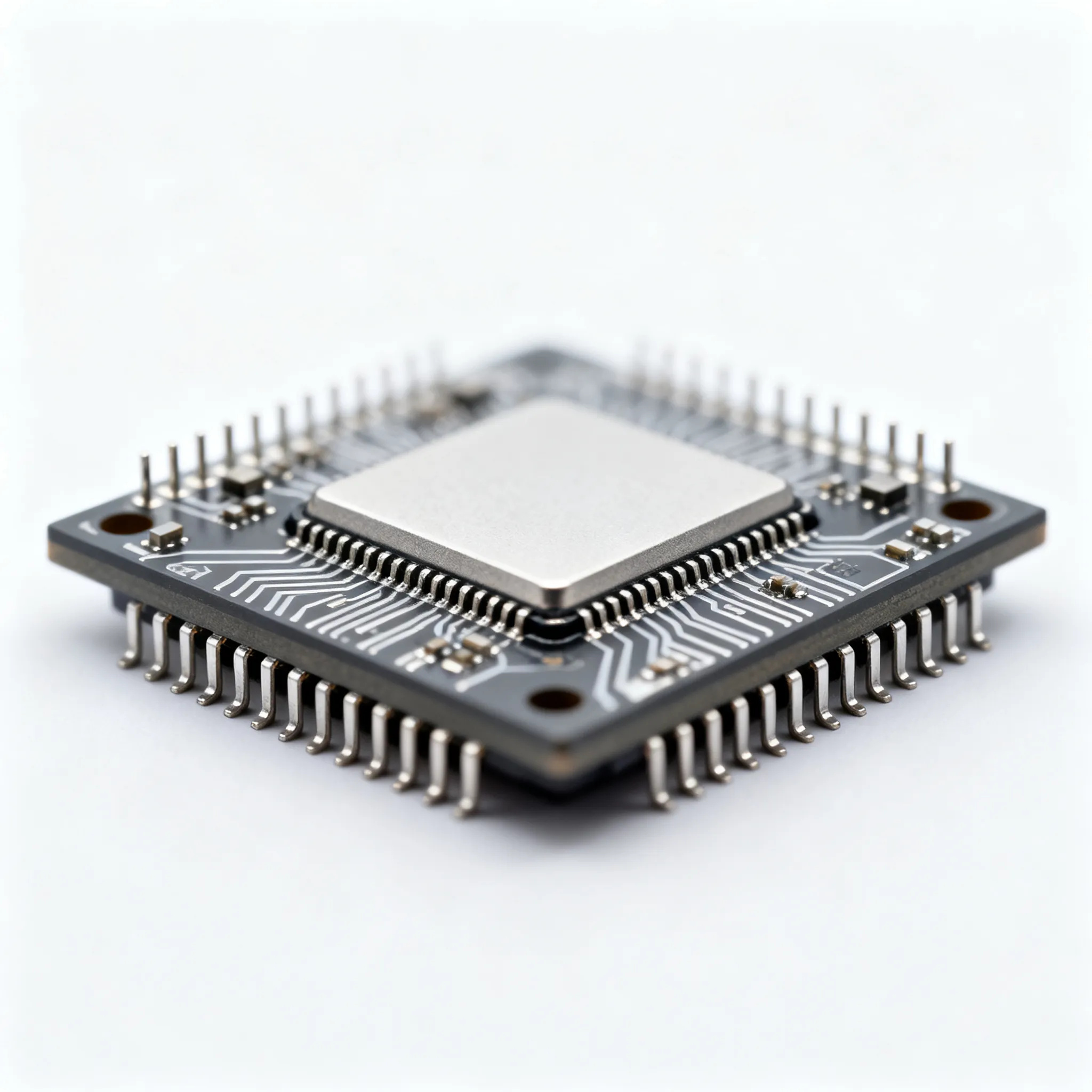
October 2026 Semiconductor Allocation Notes for OEM Buyers: Allocation-Sensitive Lines and RFQ Priorities
Why October 2026 Will Test Allocation Thresholds for Industrial OEMs
Industrial OEMs entering the fourth quarter of 2026 face a semiconductor landscape reshaped by structural shifts, not short-term blips. The convergence of automotive electrification, regionalized fab expansion timelines, and tightening export controls on advanced nodes is placing mature‑process and analog supply under sustained strain. As EE Times analysts have noted, the post‑pandemic inventory correction masked a deeper disconnect between demand and installed capacity for 28 nm and above. By October, seasonal demand spikes for automotive qualification runs, combined with year‑end industrial capital expenditure, will push allocation thresholds for several component clusters to levels that require proactive, rather than reactive, sourcing.
What separates this cycle from earlier corrections is the persistent appetite for wide‑bandgap power devices, high‑integration PMICs, and 32‑bit automotive microcontrollers. Fabs that ramped to serve consumer and IoT volumes are now being retooled or fully absorbed by Tier‑1 automotive programs, leaving small‑ and mid‑volume industrial buyers competing for a shrinking pool of allocation. The risk is not a broad‑based shortage — it’s a selective squeeze on analog, power, and logic lines where supplier de‑commitment windows have shortened and spot‑buy premiums have become the norm. For procurement teams, the imperative is to identify which lines are most allocation‑sensitive and to embed that intelligence into RFQ strategies months before the constraint triggers production stops.
The table below distills the primary drivers reshaping allocation risk in October 2026, connecting each mechanism to a specific procurement impact OEM buyers should anticipate.
| Driver | Mechanism | Procurement Impact |
|---|---|---|
| Automotive electrification pulling analog capacity | Tier‑1 and EV OEMs lock multi‑year wafer supply agreements for PMICs, gate drivers, and SiC discretes on 200 mm and 300 mm lines. | Industrial and medical buyers face volume caps; confirm current allocation availability via RFQ well ahead of production ramp. |
| 300 mm mature-node demand exceeding supply | Analog‑intensive chips (BCD, LDMOS) migrate to 300 mm, but ramp speed lags behind combined automotive, server, and IoT demand. | Lead-time escalation risk for power management ICs and mixed‑signal controllers; treat supply as allocation-sensitive and verify with distributor. |
| Export controls reshaping logic sourcing | Wider restrictions on advanced FPGA and processor shipments to certain markets drive counter‑migration toward more widely available, but heavily utilized, process nodes. | Diversified sourcing needed for FPGAs and SoCs; verify single‑source risk in manufacturer and distributor documentation before design freeze. |
| SiC and GaN substrate bottlenecks | Boule yield and epitaxy capacity for silicon carbide remain concentrated; gallium‑nitride‑on‑silicon E‑mode devices compete for fab space with RF components. | Long‑term agreement (LTA) negotiation is essential; confirm allocation-backed lead time with the supplier before committing to a production schedule. |
| Seasonal Q4 capital equipment push | OEMs exhaust annual capex budgets, spiking assembly‑and‑test capacity demand and distributor inventory depletion. | RFQ lead time must account for a compressed supplier response window; expect non‑cancelable, non‑returnable (NCNR) terms to become standard. |
| Mature‑node fab retirements and conversions | Legacy 150 mm and 200 mm fabs are being decommissioned or converted to compound semiconductor production, shrinking the installed base for commodity logic and discretes. | BOM lines dependent on bipolar, small‑signal MOSFETs, and older logic families should be re‑evaluated for migration paths; verify lifecycle via RFQ. |
These drivers are not theoretical. Already in the second half of 2025, authorized distributors began signaling tighter allocation windows for automotive‑qualified PMICs and selected 32‑bit MCUs. The October 2026 inflection point intensifies those signals, forcing OEMs to decide whether to lock in allocation now or gamble on spot availability — a gamble that, for high‑mix industrial products, rarely pays off.
Key Takeaway: Allocation in October 2026 will not be uniform across all semiconductor lines. Buyers who map their BOMs against the six drivers above, and who initiate RFQs with allocation‑sensitive language early, will be positioned to secure supply while competitors scramble for spot market fill.
Reading Lead‑Time Shifts: Real‑Time Indicators of Allocation Strains
Lead‑time movement is often the only visible early‑warning signal before a manufacturer formally labels a part “Allocated Product.” Because suppliers rarely disclose allocation decisions publicly, buyers must learn to interpret a constellation of indirect indicators: how distributor inventory buckets are trending, whether spot prices are diverging from contract pricing, and what foundry utilization reports suggest about near‑term capacity headroom. Correctly reading these signals allows OEMs to pre‑qualify second sources and adjust RFQ timelines without waiting for a shortage notice that may arrive too late to protect production schedules.
Among the most actionable indicators are:
- Distributor stock depletion rates: When major franchised distributors show declining available‑to‑sell inventory on a part number for three consecutive weeks, with no incoming scheduled shipment, the line is already moving toward de‑facto allocation.
- Contract‑to‑spot price divergence: A widening gap between customer‑specific pricing and broker‑listed spot pricing, especially for analog ICs and power discretes, often precedes an official allocation notice.
- Foundry utilization reports: Independent data from semiconductor capital equipment companies and industry associations (reported by sources like EE Times) showing mature‑node utilization above 92‑95% historically correlates with extended lead times and allocation for analog and MCU lines.
- Shortened order‑modification windows: When suppliers reduce the period during which reschedule or cancellation requests are accepted from, say, 60 days to 30 days, it signals they are scheduling wafers closer to the edge of available capacity.
The table below maps common component families to the typical lead‑time escalation pattern and the risk level an OEM should attach to each when preparing an October 2026 RFQ. These patterns are based on observed behavior in allocation cycles, not on current manufacturer promises; therefore, the correct action is always to confirm allocation‑backed lead time with the supplier before accepting a delivery date.
| Component Family | Typical Lead‑Time Escalation Signal | OEM Risk Level (Oct 2026) | RFQ Priority Action |
|---|---|---|---|
| Wide‑bandgap discretes (SiC MOSFETs, GaN HEMTs) | Fabs saturated by EV traction inverter and fast‑charger demand; substrate yield delays cause supplier de‑commitments. | High | Initiate LTA discussions; evaluate pin‑to‑pin candidates across multiple suppliers; confirm allocation-backed lead time with the supplier. |
| Automotive‑grade 32‑bit MCUs | Automotive backlog-driven multi‑year purchase agreements lock wafer starts; industrial‑grade derivatives see spillover allocation. | High | Pre‑qualify industrial‑temperature variants where functional and life‑cycle requirements allow; treat supply as allocation-sensitive and verify with distributor. |
| Analog PMICs (multiphase, SBCs, PMBus) | Mixed‑signal BCD process capacity diverted to large automotive system‑basis‑chip programs. | High‑Medium | Avoid single‑sourcing for power rails; evaluate reference designs from at least two silicon vendors; verify single‑source risk in manufacturer/distributor documentation. |
| FPGAs (mid‑range, 28 nm) | Export controls reshuffle demand; mature‑node allocation tightens as capacity is shared with networking ASICs. | Medium | Require written allocation guarantees for program‑critical SKUs; confirm current availability via RFQ before design‑in. |
| General‑purpose op‑amps and comparators | Multisourced lines with broad foundry choice; allocation risk lower but price escalation possible as capacity swings to higher‑margin analog. | Lower | Benchmark contract pricing quarterly; maintain dual‑source BOM options; confirm current terms via RFQ. |
| Mature‑node logic (74HC, CD4000‑class) | Legacy fab retirements gradually constrict capacity; few new fabs are built for these nodes. | Medium (long‑term) | Verify lifecycle via RFQ; consider migrating to LV/LV‑A families if BOM continuity beyond 2028 is required. |
The real‑time art for a senior buyer is correlating these family‑level patterns with what they see inside their own ERP system. If lead‑time for a PMIC that was stable at 16 weeks in Q2 slips past 22 weeks by August 2026, that single data point is noise. But if the same shift appears across three different suppliers and is accompanied by tightened cancellation terms, the line should be treated as allocation‑sensitive. Request an allocation letter from the manufacturer, copy the authorized distributor, and initiate a parallel RFQ for an alternative pin‑to‑pin candidate. Early detection, not spot‑buy heroics, preserves continuity of supply in an allocation environment.
Where Allocation Bites Hardest: Automotive, Analog, and MCU Lines Under Pressure
Allocation in October 2026 is not a blanket shortage; it is a vector force that concentrates on specific end‑use segments and component categories where demand is sticky, capacity is finite, and substitution is either costly or technically constrained. Understanding which segments and component types sit in the crosshairs allows OEM buyers to re‑rank sourcing priorities and assign engineering resources to pre‑qualification efforts where the return on effort is highest.
Three end‑use segments dominate the allocation landscape:
- Automotive electrification programs — Battery‑management systems, on‑board chargers, DC‑DC converters, and zone controllers are consuming the majority of available SiC MOSFETs, galvanically‑isolated gate drivers, and automotive‑grade MCUs. Even second‑tier EV programs are now placing multi‑year, non‑cancelable wafer orders that crowd out non‑automotive demand at the foundry level.
- Industrial automation and energy infrastructure — Field‑oriented motor drives, industrial Ethernet switches, and smart‑grid inverters compete for the same Cortex‑M4/M7 MCU families and isolated analog front‑end ICs that automotive ADAS and body‑control modules pull. The rise of software‑defined industrial control further blurs the line between automotive and industrial component requirements, intensifying allocation spillover.
- Consumer IoT and edge AI — While consumer volumes give some buyers leverage, the sheer number of IoT designs targeting 28 nm and 40 nm nodes creates a capacity‑consumption floor. When consumer demand overlaps with industrial and automotive in the same process node — as it does for embedded NOR flash, power‑management companion chips, and Wi‑Fi/BLE SoCs — the allocation pressure percolates down to all but the largest OEMs.
The table below segments these areas by the likely effect on an industrial OEM’s BOM and the corresponding procurement note that should accompany an October RFQ.
| End‑Use Segment / Component Cluster | Allocation Effect on Industrial OEM | Procurement Note |
|---|---|---|
| SiC power modules and discretes | Volume caps enforced; spot‑buy premiums drive total cost variance beyond 15‑20% over contract if not allocated. | Treat supply as allocation-sensitive; confirm current availability and allocation-backed lead time via RFQ. LTAs are the only credible path to guaranteed wafer supply. |
| Automotive‑grade MCUs (Cortex‑M, RISC‑V variants) | Industrial OEMs using the same MCU family face long lead‑time tails, even for industrial‑temperature parts, as automotive orders take priority in fab scheduling. | Evaluate industrial‑temperature derivatives or pin‑to‑pin alternatives from independent suppliers; verify pinout and firmware compatibility before switching. |
| Analog system‑basis chips (SBCs) and PMICs | OEMs that designed around a single‑vendor PMIC with a unique power sequencing profile encounter steep switching costs when allocation hits. | Require written allocation status confirmation from the supplier; pre‑qualify a backup PMIC path that can be activated without a full board re‑spin. |
| 28 nm and above logic, mixed‑signal ASICs | Mature‑node allocation affects industrial ASICs that share fab space with high‑volume consumer SoCs and networking ASSPs. | Verify single‑source risk in manufacturer/distributor documentation; review tape‑out schedules with the foundry to confirm capacity reservation windows. |
For industrial OEMs, the most important strategic shift is recognizing that “automotive‑grade” no longer defines a separate supply pool. Many 32‑bit MCUs and PMICs carry both AEC‑Q100 and industrial qualification, and the manufacturer will allocate output to the customers with the most stringent contractual terms. If your RFQ does not include an allocation clause and an enforceable delivery schedule, you are effectively placing an unranked bet on surplus capacity — a bet likely to fail in October 2026. Engage engineering now to map every allocation‑exposed BOM line to a functionally viable second source, and use that mapping as leverage in negotiation.
RFQ Playbook: Prioritizing Risk‑Buffered Designs and Multi‑Source Qualification
The most durable defense against allocation is not a better spot‑buy broker; it is a Bill of Materials designed from the start to absorb pin‑to‑pin alternates without triggering a prototype re‑spin. Engineering and procurement teams that align before the October 2026 allocation window can lock in supply resilience significantly earlier than those that treat second‑sourcing as a post‑shortage fire drill. This section outlines the procurement and engineering steps that consistently deliver supply continuity when allocation hits, drawing on IPC Standards for footprint and land‑pattern discipline as a key enabler.
Central to the playbook is the adoption of IPC‑7351B‑compliant footprints. When a primary component and its alternate candidates share a standard land pattern that accounts for package tolerance across multiple manufacturers, the barrier to swapping parts drops from a full board revision to a firmware‑validation exercise. That is the difference between weathering allocation with a few weeks of extra testing and missing a quarter of shipments. Buyers should require that datasheets for any alternate component explicitly reference IPC‑7351B guidelines or provide compatible land‑pattern dimensions verified by the PCB layout team.
Beyond footprint discipline, the following actions form a proven allocation‑mitigation framework. Each carries a trade‑off, but together they reduce the probability that a single supplier decision halts production.
| Action | When to Use | Trade‑off |
|---|---|---|
| Lock allocation agreements with authorized distributors for the top 20% of allocation‑sensitive SKUs. | During the initial RFQ phase, ideally 12–16 weeks before production ramp, for lines identified as high‑risk from lead‑time indicators. | NCNR terms typically apply; inventory carrying cost increases. Confirm allocation‑backed lead time with the supplier before signing. |
| Pre‑qualify pin‑to‑pin second sources using IPC‑7351B‑compliant footprints. | At design‑in for new products or during a scheduled BOM review for existing products. | Engineering re‑qualification effort and cost; potential firmware tweaks if peripheral mapping differs. Evaluate as a candidate; verify package, pinout, and firmware compatibility. |
| Design power‑management rails with discrete‑based backup paths where integrated PMIC allocation is a single‑point failure. | For mid‑volume designs that can accommodate slightly larger PCB area in exchange for supply resilience. | Increased component count, assembly cost, and verification time. Re‑run thermal and EMI validation for the backup path. |
| Negotiate LTAs with price‑escalation caps for SiC and GaN devices projected to remain tight through 2027. | When lifetime volumes justify a commitment and the device is central to product performance. | Long‑term financial exposure; requires accurate demand forecasting. Confirm allocation‑backed lead time and volume commitment in writing. |
| Submit RFQs with allocation‑specific language: request written confirmation of allocation status, lead‑time validity window, and escalation path if supply is de‑committed. | Every RFQ for an allocation‑sensitive line. | May narrow the pool of responding suppliers; some unauthorized distributors will not be able to provide allocation guarantees. |
The playbook’s effectiveness rests on a single principle: allocation exposes single‑source engineering decisions. Every time procurement sits down with engineering to review a BOM before October 2026, the conversation should start with, “If this part goes on allocation tomorrow, what verified second source can we buy?” If the answer is “none,” the corrective action is not to search for a miracle drop‑in; it is to initiate a design review that builds in an alternate supply lane, even at the cost of some PCB real estate or a firmware abstraction layer. The cost of that flexibility is almost always lower than the cost of a line‑down notice in Q4.
Tip: Use the RFQ process itself as a supply‑intelligence tool. A well‑structured RFQ sent to multiple authorized distributors for the same allocation‑sensitive part will return not just price and lead‑time quotes but also the language each distributor uses around allocation risk. Compare the responses: if two distributors offer allocation‑backed delivery and one does not, you have actionable information about which supply chains are truly connected to factory allocation. Incorporate that intel into your sourcing decisions and share the anonymized findings with engineering to strengthen the case for second‑source qualification.
October 2026 Allocation FAQ: What Senior Buyers and Engineers Need to Ask
Allocation cycles breed confusion because suppliers communicate constraints selectively and market intermediaries amplify noise. The following questions, drawn from real procurement debriefs with industrial OEMs, cut through that noise with practical, actionable guidance that respects the uncertainty built into any forward‑looking supply‑chain conversation. Every answer is built on the same core principle: verify with the supplier, do not assume.
Q: Which semiconductor lines are most likely to be on allocation by October 2026?
Wide‑bandgap power discretes (SiC/GaN), automotive‑grade MCUs, high‑performance analog PMICs, and mature‑node logic (28 nm and above) are the prime candidates. Expect extended lead‑times, volume caps, and official “Allocated Product” notifications from manufacturers. The underlying reasons include automotive EV programs locking multi‑year wafer supply, 300 mm analog ramp speed lagging demand, and legacy fab retirements tightening mature‑node output. For any design that uses these categories as a primary source, treat supply as allocation‑sensitive and confirm current availability via RFQ.
Q: How can I tell the difference between genuine allocation constraints and supplier price manipulation?
Cross‑reference lead‑times and available inventory from at least three authorized distributors. If the constraint is genuine, you will see broad‑based depletion of stock across multiple independent channels, not a single supplier quoting an outlier number. Additionally, monitor foundry utilization data from independent sources, such as trade press reports in EE Times, and watch for formal supplier allocation notices — true allocation is almost always accompanied by official documentation that describes volume caps and allocation percent‑age, not opaque price hikes alone. Distrust any supplier that cannot provide a written allocation letter when asked.
Q: What immediate steps should an OEM take to shield a new design from October 2026 shortages?
Design the BOM with verified alternate‑source components that match the primary part’s footprint, preferably per IPC‑7351B, as referenced by IPC standards. Pre‑qualify at least two vendors for each allocation‑sensitive line, and avoid single‑source, sole‑situation devices unless absolutely necessary. Build flexibility into power‑management and MCU selection from the start — consider modular power architectures where a discrete‑based backup can replace a fully integrated PMIC, and select MCU families that offer multi‑source pin‑to‑pin options or compatible development ecosystems. Engineering should validate the alternate path with at least a functional bench test before the design is frozen for production.
Q: How should I adjust my RFQ process when a line goes on allocation?
Submit RFQs well ahead of the required delivery schedule — the longer the horizon, the more likely a supplier can incorporate your demand into their wafer‑start plan. Quantify the allocation threat with the lead‑time data you have gathered from multiple sources, and explicitly request allocation guarantees or NCNR terms in writing, including the validity period of the quote. Include escalation timelines: define what happens if the supplier cannot meet the committed delivery date, and agree on a path to re‑allocate or source from alternate assembly sites. For lines projected to remain tight through 2027, prioritize long‑term agreement negotiations that give you a claim on capacity without exposing you to unlimited price escalation.
Q: Will capacity expansions ease allocation before Q4 2026, or should I plan for no relief?
New mature‑node fabs, like TSMC’s Kumamoto expansion and Intel’s Ohio site, are ramping, but the volume of qualified, allocation‑relevant output that could loosen analog and MCU supply is not expected until mid‑2027 at the earliest. Even then, new capacity will be absorbed first by the automotive and hyperscale customers that co‑invested in the facilities. Plan RFQ and inventory strategies assuming that October 2026 will still see tight conditions for several high‑demand component clusters. The prudent approach is to build supply resilience into the BOM now, rather than waiting for macro‑level capacity that may not translate into available spot market parts for industrial volumes.
The consistent theme across these answers is that allocation is a supplier‑side condition that must be met with buyer‑side verification. Every assertion — whether it concerns lead‑time, availability, or second‑source viability — should be backed by documented confirmation from the distribution channel. In an allocation cycle, the most expensive assumption is that the supply base will behave as it did during a non‑constrained period.
References & Further Reading
- EE Times — Electronics Engineering News: Coverage of semiconductor manufacturing capacity, market trends, and allocation cycles.
- IPC Standards: IPC‑7351B land‑pattern standard for surface‑mount design and footprint compliance.
- Semiconductor Industry Association (SIA): Policy and market data on global chip supply and demand.
- IC-Online: RFQ platform for allocation‑sensitive component sourcing – request quotes, upload BOMs, and manage multi‑line procurement.
- Texas Instruments: Reference designs and parametric data for alternative PMIC and analog signal‑chain components.
- STMicroelectronics: 32‑bit automotive and industrial MCU families, including second‑source evaluation information.
- Wolfspeed: SiC MOSFET and module allocation updates and capacity expansion news.
- Reuters Technology News: Reports on foundry expansion timelines and semiconductor trade policy developments.
The semiconductor allocation landscape entering October 2026 demands more than a spot‑market safety net; it requires a sustained engineering‑procurement partnership that places supply resilience at the center of design and sourcing decisions. OEM buyers who use the RFQ process not just to obtain a price but to extract allocation intelligence, verify second‑source pathways, and lock in contract terms that reflect allocation risk will protect their production schedules while competitors confront lead‑time surprises. The work begins now: map your allocation‑sensitive BOM lines, engage your engineering team on footprint‑compliant alternatives, and send an RFQ that asks the hard questions about allocation guarantees. You can start that process today by uploading your BOM or requesting a quote at IC-Online, where mixed‑BOM RFQs and flexible MOQ terms help you build the resilient supply chain that allocation cycles punish those who postpone.