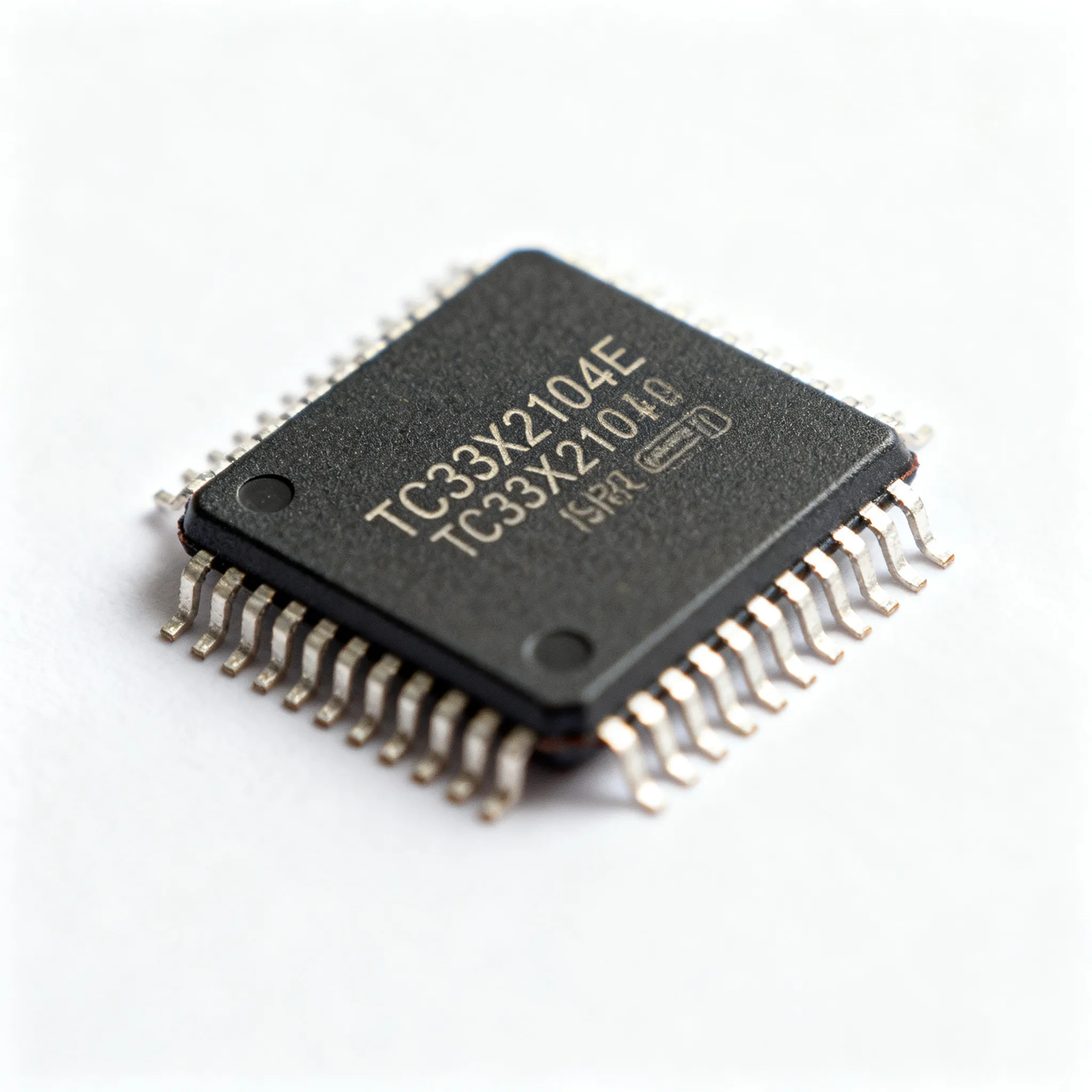
--publish
Analysis of --publish. Market drivers, procurement impact, and practical guidance for engineers and buyers.
Why Clear Specifications Are Crucial in Today's Electronics Market
In the fast-paced world of electronics, accurate and detailed specifications are essential to avoid costly recalls and supply chain disruptions. Recent events highlight the critical role of precise specifications in product development and safety. For instance, Stellantis recalled over 65,000 Ram trucks due to a software error in the instrument cluster (MoparInsiders). Similarly, GM faced issues with its pedestrian alert system, leading to a recall of 81,000 Chevrolet Equinox EVs (PickupTruckTalk). These cases underscore the importance of clear and accurate specifications in avoiding such pitfalls.
Understanding the Anatomy of Technical Datasheets
A well-crafted technical datasheet is a cornerstone for engineers and procurement buyers, providing essential information for decision-making. Key components of a technical datasheet include descriptive text, images, and detailed tables that cover specifications, performance data, and compliance details (ClickHelp). These elements help ensure that all stakeholders have a clear understanding of the product's capabilities and limitations.
| Component | Description | Importance |
|---|---|---|
| Descriptive Text | Provides an overview of the product and its applications | Essential for context |
| Images | Visual representation of the product | Aids in visual understanding |
| Specification Tables | Detailed technical parameters | Critical for engineering decisions |
| Compliance Information | Standards and certifications | Ensures regulatory adherence |
These components work together to provide a comprehensive view of the product, enabling engineers to make informed decisions and reduce the risk of errors in application.
Best Practices for Creating Technical Data Sheets
Creating effective technical datasheets involves following industry standards and utilizing templates to ensure consistency and clarity. Tools like Manufacturing Resource Planning (MRP) software can help manage data inputs efficiently, ensuring that all necessary information is included and up-to-date (Software Connect). Clear formatting is also crucial, as it can prevent misunderstandings that lead to product failures.
| Best Practice | Implementation | Benefit |
|---|---|---|
| Use of Templates | Adopt industry-standard templates | Ensures consistency |
| MRP Software | Utilize for data management | Enhances accuracy |
| Clear Formatting | Organize information logically | Reduces error risk |
| Regular Updates | Keep data current | Maintains relevance |
By adhering to these best practices, companies can create datasheets that not only meet industry standards but also facilitate effective communication across teams and with clients.
Real-World Applications: How to Use Specifications Effectively
Understanding how to apply specifications in real-world scenarios can enhance product development and minimize errors. For instance, ensuring that your datasheet includes comprehensive details can prevent issues like those seen in the recent Nissan recall due to software defects (Fox Business). By using detailed specifications, engineers can make informed decisions that align with product requirements and customer expectations.
| Application Scenario | Specification Role | Outcome |
|---|---|---|
| Automotive Software Development | Ensures compliance and functionality | Prevents recalls |
| Consumer Electronics | Defines product performance | Improves user satisfaction |
| Industrial Machinery | Specifies operational limits | Enhances safety and reliability |
| Medical Devices | Detail precision and accuracy | Ensures patient safety |
These applications highlight the diverse roles that specifications play in various industries, underscoring their importance in achieving successful outcomes.
Common Questions About Publishing Specifications and Datasheets
- Q: What are the key components of an effective technical datasheet?
- A: Effective technical datasheets should include product specifications, quality performance metrics, compliance information, and clear visual aids such as diagrams or tables.
- Q: How can I ensure my specifications meet industry standards?
- A: Utilize industry templates and guidelines provided by organizations like ISO, and regularly update your specifications to align with the latest standards.
- Q: What common pitfalls should I avoid when creating datasheets?
- A: Avoid vague language, ensure accuracy in data, and refrain from cluttered layouts that can confuse the reader.
- Q: How do I determine the best format for my technical datasheet?
- A: The best format depends on your audience and the complexity of the information. Use standardized templates to maintain consistency while ensuring clarity and ease of understanding.
- Q: What tools can I use to create professional datasheets?
- A: Consider using dedicated MRP software or desktop publishing tools that facilitate the creation and management of technical documentation.
References & Further Reading
- Ram Recalls 65,348 Trucks Over Instrument Cluster Failure - MoparInsiders
- 2025-2026 Chevrolet Equinox EV Recall: 81K Potential Pedestrian Alert System Defect
- Nissan recalls over 51K SUVs after software defect causes dashboard screens to fail
- How to Craft Effective Technical Datasheets - ClickHelp
- Best MRP Software (2026): Top 11 Systems Reviewed & Compared
- IC-Online
In conclusion, the publication of engineering specifications and product datasheets is a critical process that requires precision and adherence to industry standards. By understanding the components and best practices for creating these documents, companies can enhance product reliability and customer satisfaction. For more insights and resources, visit IC-Online for mixed BOM and flexible MOQ solutions.