The Importance of Run Capacitors in Stabilizing Signal and Power Flow
A run capacitor stabilizes signal and power flow by creating a phase shift in electric motors, ensuring smooth operation and efficiency. Learn its role and importance.

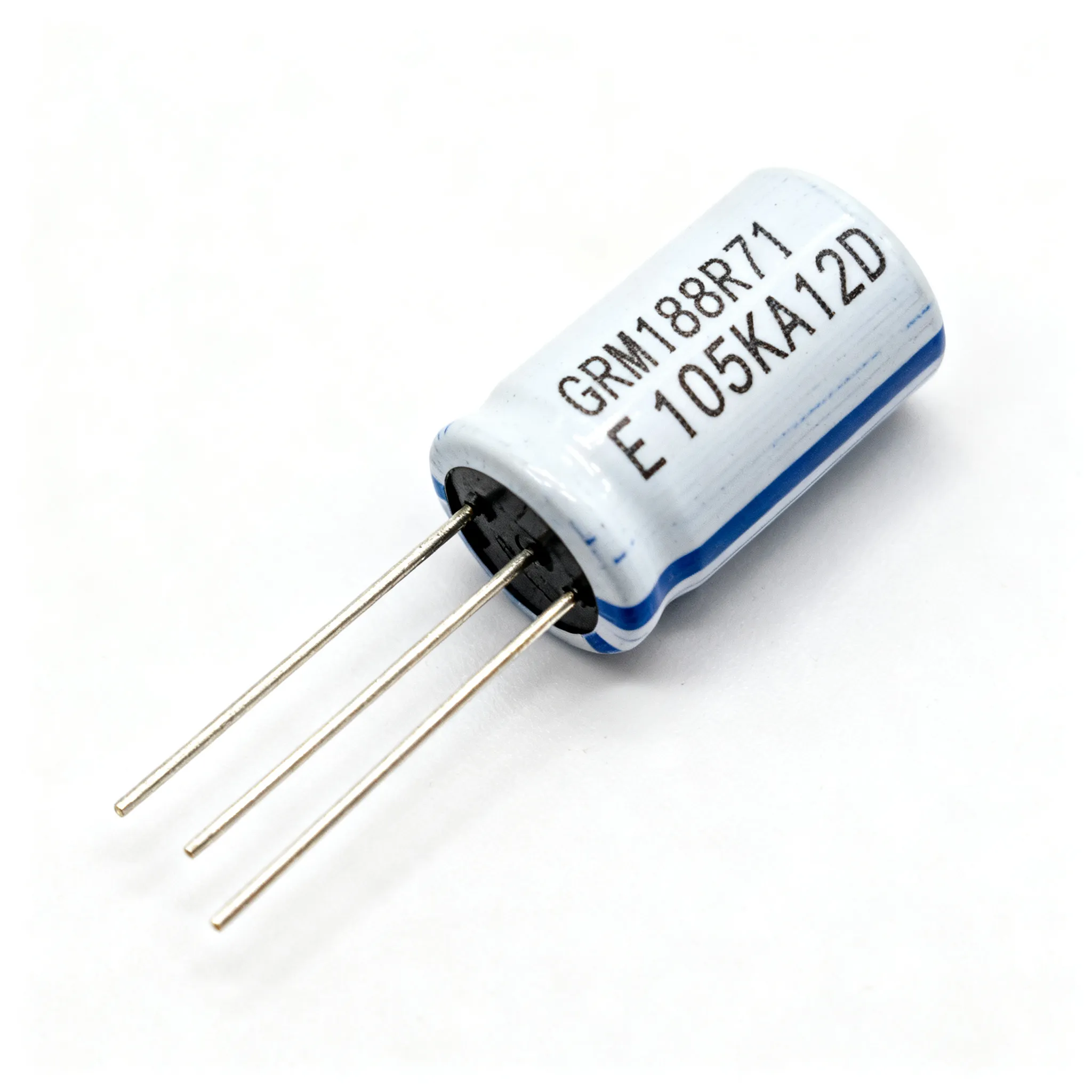
Have you ever wondered what keeps your HVAC motor running smoothly without flickering or stalling? A run capacitor is the unsung hero inside many electric motor circuits. Think of this capacitor as a steady reservoir that smooths out energy surges, ensuring consistent power delivery. This small component continuously stores and releases energy to create a phase shift, stabilizing both signal and power flow. Understanding what does a run capacitor do helps you diagnose motor issues and improve system reliability. When your motor struggles or draws excessive current, this component often needs attention. You will explore its role in your equipment and discover practical ways to test and select the right one.
Key Takeaways
- Run capacitors create a phase shift between motor windings, producing a rotating magnetic field that turns the motor smoothly.
- They stabilize power flow by smoothing voltage fluctuations, which reduces energy waste and prevents overheating.
- Choose a run capacitor with the correct voltage and capacitance ratings to avoid motor damage and ensure efficiency.
- Test your run capacitor regularly with a multimeter to catch early signs of failure, such as humming or slow motor operation.
- Properly functioning run capacitors extend motor life, lower energy bills, and improve system reliability.
What Does a Run Capacitor Do?

A run capacitor performs a specific job inside your electric motor. It stays active the entire time the motor runs. This continuous operation sets it apart from other capacitor types. Understanding what does a run capacitor do starts with recognizing its role in the motor's electrical circuit. The component works silently behind the scenes, yet its function determines whether your equipment operates smoothly or struggles under load.
Core Function and Phase Shift
Your electric motor contains two windings: the start winding and the run winding. These windings need electrical power delivered at different moments. A run capacitor creates a phase shift between them. This shift means the current reaches each winding at a slightly different time. The timing difference produces a rotating magnetic field. That field generates torque to turn the motor shaft.
The phase shift also improves your motor's power factor. Power factor measures how effectively your electric motor converts electrical energy into mechanical work. A better power factor means less wasted energy. Your motor runs cooler and draws less current. Efficiency improves across the entire operating range. You notice the difference in lower energy bills and reduced heat buildup.
Think of the capacitor as a dielectric storage device. It holds electrical charge between its plates. When voltage fluctuates, the capacitor releases stored energy to fill the gaps. When voltage spikes, the capacitor absorbs the excess. This buffering action keeps the power flow steady. Your electric motor receives consistent energy instead of erratic surges. The result is smoother operation and less wear on internal components.
Run Capacitor vs. Start Capacitor
Many people confuse run capacitors with start capacitors. The difference matters for your motor's health. A start capacitor provides a powerful boost during startup. It engages briefly, then drops out of the circuit. A run capacitor, by contrast, remains connected during normal operation. This distinction affects how long each component lasts.
The duty ratings tell the story. Start capacitors handle intermittent use only. They carry a maximum rating of 20 starts per hour. That translates to one start every three minutes. They also endure only 1000 cumulative starts over their lifetime. Continuous cycling at 20-second intervals dramatically exceeds these limits. The capacitor fails rapidly under such stress.
Run capacitors handle continuous duty without issue. They dissipate heat effectively during normal operation. Their failure rate remains much lower than start capacitors. A quality run capacitor far outlasts a start capacitor in service life. The table below summarizes the key differences:
| Aspect | Start Capacitor | Run Capacitor |
|---|---|---|
| Duty design | Intermittent only | Continuous |
| Failure behavior | Fails if left energized too long | Much lower failure rate |
| Lifespan relative to motor | Shorter | Far outlasts start capacitor |
Consider the thermal stress involved. Repeated charge and discharge cycles generate heat. Voltage transients add more stress. Dielectric heating compounds the problem. A start capacitor lacks the thermal mass to survive this punishment. A run capacitor, designed for the job, manages the heat load easily.
When you select a capacitor for your electric motor, match the type to the application. Use a start capacitor only for startup assistance. Use a run capacitor for ongoing operation. Choosing the wrong type leads to premature failure and potential motor damage. Now you know what does a run capacitor do and why it matters. You also understand what does a run capacitor do differently from its start-only counterpart. This knowledge helps you diagnose problems and make better replacement decisions.
Stabilizing Signal and Power Flow

How a Run Capacitor Creates Phase Shift
You need to understand the timing mechanism inside your electric motor. The run capacitor stores electrical charge between two conductive plates separated by a dielectric material. This storage creates a delay in the current flow through the start winding. The delay produces the phase shift you need for proper motor operation.
Consider the alternating current cycle. Voltage rises and falls in a sinusoidal pattern. The run capacitor charges as voltage increases. It discharges as voltage decreases. This charge-discharge cycle introduces a time offset. The start winding receives current later than the run winding. That offset creates the rotating magnetic field. The field pulls the rotor around smoothly.
The phase angle matters for performance. A typical run capacitor shifts the current by approximately 90 degrees. This shift optimizes the torque output. Your motor starts reliably and maintains speed under load. Without this shift, the motor would vibrate excessively. It would draw more current and generate more heat. The efficiency would drop noticeably.
You can observe the effect in real-world operation. A motor with a properly functioning run capacitor runs quietly. The shaft turns with consistent torque. A motor with a weak capacitor struggles. It may hum without starting. It may run slower than rated speed. These symptoms point directly to phase shift problems.
Voltage and Current Smoothing
The run capacitor also smooths the power delivery to your motor. It resists sudden changes in voltage. This resistance filters out electrical noise from the supply line. Your motor receives cleaner power. The result is steadier operation and fewer interruptions.
Think about what happens during voltage fluctuations. A nearby appliance starts and draws heavy current. The line voltage dips momentarily. Your run capacitor releases stored energy to fill that gap. The motor maintains its speed. When the appliance shuts off, voltage spikes. The capacitor absorbs the excess charge. The motor does not experience the surge.
This smoothing action extends beyond simple voltage regulation. The capacitor also reduces harmonic distortion. Harmonics are unwanted frequency components in the power signal. They cause heating in motor windings. They reduce efficiency and shorten component life. The run capacitor acts as a low-pass filter. It blocks high-frequency noise while allowing the fundamental frequency through.
The practical benefit appears in your energy consumption. A motor with proper voltage smoothing draws less current. It operates closer to its rated power factor. You pay for less wasted energy. The motor also runs cooler. Winding insulation lasts longer. Bearing stress decreases because the torque remains consistent.
You should also consider the signal stability aspect. In sensitive electronic circuits, voltage ripple causes problems. The run capacitor maintains a stable voltage reference. This stability protects control boards and sensors. Your system communicates reliably without glitches. The capacitor serves both power and signal integrity functions simultaneously.
The dielectric material determines how well the capacitor smooths voltage. Polypropylene film capacitors excel at this task. They handle high ripple currents without overheating. They maintain their capacitance value across temperature changes. These characteristics make them ideal for continuous duty in motor circuits.
A failing run capacitor compromises all these benefits. The capacitance value drops. The phase shift becomes less accurate. Voltage smoothing degrades. Your motor experiences the consequences. It runs hotter, draws more current, and operates less efficiently. Regular testing helps you catch these problems early.
Selecting and Testing Run Capacitors
Key Specifications: Voltage and Capacitance
You must match two critical ratings when you select a replacement run capacitor. The voltage rating tells you the maximum voltage the component can handle safely. Choose a capacitor with a voltage rating equal to or higher than your circuit's operating voltage. A lower rating causes dielectric breakdown and rapid failure.
The capacitance value, measured in microfarads (MFD or µF), determines the phase shift your electric motor receives. Selecting the wrong value damages the motor. Too low a capacitance reduces torque and causes overheating. Too high a value increases current draw and stresses the windings. Always match the original specification printed on the failed component.
Residential air conditioner compressors use specific capacitance values based on system size. The table below shows common dual-run capacitor sizes for standard AC units:
| AC Unit Size (Tons) | Common Dual-Run Capacitor Size (MFD/µF) |
|---|---|
| 1.5 Ton | 30/5 MFD |
| 2.0 Ton | 35/5 MFD |
| 2.5 Ton | 40/5 MFD |
| 3.0 Ton | 40/7.5 MFD or 45/5 MFD |
| 3.5 Ton | 45/5 MFD or 50/5 MFD |
| 4.0 Ton | 50/7.5 MFD or 55/5 MFD |
| 5.0 Ton | 60/5 MFD or 70/5 MFD |
The first number in each pair represents the compressor motor's capacitance. The second number serves the fan motor. Verify your system's requirements before purchasing.
Testing a Run Capacitor
You can test a run capacitor with a digital multimeter that measures capacitance. First, disconnect power and discharge the component safely. Use a resistor across the terminals to remove stored charge. Then remove the capacitor from the circuit for accurate measurement.
Inspect the component visually before testing. A bulging top, cracked casing, or leaking fluid indicates failure. Replace the capacitor immediately if you see these signs. A swollen case means internal pressure has built up from dielectric breakdown.
Set your multimeter to the capacitance setting. Connect the probes to the capacitor terminals. Compare the reading to the rated value printed on the side. A healthy capacitor reads within tolerance, typically within 5-6 percent of the rated value. A reading significantly below the rating means the component has degraded. Testing a run capacitor regularly helps you catch problems before they damage your electric motor.
The multimeter test gives you a definitive answer. A capacitor that reads zero or shows no change has failed completely. One that reads below tolerance may still operate but will strain your motor. Replace it to restore proper phase shift and voltage smoothing.
Applications in Modern Electronics
Your HVAC system depends on run capacitors for every motor-driven component. The compressor, condenser fan, and blower motor all require a run capacitor. These components need phase shift and voltage smoothing. A failing capacitor affects each part. You experience reduced cooling or unusual humming sounds. Understanding these applications helps you diagnose problems.
HVAC Motors and Compressors
Compressor motors demand stable power delivery. They start under heavy load and run continuously for hours. This component provides the phase shift these motors require. It maintains torque across the entire operating range. Major compressor brands specify similar capacitance values for their residential units. Copeland, GE, Mars, Friedrich, and LuxPro commonly use a 45/5 MFD rating at 440 volts. The first number serves the compressor winding. The second number powers the fan motor. Matching this specification prevents damage to both components. A wrong value causes overheating or reduces efficiency. You can verify the rating on the label before purchasing a replacement.
Fan motors and blowers also depend on this component. These devices move air across the condenser coil. A weak capacitor causes the fan to run slowly or not start. The motor draws excessive current. It may trip breakers or overheat. Regular testing helps you catch these problems early.
Benefits for Efficiency and Reliability
A properly sized capacitor improves your electric motor's efficiency. The phase shift optimizes the power factor. Less energy converts to waste heat. The motor runs cooler as a result. Winding insulation lasts longer under these conditions. You pay less for wasted electricity over time.
Noise reduction is another advantage. The part smooths voltage fluctuations. It eliminates torque ripple that causes vibration. Your HVAC system operates quieter. Mechanical stress on bearings and shafts decreases. Component life extends significantly.
It also protects your electric motor from voltage transients. It absorbs sudden spikes from the power line. It fills voltage dips when other equipment starts. These buffering actions prevent winding damage. System reliability improves. You experience fewer breakdowns during peak usage periods.
Testing the unit ensures continued performance. A capacitance reading within tolerance confirms proper operation. You avoid emergency repairs and extend equipment life.
You now understand what does a run capacitor do: it creates a phase shift for continuous motor operation. This small component stabilizes signal and power flow by smoothing voltage and current. Selecting and testing the right capacitor protects your equipment from premature damage.
Understanding these concepts helps you diagnose circuit issues. You can improve system reliability with proper maintenance. A weak capacitor stresses your electric motor significantly. It causes overheating and higher energy bills. Regular testing catches these problems before failure occurs.
Check the run capacitor in your HVAC system this season. A simple multimeter test reveals its health in seconds. Share your experience with capacitor replacement in the comments section. Your insights help other readers maintain their equipment properly.
FAQ
What are the first signs of a failing run capacitor?
You might hear a humming sound from your motor. The motor may struggle to start or run slower than normal. Your energy bills could rise unexpectedly. These symptoms point to a weak capacitor that needs testing.
Can I replace a run capacitor with a higher voltage rating?
Yes, you can choose a higher voltage rating safely. The voltage rating represents the maximum the part can handle. Match the capacitance value exactly. A higher voltage rating offers extra safety margin without harming your motor.
How long does a run capacitor last?
Most run capacitors serve reliably for five to ten years. Heat and voltage spikes shorten that lifespan. High ambient temperatures accelerate dielectric breakdown. Regular testing helps you catch degradation before your motor suffers damage.
Will a motor run without a run capacitor?
A motor may start without one, but it will draw excessive current. The windings overheat quickly. Efficiency drops dramatically. Continuous operation without this component leads to premature motor failure. Always replace a failed capacitor promptly.
What does a dual-run capacitor do?
A dual-run capacitor combines two capacitance values in one housing. One value serves the compressor motor. The second value powers the fan motor. This design simplifies installation and reduces component count in your HVAC system.