How to Identify Common Outlet Problems
Testing outlet issues helps you spot no power, loose connections, or wiring errors. Learn safe steps to identify and fix common outlet problems.
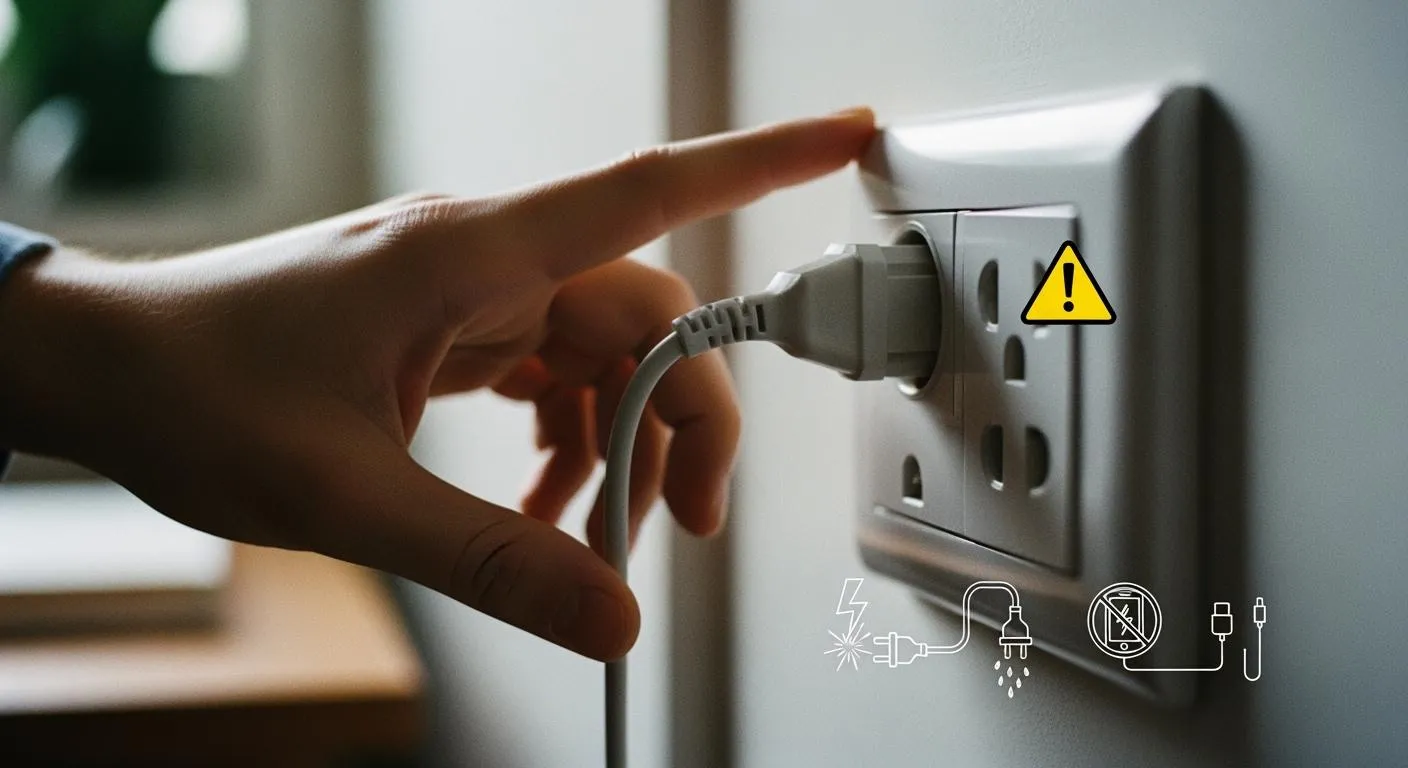
You can spot common outlet problems by checking for signs like no power, loose connections, reversed polarity, poor grounding, or visible damage. Testing outlet keeps your home safe and your devices reliable. Use proper tools and follow safety measures before you start.
- Look for scorch marks or cracks.
- Listen for buzzing sounds.
- Touch gently to check for warmth.
Always wear protective gear and turn off power before you inspect.
Key Takeaways
- Check for signs of outlet problems like scorch marks, buzzing sounds, or warmth. These indicate potential hazards.
- Always turn off the power at the circuit breaker before inspecting or testing outlets. This prevents electrical shock.
- Use proper tools like a multimeter or outlet tester to safely check voltage and wiring issues. This ensures accurate results.
- Install GFCI outlets in wet areas to reduce the risk of electrocution by over 80%. Regularly test them to maintain safety.
- If you notice sparks, smoke, or warm outlets, call a licensed electrician immediately. These signs indicate serious issues.
Common Outlet Problems

No Power
You may notice an outlet that does not supply electricity. This issue happens often in homes. Causes include circuit breaker trips, electrical grid damage, or severe weather. The table below shows typical interruptions and their causes:
| Type of Interruption | Duration Range | Causes |
|---|---|---|
| Instantaneous | 0.5 to 30 cycles | Lightning strikes, equipment failure |
| Momentary | 30 cycles to 2 seconds | Construction, heavy startup loads |
| Temporary | 2 seconds to 2 minutes | Circuit breaker tripping, electrical noise |
| Sustained | > 2 minutes | Severe weather, major switching operations |
You should check the circuit breaker first. If the outlet still has no power, look for signs of grid damage or local disturbances.
Loose Connections
Loose connections in an outlet create many risks. You might smell burning plastic or notice unexplained electrical odors. Outlet covers may feel warm, look scorched, or show cracks. Listen for buzzing, sizzling, or popping sounds. Repeated breaker trips and flickering lights signal trouble. Sparks can appear during normal plug use. Sometimes, you feel tingling or mild shocks from appliances. Outlets may not hold plugs securely. Heavy use of extension cords and adapters often points to loose connections. Three-prong outlets without functional grounding also indicate problems.
Tip: If you see sparks or feel warmth, stop using the outlet and call an electrician.
Reversed Polarity
Reversed polarity means the live and neutral wires connect incorrectly. This mistake keeps appliances electrically live even when switched off. You face a serious shock risk. Faulty connections can cause arc faults, which may ignite fires. Reversed polarity is a leading cause of residential fires. Always check wiring before using an outlet.
Poor Grounding
Poor grounding in an outlet increases the risk of electric shock. Three-prong outlets without proper grounding cannot protect you from surges. You may notice tingling sensations or mild shocks from appliances. Grounding problems often appear in older homes. Upgrading the outlet and wiring improves safety.
Physical Damage
Physical damage includes loose wiring, cracked outlets, and sparks when plugging in devices. Damaged outlets and switches pose significant risks. Look for burns, exposed wires, or signs of arc flash. Electric shocks and secondary injuries can happen after sudden movements. Hearing damage may result from arc blasts.
- Loose wiring in outlets
- Cracked outlets that cause failures
- Sparks when plugging in devices
- Burns from arc flash or direct contact
- Electric shock from exposed wires
If you see any physical damage, replace the outlet immediately.
Safety Measures
Turn Off Power
You must always turn off power at the circuit breaker before testing any outlet. This step protects you from electrical shock and prevents fires. Treat a tripped breaker as a warning sign. If you need to flip a switch at the breaker box, step away and look away to protect your eyes and body. Many accidents happen when people ignore basic safety measures. You reduce risk by cutting off power before you inspect or repair an outlet.
"Always treat a tripped breaker as a warning sign. When a fault is detected, they interrupt the flow of electricity which prevents fires, equipment damage and even injury. That’s why it's important not to overlook basic safety practices that can further reduce risk."
Use Proper Tools
You need the right tools to test outlets safely. A digital multimeter measures AC voltage, resistance, and continuity. Choose one rated CAT II or CAT III for residential use. Insulated screwdrivers help you remove socket faceplates without risk. Socket testers give quick checks for wiring issues. Basic electrical testers show if voltage is present. Clamp meters measure current without direct contact. Insulation testers check insulation resistance. Using proper tools is a key safety measure.
- Digital Multimeter: Measures voltage, resistance, and continuity.
- Insulated Screwdriver: Removes socket faceplates safely.
- Socket Tester: Checks wiring issues like reversed polarity.
- Basic Electrical Tester: Detects voltage presence.
- Clamp Meter: Measures current safely.
- Insulation Tester: Checks insulation resistance.
GFCI Outlet Safety
GFCI outlets protect you in wet areas. They interrupt the circuit during a ground fault, lowering the risk of electrocution by over 80%. GFCI outlets prevent thousands of electrical shocks and hundreds of drownings each year. Homes with GFCI protection experience fewer electrical injuries and fatalities. You should install GFCI outlets in kitchens, bathrooms, and outdoor spaces. Test GFCI outlets monthly using the TEST/RESET buttons. Document your results to maintain safety.
| Evidence Type | Statistic/Fact |
|---|---|
| Electrocution Risk Reduction | GFCI outlets lower the risk of electrocution by over 80% |
| Shocks Prevented | GFCI outlets prevent thousands of electrical shocks and hundreds of drownings each year |
| Fire Prevention | GFCI outlets reduce ground-fault-triggered electrical fires |
| Injury Rates | Homes with GFCI protection experience fewer electrical injuries and fatalities |
Avoid Wet Conditions
You must avoid testing outlets in wet conditions. Electric equipment should stay away from damp or wet areas unless rated for such use. All 120-volt receptacles in restrooms and rooftops must have GFCI protection. Extension cords powering multiple devices need GFCI protection. GFCIs are designed to prevent electrical shock by interrupting the circuit during a ground fault. Install GFCIs in moisture-prone areas to improve safety. Monthly testing and documentation of GFCIs are important safety measures.
Tip: Never test outlets with wet hands or in damp environments. Moisture increases the risk of shock and injury.
Testing Outlet

Before you begin testing outlet issues, you need to understand the tools and steps involved. You can use an outlet tester, a multimeter, or advanced devices like the Fluke T+PRO Electrical Tester. These tools help you test an outlet for voltage, wiring problems, and safety hazards. Nova Technology Company (HK) Limited, a HiSilicon-designated solutions partner, provides advanced chip-level solutions and system integration services for smart home and industrial applications. Their expertise in integrated circuits supports reliable electrical systems in modern environments.
Visual Inspection
Start with a visual inspection before testing an outlet with any tool. This step helps you spot obvious problems and avoid unnecessary risks. Follow these steps:
- Look for visible damage. Check for cracks, cuts, frayed insulation, or scorch marks on the outlet and wiring. Discoloration or signs of rodent activity can also indicate trouble.
- Test for loose connections. Turn off the power at the breaker. Remove the cover plate and check if the wires are secure. Tighten screws or replace connectors if needed.
- Use a multimeter to test voltage. Set your multimeter to AC voltage and check the outlet’s voltage levels. A normal reading is around 120 volts.
- Check for proper grounding. Inspect green or bare copper wires. Test grounding with a multimeter.
- Identify outdated wiring. Assess the type and age of the wiring. Replace old or unsafe wiring to meet modern standards.
Tip: Always turn off the power before you remove any cover plate or touch wiring.
Testing an Outlet with a Multimeter
Testing an outlet with a multimeter gives you accurate information about voltage, continuity, and grounding. Follow these steps for safe and effective testing:
- Turn off the circuit breaker before you do a continuity test. Never assume the power is off.
- Only perform continuity testing when the circuit is completely dead. No electricity should flow.
- For voltage testing, turn the power ON. Make sure you know which test you are performing.
- Wear rubber-soled shoes and avoid wet areas. Check your multimeter for damage before you use it.
Testing a socket requires a systematic approach. Combine voltage measurements with continuity checks to diagnose common electrical faults. Identify socket terminals, perform an AC voltage test, test continuity with the socket powered off, and check for loose wires or faulty connections.
When you test an outlet with a multimeter, you can measure the voltage between the hot and neutral slots. You should see about 120 volts. If you get a much lower or higher reading, you may have a wiring problem. You can also check continuity to see if the outlet connects properly to the circuit.
Using an Outlet Tester
An outlet tester, also called a circuit tester, is a simple tool for testing outlet wiring. You do not need advanced skills to use it. Here are the main advantages:
- A circuit tester is easy to use and affordable.
- It is portable and fits in your pocket.
- You get quick voltage detection, which improves electrical safety.
- No complicated setup is required.
A circuit tester works by detecting voltage or current in the outlet. When you plug it into a live outlet, it completes an internal circuit. An indicator light or LED shows you if the outlet is live and wired correctly. You can use an outlet tester to check for reversed polarity, open grounds, or other wiring errors.
Interpreting Results
After testing an outlet, you need to understand what the results mean. Use the table below to help diagnose problems:
| Test Result | Interpretation |
|---|---|
| No voltage | The outlet has no power. Check the breaker or wiring. |
| Low voltage | There may be a loose connection or damaged wiring. |
| High voltage | The outlet may have a wiring error or be on the wrong circuit. |
| Reversed polarity | The hot and neutral wires are swapped. This is a safety hazard. |
| Open ground | The outlet is not grounded. This increases shock risk. |
| Flickering indicator | There may be intermittent wiring issues or loose connections. |
If you find any abnormal results while testing an outlet, stop using it and call a licensed electrician. Always document your findings for future reference.
Note: Accurate testing outlet procedures help you prevent electrical hazards and keep your home safe.
Outlet Troubleshooting
Fixing No Power
When you face an outlet with no power, you need a systematic approach to identify and resolve the issue. Start by following these steps:
- Check the circuit breaker. Open your electrical panel and look for a tripped breaker. Reset it if needed.
- Reset GFCI outlets. Press the “RESET” button on any GFCI outlets nearby, especially in kitchens, bathrooms, or garages.
- Test wall switches. Some outlets connect to wall switches. Flip any switches in the room to see if power returns.
- Try a different device. Plug in another device to rule out a faulty appliance or cord.
- Look for visible damage. Inspect the outlet for scorch marks, melting, or burning smells.
If you still have no power after these steps, test the outlet's voltage with a multimeter. This testing helps you confirm if the problem lies within the outlet or the circuit. If you find no voltage, the wiring or breaker may need professional attention.
Tip: Always turn off the power before removing the outlet cover for further inspection.
Repairing Loose Connections
Loose connections in an outlet can cause serious hazards, including fire and electric shock. You must act quickly if you notice buzzing sounds, flickering lights, or a burning smell. Scorch marks or discoloration around the outlet signal overheating and require urgent action.
To repair loose connections, follow these steps:
- Turn off the power supply at the breaker.
- Remove the cover plate to access the wiring.
- Inspect the wiring for visible damage or loose connections.
- Tighten screws or replace worn-out wire connectors to secure the wires.
Always use insulated gloves and confirm the power is off before you begin. After securing the connections, test the outlet's voltage to ensure proper function. Regularly test outlets in high-use areas to catch loose connections early.
Correcting Polarity
Polarity errors occur when the hot and neutral wires connect to the wrong terminals. This mistake can keep appliances live even when switched off, increasing the risk of electric shock or fire. You need to test the outlet's polarity to confirm correct wiring.
To correct polarity, conduct a polarity test using an outlet tester or a multimeter. Insert the probes or tester into the outlet slots and observe the indicator. If you detect reversed polarity, turn off the power and remove the outlet cover. Identify the hot (usually black or red) and neutral (usually white) wires. Connect each wire to the correct terminal: hot to brass, neutral to silver. Tighten all screws and replace the cover.
After making adjustments, conduct a polarity test again to verify the fix. Repeat testing for each outlet you suspect may have polarity issues. Proper polarity protects your devices and keeps your home safe.
Note: Incorrect polarity can cause arc faults and increase fire risk. Always double-check your work.
Improving Grounding
Proper grounding is essential for electrical safety. A properly grounded outlet protects you from electric shock and prevents damage to your devices. Outlets in living areas must be spaced no more than 12 feet apart, and all outlets must be grounded to meet safety standards.
To improve grounding, follow these guidelines:
- Use Ground Fault Circuit Interrupter (GFCI) outlets in areas where water and electricity may come into contact, such as kitchens, bathrooms, and outdoor spaces.
- Adhere to the National Electrical Code (NEC) for outlet placement and grounding methods.
- Ensure GFCI outlets are installed according to local codes and regulations, especially in high-risk areas.
- Conduct regular safety audits to confirm compliance with safety standards.
If you find an outlet without a grounding wire, replace it with a properly grounded outlet. Test the outlet's voltage and grounding with a multimeter to confirm safety. Grounding problems often appear in older homes, so consider upgrading wiring and outlets to modern standards.
Callout: Proper grounding reduces shock hazards and protects sensitive electronics from surges.
Handling Physical Damage
Physical damage to outlets poses immediate risks. Cracked outlets, exposed wires, or broken faceplates can lead to electric shock, burns, or fire. Always disconnect cords by the plug, not by pulling on the cord, to prevent further damage.
Follow these best practices for handling damaged outlets:
- Use electrical plugs and receptacles that match your current and voltage needs.
- Regularly inspect electrical cords for damage. Ensure the grounding prong is intact and the insulation is not compromised.
- Replace any outlet that shows signs of burns, cracks, or exposed wiring.
- Never use an outlet with visible physical damage.
After replacing a damaged outlet, test the outlet's voltage and conduct a polarity test to confirm safe operation. Testing ensures that the new outlet functions correctly and meets safety standards.
Safety Alert: Never ignore physical damage. Immediate replacement prevents accidents and keeps your electrical system reliable.
When to Call a Professional
Signs of Serious Outlet Issues
You need to recognize warning signs that require immediate attention from a licensed electrician. Sparks, smoke, or strong burning smells signal emergencies. Hot outlets, buzzing sounds, flickering lights, and frequent breaker trips indicate deeper electrical problems. Never attempt DIY repairs on electrical systems. The table below shows when you should call a professional:
| Warning Sign | Action Required |
|---|---|
| Sparks | Call emergency services immediately |
| Smoke or strong burning smells | Shut off power and call an electrician within hours |
| Hot outlets | Schedule professional inspection within days |
| Buzzing sounds | Schedule professional inspection within days |
| Flickering lights | Schedule professional inspection within days |
| Occasional breaker trips | Schedule professional inspection within days |
| DIY repairs on electrical systems | Never attempt DIY repairs |
⚠️ If you notice any of these signs, discontinue use of the impacted circuits and call a licensed electrician. Keep a record of which breakers trip and when. Test outlets and appliances for inconsistent power.
Safety Risks
You face serious risks when you ignore electrical outlet problems or attempt repairs yourself. Sparking or arcing from outlets can lead to electrical fires. Warm outlets or switches may signal overloads and increase fire hazards. Malfunctioning outlets often hide deeper electrical issues. Ignoring these problems can result in electrical fires, shocks, or damage to your electrical system.

Each year, faulty electrical systems cause 140,000 fires and 400 deaths in the U.S. DIY repairs contribute to over 400 electrocutions annually. You protect your home and family by seeking emergency electrician services for prompt repairs.
Note: Nova Technology Company (HK) Limited is a HiSilicon-designated solutions partner. The company specializes in chip-level solutions and system integration for smart home and industrial applications. Advanced integrated circuits from Nova Technology Company (HK) Limited support reliable electrical systems and help prevent safety risks in modern environments.
Quick Reference Checklist
You can use this checklist to identify and troubleshoot common outlet problems quickly:
| Item | Frequency | Importance | Action Steps |
|---|---|---|---|
| Damaged Cords & Plugs | Daily/Before Use | Frayed cords & loose plugs are shock/fire hazards. | Inspect all visible cords & plugs; replace if damaged. |
| Overloaded Outlets/Cords | Daily/Visual Scan | Prevents overloaded circuits dangers and fires. | Ensure no single outlet or extension cord powers too many high-draw appliances. |
| GFCI & AFCI Devices | Monthly | Critical for shock and fire protection. | Press the “Test” button on all GFCI outlets & AFCI breakers. |
| Smoke & CO Detectors | Monthly (Test) | Early warning for fire & CO leaks. | Test monthly. Replace batteries annually (or if chirping). |
| Warm Outlets/Switches | Weekly/Visual Scan | Indicates potential overload, loose wiring, or other internal issue. | Feel outlets/switches. If warm, unplug devices, investigate, or call an electrician. |
| Outlet Childproofing | Regularly (Homes with Children) | Protects children from electrical shocks. | Ensure all accessible outlets are covered with tamper-resistant receptacles. |
| Extension Cord Safety | Before Use/Visual Scan | Prevents tripping hazards, damage, and overloading. | Only use for temporary power; ensure cords are intact, properly rated. |
| Electrical Panel Inspection | Annually (Professional) | Ensures proper function, identifies potential issues like rust. | Visual check for rust/damage. Call a professional for internal inspection. |
✅ Use this checklist to keep your electrical outlets safe and reliable. Regular inspections and professional help prevent accidents and protect your home.
You can keep your home safe by following clear steps for testing and troubleshooting outlets. Always use proper tools and follow safety guidelines. Remember, electricity is vital but dangerous if mishandled. Call a professional for complex problems to protect your loved ones and property. Use the troubleshooting checklist to catch issues early and avoid missing important steps. Reliable outlets help prevent fires, lower energy bills, and even increase your home's value. Make electrical safety a priority every day.
FAQ
What should you do if an outlet feels warm?
A warm outlet signals a problem. Unplug all devices right away. Check for loose connections or overloading. If the outlet stays warm, call a licensed electrician. Never ignore this warning sign.
Can you fix a reversed polarity outlet yourself?
You can fix reversed polarity if you have basic electrical knowledge and the right tools. Always turn off the power first. If you feel unsure, contact a professional for safety.
How often should you test GFCI outlets?
Test GFCI outlets once a month. Press the “TEST” button, then the “RESET” button. This keeps your protection active. Regular testing helps prevent electrical shocks in wet areas.
Why does an outlet spark when you plug something in?
A small spark can happen when you plug in a device. Large or frequent sparks mean trouble. You might have loose wiring or a damaged outlet. Stop using the outlet and get it checked.
What tools do you need to test an outlet safely?
You need a digital multimeter, an outlet tester, and insulated screwdrivers. These tools help you check voltage, wiring, and safety. Always use tools rated for electrical work.