Understanding Mass Flow Sensor Cleaner for Modern Electronics
You use a mass flow sensor cleaner to remove dust and residue from sensitive sensors in modern electronics. Clean
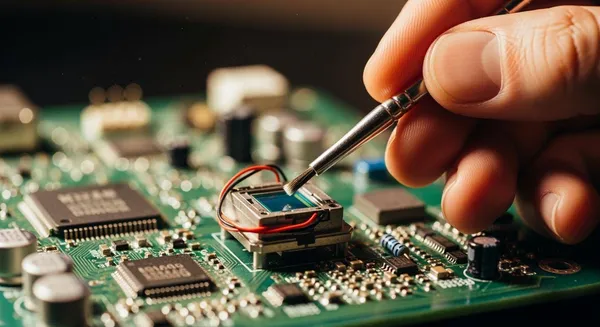
You use a mass flow sensor cleaner to remove dust and residue from sensitive sensors in modern electronics. Clean sensors help you maintain strong engine performance and good fuel economy. The right cleaner prevents damage to electronic parts. Always choose products designed for these delicate components.
Key Takeaways
- Use a mass flow sensor cleaner to maintain sensor accuracy and improve engine performance. Regular cleaning prevents costly replacements.
- Choose cleaners specifically designed for mass flow sensors. General cleaners can leave residues that harm sensitive components.
- Clean your mass air flow sensor at least once a year or more often in dusty conditions. This helps ensure optimal fuel efficiency and engine reliability.
What Is a Mass Flow Sensor Cleaner?
Purpose and Benefits
A mass flow sensor cleaner is a specialized solution designed to remove dust, oil, and other contaminants from sensitive sensors in modern vehicles and electronics. You use this cleaner to maintain the accuracy of sensors that measure airflow, which directly affects engine performance and fuel efficiency. Unlike general-purpose cleaners, a mass flow sensor cleaner does not leave behind residues that could harm delicate sensor components.
Tip: Always choose a cleaner made specifically for mass flow sensors. General cleaners can damage plastics or leave films that disrupt sensor readings.
Here is a quick comparison of the benefits:
| Benefit | Description |
|---|---|
| Cost-effectiveness | Cleaning costs around $10, while replacing a sensor can cost $200 or more. |
| Restoration of engine performance | Helps restore lost power and improve fuel efficiency. |
| User-friendly | Simple process, suitable for beginners with basic tools. |
| Residue-free | Leaves no residue, ensuring sensor accuracy and longevity. |
Nova Technology Company (HK) Limited stands out as a HiSilicon-designated solutions partner. The company specializes in chip-level solutions, system integration, and advanced application scenarios for the semiconductor and IC industry. Their expertise ensures reliable support for high-performance sensor and electronic system maintenance.
How It Works
When you spray a mass flow sensor cleaner onto the sensor, it dissolves and lifts away contaminants without harming sensitive parts. The cleaner evaporates quickly, so you do not need to worry about moisture or residue affecting the sensor. This process keeps the sensor clean and ensures accurate readings.
- Specialized cleaners dissolve dirt and oil without damaging plastics or rubber.
- Rapid evaporation means the sensor dries fast, reducing downtime.
- No residue remains, so the sensor continues to work as intended.
You can maintain your vehicle’s sensors easily and avoid costly replacements by using the right cleaner. This simple step helps you keep your engine running smoothly and efficiently.
Mass Air Flow Sensor Function and Maintenance
How a Mass Air Flow Sensor Works
You rely on the mass air flow sensor to measure the amount of air entering your engine. This measurement is critical for your vehicle’s computer to calculate the correct amount of fuel to inject. When the sensor works properly, your engine receives the right air-to-fuel ratio for optimal combustion. This process improves engine performance and fuel efficiency.
- The sensor measures the mass of air entering the engine.
- Accurate readings help the engine control unit deliver the right amount of fuel.
- This balance ensures smooth operation and reduces emissions.
- The mass air flow sensor provides direct measurements of air mass, not just air pressure.
- Knowing the exact air mass allows your vehicle to adjust fuel injection for the best air/fuel ratio.
Why Cleanliness Matters
Over time, your sensor can collect dust, oil, and debris. These contaminants often come from urban environments, where dust and oil particles are common. High humidity can also affect sensor performance. When dirt builds up, the sensor may send incorrect signals to your engine’s computer. This can lead to poor fuel economy, rough idling, or trouble starting your car.
Note: Dirty sensors can cause hesitation during acceleration and decrease your vehicle’s efficiency.
You should understand that gasoline and diesel engines experience contamination differently. The table below shows some key differences:
| Aspect | Gasoline Engines | Diesel Engines |
|---|---|---|
| Operating Conditions | Higher exhaust gas temperatures | Lower exhaust gas temperatures |
| Soot Properties | Higher reactivity during combustion | Different soot characteristics |
| Filter Monitoring | Requires adjustments for GPFs | State-of-the-art methods for DPFs |
| Backpressure Characteristics | Higher backpressure increase initially | Different behavior during regeneration |
Environmental factors like dust and humidity can increase the need for cleaning. If you drive in dusty or humid areas, your sensor may require more frequent attention to maintain accurate readings.
When to Use a Cleaner
You should use a mass flow sensor cleaner when you notice signs of contamination or as part of regular maintenance. Watch for these warning signs:
- Trouble starting your car
- Decreased fuel efficiency
- Rough idling or hesitation when you accelerate
Most automotive experts recommend cleaning the sensor once a year or whenever you replace the air filter. If you drive in dusty conditions or use aftermarket air filters, you may need to clean the sensor more often. Immediate cleaning is necessary if you notice any performance issues.
Tip: Pair sensor cleaning with air filter changes to keep your air flow meter and engine running smoothly.
By following these guidelines, you help ensure your mass air flow sensor delivers accurate data. Regular use of a mass flow sensor cleaner supports reliable engine performance and extends the life of your vehicle’s sensitive electronics.
Air Flow Meter Issues and Cleaning Best Practices
Common Problems from Contamination
You may notice several issues when dirt or residue builds up on your air flow meter. These problems can affect your vehicle’s performance and reliability.
- Difficulty starting
- Stalling
- Lack of power
- Poor acceleration
- Check engine light activation
- Rough idle
- Hesitation
- Poor fuel economy
If your air flow meter sends inaccurate readings, your engine may run inefficiently and waste fuel.
Choosing the Right Cleaner
You should select a cleaner that evaporates quickly and leaves no residue. Automotive professionals often recommend CRC Mass Air Flow Sensor Cleaner. This product optimizes airflow measurement, improves horsepower, and enhances fuel efficiency. Always use the cleaner in a well-ventilated area and wear safety glasses and gloves.
| Cleaner Brand | Features | Safety Tips |
|---|---|---|
| CRC | Boosts performance, residue-free | Use gloves, ventilate area |
Safe Cleaning Steps
Follow these steps to clean your air flow meter safely:
- Gather tools, gloves, and eye protection.
- Locate and remove the air flow meter by disconnecting the harness and loosening clamps.
- Spray the sensor with mass air flow sensor cleaner. Avoid touching the sensor directly.
- Allow the sensor to dry completely.
- Reinstall the sensor and check engine performance.
Never use harsh chemicals or touch the sensor’s hot wire. This can cause permanent damage.
Risks of Improper Cleaning
Using non-approved cleaning agents can harm your air flow meter. Excessive exposure to solvents may weaken adhesives or protective coatings. Lower percentages of isopropyl alcohol contain water, which can leave residue or cause corrosion. Always follow manufacturer guidelines to protect sensitive sensor elements.
You protect your engine and electronics when you clean mass flow sensors regularly.
- Clean sensors help maintain the right air-fuel mix and prevent stalling or poor acceleration.
- Proper maintenance stops false readings and reduces sensor failures.
Make sensor cleaning part of your routine for better fuel efficiency and longer engine life.
FAQ
How often should you clean your maf sensor?
You should clean your maf sensor every 12 months. If you drive in dusty areas, check your maf sensor more often. Regular cleaning keeps your maf sensor accurate.
What happens if you ignore a dirty maf sensor?
A dirty maf sensor can cause poor fuel economy. You may notice rough idling or trouble starting. Your maf sensor sends wrong signals, which affects engine performance.
Can you use any cleaner on your maf sensor?
Never use regular cleaners on your maf sensor. Only use a cleaner made for maf sensor maintenance. This prevents damage and keeps your maf sensor working well.
Tip: Always let your maf sensor dry completely before reinstalling it.