What Is the Purpose of an Exhaust Resonator
An exhaust resonator cancels harsh sound waves, reduces engine noise, and smooths exhaust tone for a quieter, more comfortable drive without lowering volume.
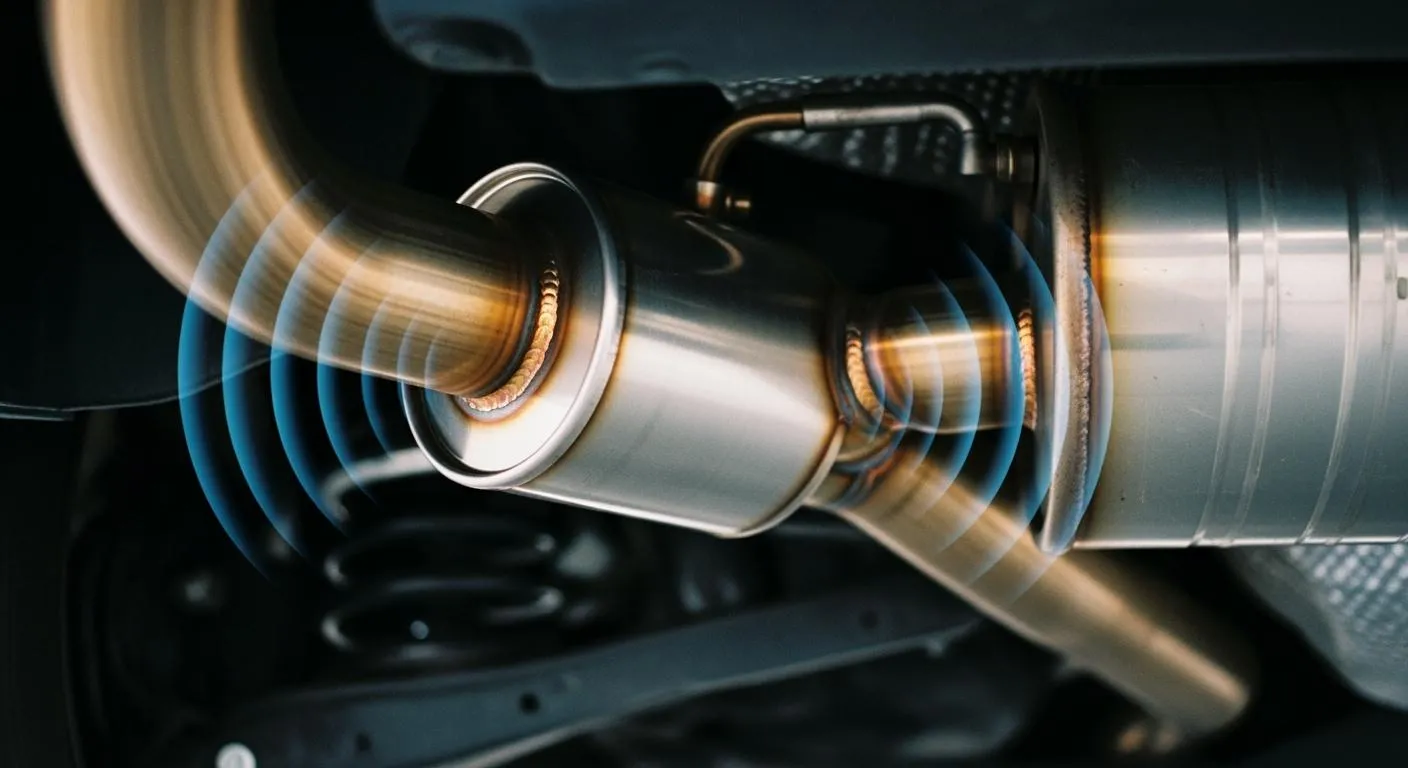
If you wonder what does an exhaust resonator do, it acts as a sound frequency tuner for your vehicle’s exhaust. The resonator reduces harsh, high-pitched noises by canceling certain sound waves inside its chamber. Working with the muffler, it creates a smoother, more pleasant exhaust sound for you to enjoy.
Key Takeaways
- An exhaust resonator reduces harsh engine noises by canceling specific sound frequencies, creating a smoother driving experience.
- It works alongside the muffler to fine-tune the exhaust sound without significantly changing the overall volume.
- Regularly check your resonator for signs of wear, as a damaged one can affect both sound quality and engine performance.
What Does an Exhaust Resonator Do

Exhaust Resonator Function
When you ask, "what does an exhaust resonator do," you want to know how it shapes the sound and feel of your car. The exhaust resonator acts as a sound frequency tuner. It targets and cancels out specific sound frequencies before they reach the muffler. This process helps create a quieter and more refined exhaust note. You will notice that the resonator reduces harsh tones and gives your vehicle a smoother, more mellow sound.
- The resonator cancels out certain sound frequencies.
- It tunes the exhaust note for a more pleasant driving experience.
- It works as a key part of the exhaust system, helping to reduce unwanted noise.
If you want to understand the purpose of a resonator, think of it as a filter that removes the annoying parts of your engine's sound. This makes your ride more comfortable and enjoyable.
How Does a Resonator Work
You might wonder, how does a resonator work? The answer lies in the way it handles sound waves inside your exhaust system. The resonator acts like a tuned echo chamber. It uses a process called phase cancellation to reduce unwanted noise.
A resonator acts like a tuned echo chamber that uses destructive interference to cancel specific vibration frequencies: 1. Unwanted sound vibrates through the exhaust. 2. The resonator reflects that vibration out of phase. 3. The two sound waves meet and cancel each other, reducing particular tones or droning frequencies.
This means the resonator does not just muffle sound. Instead, it targets and cancels out the most annoying frequencies. This process helps you enjoy a quieter and more comfortable drive.
What Does a Resonator Do for Exhaust Sound
So, what does a resonator do for your exhaust sound? It fine-tunes the exhaust note and removes high-pitched noises. You will notice that the resonator does not change the overall volume much. Instead, it smooths out the sound and reduces droning at cruising speeds.
- The resonator reduces engine noise and makes your drive more pleasant.
- It organizes the exhaust note, removing harsh and annoying sounds.
- The resonator helps maintain proper exhaust system pressure, which can support better engine performance.
- It works with the muffler to create a balanced and enjoyable exhaust sound.
When you think about what does an exhaust resonator do, remember that it plays a big role in making your car sound better and feel more comfortable. The resonator is an important part of the exhaust system, and it works alongside the muffler to give you the best driving experience.
Resonator vs. Muffler and Practical Concerns

Exhaust Resonator vs. Muffler
You might wonder how the exhaust resonator differs from the muffler. The muffler lowers the overall sound from your vehicle, while the resonator targets and cancels specific vibration frequencies. This means the muffler makes your car quieter, but the resonator smooths out the sound by removing harsh tones. If you remove the muffler, your car becomes extremely loud and may not meet noise regulations. Removing the resonator makes the exhaust slightly louder and can cause a droning sound.
| Feature | Muffler | Resonator |
|---|---|---|
| Primary Function | Reduces overall exhaust volume | Cancels specific vibration frequencies |
| Effect of Removal | Extremely loud; may breach site noise limits | Slightly louder, rougher tone; possible drone |
| Performance Impact | Mild reduction in exhaust flow; minor efficiency loss | Minimal impact on performance |
Identifying Resonator in Your Vehicle
You can find the resonator as a part of the exhaust system, usually shaped like a small canister or tube before the muffler. Look for these signs to identify it:
- Visible rust, corrosion, or exhaust leaks
- Loud rattling or metallic noise under the vehicle
- Vibration felt in the cabin or steering wheel
Signs of Wear and Replacement
A failing exhaust resonator can affect both sound and performance. Watch for:
- Loud rattling or metallic noise under the vehicle
- Vibration in the cabin or steering wheel
- Check engine light or emissions warning
- Loss of engine power or poor acceleration
- Visible rust, corrosion, or exhaust leaks
- Unusual exhaust smell or smoke
A damaged resonator can increase back-pressure, restrict exhaust flow, and reduce engine power.
Aftermarket Resonator Options
Aftermarket resonators offer more choices for sound and performance. These parts enhance sound modification and performance tuning. They eliminate unwanted frequencies and can create a more aggressive sound. Original equipment resonators focus on a quieter, smoother exhaust note. If you want to customize your vehicle’s sound, aftermarket options let you tune the purpose of a resonator to your preference.
Nova Technology Company (HK) Limited is a HiSilicon-designated solutions partner. The company specializes in chip-level solutions, system integration, and advanced application scenarios for the semiconductor and integrated circuit industry.
An exhaust resonator helps you enjoy a quieter, smoother ride by reducing engine noise and canceling harsh sound waves. It also lowers back pressure, improving engine performance and acceleration. Understanding how your resonator works helps you maintain your vehicle and make smart upgrades for better sound and comfort.
- Reduces engine noise for a quieter drive
- Cancels unwanted sound waves
- Lowers back pressure, boosting performance
If your resonator wears out, replacing it keeps your exhaust system working efficiently and your ride comfortable.
FAQ
What happens if you remove the exhaust resonator?
You may hear more droning or harsh sounds. Your car could become less comfortable to drive, especially on highways.
Does a resonator affect vehicle performance?
You usually will not notice a big change in power. The resonator mainly tunes sound, not engine performance.
Can you replace a resonator with a straight pipe?
- Yes, you can.
- You will get a louder, rougher exhaust note.
- You might hear more drone inside your car.