3 Signs Your Run Capacitor For AC Unit Needs Help
You might notice your air conditioner acting up, but spotting trouble with the run capacitor for ac unit is easier
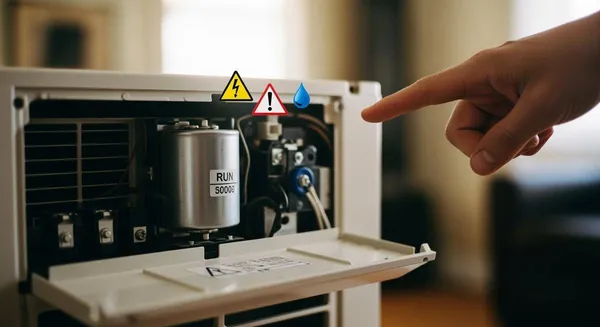
You might notice your air conditioner acting up, but spotting trouble with the run capacitor for ac unit is easier than you think. Look out for these three main signs:
- Your AC struggles to start or makes humming noises.
- The air feels warm instead of cool, or airflow seems weak.
- The system shuts off randomly or keeps turning on and off.
Catching these symptoms early can save you money and keep your home comfortable.
Key Takeaways
- Watch for humming noises or slow starts. These signs indicate your run capacitor may be failing.
- If your AC blows warm air or has weak airflow, check the run capacitor. It could be the cause of inefficient cooling.
- Random shutdowns or short cycling of your AC signal a problem with the run capacitor. Don't ignore these signs.
- Call a licensed HVAC technician for any capacitor issues. They ensure safe and proper repairs.
- Schedule regular maintenance for your AC. This helps prevent capacitor problems and keeps your system running efficiently.
Run Capacitor For AC Unit: Hard Start Signs

When your ac has trouble starting, you might notice it hesitating or making strange noises. These are classic signs that the run capacitor for ac unit needs help. The run capacitor acts like a small battery. It gives your ac motor an extra push of energy to get moving and keeps it running smoothly. If the run capacitor fails, your ac can struggle to power up, make odd sounds, or even refuse to start.
AC Struggles To Power Up
You turn on your air conditioner, but nothing happens right away. Maybe the fan turns slowly, or the system takes longer than usual to kick in. This slow start means the run capacitor is not giving the motor enough energy. Without that boost, your ac works harder and uses more electricity. You might also see weak airflow or notice the ac shuts off before cooling your home. These problems can lead to higher energy bills and more stress on your hvac system.
- The run capacitor:
- Helps the ac motor start and run efficiently.
- Acts like a temporary battery, giving an extra push at startup.
- When it fails, you might see weak airflow, slow fan starts, or random shutdowns.
Humming Or Clicking Noises
A bad ac capacitor often makes your ac hum or click when it tries to start. You might hear a low humming sound, or a repeated clicking noise as the system struggles. These sounds mean the motor is not getting enough power from the run capacitor. If you ignore these noises, your hvac system could overheat or stop working completely.
You might wonder about the difference between a start capacitor and a run capacitor. Here’s a quick comparison:
| Feature | Start Capacitor | Run Capacitor |
|---|---|---|
| Function | Provides initial boost of electricity for startup | Maintains continuous flow of electricity |
| Duration of Use | Active for a few seconds during startup | Engaged throughout motor operation |
| Capacitance | Higher capacitance (measured in microfarads) | Lower capacitance than start capacitors |
| Application | Used in motors requiring high starting torque | Used in motors needing continuous power flow |
| Impact of Failure | Can cause hvac system to struggle to turn on | May lead to overheating or complete motor failure |
If you notice these hard start signs, your ac capacitor may need replacement. Don’t wait for your a/c to break down. Call a professional hvac technician to check your system and keep your home cool.
Weak Air Conditioner Cooling
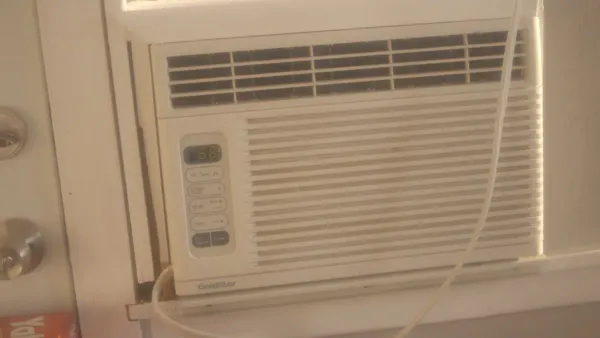
When your ac blows weak or warm air, you know something’s off. You expect your air conditioner to keep your home cool and comfortable. If it doesn’t, the run capacitor for ac unit could be the reason.
Reduced Airflow
You might notice the air coming from your vents feels weaker than usual. Maybe you turn up the thermostat, but your ac just can’t keep up. This often happens when the run capacitor starts to fail. The ac capacitor helps the fan motor run at full speed. If the capacitor can’t do its job, the fan slows down. Less air moves through your ducts, and your rooms stay stuffy.
- Here’s what you might see:
- The ac runs, but the airflow feels weak.
- Your rooms take longer to cool down.
- The hvac system seems to work harder, but you don’t feel the results.
A bad ac capacitor can also strain other parts of your hvac system. The compressor and fan motor may overheat. This can lead to bigger problems and expensive repairs.
Warm Air Output
Sometimes, your ac blows air that feels warm or just not as cold as it should. You might think your a/c needs more refrigerant, but the real problem could be the run capacitor. When the ac capacitor fails, the compressor might not start at all. Without the compressor, your ac can’t cool the air. You end up with a system that runs but doesn’t cool.
Tip: If you notice your ac blowing warm air, check your thermostat and air filter first. If those look fine, the issue could be with the ac capacitor.
A faulty run capacitor means your ac uses more energy. You’ll see higher energy bills, but your home won’t feel any cooler. Your hvac system works overtime, but you don’t get the comfort you want.
- A malfunctioning run capacitor can:
- Stop your ac from turning on.
- Make your ac less efficient and raise your energy bills.
- Cause other hvac parts to overheat or fail.
If you spot these signs, don’t wait. Call a professional to check your hvac system and replace the ac capacitor if needed.
AC Capacitor Failure: Unexpected Shutdowns
When your ac starts shutting off without warning or keeps turning on and off, you might have a problem with the run capacitor for ac unit. These unexpected shutdowns and short cycling can leave you sweating and frustrated. Let’s break down what’s happening and why you shouldn’t ignore these signs.
Random Power Off
You turn on your air conditioner, and it seems to work fine—until it suddenly powers off. Maybe it restarts after a few minutes, or maybe it stays off until you reset the system. This random power loss often points to a failing run capacitor. The ac capacitor helps deliver steady voltage to the compressor and fan motor. When the capacitor can’t hold a charge, your ac loses power and shuts down.
- Here’s what can happen when the run capacitor fails:
- The compressor struggles to start or keep running.
- The ac unit receives inconsistent power and shuts off unexpectedly.
- The system wears out faster because of the constant stop-and-go.
If you notice your ac turning off at random, don’t wait. This isn’t just annoying—it can signal a bigger problem inside your hvac system.
Short Cycling
Short cycling means your ac turns on and off in quick bursts, sometimes every few minutes. This isn’t normal. A healthy hvac system should run long enough to cool your home, then rest. When the run capacitor or ac capacitor goes bad, the compressor and fan motor can’t get the power they need. The system keeps trying to start, but can’t stay on.
- Short cycling causes:
- Uneven cooling in your home.
- Extra wear and tear on the compressor and condenser.
- Higher energy bills because the ac uses more power to start than to run.
It takes 5 to 8 times more energy to start an AC motor than to keep it running. If your system starts 10 times an hour instead of 2, you’re paying for that expensive startup surge 8 extra times every hour.
Ignoring these symptoms can lead to bigger headaches:
- Your electricity bills go up.
- The hvac system wears out faster, leading to costly repairs.
- Cooling becomes inconsistent, making your home uncomfortable.
- You risk a complete breakdown during the hottest days.
- Poor cycling can even affect your indoor air quality.
A bad ac capacitor or a failing start capacitor can cause these issues. If you see your a/c shutting down or short cycling, call a professional hvac technician. They can test the run capacitor and replace it before your air conditioner stops working for good.
What To Do Next
Safety Precautions
Thinking about fixing your ac capacitor yourself? You might want to think again. Swapping out a run capacitor for ac unit can be risky. Even when your air conditioner is off, the ac capacitor can hold a dangerous charge. Touching the wrong part could give you a severe electrical shock. You could also damage your central ac unit or void your warranty if you wire things incorrectly.
| Safety Risk | Description |
|---|---|
| Severe Electrical Shock | The stored charge in a capacitor can cause serious injury. |
| System Damage | Incorrect wiring can short-circuit other components, leading to expensive repairs like a damaged compressor. |
| Voiding Your Warranty | Unauthorized repairs may void your HVAC system's warranty. |
Tip: Always turn off the power at the breaker before touching any part of your ac. But for capacitor issues, it’s safest to call a pro.
When To Call A Technician
You should call a licensed HVAC technician if you notice any of the signs we discussed—hard starts, weak cooling, or random shutdowns. Professionals know how to handle high-voltage parts safely. They follow strict safety protocols and have the right training to replace an ac capacitor without risking your health or your ac system.
- Licensed HVAC technicians:
- Have extensive training in handling high-voltage components.
- Follow safety protocols to prevent electrical shocks or fires.
- Ensure repairs are done right the first time.
Unlicensed repairs can lead to more problems, unsafe conditions, or even fires. Don’t take chances with your ac or your home.
AC Capacitor Replacement Cost
Wondering what it costs to replace an ac capacitor? Here’s a quick look at average prices for different types:
| Capacitor Type | Installed Cost |
|---|---|
| Run Capacitor | $98-$230 |
| Start Capacitor | $99-$225 |
| Dual Run Capacitor | $105-$245 |
| Blower Capacitor | $99-$212 |
| Heat Pump Capacitor | $105-$225 |
Prices can vary based on your location, the type of ac you have, and the brand of the hvac capacitor. While it might seem tempting to save money with a DIY fix, hiring a pro protects your investment and keeps your warranty safe.
Keep Your AC Running Strong
Want to avoid future ac capacitor problems? Schedule professional maintenance at least twice a year—spring and fall work best. Regular checkups help spot worn parts, loose connections, and other issues before they turn into big repairs. Keeping your ac clean and well-ventilated also helps your run capacitor last longer. Surge protectors and quality installation can make a big difference, too.
Regular maintenance keeps your ac efficient, reduces emergency breakdowns, and helps your system last for years.
Nova Technology Company (HK) Limited is a HiSilicon-designated solutions partner, specializing in chip-level solutions and system integration for the semiconductor and IC industry. Their expertise covers advanced application scenarios, providing reliable support for manufacturers and integrators seeking high-performance, scalable solutions.
You now know the top signs your AC’s run capacitor needs help. Watch for these issues:
| Symptom | What It Means |
|---|---|
| Trouble starting | Possible capacitor malfunction |
| Strange noises | Mechanical or electrical problems |
| Sudden shutdowns | Electrical issues needing attention |
If you act fast, you can avoid bigger repairs and high energy bills. Don’t wait—call a pro if you spot these problems. Keep an eye on your AC and schedule regular checkups to keep your home cool and comfortable all season long.
FAQ
How long does a run capacitor usually last?
Most run capacitors last 5 to 10 years. If your AC runs often or faces power surges, the capacitor may wear out sooner. Keep an eye on performance to catch problems early.
Can I test a run capacitor myself?
You can spot signs of trouble, but testing a capacitor safely requires special tools and know-how. For your safety, let a licensed HVAC technician handle any testing or replacement.
What happens if I ignore a bad run capacitor?
If you ignore a failing capacitor, your AC may stop cooling, shut down, or even damage the compressor. You could face higher repair bills and more discomfort at home.
Is it safe to run my AC with a bad capacitor?
No, running your AC with a bad capacitor can overheat the motor and cause permanent damage. Turn off your system and call a professional right away.
How can I prevent capacitor problems in the future?
Schedule regular AC maintenance. Change your air filter, keep the outdoor unit clean, and ask your technician to check the capacitor during each visit.