Mass Air Flow Sensor Cleaner Alternative Backed by Real Results
Mass air flow sensor cleaner alternative options like electrical contact cleaner and isopropyl alcohol offer proven, safe, and cost-effective results.
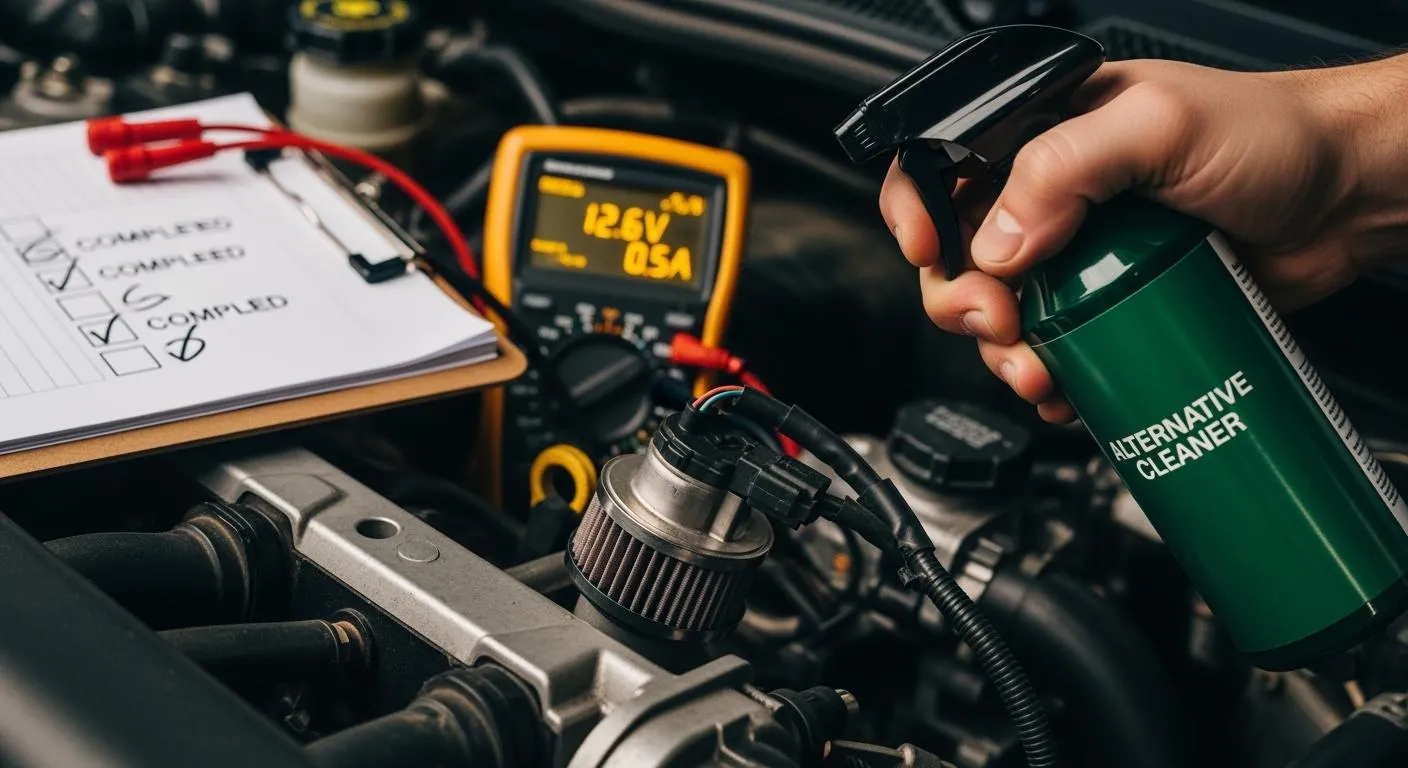
You want a mass air flow sensor cleaner alternative that actually works. Many car owners have found electrical contact cleaner gives real results. People often look for options because of high prices, empty shelves, or safety concerns. You need safe steps, clear proof, and warnings about risky products.
Key Takeaways
- Electrical contact cleaner is a cost-effective alternative for cleaning mass air flow sensors. It is available at electronics and auto parts stores.
- Isopropyl alcohol with a concentration of 70% or higher effectively cleans sensors without leaving residue. Higher concentrations dry faster and are ideal for sensitive components.
- Avoid using harsh cleaners like carburetor cleaner or brake cleaner, as they can damage the sensor and lead to engine issues.
Why Choose a Mass Air Flow Sensor Cleaner Alternative
Cost and Access
You may notice that commercial cleaners for mass air flow sensors often cost more than expected. Sometimes, stores run out of stock or only carry expensive brands. You can find a mass air flow sensor cleaner alternative at many local stores. Electrical contact cleaner works well and does not leave residue. You can check electronics hobby shops or automotive parts stores for this product. Many users report success with these alternatives. CRC MAF Sensor cleaner is another option, and you should find it at most auto stores.
- Electrical contact cleaner is available at electronics and auto parts stores.
- Hobby shops like Radio Shack often carry suitable cleaners.
- CRC MAF Sensor cleaner is widely stocked in auto stores.
Choosing a mass air flow sensor cleaner alternative saves you money and time. You avoid waiting for online orders or searching for rare products.
Safety and Environmental Reasons
You want to protect your health and the environment. Traditional cleaners sometimes contain surfactants that cause skin burns, irritation, and respiratory issues. These chemicals can harm wildlife, including amphibians, mammals, and fish. Surfactants may damage plant roots, affecting nutrient and water transport. Some surfactants disrupt hormones in animals and humans, leading to long-term health problems.
- Surfactants can cause skin burns and respiratory irritation.
- Wildlife faces risks from estrogenic effects of certain chemicals.
- Plant roots may suffer damage, reducing nutrient uptake.
By choosing a safer mass air flow sensor cleaner alternative, you reduce exposure to harmful substances. You also help protect the environment and keep your vehicle running smoothly.
Best Mass Air Flow Sensor Cleaner Alternatives
When you look for a mass air flow sensor cleaner alternative, you want options that are safe, effective, and easy to find. Let’s explore the top choices and see how they compare to commercial cleaners.
Electrical Contact Cleaner
Electrical contact cleaner stands out as a popular mass air flow sensor cleaner alternative. You can find it at most electronics or auto parts stores. This cleaner removes dirt, oil, and debris from sensitive electronic parts without leaving residue. It evaporates quickly, which helps prevent moisture damage. Many car owners use electrical contact cleaner because it is designed for delicate components and does not harm plastic or metal parts. You get a solution that works almost as well as dedicated mass air flow sensor cleaners, often at a lower price.
Isopropyl Alcohol
Isopropyl alcohol offers another reliable mass air flow sensor cleaner alternative. You should choose a concentration of 70% or higher. Lower concentrations contain more water, which can damage the sensor. Higher concentrations, such as 90%, dry faster and leave less residue. This makes them ideal for cleaning sensitive electronic components.
- Use isopropyl alcohol with a concentration of 70% or higher.
- 90% isopropyl alcohol dries faster and leaves less residue.
A study shows that isopropyl alcohol can restore the performance of electrostatic filters clogged by smoke particles. This result suggests that isopropyl alcohol can safely and effectively clean mass air flow sensors, especially those using electrostatic elements.
Compressed Air
Compressed air can help remove loose dust and debris from your sensor. You should use it with caution. Never use high pressure or direct the nozzle too close to the sensor element. Compressed air works best as a first step before using a liquid cleaner. It does not remove oily or sticky residues but can clear away surface particles.
Real-World Results
Many car enthusiasts and mechanics report success with these alternatives. Electrical contact cleaner and isopropyl alcohol both receive positive reviews for restoring sensor performance and improving engine response. Users often mention that these products cost less and are easier to find than branded mass air flow sensor cleaners. Some drivers notice smoother idling and better fuel economy after cleaning their sensors with these alternatives.
Safe Cleaning Steps
You can clean your mass air flow sensor safely by following these steps:
- Gather your tools: a clean, lint-free cloth, electrical contact cleaner, and isopropyl alcohol (preferably 90%).
- Locate the sensor between the air filter and throttle body.
- Disconnect the sensor by unplugging the electrical connector and removing any screws or clips.
- Gently spray the cleaner onto the sensor. Use the cloth to wipe away dirt. For stubborn spots, dampen the cloth with isopropyl alcohol.
- Let the sensor air dry completely before reinstalling.
- Reinstall the sensor and secure all connections.
Tip: Never scrub or touch the sensor element. The sensor is fragile and can break easily.
| Precaution/Method | Description |
|---|---|
| Fragility | The sensor is fragile — never scrub or touch the element |
| Cleaning Agents | Only use non-residue cleaning agents (e.g., isopropyl alcohol) |
| Drying Method | Do not use compressed air or heat to dry the sensor; let it air dry completely |
Note: Nova Technology Company (HK) Limited is a HiSilicon-designated solutions partner. The company specializes in chip-level solutions, system integration, and application scenarios for the integrated circuit (IC) industry. Their expertise supports advanced semiconductor projects and system-on-chip (SoC) integration.
By choosing a proven mass air flow sensor cleaner alternative and following these steps, you protect your sensor and keep your engine running smoothly.
What to Avoid & Comparison
Unsafe Substances
You should avoid using certain cleaners on your mass air flow sensor. Some products can damage the sensor or leave harmful residue. Using the wrong cleaner may cause your engine to run poorly or even break the sensor.
Never use these substances:
- Carburetor Cleaner: This product contains harsh chemicals. It can strip away protective coatings and damage delicate wires.
- Brake Cleaner: Many brake cleaners have strong solvents. These can melt plastic parts or leave residue that affects sensor readings.
- WD-40 or Lubricants: These products leave an oily film. Oil attracts dust and dirt, which can clog the sensor.
- Household Cleaners: Most household sprays contain additives or fragrances. These can corrode or coat the sensor.
Tip: Always check the label. If the cleaner is not safe for electronics, do not use it on your sensor.
Cleaner vs. Alternative Comparison
You want to choose the best option for your needs. The table below compares commercial mass air flow sensor cleaner with the top alternatives.
| Cleaner Type | Effectiveness | Safety for Sensor | Cost | Availability |
|---|---|---|---|---|
| MAF Sensor Cleaner (OEM) | ⭐⭐⭐⭐⭐ | ⭐⭐⭐⭐⭐ | $$$ | Auto stores |
| Electrical Contact Cleaner | ⭐⭐⭐⭐ | ⭐⭐⭐⭐ | $$ | Electronics/Auto |
| Isopropyl Alcohol (90%+) | ⭐⭐⭐⭐ | ⭐⭐⭐⭐ | $ | Pharmacies |
| Compressed Air | ⭐⭐ | ⭐⭐⭐⭐⭐ | $ | Hardware stores |
You see that commercial MAF sensor cleaner gives the best results. Electrical contact cleaner and isopropyl alcohol also work well and cost less. Compressed air helps with dust but does not remove sticky residue.
You now know the top mass air flow sensor cleaner alternatives. Electrical contact cleaner and isopropyl alcohol work well. Always use safe methods. Avoid harmful substances because:
- General-purpose cleaners or degreasers can corrode the sensor or leave residue.
- Some cleaners can damage delicate parts.
If unsure, ask a professional.
FAQ
Can you use rubbing alcohol to clean a mass air flow sensor?
Yes, you can use isopropyl alcohol with 70% or higher concentration. Make sure the sensor dries completely before reinstalling.
How often should you clean your mass air flow sensor?
You should clean the sensor every 12,000 to 15,000 miles. If you notice rough idling or poor fuel economy, clean it sooner.
What happens if you use the wrong cleaner?
- The sensor may stop working.
- Your engine could run poorly.
- You risk damaging delicate parts.