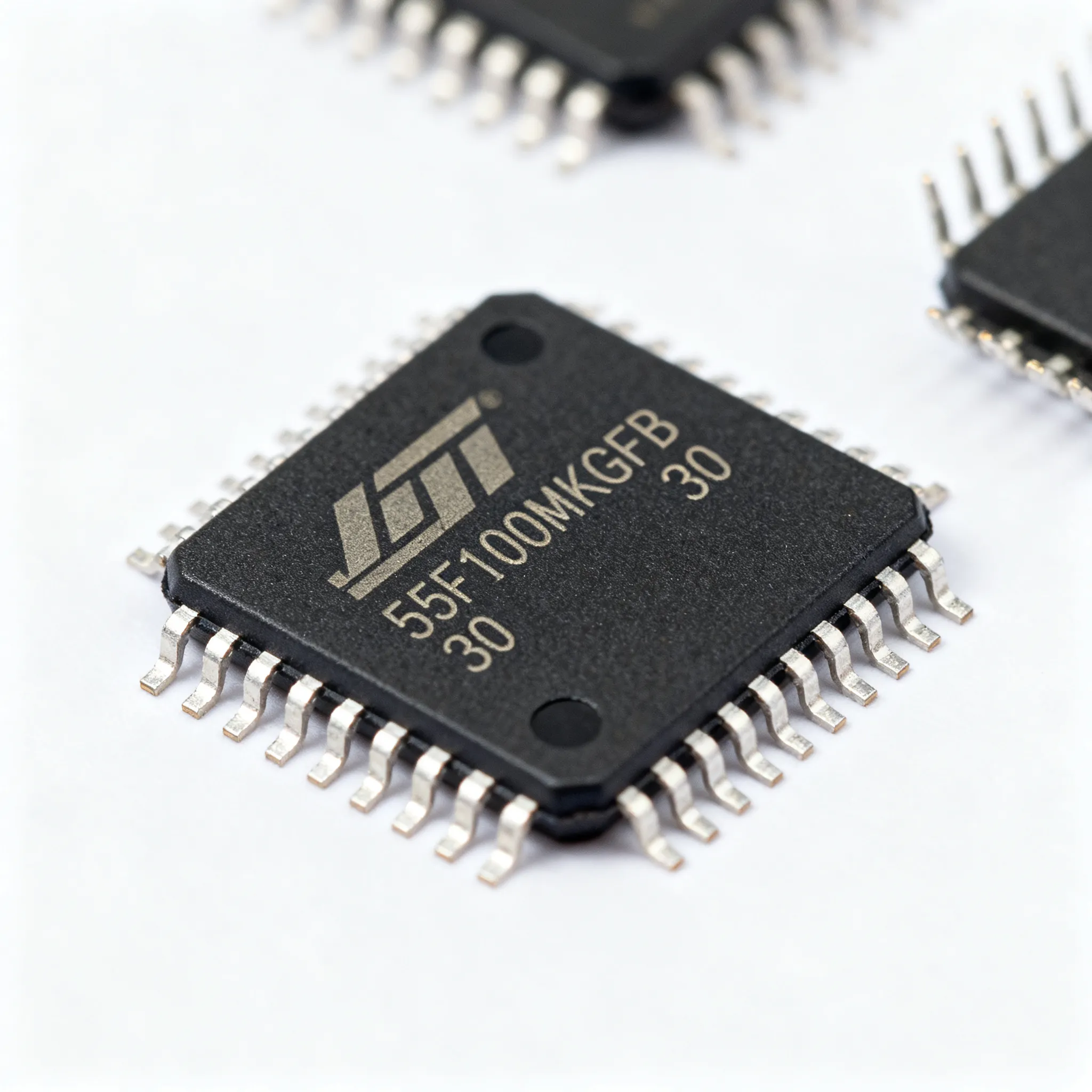
TI TPS54202: Application Case Study on Efficient Power Management Solutions
Expert guide on TI TPS54202: Application Case Study on Efficient Power Management Solutions. Technical specs, applications, sourcing tips for engineers and buyers.
Introduction
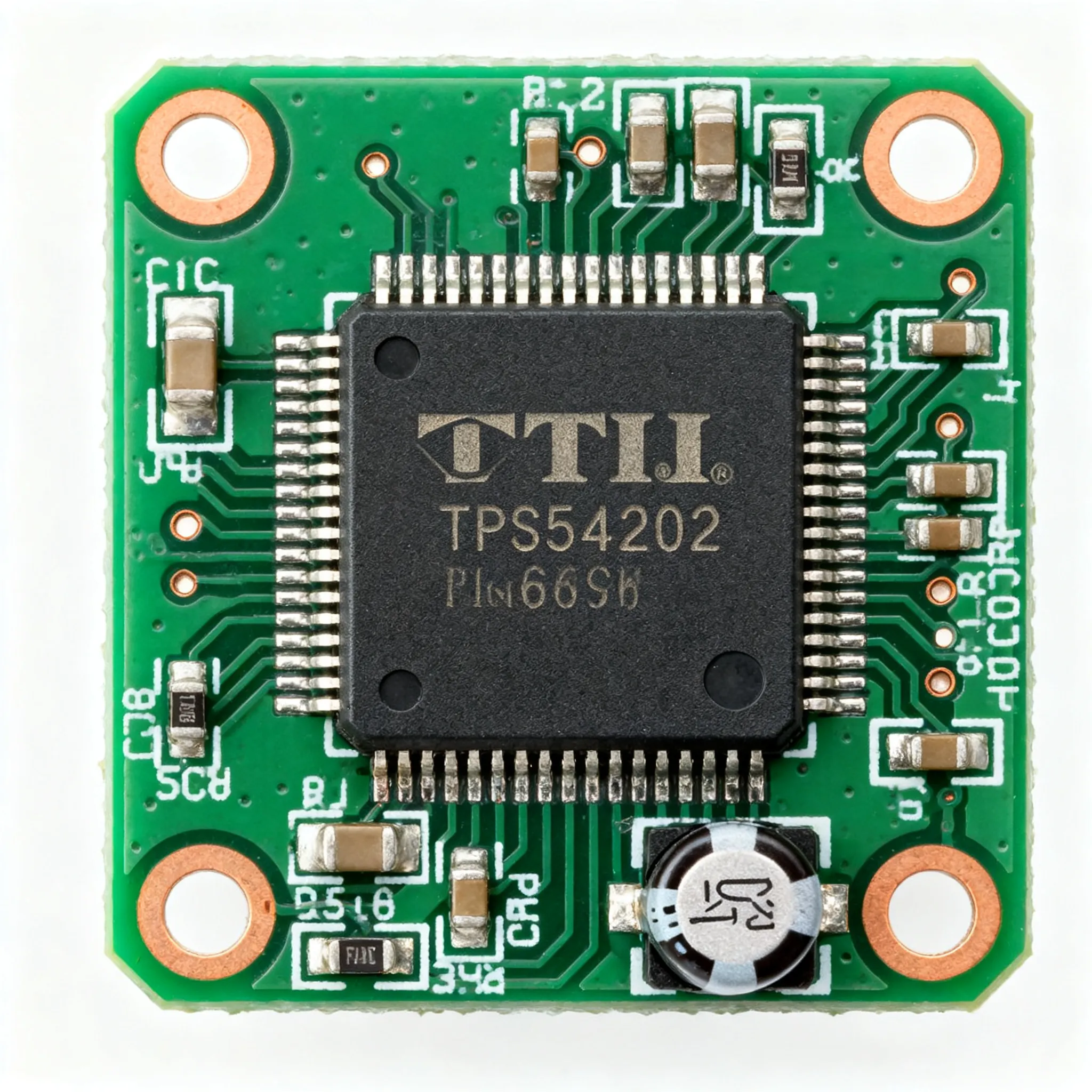
In today's fast-evolving electronics landscape, efficient power management is more critical than ever. As devices become increasingly complex, the demand for reliable and efficient power solutions continues to rise. The Texas Instruments TPS54202, a robust DC-DC buck converter, plays a pivotal role in addressing these challenges. With the semiconductor industry poised to reach a staggering $595.2 billion in revenue by 2026, according to the Semiconductor Industry Association, components like the TPS54202 are vital for sustaining growth and innovation. This article delves into the technical specifications, design considerations, and real-world applications of the TPS54202, offering a comprehensive guide to its use in efficient power management solutions.
Technical Overview
The TPS54202 is a high-efficiency synchronous buck converter from Texas Instruments, designed for applications requiring a step-down power conversion. It operates with a wide input voltage range of 4.5V to 28V, making it versatile for various applications, from consumer electronics to industrial systems. The device can deliver up to 2A of continuous output current, ensuring reliable performance in demanding conditions.
A key feature of the TPS54202 is its high-efficiency operation, which is achieved through its advanced switching technology and low quiescent current. The converter's efficiency can reach up to 95%, significantly reducing energy loss and heat generation. This efficiency is crucial in battery-powered applications where power conservation is paramount.
Furthermore, the TPS54202 integrates a fixed-frequency PWM control scheme, which simplifies the design process and ensures stable operation across a wide range of loads. This feature, combined with its compact size and minimal external component count, makes the TPS54202 an ideal choice for space-constrained applications.
Detailed Specifications
| Parameter | Value | Units | Notes |
|---|---|---|---|
| Input Voltage Range | 4.5 - 28 | V | Wide range allows for flexible application |
| Output Voltage Range | 0.8 - 22 | V | Adjustable output for various needs |
| Output Current | 2 | A | Continuous output current capability |
| Switching Frequency | 500 | kHz | Fixed frequency operation |
| Efficiency | Up to 95% | - | High efficiency reduces energy loss |
| Quiescent Current | 65 | µA | Low standby power consumption |
| Overcurrent Protection | Yes | - | Protects against excessive current draw |
| Thermal Shutdown | Yes | - | Prevents overheating damage |
| Soft Start | Yes | - | Gradual ramp-up of output voltage |
| Package Type | SOT-23-6 | - | Compact package for space saving |
Thermal & Mechanical Specifications
| Parameter | Value | Units | Notes |
|---|---|---|---|
| Operating Temperature Range | -40 to 125 | °C | Suitable for harsh environments |
| Storage Temperature Range | -65 to 150 | °C | Ensures long-term reliability |
| Thermal Resistance (Junction to Ambient) | 110 | °C/W | Efficient thermal management |
| Thermal Resistance (Junction to Case) | 40 | °C/W | Improves heat dissipation |
| Maximum Junction Temperature | 150 | °C | Ensures component safety |
| Weight | 0.015 | g | Lightweight for portable applications |
| Package Dimensions | 2.9 x 1.6 | mm | Compact form factor |
| Lead Finish | Matte Tin | - | Lead-free and RoHS compliant |
Application Comparison
| Application | Input Voltage | Output Voltage | Efficiency | Notes |
|---|---|---|---|---|
| Consumer Electronics | 5V | 3.3V | 92% | Common for portable devices |
| Industrial Automation | 12V | 5V | 90% | Robust and reliable operation |
| Automotive | 12V | 3.3V | 93% | Designed for automotive standards |
| Telecommunications | 24V | 5V | 91% | High efficiency for network equipment |
| LED Lighting | 24V | 12V | 94% | Optimized for lighting solutions |
Design Considerations
When designing a power management solution using the TPS54202, several factors must be taken into account to ensure optimal performance and reliability. These considerations range from selecting appropriate external components to understanding thermal management and layout best practices.
1. External Component Selection: The choice of inductors, capacitors, and resistors is crucial for the performance of the TPS54202. Inductors should be selected based on the desired ripple current, while capacitors should have low ESR to minimize output voltage ripple. The feedback resistor network should be chosen to set the desired output voltage accurately.
2. Thermal Management: Given the power dissipation in high-current applications, thermal management is critical. The TPS54202 should be mounted on a PCB with adequate copper area to dissipate heat efficiently. Additional thermal vias and heat sinks may be necessary in high-power applications.
3. PCB Layout Considerations: A well-designed PCB layout is essential for minimizing EMI and ensuring stable operation. Key considerations include keeping the input and output loops as short as possible, placing the input capacitor close to the VIN and GND pins, and routing the feedback path away from noisy nodes.
4. Protection Features: The TPS54202 includes built-in protection features such as overcurrent protection and thermal shutdown. These features should be considered in the design to ensure the converter can handle fault conditions without damage.
5. Soft Start and Sequencing: The soft start feature of the TPS54202 allows for a controlled ramp-up of the output voltage, reducing inrush current and ensuring smooth startup. In systems with multiple converters, sequencing may be necessary to ensure proper power-up order.
Step-by-Step Guide
Designing a power management solution with the TPS54202 involves several key steps. Follow this guide to ensure a successful implementation:
- Define System Requirements: Determine the input voltage range, desired output voltage, and load current requirements. This will guide component selection and design specifications.
- Select External Components: Choose the appropriate inductor, input/output capacitors, and feedback resistors. Ensure components meet the current and voltage ratings required for the application.
- Design PCB Layout: Plan the PCB layout, keeping input and output paths short to minimize EMI. Place the input capacitor close to the VIN and GND pins, and ensure a clean feedback path.
- Implement Thermal Management: Use adequate copper area for heat dissipation. Consider adding thermal vias or a heat sink for high-power applications to maintain safe operating temperatures.
- Configure Protection Features: Utilize the built-in overcurrent protection and thermal shutdown features. Design the system to handle fault conditions gracefully.
- Test and Validate: Assemble the prototype and conduct testing to validate performance. Check for efficiency, output voltage accuracy, ripple, and thermal performance under load.
- Optimize and Finalize: Based on testing results, make necessary adjustments to component values or layout. Ensure the design meets all system requirements and is ready for production.
Common Issues & Solutions
Despite its robust design, users may encounter common issues when implementing the TPS54202. Here are some typical problems and their solutions:
-
Issue: Excessive Output Ripple
Solution: Increase output capacitance or use capacitors with lower ESR to reduce ripple. -
Issue: Overheating
Solution: Improve thermal management by increasing copper area on PCB or adding a heat sink. -
Issue: Poor Load Regulation
Solution: Ensure proper feedback path design and component selection to maintain stable output. -
Issue: EMI Emission
Solution: Optimize PCB layout to minimize loop area and use shielding if necessary. -
Issue: Startup Problems
Solution: Adjust soft start settings to control inrush current and ensure smooth startup.
Applications & Use Cases
The versatility of the TPS54202 makes it suitable for a wide range of applications. Here are some examples:
- Consumer Electronics: Used in smartphones, tablets, and wearables for efficient battery management.
- Industrial Systems: Provides reliable power conversion in automation equipment and control systems.
- Automotive Applications: Powers infotainment systems and advanced driver-assistance systems (ADAS).
- Telecommunications: Ensures efficient power delivery in base stations and network equipment.
- LED Lighting: Used in LED drivers for efficient and stable lighting solutions.
Selection & Sourcing Guide
When selecting the TPS54202 for your application, consider the specific requirements such as input voltage range, output current, and efficiency needs. For reliable sourcing, visit IC Online to find competitive pricing and fast delivery options. Ensure you choose an authorized distributor to guarantee authenticity and quality.
FAQ
-
What is the input voltage range of the TPS54202?
The input voltage range is 4.5V to 28V, making it suitable for various applications. -
What is the maximum output current?
The TPS54202 can deliver up to 2A of continuous output current. -
How efficient is the TPS54202?
It offers high efficiency, up to 95%, reducing energy loss and heat generation. -
Does it have built-in protection features?
Yes, it includes overcurrent protection and thermal shutdown for safe operation. -
What is the package type?
The TPS54202 is available in a compact SOT-23-6 package. -
Can it be used in automotive applications?
Yes, its robust design makes it suitable for automotive electronics. -
How can I minimize EMI in my design?
Ensure a good PCB layout, keeping input/output loops short and using proper shielding. -
What should I do if the converter overheats?
Improve thermal management by increasing copper area or adding heatsinks. -
Where can I source the TPS54202?
Visit IC Online for sourcing options. -
Is it suitable for battery-powered applications?
Yes, its high efficiency and low quiescent current make it ideal for battery-powered devices.
Conclusion
The TPS54202 offers a robust and efficient solution for power management in various applications. With its wide input voltage range, high efficiency, and built-in protection features, it stands out as a reliable choice for designers. Whether in consumer electronics, industrial systems, or automotive applications, the TPS54202 delivers consistent performance and reliability. By understanding its specifications and design considerations, engineers can effectively integrate this component into their systems, ensuring optimal power delivery and efficiency.