

ERAI reporting when spotting suspect electronic parts
Practical guide for buyers and engineers: ERAI reporting when spotting suspect electronic parts. Sourcing, risk, and selection notes.
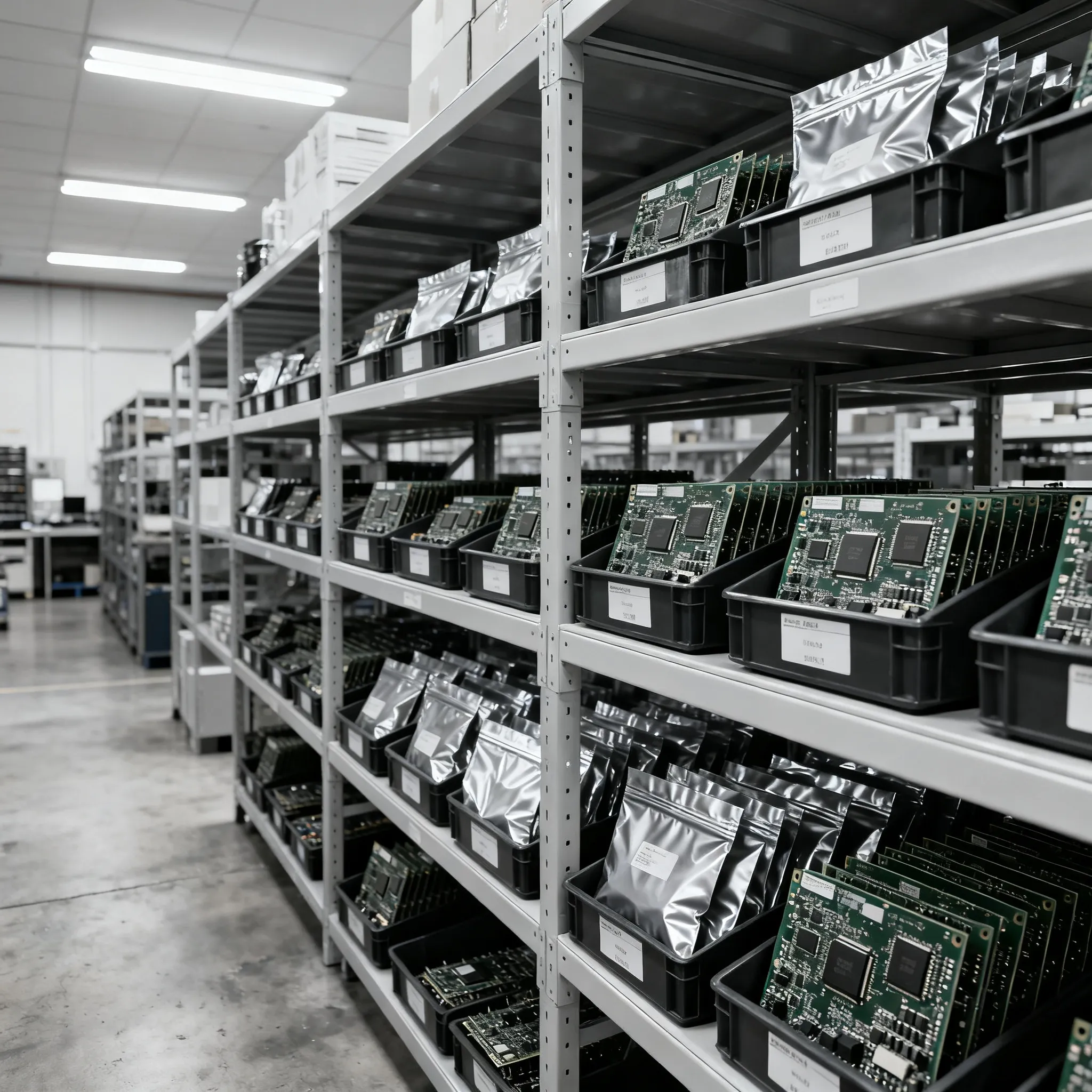
The Rising Cost of Staying Silent on Counterfeit Components
You open a reel of microcontrollers for a production run that's already behind schedule. The laser marking looks slightly off — maybe the font weight on the date code, maybe the finish on the package itself. Your gut says something is wrong. But the line is waiting, the supplier has always been reliable, and filing a report means paperwork, delays, and uncomfortable conversations. You push the parts through. Six months later, field returns start climbing and your customer's quality team finds the root cause: counterfeit silicon that passes initial functional test but degrades rapidly under thermal cycling.
This scenario plays out more often than the industry admits. The counterfeit electronics market has evolved well beyond crude remarked e-waste. According to TechBullion's 2025 analysis of the counterfeit components landscape, the financial damage extends far beyond the purchase price of a bad lot — it compounds through rework labor, line downtime, customer penalties, and long-term brand erosion that no supplier credit can repair TechBullion, 2025. The report notes that organizations with mature counterfeit response protocols — including systematic ERAI participation — recover faster and experience fewer repeat incidents than those relying on informal supplier negotiations alone.
ERAI maintains the world's largest searchable database of counterfeit and nonconforming electronic parts, with contributor networks spanning military, aerospace, medical, and industrial OEMs ERAI, Counterfeit Electronics Database. When you spot a suspect component and choose to report it, you are not just documenting one bad lot — you are feeding a global intelligence system that helps other engineers and buyers avoid the same trap. The cost of staying silent is measured in someone else's production line stoppage next quarter. The ERAI blog on counterfeit part reporting puts it bluntly: unreported counterfeits recirculate, often through different brokers, until someone finally flags them ERAI Blog, Counterfeit Part Reporting.
Key Takeaway: Every unreported suspect component is a liability that will resurface somewhere in the supply chain. The question is not whether reporting costs you time — it's whether not reporting costs you a customer, a certification, or a recall.
How an ERAI Report Moves from Your Bench to the Global Database
The reporting process is designed to be practical for working engineers and quality managers, not just compliance officers. You do not need to prove beyond all doubt that a part is counterfeit before submitting — the ERAI system accepts reports on suspect components, nonconforming parts, and verified counterfeits alike. The threshold is reasonable suspicion backed by evidence, which means your initial visual inspection findings, basic electrical test anomalies, or supplier documentation inconsistencies are enough to begin.
When you submit through the ERAI Counterfeit Part Reporting portal, your report enters a structured workflow. First, the ERAI team reviews the submitted evidence for completeness and internal consistency. They cross-reference the part number, date codes, lot codes, and supplier details against existing database entries. Reports that correlate with previously flagged suppliers or part families receive priority processing. Verified entries are then published to the searchable high-risk and suspect counterfeit parts database, where members across the industry can access them before making purchasing decisions.
ERAI's enhanced data offering, introduced to improve member visibility, now includes component type classification and a cross-referencing section that links current reports to historical alerts for similar parts ERAI, Enhanced High Risk and Suspect Counterfeit Parts Data. This means a report you file on a suspect ADI op-amp today may automatically appear alongside three related alerts from unrelated companies who encountered the same part number from different suppliers — creating a pattern that no single organization could detect on its own.
Below is a summary of the key report fields and what ERAI reviewers look for in each:
| Report Field | What to Provide | Reviewer Validation Criteria |
|---|---|---|
| Part Number | Full manufacturer part number as marked on the component | Cross-checked against manufacturer OPN formats; deviations flagged |
| Manufacturer | Original component manufacturer name | Verified against trademark and logo databases |
| Date Code / Lot Code | All marking codes visible on the package | Checked for format inconsistencies, future dates, or known reused codes |
| Supplier Information | Name of the distributor, broker, or vendor who supplied the parts | Cross-referenced with existing ERAI supplier risk records |
| Nonconformance Description | Detailed narrative of what makes the part suspect | Evaluated for specificity; vague descriptions slow verification |
| Evidence Attachments | High-resolution photos, X-ray images, test reports, packing slips | Assessed for clarity, resolution, and relevance to the claim |
| Quantity Affected | Number of suspect parts received and tested | Used to gauge incident scale and potential supply chain exposure |
| Purchase Order Reference | PO number, invoice, or order confirmation | Helps trace the transaction chain for pattern analysis |
Tip: Even if you do not have all fields completed, submit what you have. A partial report with clear photos and a specific nonconformance description is far more valuable than a perfectly complete report filed two months late. The ERAI review team may request additional documentation, but the clock starts when you submit — and early alerts prevent downstream purchases.
The database is searchable by part number, manufacturer, supplier, and alert category ERAI, Searchable Database. When your report is published, procurement teams at member organizations running pre-purchase screening queries will see the alert and can avoid the compromised supplier or verify the part before committing to a purchase order.
ERAI, In-House Logs, or Supplier Feedback: Which Reporting Path Protects You Best?
When you find a suspect component, you have at least three reporting paths available. Each serves a different purpose, and experienced quality managers typically use all three in sequence — but the order matters. Filing an internal nonconformance report and returning parts to the supplier without notifying ERAI may resolve your immediate shortage, but it leaves the broader supply chain blind. Likewise, a quiet conversation with the supplier's sales rep may get you a refund without ever flagging the part in any searchable database.
The TechBullion 2025 analysis emphasizes that reporting maturity — measured by ERAI participation, incident history documentation, and responsiveness — is a key differentiator between organizations that contain counterfeit incidents quickly and those that face recurring problems TechBullion, 2025. Companies that treat counterfeit detection as a purely internal quality issue, without contributing to industry databases, operate at an information disadvantage: they receive no alerts from peers and cannot anticipate threats before they reach incoming inspection.
The comparison below maps the three paths against criteria that matter to electronics engineers and procurement buyers:
| Comparison Metric | Formal ERAI Submission | In-House Quality Log | Informal Supplier Feedback |
|---|---|---|---|
| Industry Visibility | Global — searchable by all ERAI members | Internal only — no external visibility | Limited to one supplier relationship |
| Data Sharing | Structured, cross-referenced, linked to historical alerts | Unstructured; may not be queryable across sites | No structured sharing; relies on supplier goodwill |
| Pattern Detection | Automated — cross-referencing with global database | Manual — requires internal data mining effort | None — supplier may not aggregate across customers |
| Speed of Alert | Typically within a few business days after verification | Instant internally, but no external propagation | Instant for the supplier, but no third-party validation |
| AS5553 / AS6081 Support | Directly supports counterfeit parts control plan requirements | Supports internal audit trails but not external reporting obligations | Minimal — no auditable trail for certification bodies |
| Anonymity Option | Available — reporter identity can be withheld | N/A — internal system | Depends on relationship; typically not anonymous |
| Recourse Leverage | Supplier reputation impact creates incentive for corrective action | Limited to internal supplier scorecards | Depends entirely on supplier's responsiveness |
In practice, the strongest counterfeit mitigation strategy layers all three. You log the incident internally for your own traceability, file the ERAI report to protect the industry and strengthen your own pre-screening intelligence, and then engage the supplier with the ERAI report reference as leverage. The ERAI database also serves as a supplier due diligence check: before onboarding a new distributor, procurement teams can search for any reports associated with that vendor's name ERAI, Counterfeit Part Reporting.
Note: Informal supplier feedback alone is not sufficient for organizations subject to DFARS or AS9100 requirements. Auditors increasingly expect evidence of participation in industry-recognized reporting systems, and ERAI is the most frequently cited database in counterfeit parts control plans.
Making Your ERAI Report Actionable: Data, Photos, and Context
A report that says "the part looks suspicious" without supporting evidence will not survive ERAI's verification process — and it does not help the next engineer who encounters the same component. The difference between a report that drives action and one that sits in limbo comes down to the quality of the evidence you attach and the specificity of your nonconformance description.
The CALCE screening guide for counterfeit electronic parts, hosted on ERAI's website, provides a methodical framework for evidence collection that maps directly to what ERAI reviewers need CALCE, Screening for Counterfeit Electronic Parts. The guide emphasizes visual inspection parameters — part number format, package dimensions, pin count, marking consistency — that you can document with standard bench tools before escalating to more expensive techniques like X-ray or decapsulation. The key is to capture evidence systematically, not to wait for a definitive forensic conclusion.
Below are the evidence categories that make a report actionable, along with practical guidance for each:
| Evidence Category | What to Capture | Common Pitfall |
|---|---|---|
| Package Markings | High-resolution macro photos of top-side markings, pin-1 indicator, and any secondary markings on the bottom or sides. Include a known-good reference photo if available. | Blurry photos taken under poor lighting; missing the scale reference that helps ERAI reviewers assess marking size and placement. |
| Date Code / Lot Code | All alphanumeric codes on the package, including any factory-specific traceability markings. Cross-reference with the manufacturer's date code format specification. | Assuming the date code is valid without checking the manufacturer's published format — some counterfeits carry codes that decode to future dates or invalid factory locations. |
| X-ray / Internal Inspection | X-ray images showing die attach, wire bonds, and lead frame. Compare with a known-good sample — differences in die size, bond wire count, or lead frame geometry are strong counterfeit indicators. | Submitting X-ray images without a known-good comparison; ERAI reviewers can interpret anomalies but need context on what the authentic part should look like. |
| Decapsulation / Die Markings | Post-decapsulation die photos showing manufacturer logos, die revision codes, and any top-layer metal markings. Document the die dimensions if possible. | Performing decapsulation without proper safety equipment or documentation of the process — the method matters for verification. |
| Electrical Test Results | Curve trace data, parametric measurements, or functional test logs that deviate from the datasheet or from a known-good reference part. | Reporting a part as counterfeit based solely on electrical failure without ruling out ESD damage or handling issues during test. |
| Packaging and Documentation | Photos of the outer packaging, labels, moisture barrier bags, and any accompanying certificates of conformance or test reports. Check for spelling errors, inconsistent logos, or formatting anomalies. | Discarding packaging before documenting it — the outer label often contains the first clues about remarking or relabeling. |
| Supplier Communication | Copies of purchase orders, invoices, and any email correspondence with the supplier about the suspect parts. Include the supplier's response if they have already been contacted. | Withholding supplier details to avoid confrontation — ERAI reports are far more valuable when the supplier trail is documented. |
Tip: Before you submit, write the nonconformance description as if you are explaining the problem to a colleague who has never seen the part. Avoid vague language like "marking looks unusual" — instead, specify "the manufacturer logo on the suspect part measures 3.2 mm wide versus 4.0 mm on the known-good reference, and the pin-1 dimple is missing." This level of detail allows ERAI reviewers to validate your findings and gives downstream users actionable comparison criteria.
The CALCE guide also notes that visual inspection alone can identify roughly 70–80% of counterfeit components when performed methodically — but only if the inspector has access to known-good reference material and manufacturer datasheet specifications CALCE, Screening Guide. For the remaining cases, X-ray and decapsulation provide the definitive evidence that transforms a "suspect" report into a confirmed counterfeit alert.
ERAI Reporting: Questions Engineers and Buyers Ask
After years of working with quality teams and procurement departments, certain questions about ERAI reporting come up repeatedly. The answers below are grounded in the platform's current functionality and the practical experience of engineers who have filed reports that led to counterfeit alerts.
Q: When should I report a suspect part to ERAI instead of just returning it to the supplier?
Report as soon as you have reasonable evidence of counterfeiting or nonconformance — even if the supplier has already accepted a return and issued a credit. Returning parts without reporting allows the supplier to resell them to another buyer, potentially through a different channel. Early reporting to ERAI helps protect the broader supply chain and may reveal patterns that connect your incident to other reports involving the same part number or supplier ERAI Blog, Counterfeit Electronic Parts. The supplier's willingness to accept a return does not mean the threat is contained — it means the parts are back in circulation.
Q: Can I submit a report anonymously, and will my company name be visible?
Yes, ERAI allows confidential reporting. You can choose to withhold your company identity from the published report while still contributing critical data to the database. The ERAI review team verifies the report internally, but the published alert does not need to include your organization's name. This is particularly important for smaller companies that may fear supplier retaliation or for engineers working in organizations where external reporting requires multiple layers of management approval. The data you provide — part numbers, date codes, supplier details, and evidence — remains fully searchable regardless of your anonymity choice ERAI, Counterfeit Part Reporting.
Q: How does ERAI verify the information before adding it to the high-risk database?
ERAI reviews submitted evidence for internal consistency, cross-references the part number and supplier details with existing reports in the database, and may request additional documentation if the initial submission is insufficient to support a publication decision. The verification process is not a forensic lab analysis — ERAI does not physically test your parts — but rather a structured review of the documentation and evidence you provide. When your report correlates with other reports involving the same supplier or similar part characteristics, the verification moves faster because the pattern is already established. Verified reports are then published to alert members ERAI, Enhanced High Risk Data.
Q: Does filing an ERAI report help satisfy AS5553 or AS6081 requirements?
Yes, and this is one of the most important reasons to establish a formal ERAI reporting process within your quality management system. Both AS5553 (Counterfeit Electronic Parts; Avoidance, Detection, Mitigation, and Disposition) and AS6081 (Fraudulent/Counterfeit Electronic Parts: Avoidance, Detection, Mitigation, and Disposition — Distributors) require organizations to maintain a counterfeit parts control plan that includes external reporting to an industry-recognized database. Filing reports with ERAI — the most widely referenced database in these standards — provides auditable evidence that your organization is meeting its external reporting obligations. The report reference number, date of submission, and outcome can be documented in your corrective action records and presented during certification audits ERAI, Counterfeit Electronics Database.
Q: How quickly will my report appear and be searchable by other organizations?
After ERAI completes its verification review, reports typically appear in the searchable database within a few business days. The exact timing depends on the complexity of the report, the completeness of the evidence provided, and whether the part or supplier has existing records that speed up cross-referencing. ERAI's enhanced high-risk data offering now includes cross-referenced alerts for similar parts, meaning that once your report is published, members searching for related part numbers will see your alert alongside historical data — accelerating the detection of broader counterfeiting patterns ERAI, Enhanced Data Blog. If your situation is urgent — for example, you have identified a confirmed counterfeit in a production line — note this in your submission and ERAI may prioritize the review.
Q: What if I am not 100% sure the part is counterfeit — can I still report?
Absolutely. The ERAI database accepts reports on suspect parts, not just confirmed counterfeits. The reporting categories include "Suspect Counterfeit" and "Nonconforming" alongside "Confirmed Counterfeit." If you have reasonable suspicion based on visual inspection, electrical anomalies, or documentation discrepancies, file the report. The ERAI review process will evaluate the evidence, and the published alert will reflect the appropriate classification. Waiting for 100% certainty often means the parts have already been used or resold before the report is filed ERAI Blog, Counterfeit Part Reporting.
When you spot a suspect component, the window for effective action is narrow. The parts may already be in your inventory, on your production line, or in products shipped to customers. Filing an ERAI report is not an admission of failure — it is a demonstration of supply chain maturity and a contribution to an industry-wide defense network that becomes stronger with every verified submission. For engineers and procurement buyers navigating mixed BOMs, tight lead times, and fragmented supplier networks, IC-Online provides access to authorized distribution channels and flexible MOQ options that help reduce exposure to suspect components from the sourcing stage. Combining proactive sourcing discipline with systematic ERAI reporting creates a defense-in-depth approach that protects your production, your customers, and the broader electronics supply chain.
References & Further Reading
Related Articles
 Blog
BlogWhich DVI Adapter Type Fits Your Device?
Choose the correct dvi adapter types by matching the signal type and connector shape. Check pins for analog, digital, or integrated ports before buying.
 Blog
BlogBOM Line Risk Review Before Production Release: A Procurement and RFQ Checklist
BOM and RFQ best practices for electronic component procurement. Upload your BOM or request a quote for mixed lines and flexible MOQ.
 Blog
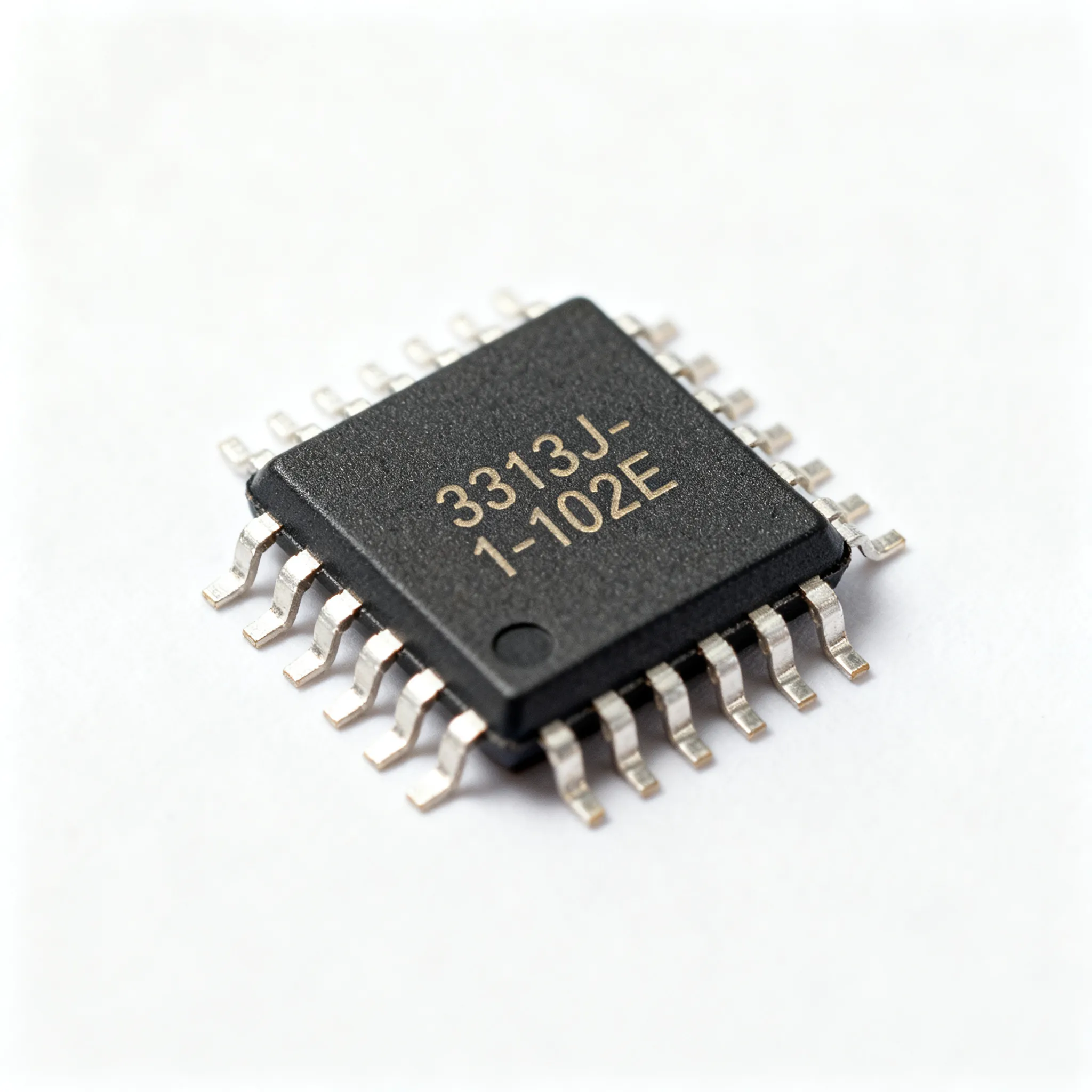
Blog3313J-1-102E Datasheet, Pinout, and Specs for Engineers
3313J-1-102E datasheet essentials, pinout overview, key specs, and design/sourcing checks for engineers and buyers. Request a quote on IC-Online.
 Blog
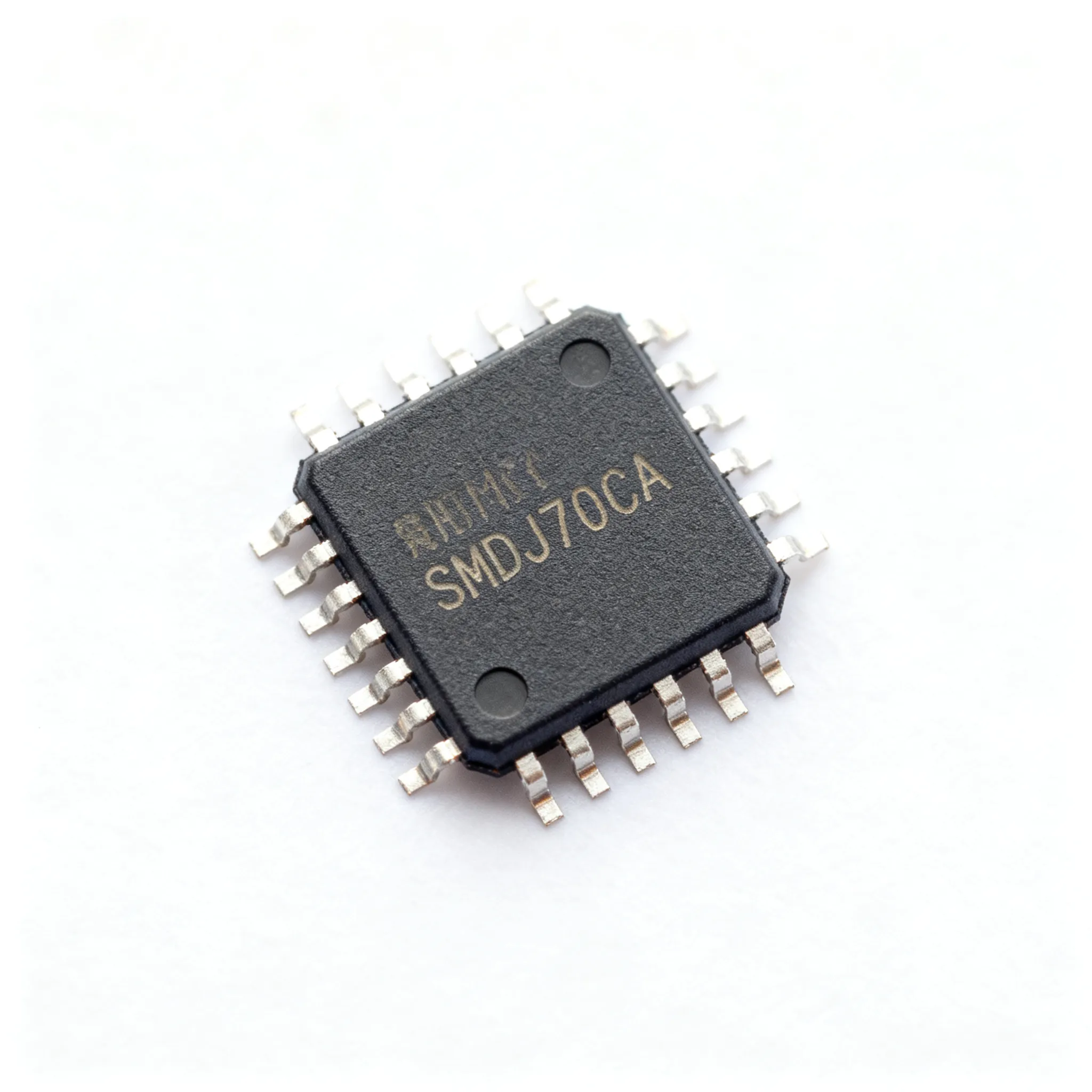
BlogSMDJ70CA Supply Risk Assessment: What to Ask Before You Buy
Assess SMDJ70CA sourcing risks before you buy. RFQ questions on traceability, date codes, testing, alternatives, and supply continuity for procurement teams.
 Blog
BlogCapacitance ESR Explained for Electronic Operation
Capacitance ESR is the internal resistance in capacitors that causes energy loss, heat, and voltage ripple. Learn how it impacts circuit performance and how to manage it.
 Blog
BlogTC33X2104E Obsolescence Risk Checklist: Verify Lifecycle & Sourcing Risks
TC33X2104E lifecycle and obsolescence risk checklist. What to verify before redesign or last-time-buy — without assuming drop-in replacements.