FDV301N: A 2026 Market Outlook and Buying Guide for Engineers
Expert guide on FDV301N: A 2026 Market Outlook and Buying Guide for Engineers. Technical specs, applications, sourcing tips for engineers and buyers.
Challenges in Sourcing the FDV301N Amid Supply Chain Disruptions
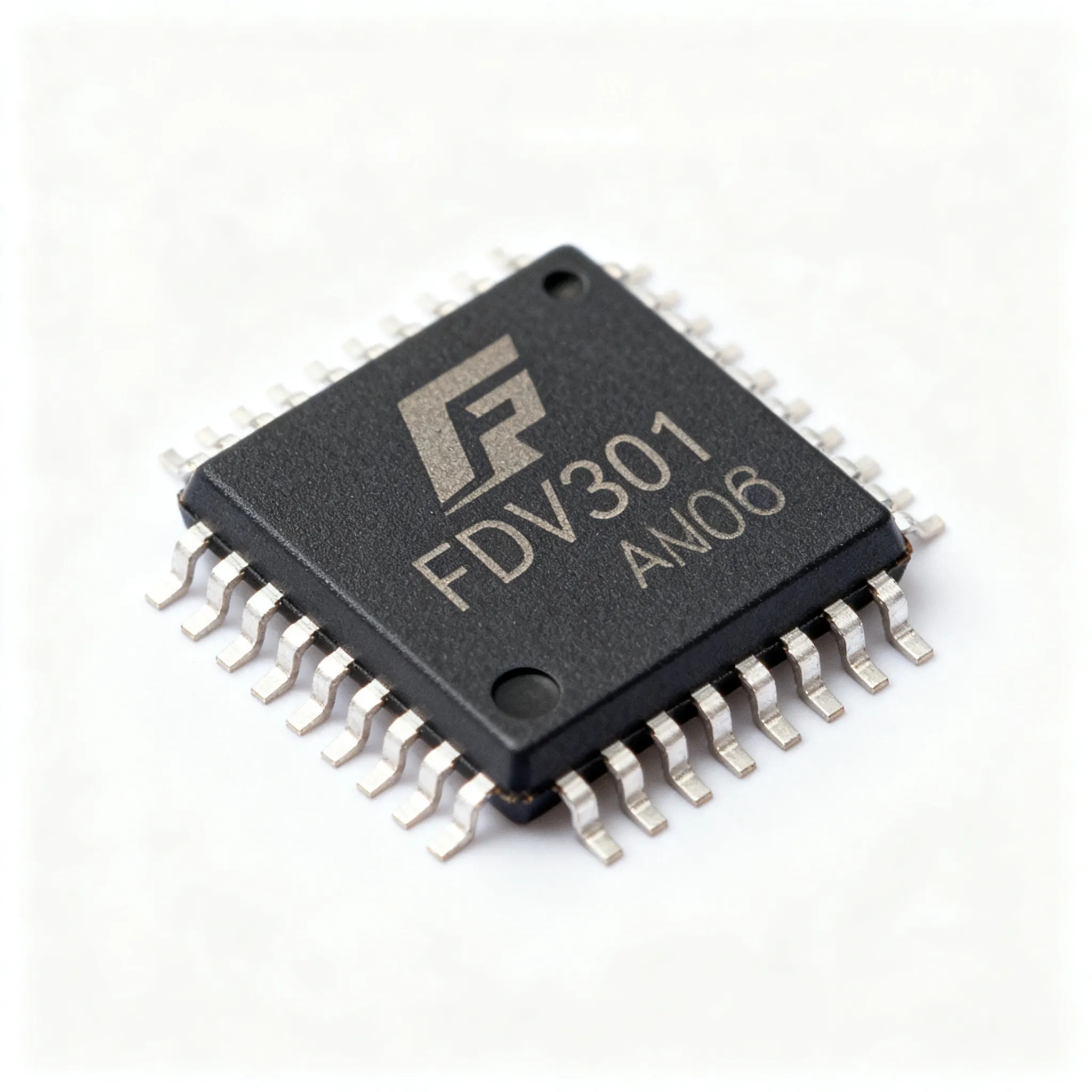
The FDV301N, a popular N-channel MOSFET from onsemi, has faced significant supply chain challenges over the past year. As market demand for low-voltage power management solutions has surged, lead times for this component have extended dramatically. According to a report from Farnell, market demand has led to longer lead times for the FDV301N, which could potentially impact project timelines for engineers and procurement teams [Farnell].
Supply chain disruptions are not solely due to increased demand. Geopolitical tensions and logistical issues have also played a role. For instance, global semiconductor shortages have been exacerbated by these factors, affecting the availability of components like the FDV301N. Engineers and procurement teams must navigate these challenges by adopting strategic procurement practices. Establishing relationships with multiple distributors and considering bulk purchasing agreements can help secure a steady supply of this critical component.
Understanding the Technical Specifications and Applications of FDV301N
The FDV301N is highly valued for its compact size and efficient operation, making it ideal for various applications in electronics. It is particularly suitable for low-voltage and power management applications, which are critical in consumer electronics. Understanding its specifications is crucial for optimal application and compliance with industry standards.
Technical Specifications of FDV301N
| Parameter | Value/Range | Unit/Notes |
|---|---|---|
| Drain-Source Voltage (VDS) | 25 | V |
| Continuous Drain Current (ID) | 220 | mA |
| On-Resistance (RDS(on)) | 3.1 | Ohm |
| Gate Threshold Voltage (VGS(th)) | 0.8 - 2.0 | V |
| Power Dissipation (PD) | 350 | mW |
| Package Type | SOT-23 | Surface Mount |
| Operating Temperature Range | -55 to 150 | °C |
| Input Capacitance (Ciss) | 30 | pF |
Key Takeaways
The FDV301N is designed for efficiency and reliability in low-voltage applications. Its small SOT-23 package makes it ideal for space-constrained designs, while its operational parameters support use in power management circuits. Engineers should note the gate threshold voltage and on-resistance values, as these will influence circuit design and performance. Proper thermal management must be considered due to the power dissipation characteristics of the component.
Applications and Compliance Considerations
| Application | Details | Compliance Standards |
|---|---|---|
| Consumer Electronics | Used in power management | IEC 62368-1 |
| Telecommunications | Power regulation | UL 60950-1 |
| Industrial Automation | Control systems | RoHS |
| Automotive | Low-voltage systems | AEC-Q100 |
| IoT Devices | Battery management | IPC-A-610 |
| Renewable Energy | Solar inverters | JEDEC |
Design Considerations
The FDV301N is versatile across various applications, but designers must ensure compliance with relevant standards such as IEC and UL for safety and environmental considerations. Its use in automotive and industrial applications requires adherence to AEC-Q100 and RoHS regulations, respectively. Engineers should also evaluate the thermal performance in high-power applications to prevent overheating and ensure longevity.
Evaluating Alternatives: FDV301N vs Competing MOSFETs
When considering alternatives to the FDV301N, engineers must evaluate other components based on their specific needs. Two notable alternatives are the FDV301N-F169 and FDV303N. Understanding the differences in specifications and performance can aid in selecting the most suitable component for a given application.
Comparison Table: FDV301N vs Alternatives
| Comparison Metric | FDV301N | FDV301N-F169 | FDV303N | Selection Criteria & Failure Boundary |
|---|---|---|---|---|
| Drain-Source Voltage (VDS) | 25 V | 25 V | 30 V | Higher VDS for high-voltage applications |
| Continuous Drain Current (ID) | 220 mA | 200 mA | 300 mA | Higher ID for more current-demanding circuits |
| On-Resistance (RDS(on)) | 3.1 Ohm | 3.5 Ohm | 2.8 Ohm | Lower RDS(on) for reduced power loss |
| Package Type | SOT-23 | SOT-23 | SOT-23 | Consistent package for easy integration |
| Power Dissipation (PD) | 350 mW | 300 mW | 400 mW | Consider higher PD for thermal management |
Practical Implications
When selecting between the FDV301N, FDV301N-F169, and FDV303N, engineers should consider the specific requirements of their application. The FDV303N offers higher current and power dissipation capabilities, making it suitable for more demanding applications. Conversely, the FDV301N provides a balanced performance for typical low-power applications. It's crucial to assess the trade-offs between on-resistance, current capacity, and voltage ratings to ensure the selected component meets the design criteria effectively.
Regulatory Standards and Risk Management for FDV301N Procurement
Procurement of the FDV301N involves navigating various regulatory standards and implementing risk management strategies to ensure a reliable supply chain. Compliance with standards such as IPC-A-610, AEC-Q100, and JEDEC is essential for ensuring quality and reliability in electronic components.
Compliance and Risk Management
| Standard | Description | Application |
|---|---|---|
| IPC-A-610 | Acceptability of Electronic Assemblies | Visual inspection criteria |
| AEC-Q100 | Stress Test Qualification for ICs | Automotive applications |
| JEDEC | Microelectronics Industry Standards | Semiconductor compliance |
| ERAI Traceability | Counterfeit Risk Mitigation | Supply chain transparency |
| RoHS | Restriction of Hazardous Substances | Environmental compliance |
| UL Standards | Safety Standards for Electronics | Consumer electronics |
Design Considerations
Compliance with these standards not only ensures the quality and safety of the FDV301N but also mitigates risks associated with procurement. By adhering to ERAI traceability standards, procurement teams can reduce the risk of counterfeit components entering the supply chain. Additionally, meeting RoHS requirements is crucial for environmental compliance, particularly for products intended for the European market. Engineers and procurement leads should stay informed about updates to these standards to maintain compliance and reduce potential liabilities.
Essential Considerations for Engineers When Purchasing FDV301N
Engineers and procurement leads often have specific questions when it comes to purchasing the FDV301N. Addressing these queries can help streamline the procurement process and ensure that the component meets project requirements.
- Q: What are the current lead times for the FDV301N, and how can I secure a reliable supply?
- Q: How does the FDV301N compare to its alternatives in terms of performance?
- Q: What are the most common applications for the FDV301N in electronics?
- Q: What compliance standards should I be aware of when using the FDV301N?
- Q: What procurement strategies can mitigate risks associated with sourcing FDV301N?
A: Due to increased demand, lead times for the FDV301N have extended. Consider bulk purchasing and establishing contracts with distributors to secure a reliable supply.
A: The FDV301N offers competitive specifications; however, alternatives may provide different performance metrics suitable for specific applications.
A: The FDV301N is commonly used in low voltage and power management applications, particularly in consumer electronics.
A: Ensure compliance with IEC and UL standards relevant to power MOSFETs; also consider environmental regulations like RoHS.
A: Utilizing multiple suppliers and exploring long-term contracts can help mitigate supply chain risks.
References & Further Reading
- Farnell - FDV301N Product Page
- Octopart - FDV301N Pricing and Availability
- Lisleapex - FDV301N Specification Comparison
- Ovaga Technologies - FDV301N Comparison
- Components101 - FDV301N Datasheet
- Datasheets.com - FDV301N Technical Specs
- AllDatasheet - FDV301N Datasheet
- All About Circuits - FDV301N Datasheet
For more information on purchasing strategies and mixed BOM solutions, visit IC-Online.