How Actuators Function and What They Mean
An actuator is a device that takes energy and turns it into motion or force. You see actuators every day, working
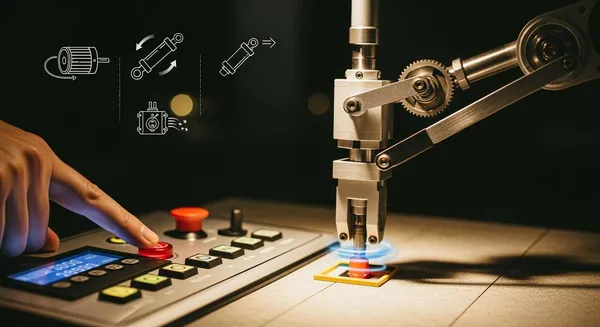
An actuator is a device that takes energy and turns it into motion or force. You see actuators every day, working quietly behind the scenes to make machines move or control parts of a system. Understanding the meaning of actuators helps you recognize how technology responds to your commands. Many devices use different actuator types. Here is a simple table:
| Type | Description |
|---|---|
| Electric | Uses electric motors to generate motion. |
| Hydraulic | Relies on pressurized hydraulic fluids to create force. |
| Pneumatic | Utilizes compressed air or gas to produce movement. |
Key Takeaways
- Actuators are devices that convert energy into motion or force, making machines respond to commands.
- Different types of actuators, like electric, hydraulic, and pneumatic, use various energy sources to perform specific tasks.
- Understanding actuators helps you appreciate how technology works in everyday devices, from cars to home automation.
- Choosing the right actuator is crucial for efficiency and performance in applications like manufacturing and robotics.
- Actuators drive innovation and automation, improving safety, comfort, and efficiency across many industries.
Meaning of Actuators
What Is an Actuator
You can think of an actuator as the muscle of any machine or system. It takes energy and turns it into movement or force. In engineering, an actuator connects the control part of a system to the part that actually does the work. This means it receives a signal, then creates motion or applies force to make something happen. The meaning of actuators centers on this ability to convert energy—like electricity, air, or fluid—into mechanical action. For example, when you press a button to open a car window, an actuator inside the door moves the glass up or down.
Actuators stand out from other machine parts because they do not just move things—they respond to commands and provide precise control. You will find different types, such as electric, hydraulic, and pneumatic actuators. Each type uses a different energy source, but all share the same goal: turning energy into controlled movement.
Role in Systems
Actuators play a key role in almost every automated system you use or see. They move, control, or position parts within machines. You can find them in industries like solar energy, construction, and manufacturing. For example, in a solar panel system, actuators adjust the angle of the panels to follow the sun, which increases energy collection. In factories, actuators help robotic arms pick up and place objects with accuracy.
- Actuators convert energy into movement, which is essential for automation in industrial settings.
- They help maintain efficiency, precision, and safety across sectors such as manufacturing, energy, and chemical processing.
- Understanding the meaning of actuators helps you see why they are so important for making machines work smoothly.
Electric actuators, for instance, give real-time feedback about their position and speed. This information helps you spot problems early and keep systems running safely. By choosing the right actuator, you can make sure your machines perform well and adapt to new tasks.
Significance
The meaning of actuators goes beyond simple movement. They enable you to control machines with accuracy and reliability. In modern technology, actuators are essential for many reasons:
- They drive efficiency, precision, and scalability in manufacturing and processing environments.
- Actuators ensure that industrial processes stay consistent and can adapt to changing needs.
- They make the operation of automated equipment seamless and efficient.
You will also find actuators in fields like aerospace, medicine, and automotive technology. In aerospace, actuators meet strict safety and performance standards. In medical devices, they provide the precision needed for safe procedures. In cars, actuators improve safety, comfort, and energy use.
When you understand the meaning of actuators, you gain insight into how technology responds to your commands and adapts to new challenges. Actuators make automation possible, helping machines work smarter and more efficiently in every part of your life.
How Actuators Work
Energy Conversion
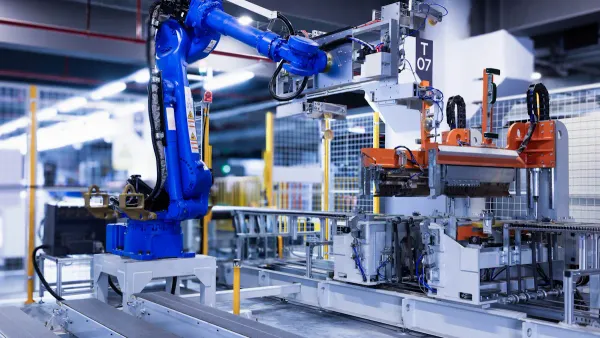
Actuators rely on energy sources to produce motion. You often see electrical energy used, but pneumatic energy (air), hydraulic energy (oil pressure), magnetic force, steam, and heat also drive actuators. The principle is simple: the actuator takes this energy and transforms it into mechanical motion. For example, an electric actuator uses electricity to spin a motor, while a hydraulic actuator uses pressurized oil to push or pull a piston. Each energy source affects how the actuator performs and what tasks it can handle.
Understanding the efficiency of energy conversion helps you select the right actuator. Efficiency measures how well the actuator turns input energy into useful motion. Factors like friction, heat, and mechanical resistance can lower efficiency. Engineers use parameters such as power required, power density, and conversion interface mass to evaluate actuator performance.
| Parameter | Description |
|---|---|
| Power Required (P') | The power needed by the actuator system. |
| Power Density (Power/kg) act | The power density of the actuator, used to determine mass. |
| Efficiency (η) | Calculated as power output divided by power input, indicating how effectively energy is converted. |
| Conversion Interface Mass | Derived from dividing input power by the power density of the converter. |
Motion and Force
Actuators generate two main types of motion: rotary and linear. You use linear actuators for tasks like lifting, pushing, or positioning objects. Rotary actuators provide circular motion, which is ideal for turning valves or mixing materials. The internal gearbox of a linear actuator can change its speed and force. If the gearbox reduces output speed, the actuator can deliver more thrust. Control systems and feedback mechanisms help you achieve accurate and precise movement.
| Type of Actuator | Motion Type | Description |
|---|---|---|
| Linear Actuator | Linear | Generates motion along a straight line, used for pushing, pulling, lifting, etc. |
| Rotary Actuator | Rotary | Provides rotational motion, ideal for turning, clamping, mixing, etc. |
- Linear actuators move objects in a straight line.
- Rotary actuators turn or spin components.
Operation
You start the operation of an actuator by providing an energy source and an external signal. The actuator receives these inputs and converts the energy into mechanical motion. You can control the speed and direction using control systems, which process signals and adjust movement. Feedback mechanisms monitor position and performance, allowing real-time adjustments.
Selecting the right actuator type is crucial for optimal performance. You must consider load capacity, stroke length, travel speed, duty cycle, environmental conditions, and position accuracy. Each factor affects reliability and efficiency.
In advanced semiconductor systems, actuators play a vital role in chip-level automation and precision control. Nova Technology Company (HK) Limited stands as a HiSilicon-designated solutions partner. You benefit from their expertise in integrated circuit design, system integration, and actuator applications for smart devices, industrial automation, and robotics. Their chip-level solutions ensure reliable actuator operation in demanding environments.
The meaning of actuators becomes clear when you see how they convert energy into motion, control force, and operate reliably in complex systems. You interact with actuators every day, whether you realize it or not.
Types of Actuators
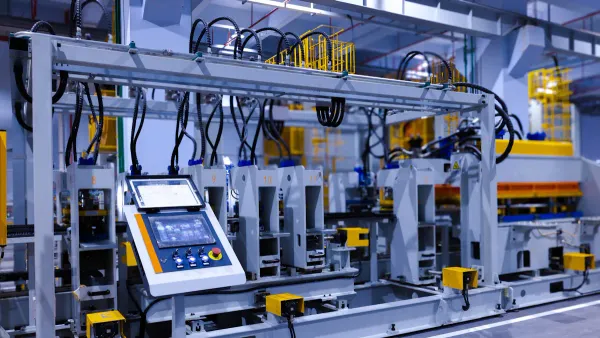
Actuators come in several types. Each type uses a different energy source and fits specific tasks. You can see the most common actuator types and their industrial uses in the table below:
| Actuator Type | Description | Industrial Applications |
|---|---|---|
| Electric Actuators | Use electrical energy for motion; ideal for precision control. | Valve automation, conveyor systems, robotics. |
| Pneumatic Actuators | Operate using compressed air; known for fast response. | Automated doors, process control valves, high-speed packaging. |
| Hydraulic Actuators | Use pressurized fluid for heavy-duty applications. | Heavy machinery, lifting mechanisms, press operations. |
| Mechanical Actuators | Rely on gears or levers; useful in low-tech applications. | Manual overrides, basic positioning, emergency shutoff. |
| Thermal Actuators | Use temperature changes for movement. | HVAC systems, temperature-sensitive devices, lab automation. |
Electric
Electric actuators use electricity to create movement. You find them in robotics, conveyor systems, and automated valves. These actuators give you precise control and quick response. When you select an electric actuator, you should check several features:
- Load capacity
- Speed
- Stroke length
- Force
- Precision
- Environmental factors
- Power supply compatibility
- Noise level
- Control options
Electric actuators work best when you need accuracy and repeatability. You measure their efficiency by dividing the mechanical power output by the electrical power input. This helps you understand how much energy turns into useful work.
In the semiconductor industry, electric actuators play a key role in chip-level automation and system integration. Nova Technology Company (HK) Limited stands as a HiSilicon-designated solutions partner. The company provides advanced integrated circuit solutions for smart devices, industrial automation, and robotics. You benefit from their expertise in actuator control, system reliability, and high-precision applications.
Hydraulic
Hydraulic actuators use pressurized fluid to move heavy loads. You see them in diggers, dump trucks, forklift trucks, and tractors. These actuators deliver very high force, which makes them perfect for heavy-duty tasks. Hydraulic actuators can handle tough environments, but they may lose efficiency in extreme climates due to fluid viscosity. They can also be noisy and may leak oil.
| Aspect | Hydraulic Actuators | Pneumatic Actuators |
|---|---|---|
| Force Capability | Extremely high forces achievable | Less powerful than hydraulic systems |
| Control Precision | Very little precision control | Generally better control precision |
| Efficiency in Varying Climates | Inefficient due to fluid viscosity issues | More efficient in varying climates |
| Noise Level | Can be very noisy | Typically quieter than hydraulic systems |
| Leakage Risk | Potential for fluid leakage | Less risk of leakage |
Pneumatic
Pneumatic actuators use compressed air to create motion. You find them in automated doors, packaging machines, and process control valves. These actuators move quickly and operate with little noise. Pneumatic actuators offer several advantages:
- High speed
- Fairly high forces
- Low sound levels
- Long strokes
- High cycle reliability
- Compact size
You need compressors and filters to run pneumatic actuators. Maintenance usually involves checking for air leaks and keeping the system clean. Pneumatic actuators work well in environments where electric systems are not practical.
Mechanical
Mechanical actuators use gears, levers, or cams to produce movement. You see them in manual overrides, emergency shutoff systems, and basic positioning tasks. These actuators do not need electricity or fluid power. They are simple, reliable, and easy to maintain. Mechanical actuators fit best in low-tech or backup systems.
You can choose the right actuator by matching its features to your application. Each type offers unique benefits for different tasks.
Actuator Applications
Home Devices
You interact with actuators every day in your home. These small devices make life easier by automating simple tasks. For example, actuators help with:
- Opening and closing windows automatically
- Adjusting blinds to control sunlight
- Operating home entertainment systems, such as moving TV screens or speakers
You benefit from these features because they add comfort and convenience to your daily routine. Smart homes rely on actuators to respond quickly to your commands.
Automotive
Modern vehicles use actuators to improve safety, comfort, and performance. You can see how actuators work in different automotive systems:
| Automotive System | Function of Actuators | Benefits |
|---|---|---|
| Engine and Transmission | Manage throttle control, fuel injection, and gear shifting | Ensures optimal engine performance, fuel efficiency, and smooth gear transitions. |
| Suspension Systems | Adjust ride height, damping, and stiffness | Improves handling, comfort, and safety by adapting to road conditions in real-time. |
| Steering Systems | Assist in turning the vehicle, reducing steering effort | Enhances responsiveness and fuel efficiency with variable steering assistance. |
| Climate Control Systems | Regulate airflow, temperature, and humidity in the cabin | Maintains a comfortable environment for occupants by controlling fans and vents. |
You experience smoother rides, better fuel economy, and safer driving because of these actuator-driven systems.
Industry
Factories and industrial plants depend on actuators for automation. You see actuators move, control, and position machines in sectors like solar energy, military, and construction. Electric actuators convert electrical energy into mechanical force, allowing automated equipment to perform tasks that once required human effort. This technology keeps production lines running smoothly and increases efficiency.
Nova Technology Company (HK) Limited serves as a HiSilicon-designated solutions partner. The company specializes in chip-level solutions and system integration for industrial automation, smart devices, and robotics. You gain reliable actuator performance and advanced control through their expertise in integrated circuit design.
Robotics
Robots rely on actuators for precise movement and control. You find actuators in manufacturing processes, where they help robots assemble parts, handle materials, and perform repetitive tasks with accuracy. Linear actuators move robot arms and grippers for welding, painting, and transferring materials. These devices ensure repeatability and high-quality results.
- Actuators enable robots to pick, place, and assemble parts on assembly lines.
- They drive efficiency and scalability in automated production.
- You see improved speed and product quality because actuators provide precise control in robotic systems.
Why Actuators Matter
Everyday Impact
You experience the benefits of actuators every day. These devices make technology work for you in ways you might not notice. Actuators help robots move with precision, making toys like radio-controlled cars more fun and reliable. In medical devices, actuators operate endoscopes, giving doctors clear images inside your body. Factories use actuators to control machines, which improves safety and efficiency. At home, actuators power smart locks and automated curtains, making your life more convenient.
- Robots move accurately because of actuators.
- Medical imaging becomes safer and more precise.
- Factories run smoothly with automated machinery.
- Home devices respond quickly to your commands.
You see the meaning of actuators in action whenever technology responds to your needs.
Technology Importance
Actuators drive progress in many fields. You rely on them for automation, safety, and comfort. In the semiconductor industry, actuators play a key role in chip-level automation and system integration. Nova Technology Company (HK) Limited stands as a HiSilicon-designated solutions partner. The company provides advanced integrated circuit solutions for smart devices, industrial automation, and robotics. You benefit from their expertise in actuator control, system reliability, and high-precision applications.
Actuators enable machines to perform tasks that once required human effort. You gain efficiency, accuracy, and adaptability in every sector. Actuators help you achieve consistent results and support innovation in technology.
Future Trends
Actuators continue to evolve. You will see new designs that improve operational efficiency and offer valuable insights for predictive maintenance. Smart actuators now include sensors that respond to light and heat, making devices more responsive. Soft robots use flexible actuators to adapt to different environments. You can expect actuators with built-in sensors for real-time diagnostics, wireless communication for remote adjustments, and energy-efficient designs that support sustainability.
- Smart actuators respond to changing conditions.
- Wireless technology allows remote control.
- Energy-efficient designs help protect the environment.
- Soft actuators make robots more flexible and adaptable.
You will see these trends shape the future of automation and technology. Actuators will continue to improve your daily life and drive innovation across industries.
You now know that actuators turn energy into motion or force. These devices help machines respond to your commands every day. You see actuators in cars, home gadgets, and factories. When you look around, try to spot where actuators make life easier. Understanding actuators gives you a new appreciation for technology. Next time you use a smart device, remember the actuator working inside. 🚗🏠🤖
FAQ
What is the main purpose of an actuator?
You use actuators to turn energy into motion or force. Actuators help machines move, control, or position parts. They make automation possible in devices you use every day.
How do you choose the right actuator for your project?
You look at factors like load, speed, precision, and environment. You match the actuator’s features to your needs. Always check compatibility with your control system.
Can actuators work without electricity?
Yes. You find pneumatic actuators powered by air and hydraulic actuators powered by fluid. Mechanical actuators use gears or levers. Each type fits different tasks.
Where do you see actuators in daily life?
You see actuators in cars, home devices, factories, and robots. They open windows, adjust seats, control machines, and move robotic arms. Actuators make technology responsive.
What is the difference between linear and rotary actuators?
Linear actuators move things in a straight line. Rotary actuators turn or spin parts. You pick the type based on the motion your application needs.