Explaining the Surge of AI Chips in Consumer Electronics
AI chips are now common in many consumer electronics. These specialized chips run artificial intelligence tasks ve
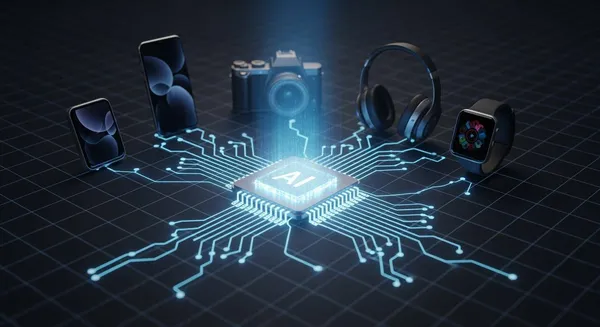
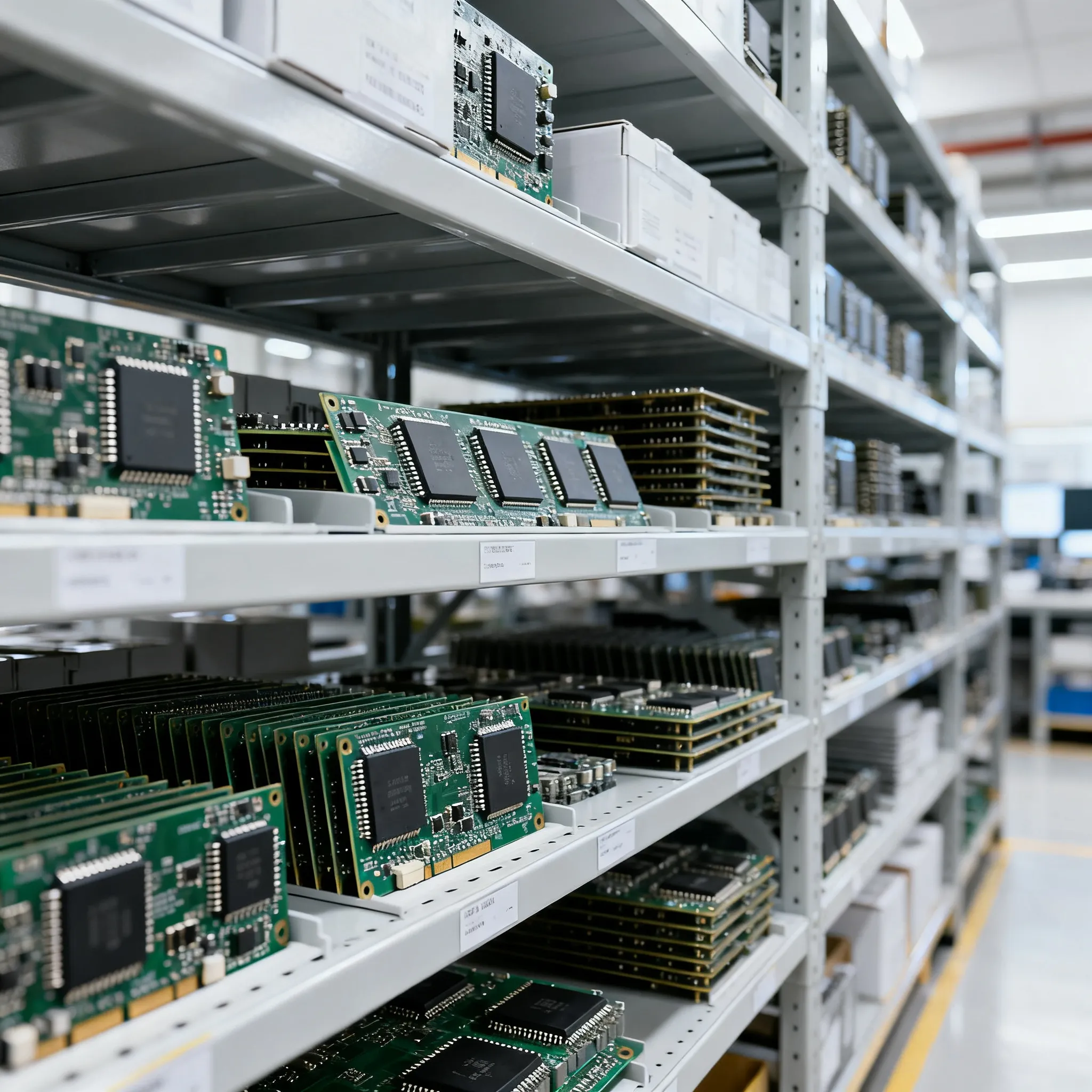
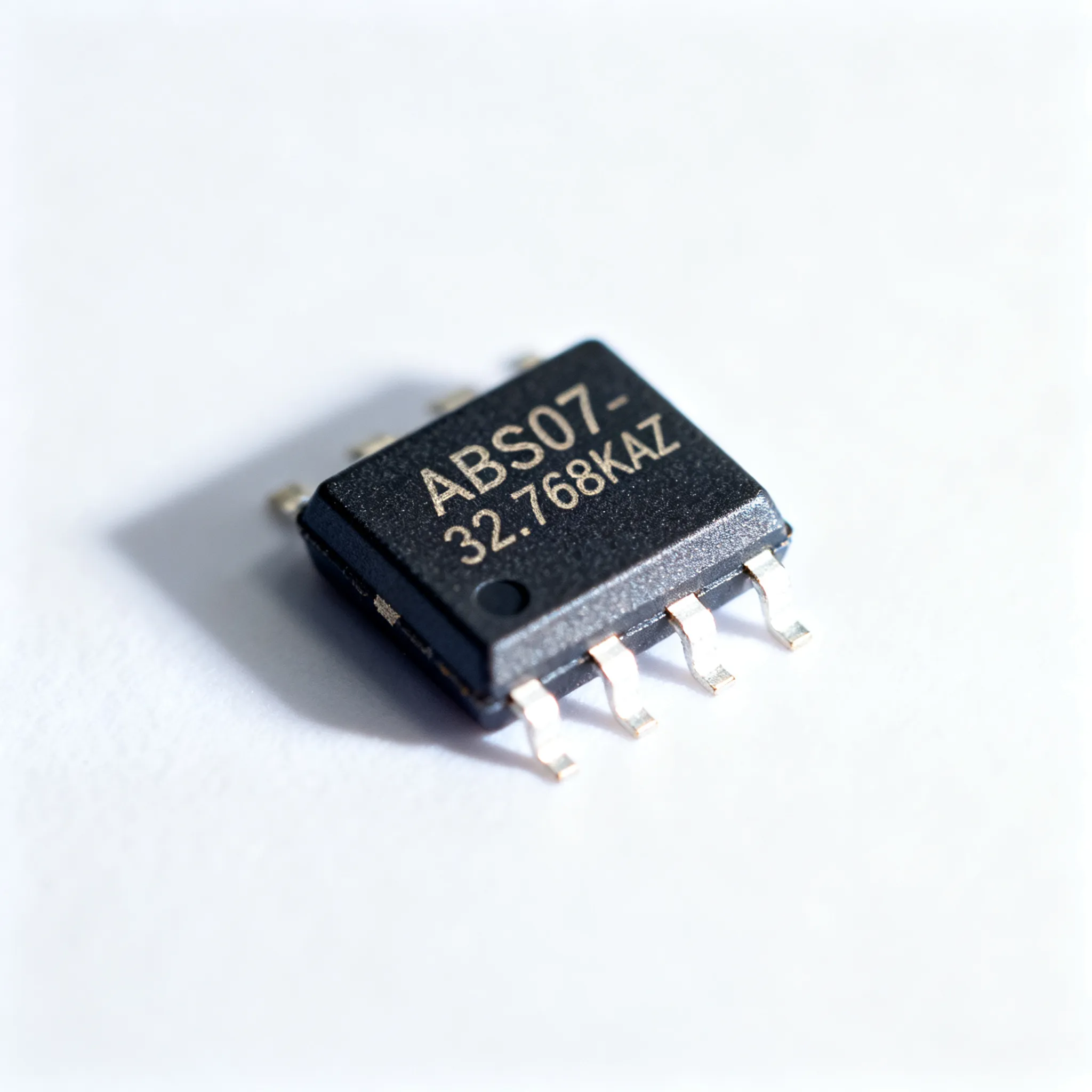
AI chips are now common in many consumer electronics. These specialized chips run artificial intelligence tasks very quickly right on your device. This powerful on-device processing makes AI features in modern electronics more responsive.
The use of dedicated AI chips delivers major user benefits:
- Quicker Responses: Apps and features react instantly.
- Enhanced Privacy: Personal data is processed locally, not sent to the cloud.
- Longer Battery Life: These efficient chips use less power.
Key Takeaways
- AI chips make electronics faster and more private. They process information directly on your device. This means apps respond quickly and your data stays safe.
- AI chips are special. They handle many tasks at once. This makes them much better than regular computer chips for AI jobs.
- On-device AI helps your phone take better pictures. It also translates languages instantly. This works even without internet.
- Smart homes and cars are safer with AI chips. Devices respond faster. Cars can avoid accidents better.
- The demand for AI chips is growing. This makes electronics more expensive. Engineers are also working to solve new problems like heat.
Understanding AI Chips

To grasp why these chips are so important, we need to look at how they differ from traditional processors. Their specialized design is the key to unlocking fast and efficient artificial intelligence on the devices we use every day.
The Specialist vs. The Generalist
Think of a standard processor, or CPU (Central Processing Unit), as a general-purpose tool like an adjustable wrench. It can handle many different jobs, from running your operating system to browsing the web. However, it performs tasks one after another in a sequence. This works well for most computing, but it creates a bottleneck for complex AI calculations.
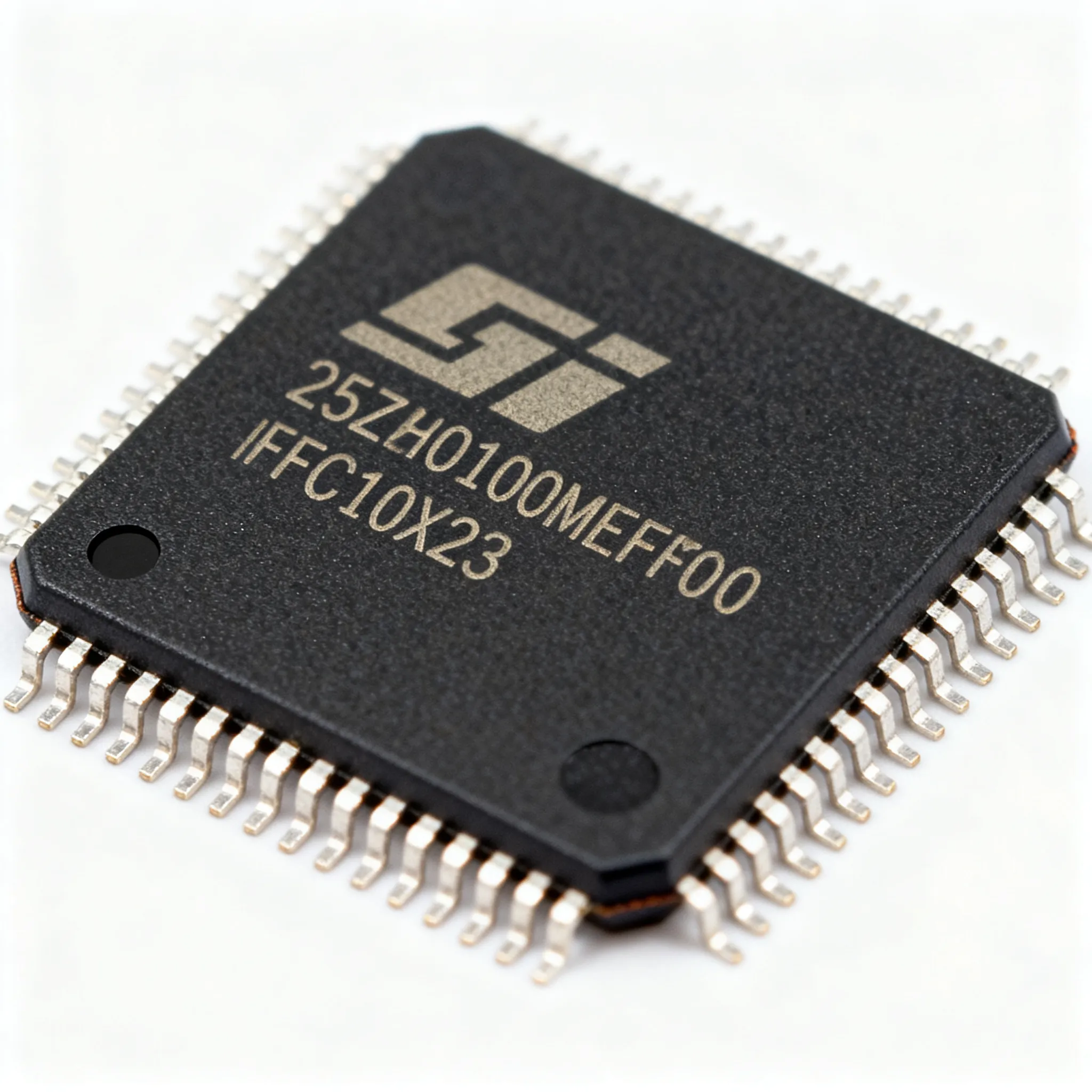
AI tasks involve processing thousands of data points at the same time. This is called parallel processing. A CPU struggles with this, like one person trying to assemble thousands of products one by one. State-of-the-art AI chips, such as Neural Processing Units (NPUs), are specialists. They are designed specifically for parallel processing. These chips have thousands of cores that work together, like a massive team of workers assembling products simultaneously. This makes them incredibly fast and power-efficient for artificial intelligence workloads.
The table below highlights the core differences between a generalist CPU and a specialist NPU.
| Feature | CPU (The Generalist) | NPU (The Specialist) |
|---|---|---|
| Core Focus | Control & general logic | On-device AI tasks (inference) |
| Compute Style | Sequential and mixed | Massively parallel |
| Primary Strength | Flexibility for any task | Low-power, high-speed AI |
| Best For | PCs, servers | Smartphones, smart home devices |
| Limitations | Inefficient for parallel AI | Not suitable for general tasks |
This complex field of ai chip design involves many players. For instance, solution partners like Nova Technology Company (HK) Limited, a HiSilicon-designated partner, help integrate this specialized hardware into final products. The goal of ai chip design is to create cutting-edge AI systems that balance power, performance, and cost. State-of-the-art AI chips are the engine behind modern on-device AI.
How Edge AI Works On-Device
The presence of AI chips enables a powerful concept called "Edge AI." This simply means that AI data processing happens locally on your device (the "edge" of the network) instead of being sent to a distant cloud server. This process provides instant responses and keeps your personal data secure.
The process works in a few simple steps:
- Data Collection: The device's sensors, like a camera or microphone, gather data from the world around it.
- Local Processing: A lightweight AI model, already installed on the device's AI chip, analyzes this data in real time. This step is called "inference," where the AI makes a prediction or a decision.
- Instant Action: The device acts on the AI's decision immediately. This could be unlocking your phone with your face or translating spoken words.
Speed and Privacy: The Core Benefits The most immediate benefit of Edge AI is speed. By processing data where it is generated, systems can react instantly. Privacy is another major advantage. Edge AI keeps sensitive information on the device, minimizing security risks and protecting user data from being sent over the internet.
This entire system is made possible by powerful and efficient hardware. The AI chips inside your phone or smart speaker are built to run these tasks quickly without draining the battery, bringing the power of artificial intelligence directly into your hands.
The Benefits of On-Device AI

The shift to on-device processing is not just a technical change. It directly creates better user experiences across the consumer electronics we use daily. Powerful AI chips unlock new capabilities that are faster, more private, and more reliable. These benefits are most obvious in three key areas: our phones, our homes, and our cars.
Smarter Phones
Smartphones are the most personal piece of technology for many people. The integration of state-of-the-art ai chips has transformed them into powerful assistants. These chips enable complex artificial intelligence applications to run instantly.
One of the most impressive applications is computational photography. AI algorithms automatically improve the photos you take.
- Better Low-Light Photos: Night Mode captures bright, clear images even in the dark.
- Professional Portraits: Portrait Mode uses depth data to create a beautiful background blur, making the subject stand out.
- Clearer Images: AI can reduce blur from shaky hands or moving subjects and even increase image resolution beyond the camera's original capabilities.
Real-time language translation is another game-changing feature. On-device AI allows for instant translation without an internet connection. This ensures conversations feel natural. For example, Samsung's Live Translate feature, powered by Galaxy AI, translates phone calls in real time for both speakers. This works even if one person does not have a Galaxy phone. The AI processes the audio locally, preserving privacy and eliminating lag.
Responsive Smart Homes
AI chips are making smart homes quicker and more intuitive. By processing commands locally, devices can respond instantly without relying on the cloud. This means your smart speaker or hub can understand you faster and work even when the internet is down.
Voice assistants are a primary example. An AI chip allows the device to listen for a wake word using a simple, low-power circuit. Only when it hears the command does the full neural network activate. This makes voice recognition more efficient. The local processing power of these chips keeps recognition latency under 200 milliseconds.
Automation That Always Works With on-device AI, you can run automation routines without an internet connection. This includes turning lights on and off with voice commands or having blinds adjust automatically on a schedule. The system works reliably because the "brain" is right there in your home.
Security is another area seeing major improvements. AI-powered security cameras from brands like Ring and Arlo use on-device AI to tell the difference between people, pets, and passing cars. This significantly reduces false alerts from things like blowing leaves. Some systems achieve over 98% accuracy, ensuring you only get notified about important events. These advanced applications make smart home electronics more helpful and reliable.
Safer Cars
In the automotive world, AI chips are the core of Advanced Driver-Assistance Systems (ADAS). These systems are critical for improving driver and passenger safety. On-board processors must make decisions in milliseconds to prevent accidents, a task perfectly suited for specialized chips.
These systems use a technique called sensor fusion. Data from cameras, radar, and LiDAR are combined to create a complete, 360-degree view around the vehicle. The AI then processes this massive amount of data in real time.
- It identifies objects like other cars, pedestrians, and lane lines.
- It predicts the movement of those objects, such as a person about to step into the road.
- It enables features like adaptive cruise control and lane-keeping assist to function smoothly.
The effectiveness of this AI is clear. Studies show that warning-based ADAS reduces instances of forward collisions and lane departures. Some collision avoidance systems can detect animals with up to 98% accuracy, giving the driver a crucial warning. The state-of-the-art ai chips powering these features are making our roads safer by providing an intelligent co-pilot in modern vehicles.
The Market Impact of AI Chips
The rapid adoption of AI chips is reshaping the entire electronics industry. This shift creates huge economic growth. It also introduces new pressures on the global supply chain and presents new engineering problems.
Driving Market Growth
The demand for artificial intelligence capabilities is fueling a massive expansion in the semiconductor market. Global semiconductor sales are rising sharply. The market is projected to grow over 25% to nearly $975 billion, driven largely by the need for AI. This growth attracts a wide range of companies.
- Tech giants like Google produce their own Edge TPU chips for smart devices.
- Specialized firms like Mythic focus on power-efficient ai chip design for edge computing.
This intense competition and investment are pushing the boundaries of what on-device AI can do.
Supply Chain and Price Effects
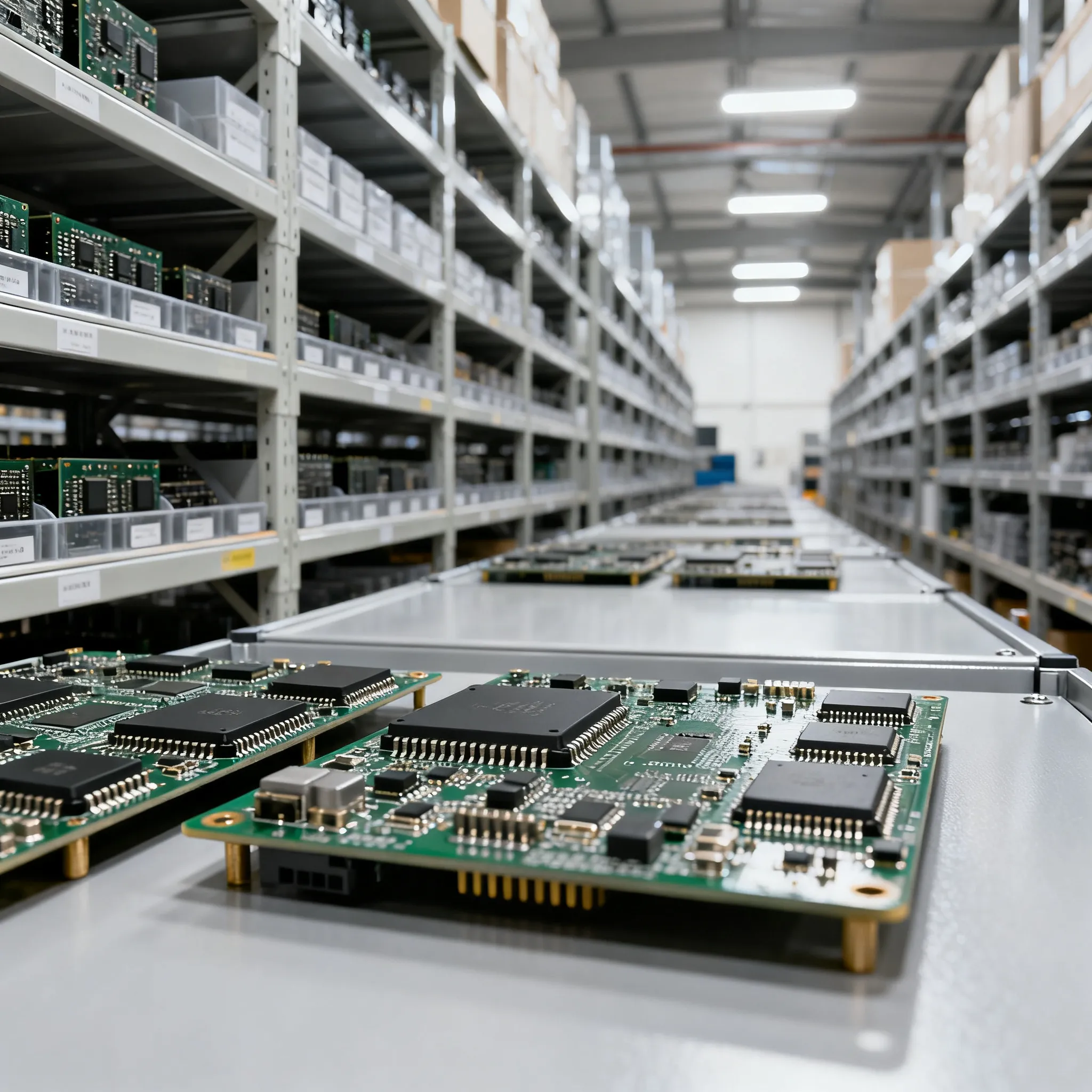
The strong ai chip demand is creating bottlenecks in the supply chain. Major manufacturers are shifting production to advanced memory needed for state-of-the-art ai chips. This shift causes shortages and price increases for the standard memory used in many electronics. The complex supply chain involves many players, including solutions partners like Nova Technology Company (HK) Limited, a HiSilicon-designated partner that helps integrate this specialized hardware into final products.
These supply chain pressures directly affect consumers. Analysts warn that the rising cost of components will likely increase the retail price of consumer electronics. The cost to manufacture some smartphones and laptops could rise by 5-12% due to these shortages.
This situation means the powerful new features in our electronics may come with a higher price tag.
New Technical Challenges
The power of state-of-the-art ai chips introduces a significant technical problem: heat. These powerful chips generate a lot of heat when performing complex tasks. In compact consumer electronics like phones, too much heat can slow down performance or even damage the device. This challenge requires a new focus on ai chip design and cooling.
Engineers are developing advanced cooling solutions to manage this heat.
- Vapor chambers spread heat across a wide surface inside a phone.
- Direct liquid cooling uses cold plates to cool high-performance chips in larger systems.
Solving these thermal challenges is critical for making sure our electronics remain reliable as they become more intelligent.
The surge in AI chips comes from a clear need. These specialized chips move artificial intelligence processing from the cloud directly onto personal electronics. This shift enables the fast, private, and efficient AI features that consumers now demand. Local processing on these powerful chips allows applications to run faster and more reliably.
The presence of a dedicated AI capability is quickly becoming the new standard. A device's ability to deliver smart, responsive experiences now defines modern electronics, and consumers are prioritizing devices with superior AI performance.
FAQ
What is the main difference between an AI chip and a regular CPU?
A regular CPU is a generalist that handles many tasks one by one. An AI chip is a specialist. It has thousands of cores to perform many AI calculations at the same time. This parallel processing makes it much faster and more efficient for AI.
Why is on-device AI better for privacy?
On-device AI processes your personal data directly on your phone or smart device. The information does not travel to an external cloud server. This local processing keeps sensitive data, like your photos and voice commands, secure and private. 🔐
Do AI chips make my battery drain faster?
No, they actually help save power. AI chips are designed for efficiency. They complete complex AI tasks using much less energy than a standard CPU would. This specialized design leads to longer battery life for your devices.
Will all new electronics have AI chips?
The trend is moving in that direction. A dedicated AI chip is becoming a standard feature. It defines a device's ability to deliver the smart, responsive experiences that modern consumers expect. Devices with superior AI performance are gaining popularity.