InterCEPT Training: Verify Component Authenticity and Protect Your Supply Chain
Practical guide for buyers and engineers: InterCEPT Training: Verify Component Authenticity and Protect Your Supply Chain. Sourcing, risk, and selection notes.

Why Counterfeit Components Are a Growing Threat to Your Supply Chain
When a critical analog IC sits at a 26‑week lead time through authorized distribution, a broker offering the same part number “in stock” at half the price looks like a lifeline. It’s also one of the most dangerous red flags in electronics procurement. That real‑world scenario, highlighted by PCBCart, captures the moment when counterfeit components can slip past a busy buyer. The threat isn’t theoretical — it’s a direct consequence of extended lead times, supply volatility, and the pressure to keep production lines moving.
Counterfeit parts are not just cosmetic copies. They can carry incorrect die revisions, substandard plating, or firmware backdoors that compromise safety and reliability. Lockheed Martin’s own training materials describe the risks as “infiltrating the supply chain” in ways that bypass standard purchasing controls Lockheed Martin. The NIST Supply Chain Assurance project further frames verification as a core discipline, not an occasional check NIST SP 1800‑34. For procurement and engineering leads, the question is no longer whether to invest in authenticity verification, but which structured training and workflows will catch fakes before they populate your boards.
Long before a fake part reaches an X‑ray machine, a set of business conditions sets the stage. The table below maps the key drivers that turn a routine buy into a high‑risk event.
| Driver | Mechanism | Procurement Impact |
|---|---|---|
| Extended lead times on authorized channels | Buyers under schedule pressure turn to independent distributors or brokers who may not verify provenance. | Orders placed without time for authentication; risk of accepting re-marked or refurbished parts rises sharply. |
| Just‑in‑time (JIT) inventory philosophy | Minimal buffer stock means every missing component is a line‑down crisis; urgency overrides verification steps. | Procurement teams skip incoming inspection procedures, trusting supplier documentation that may be forged. |
| Proliferation of unauthorized sources | Online platforms and email solicitations offer “excess stock” and “new surplus” with no chain of custody. | Harder to distinguish legitimate independent suppliers from bad actors; requires a structured supplier qualification process. |
| Obsolete and end‑of‑life components | Legitimate parts are scarce; counterfeiters fill the gap with salvaged, re‑marked, or blank‑die copies. | Engineering teams must verify lifecycle status with the manufacturer or via RFQ, while buyers need inspection protocols for any gray‑market source. |
| Lack of in‑house inspection capability | Organizations rely on visual checks alone, missing sophisticated re‑marking or internal die alterations. | Counterfeit escapes detection until field failures occur; warranty costs and safety liabilities escalate. |
| Complex multi‑tier supply chains | Contract manufacturers may source from secondary suppliers without transparency to the OEM. | Risk introduced at sub‑tier level; requires contractual clauses mandating authenticity verification and traceability. |
These drivers are not isolated. A single high‑demand BOM line can trigger several of them simultaneously, and the procurement team’s response must be equally coordinated. That’s where a dedicated training program moves from a “nice to have” to an operational necessity.
What InterCEPT Training Covers: From Risk Awareness to Hands‑On Authentication
InterCEPT — short for Intercepting Counterfeit Electronics Parts Training — is a Lockheed Martin‑developed program that turns the abstract fear of counterfeits into a repeatable set of inspection skills. Rather than stopping at theory, it walks participants through the exact techniques a trained inspector uses to separate genuine components from clever fakes. The curriculum aligns with industry guidance on detection tools and sourcing strategies AGS Devices and directly addresses the advice that component users must “soften instant pudding expectations” by planning lead time for verification Lowry overview.
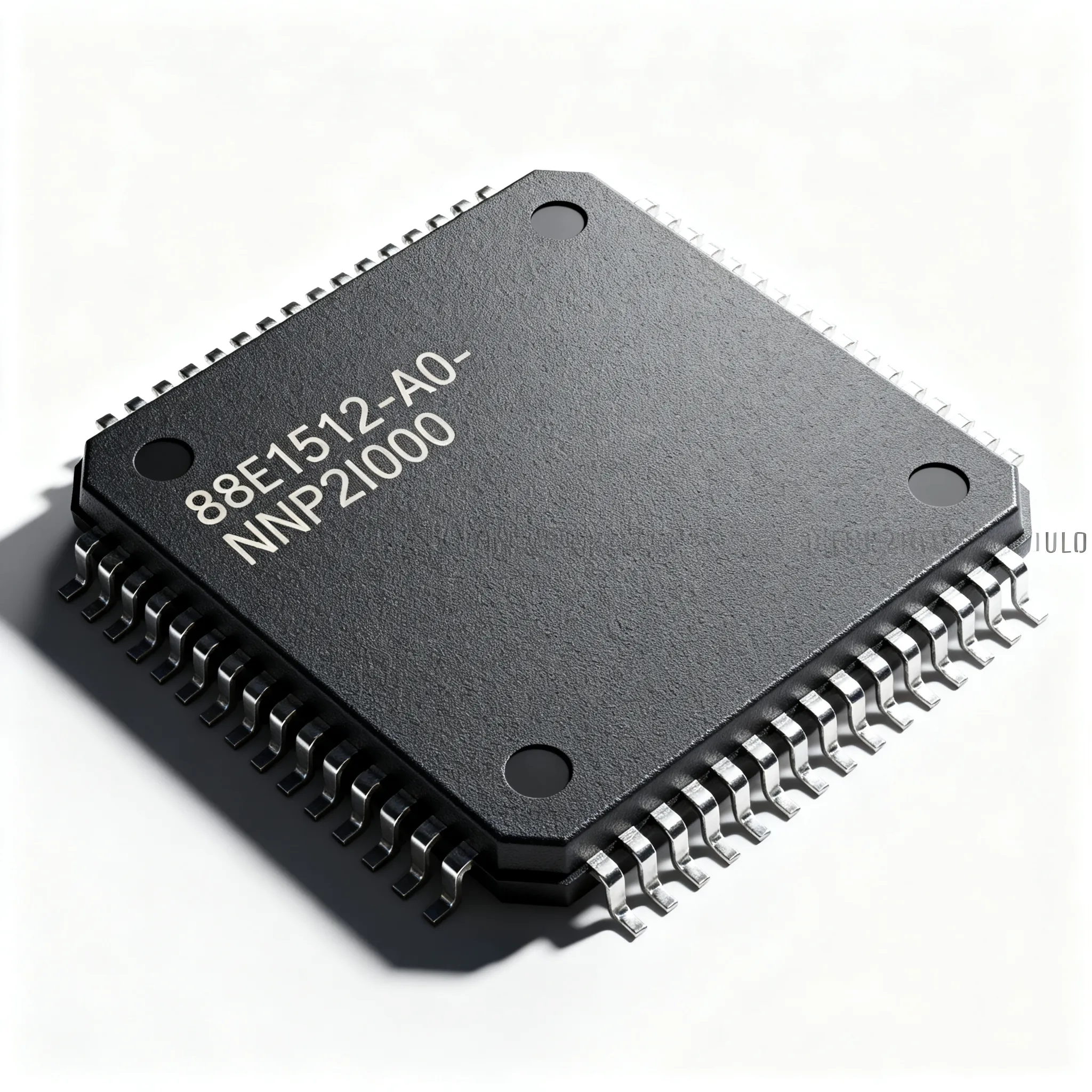
The training covers four tiers of inspection, escalating from low‑cost, non‑destructive methods to destructive analysis that reveals the truth inside a package. External visual inspection, often the first line, is taught systematically: participants learn to spot inconsistencies in part marking, pin‑1 indicators, and package texture that hint at sanding or re‑coating. Solvent testing is used to detect blacktopping — a thin layer of paint applied over the original part number to hide a different device. Magnification under adequate lighting reveals edge cracking, uneven texture, and micro‑blistering that a casual glance misses.
When surface inspection isn’t conclusive, the training moves to X‑ray imaging and decapsulation. X‑ray reveals wire‑bond anomalies, missing bond wires, or die sizes that don’t match the manufacturer’s specification. Decapsulation — carefully removing the package material to expose the silicon die — is the definitive step. Trainees learn to compare die markings, layout, and manufacturer logos against known‑good samples or datasheet information. RandTech’s guide on quality inspection tools illustrates exactly this process, confirming that “die markings match those of the manufacturer” and that termination plating complies with RoHS directives RandTech. Hands‑on exercises reinforce the decision tree: when to escalate from visual to X‑ray, and when a destructive test is justified.
Beyond the physical inspection, InterCEPT emphasizes supply chain discipline. It teaches teams to flag documentation red flags — certificates of conformance that lack traceability, test reports that reference the wrong date code, or packaging that doesn’t match the manufacturer’s standard. The program’s case studies often mirror the classic PCBCart scenario: a broker’s “in stock” claim versus a 26‑week authorized lead time PCBCart. By the end of the training, participants can build a risk‑based inspection plan for any incoming lot, balancing the cost of testing against the consequence of a failure.
InterCEPT Training vs. Other Counterfeit Avoidance Resources: What Sets It Apart
Free guidelines and supplier‑selection checklists are abundant. Profab Electronics, for example, offers a comprehensive guide covering supplier qualification and authenticity procedures Profab Electronics. The NIST cybersecurity practice guide provides a reference architecture for supply chain assurance NIST SP 1800‑34. These resources are valuable for building policy, but they rarely translate into the muscle memory an inspector needs when a suspect reel arrives at the dock. InterCEPT fills that gap with a formal, scenario‑based methodology that is as much about decision‑making as it is about technique.
The table below compares InterCEPT against other common resources, showing where each fits in a procurement organization’s counterfeit‑avoidance strategy.
| Segment / Option | Effect | Notes |
|---|---|---|
| Defense & Aerospace – InterCEPT Training | Builds hands‑on inspection competency accepted by major primes; creates a repeatable verification process that aligns with AS5553 requirements. | Developed by Lockheed Martin; used within the defense supply base. Not a third‑party certification, but a practical skill‑builder that primes expect. |
| Medical & Industrial – InterCEPT combined with internal SOPs | Enables in‑house inspectors to catch re‑marked or blacktopped parts before assembly; reduces reliance on external test labs for routine lots. | Authentication techniques apply to any safety‑critical application. The training’s risk‑assessment framework helps prioritize which parts to inspect destructively. |
| General Procurement – Online counterfeit avoidance guides | Provide awareness and supplier‑selection criteria; low cost and immediate access. | Lack hands‑on exercises; useful for policy writing but insufficient for training inspectors. Examples include Profab Electronics and AGS Devices blogs. |
| System Integrators – NIST SP 1800‑34 reference architecture | Offers a technology‑neutral framework for validating device integrity across the supply chain. | Focused on cybersecurity and computing devices; requires adaptation for component‑level inspection. Complements, but does not replace, practical training. |
InterCEPT’s strength is its scenario‑driven format. Instead of a static list of “10 things to check,” participants work through real‑world cases where they must decide whether to accept, reject, or quarantine a lot based on documentation, visual clues, and X‑ray results. That decision‑making framework is what procurement teams can apply immediately when a high‑risk BOM line triggers a red flag. While a free guide might tell you to “verify the supplier,” InterCEPT shows you how to verify the physical part in front of you.
Integrating InterCEPT Training into Your Procurement Workflow
Training is only as good as the processes that support it. The Elisaindustriq procurement guide makes a critical point: match the supplier type to your risk tolerance, and if a part is safety‑related or hard to test once installed, treat it as higher risk Elisaindustriq. InterCEPT gives your team the skills to execute that risk‑based approach, but the surrounding workflow must create the time and authority for inspection to happen.
The most immediate change is to inject verification time into your planning horizon. Lowry’s early work on counterfeit electronics stressed that “component users must soften instant pudding expectations by planning more lead time in schedules with less emphasis on JIT, allowing time to verify authenticity” Lowry. In practice, that means procurement should build a 2‑ to 5‑day inspection window into the purchase order cycle for any part sourced outside the authorized network, and communicate that window to production planning.
When a BOM comes in for quoting, the procurement team can apply a simple triage: flag every line where the source is not an authorized distributor, where the quote is significantly below market, or where the part is obsolete. For those lines, the InterCEPT‑trained inspector performs a document audit first — checking certificates of conformance, date codes, and packaging — before the parts are accepted into inventory. If the documentation raises a question, the lot is moved to a hold area for physical inspection. This is exactly the discipline that would have caught the broker’s half‑price offer on a 26‑week lead‑time IC PCBCart.
The table below lays out a practical mitigation timeline that a procurement team can adopt after completing InterCEPT training, matching actions to the risk level of the incoming parts.
| Action | When to use | Trade‑off |
|---|---|---|
| Documentation audit (certificate analysis, date‑code cross‑check, packaging review) | Every order from a non‑authorized source; first step before any physical testing. | Adds 30–60 minutes per lot; minimal cost, but requires trained staff who know what to look for. |
| External visual inspection (magnification, solvent rub, blacktop detection) | When documentation shows inconsistencies or when the part is safety‑critical. | Non‑destructive; can be performed in‑house. May miss internally altered die if the package is left intact. |
| X‑ray inspection (wire‑bond integrity, die size, lead‑frame anomalies) | For suspect lots that pass visual but still raise concern; also for high‑reliability applications. | Requires X‑ray equipment; capital cost is high but can be shared across multiple programs. Non‑destructive. |
| Decapsulation and die verification (acid decap, internal marking check) | Conclusive test when X‑ray or visual flags appear; sampling plan for high‑risk batches. | Destructive — parts are consumed. Time‑intensive and requires lab capability, but provides definitive proof of authenticity. |
| RFQ/BOM upload with authenticity requirement (specify InterCEPT‑style verification in purchase terms) | When sourcing from independent distributors or brokers; include as a condition of acceptance. | May limit supply options; some suppliers may not accept destructive testing. Clarifies expectations upfront and weeds out bad actors. |
Beyond the inspection steps, the procurement workflow should flag suspect parts early in the RFQ process. If a BOM upload to a platform like IC‑Online includes a note that the parts will be subject to InterCEPT‑based verification, it signals to the supply base that your company is serious about authenticity. This alone can deter suppliers who rely on passing off questionable stock. The combination of trained people and a clear process creates a powerful filter: the parts that do arrive are far more likely to be genuine, and the ones that aren’t are caught before they ever reach the production line.
InterCEPT Training: Questions from Procurement and Engineering Teams
Q: Is InterCEPT training recognized by major defense contractors and aerospace primes?
Yes. The training is developed by Lockheed Martin and is used within the defense supply base. It aligns with the expectations of primes that require counterfeit avoidance programs, and many defense contractors encourage their suppliers to pursue it. While it is not a formal accreditation, it demonstrates a concrete commitment to authenticity verification that primes respect.
Q: What does the training teach about detecting sophisticated counterfeits, such as re‑marked or blacktopped parts?
InterCEPT covers solvent testing, visual inspection under magnification, X‑ray analysis, and decapsulation. Participants learn to spot mismatched die markings, inconsistent plating thickness, sanding marks, and re‑coating layers. The hands‑on approach teaches inspectors to follow a systematic escalation path, from external clues to internal die verification, so that even sophisticated re‑marking is detected.
Q: Can we use InterCEPT training to certify our own internal inspectors, or is it only an awareness course?
The training is designed to build practical inspection competency. Companies can use it to develop internal verification procedures and train staff who will perform incoming inspection. It is not an accredited third‑party certification, but it provides the skills and decision‑making framework that an inspector needs to operate independently. Many organizations use it as the foundation for their internal inspector qualification program.
Q: How does InterCEPT training differ from AS5553 or other counterfeit risk mitigation standards?
AS5553 is a standard that defines the requirements for a counterfeit avoidance plan — it tells you what your system must do. InterCEPT provides the hands‑on skills and decision‑making framework to execute those requirements, making it a complementary training resource. Think of AS5553 as the policy document and InterCEPT as the training that makes the policy actionable on the inspection bench.
Q: What is the typical time commitment for the training, and can it be delivered on‑site?
Course duration varies by format, often one to two days. Lockheed Martin offers in‑person sessions that can be arranged at the customer’s facility, subject to availability. This format allows the training to be tailored to the specific components and inspection equipment the team uses daily.
Q: Is the training suitable for non‑defense procurement, such as industrial or medical electronics?
Absolutely. The authentication techniques and risk‑assessment methods apply to any industry where component integrity is critical — medical, industrial, automotive, and telecommunications all benefit. The same visual, X‑ray, and decapsulation procedures work on commercial‑grade ICs, and the risk‑based decision framework is universally applicable.
References & Further Reading
- PCBCart — Are the Components Genuine, and How Is Authenticity Verified?
- Lockheed Martin — Counterfeit Parts Training and Risk Impact
- NIST SP 1800‑34 — Validating the Integrity of Computing Devices
- RandTech — Protecting Your Supply Chain with Verified Components
- AGS Devices — Counterfeit Components: Risks, Detection, and Avoiding Them
- Robert K. Lowry — Counterfeit Electronic Components: An Overview
- Elisaindustriq — Electronic Component Procurement Guide for Real Buyers 2026
- Profab Electronics — Avoiding Counterfeit Components: A Comprehensive Guide
When your next BOM includes a line that looks too good to be true, the right training and a disciplined verification process make all the difference. Build inspection time into your planning, arm your team with hands‑on skills, and source through a platform that respects the need for authenticity. Request a quote or upload your BOM on IC‑Online — our mixed‑BOM support and flexible MOQ let you source with confidence, backed by the verification discipline your products deserve.