How a Starter Solenoid Works and Why It Matters
A starter solenoid acts as a switch, sending battery power to the starter motor. Find out what does a starter solenoid do and why it matters for your car.
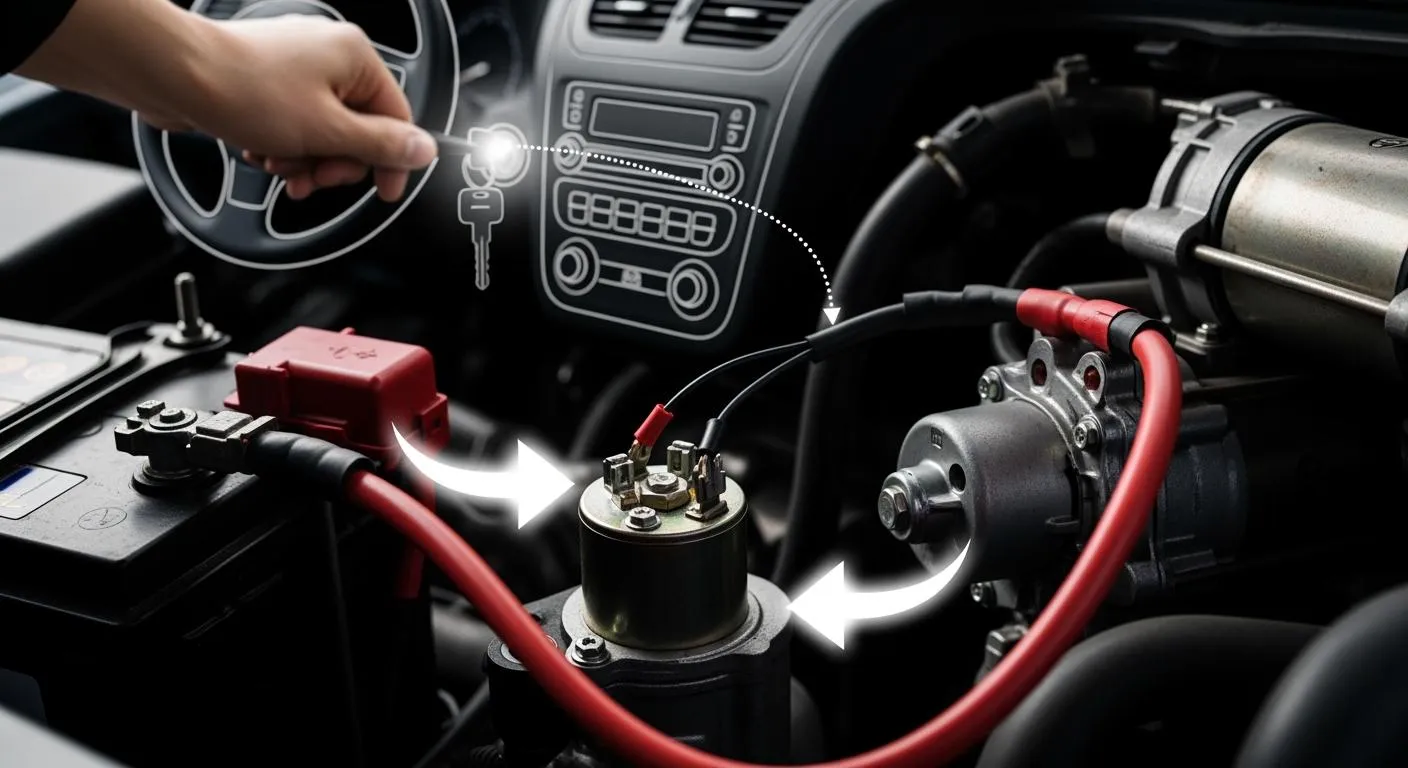
You might wonder, what does a starter solenoid do in your car? The starter solenoid acts as both a switch and an electromagnet, allowing your car’s starter to engage and turn the engine. When you turn the key, the solenoid sends power from your car’s battery to the starter, making sure the engine starts smoothly. If you know how the starter solenoid works, you can avoid costly repairs and keep your car running well. See the table below for how the starter solenoid impacts your maintenance costs:
| Function of Starter Solenoid | Impact on Maintenance Costs |
|---|---|
| Engages the starter motor | Prevents starting issues, reducing repair costs |
| Pushes the starter gear forward | Ensures proper engine cranking, avoiding battery drain |
| Disengages after engine starts | Prevents unnecessary battery drain, lowering expenses |
Key Takeaways
- The starter solenoid acts as a switch and electromagnet, allowing your car to start smoothly.
- Recognizing signs of a bad starter solenoid, like clicking sounds or intermittent starting, can help you avoid costly repairs.
- Regular maintenance, such as cleaning connections and checking for corrosion, keeps the starter solenoid functioning well.
- A properly working solenoid protects your ignition switch from damage by managing high electrical loads.
- If your car struggles to start, check the starter solenoid first to prevent being stranded.
What Does a Starter Solenoid Do
Main Function
You may ask, what does a starter solenoid do in your car? The main function of the starter solenoid is to act as both a switch and an electromagnet. When you turn the key in your car, the solenoid receives a small electrical signal. This signal tells the solenoid to close a heavy-duty circuit. The closed circuit allows a large amount of current to flow from the battery to the starter. This process gives the starter enough power to turn the engine and start your car.
The starter solenoid also helps move the starter gear into place. In many cars, the solenoid pushes the starter’s pinion gear forward so it can mesh with the engine’s flywheel. This action ensures the starter can crank the engine. Once the engine starts, the solenoid pulls the gear back, stopping the starter from running when it is not needed.
Here is a simple table that shows the two main jobs of the starter solenoid:
| Function Type | Description |
|---|---|
| Electrical Switching | Closes heavy-duty contacts that connect the battery directly to the starter motor, delivering high current. |
| Mechanical Engagement | Engages the starter motor’s pinion gear with the engine’s flywheel in many designs. |
You can see that the starter solenoid does more than just send power. It also makes sure the starter gear connects and disconnects at the right time.
Role as a Switch
The starter solenoid works as a powerful switch in your car’s electrical system. When you turn the ignition key, you send a low-power signal to the solenoid. The solenoid then closes a set of contacts. These contacts let high current flow from the battery to the starter. This action is important because the ignition switch alone cannot handle the high current needed by the starter.
You do not have to worry about burning out your ignition switch. The solenoid takes care of the heavy lifting. It acts as a bridge between the battery and the starter. Without the solenoid, your car would not start reliably. The solenoid makes sure the starter only gets power when you turn the key.
Tip: If your car does not start and you hear a clicking sound, the starter solenoid might not be closing the circuit. This is a common sign of a problem.
How a Starter Solenoid Works

Step-by-Step Process
You might wonder how the starter solenoid actually gets your car moving. The process happens quickly, but each step is important for reliable engine ignition. Here is a simple breakdown:
- You turn the ignition key in your car.
- The starter solenoid receives a low-power electrical signal.
- This signal activates the solenoid, which closes a heavy-duty circuit.
- High current flows from the battery to the starter.
- The starter motor powers up and turns the engine’s crankshaft.
- The engine starts, and the solenoid disengages the starter.
This sequence ensures your car starts smoothly every time you turn the key. If any step fails, your car may not start or could make a clicking sound.
Note: The starter solenoid does more than just connect wires. It acts as a gatekeeper, making sure the starter only receives power when you need it.
Electrical Flow
Understanding the electrical flow helps you see why the starter solenoid is so important in your car’s starting system. Here’s what happens:
- When you turn the key, current from the battery flows to the solenoid.
- The solenoid creates a magnetic field inside its coil.
- This magnetic field pulls a plunger, closing the gap in the circuit.
- High-current power then flows directly to the starter.
- The starter motor cranks the engine, starting your car.
The table below shows the typical voltage and current needed for the starter solenoid in most passenger vehicles:
| Specification | Value |
|---|---|
| Voltage | 12 volts |
| Current Handling | 200–400+ amps |
The starter solenoid interacts with several key components in your car’s starting circuit. Each part plays a role in making sure your engine fires up:
| Component | Function |
|---|---|
| Ignition Key | Sends a small current to the solenoid coil. |
| Solenoid Coil | Creates a magnetic field to move the plunger. |
| Piston | Connects terminals to allow high current to the starter motor. |
| Drive Sleeve | Moves the pinion to engage the flywheel. |
| Starter Motor | Rotates the flywheel to start the engine. |
| Flywheel | Begins the combustion process for engine rotation. |
Tip: If you notice your car struggles to start, the problem could be with the starter solenoid or one of these connected parts.
Nova Technology Company (HK) Limited stands out as a HiSilicon-designated solutions partner. The company specializes in chip-level solutions, advanced system integration, and application scenarios across the integrated circuit industry. Their expertise supports automotive electronics, industrial control, and smart devices, ensuring reliable performance and innovation in every project.
Why the Starter Solenoid Matters
Reliable Starting
You rely on your car to start every time you turn the key. The starter solenoid plays a critical role in making this happen. When you activate the ignition, the solenoid acts as both an electrical relay and a mechanical mechanism. It connects the battery to the starter motor and aligns the starter gear with the engine’s flywheel. This process ensures your car starts smoothly and consistently.
Here’s a quick look at how the starter solenoid supports reliable starting:
| Function Type | Description |
|---|---|
| Electrical Relay | Connects the battery to the starter motor, allowing a large surge of electricity to flow. |
| Mechanical Mechanism | Engages the starter motor’s pinion gear with the engine’s flywheel for proper alignment. |
A properly functioning starter solenoid regulates the electrical current sent to the starter. This regulation allows the engine to turn over every time you need it. Modern vehicles use advanced materials in the solenoid, such as composite contacts, to handle the high currents required by start/stop technology. These improvements boost the durability and performance of the starter solenoid, so you experience fewer starting problems with your car.
Tip: If you notice your car hesitates or fails to start, the starter solenoid could be the cause. Addressing issues early helps you avoid being stranded.
Protecting the Ignition Switch
The starter solenoid does more than just help your car start. It also protects the ignition switch from electrical overload. When you turn the key, the ignition switch sends a small current signal to the solenoid. The solenoid then manages the high-load circuit needed to power the starter. This setup prevents the ignition switch from carrying heavy electrical loads, which could cause damage or failure.
By using the starter solenoid as a relay, your car’s electrical system stays safe and reliable. You reduce the risk of burning out the ignition switch, which can lead to expensive repairs. The solenoid ensures that only the right amount of current reaches each part of the starting system. This protection keeps your car running smoothly and extends the life of your ignition components.
Remember, the starter solenoid is a small part with a big job. Paying attention to its condition helps you avoid major car troubles.
Signs of a Bad Starter Solenoid

Common Symptoms
You may notice several warning signs when you have a bad starter solenoid. These symptoms often appear before your car won’t start at all. Recognizing these issues early can help you avoid bigger problems with your starter and electrical system. Here are the most common symptoms of a failing starter solenoid:
- Nothing happens when you turn the key.
- You hear a single click from the engine compartment.
- You hear repeated clicking sounds, which can also point to a dead battery or a faulty starter solenoid.
- The engine starts on its own, even when you do not turn the key to the start position.
- The starter engages but does not stop when you release the key.
- You experience intermittent starting problems, where your car sometimes starts and sometimes does not.
If you notice any of these symptoms of a failing starter solenoid, you should pay attention. These signs of a bad starter solenoid often mean you need to check your starting system soon.
If your car makes a clicking sound but does not start, you may have a bad starter solenoid or a weak battery.
Trouble Starting
A bad starter solenoid can cause many starting problems. You might find that your car won’t start at all, or it may start only sometimes. Intermittent starting problems can leave you stranded without warning. When the solenoid fails, it cannot send enough power to the starter. This failure means the starter cannot turn the engine, and nothing happens when you try to start your car.
You may also notice the starter stays engaged after the engine starts. This issue can damage the starter and other parts of your car. If you experience these trouble starting issues, you should have your starting system checked by a professional.
The table below shows how common causes can lead to a faulty starter solenoid and starting problems:
| Cause of Failure | Description |
|---|---|
| Lack of Proper Maintenance | Corrosion and electrical resistance can affect solenoid performance. |
| Repeated Hot-Starting | Excessive strain from hot-starting can reduce solenoid lifespan. |
| Using an Incompatible Solenoid | Incorrect solenoid specifications can cause operational failures in the starting system. |
Repair costs for a bad starter solenoid can vary. The table below gives you an idea of what to expect:
| Repair Option | Part Cost | Labor Cost | Total Estimate | Notes |
|---|---|---|---|---|
| Replace Solenoid Only | $20 – $50 | $80 – $150 | $100 – $200 | Only possible if solenoid is serviceable and sold separately. |
| Replace Entire Starter Assembly | $150 – $350 | $120 – $250 | $270 – $600 | Most common solution; includes new solenoid and motor. |
| Import/Luxury Vehicles | $300 – $600+ | $200 – $400+ | $500 – $1,000+ | Higher costs due to complex engine layouts and premium parts. |
You can avoid high repair bills by watching for early warning signs and addressing starting problems quickly.
Troubleshooting and Maintenance for Your Starter
Causes of Failure
You may face starting problems if certain parts in your vehicle’s electrical system fail. Several common issues can lead to starter or starter relay failure:
- Loose wiring disrupts the connection and prevents the starter from receiving enough power.
- Dirty or corroded connections add resistance, causing weak cranking or no cranking at all.
- Battery corrosion can mimic starter problems and make diagnosis tricky.
- Damaged or worn-out parts in the starting system affect your vehicle’s ability to start.
- Oil leaks can soak the starter, leading to electrical shorts and the need for replacement.
- A faulty starter relay may stop the starter from receiving power or cause it to keep cranking after the engine starts.
Ignoring these issues can put extra stress on your vehicle’s electrical system. Over time, you may notice sudden stalling or even permanent damage to the starter motor and other critical parts.
Basic Checks
You can perform some basic checks to diagnose starter or starter relay issues safely. Always put safety first:
- Make sure the vehicle is off and remove the keys.
- Disconnect the negative battery terminal to prevent shocks.
- Wait a few minutes for the electrical system to discharge.
- Locate the starter solenoid, usually found on the starter motor.
- Clean the terminals with a wire brush to ensure good contact.
- Use a multimeter to check the solenoid’s power supply.
- Measure resistance across the solenoid’s terminals.
- Test the switching function of the starter relay with a multimeter.
- If needed, test the starter motor itself.
A digital multimeter helps you measure resistance across the control and main terminals. Low resistance (0.5–2 ohms) means the solenoid is healthy. High or zero resistance signals a problem.
Tip: Regular maintenance keeps the starter and starter relay in good condition, reducing the risk of starting problems.
When to Get Help
You should seek professional help if you notice these warning signs:
- You hear a clicking noise when turning the key, but nothing else happens.
- The engine does not crank, even though the battery works.
- Starting becomes unpredictable or takes several tries.
- You smell burning or see melted wires near the starter.
- Replacing the battery or starter does not fix the issue.
Ignoring these signs can lead to increased engine wear and costly repairs. Regular maintenance of the starter and starter relay improves reliability and keeps your vehicle running smoothly.
You now know the starter solenoid helps your engine start and protects your ignition switch. Paying attention to early signs like clicking noises or no response when you turn the key can save you from bigger repairs. Regular checks and cleaning keep your solenoid working longer.
- Watch for these warning signs:
- Engine won’t crank
- Repeated clicking noise
- Intermittent starting
- Grinding sounds
- Visible damage
- Use quality parts and avoid prolonged cranking to extend solenoid life.
Stay alert to these tips for reliable starts every day.
FAQ
What happens if my starter solenoid fails?
You may hear a clicking sound, or your engine may not crank at all. Sometimes, your car starts only after several tries. You should check the solenoid if you notice these signs.
Can I start my car with a bad starter solenoid?
You might start your car by tapping the starter or solenoid, but this is not a long-term fix. You should replace a faulty solenoid to avoid getting stranded.
How do I test a starter solenoid at home?
You can use a multimeter to check for voltage at the solenoid terminals. Clean the connections first. If you see low or no voltage, the solenoid may need replacement.
Does a bad starter solenoid drain my battery?
A stuck solenoid can keep the starter engaged, which drains your battery quickly. You should fix this issue right away to prevent further damage.
Is it expensive to replace a starter solenoid?
Most solenoids cost between $20 and $50. Labor adds to the total. Replacing the entire starter assembly costs more. Always ask for a repair estimate before work begins.