Exploring the Role of STMicroelectronics STM32 MCUs in Redefining Entry-Level Performance for IoT Applications
Introduction The Internet of Things (IoT) is transforming industries by enabling smarter, more connected devices. As we move into 2024, IoT applicat
Introduction
The Internet of Things (IoT) is transforming industries by enabling smarter, more connected devices. As we move into 2024, IoT applications are becoming increasingly sophisticated, demanding higher performance from microcontrollers (MCUs). According to the Semiconductor Industry Association, global semiconductor revenue reached $595.2 billion in 2024, highlighting the growing importance of advanced semiconductor technologies. At the heart of many IoT innovations are STMicroelectronics' STM32 microcontrollers, which are redefining entry-level performance for IoT applications with their robust architecture and versatile capabilities.
Technical Overview
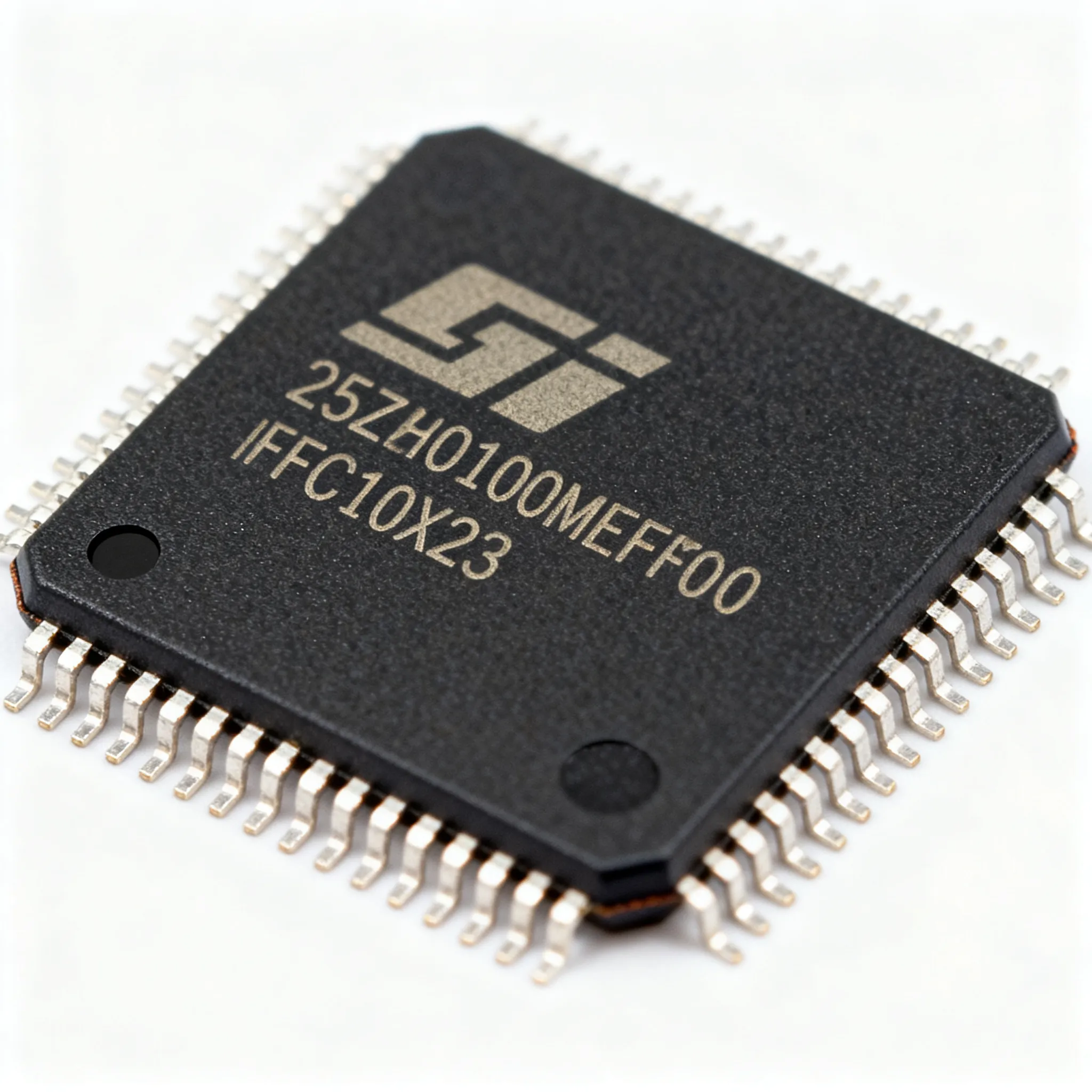
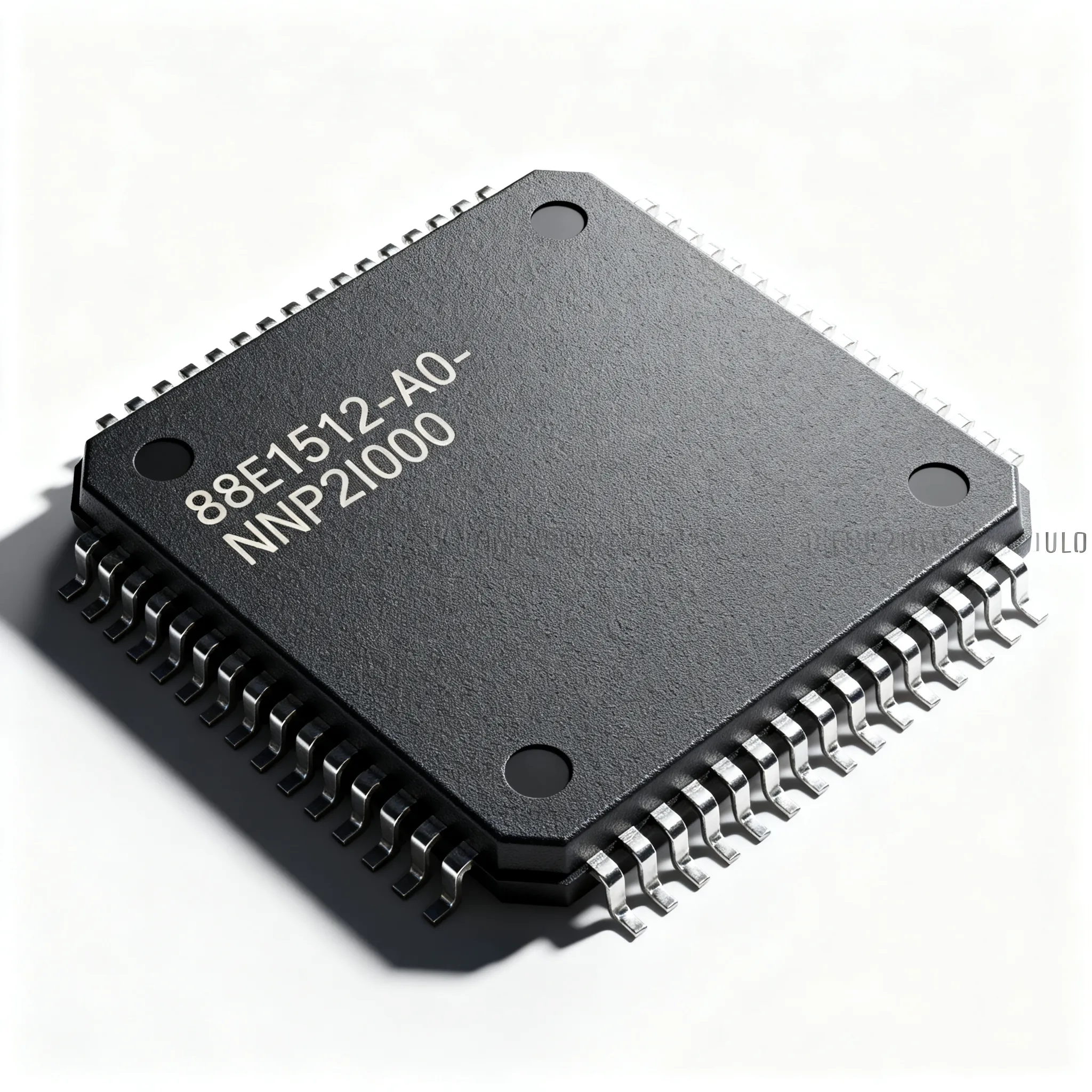
STMicroelectronics' STM32 MCUs are built on the ARM Cortex-M core, providing a range of options from ultra-low-power to high-performance models. The STM32 family integrates a rich set of peripherals and interfaces, making it ideal for a wide array of IoT applications. The architecture is designed to optimize power consumption, offering modes that allow devices to operate efficiently in battery-powered environments.
Key features include a flexible clocking system, multiple power modes, and a comprehensive set of development tools. The STM32 MCUs support advanced digital and analog peripherals, including ADCs, DACs, and communication interfaces such as I2C, SPI, and UART. The DigiKey Electronics database provides detailed datasheets and parametric search options for these components, aiding engineers in selecting the right MCU for their projects.
Key Specifications Table
| Parameter | STM32F0 | STM32F1 | STM32F4 |
|---|---|---|---|
| Core | ARM Cortex-M0 | ARM Cortex-M3 | ARM Cortex-M4 |
| Max Clock Speed | 48 MHz | 72 MHz | 180 MHz |
| Flash Memory | 16 KB - 256 KB | 64 KB - 512 KB | 512 KB - 2 MB |
| Operating Voltage | 2.0V - 3.6V | 2.0V - 3.6V | 1.8V - 3.6V |
| Communication Interfaces | I2C, SPI, UART | I2C, SPI, UART, CAN | I2C, SPI, UART, CAN, USB |
Applications & Use Cases
STM32 MCUs are pivotal in a variety of IoT applications thanks to their versatility and performance capabilities.
1. Smart Home Devices
STM32 MCUs power a range of smart home devices, from thermostats to security cameras, providing the necessary processing power and connectivity options to handle complex tasks efficiently.
2. Industrial Automation
In industrial settings, STM32 MCUs are used in automation systems that require real-time processing and robust communication capabilities. Their reliability and performance make them ideal for controlling machinery and optimizing production lines.
3. Wearable Technology
Wearable devices benefit from the low power consumption and compact size of STM32 MCUs, making them suitable for fitness trackers and health monitoring systems that require efficient power management.
4. Automotive Applications
STM32 MCUs are integrated into automotive systems for tasks such as engine control and infotainment systems, where real-time data processing and communication are critical.
Selection & Sourcing Guide
When selecting an STM32 MCU, consider the specific requirements of your application, such as processing power, memory, and peripheral interfaces. Utilize resources like Mouser Electronics to access datasheets and compare specifications. Availability and lead times are also crucial factors, so check with authorized distributors to ensure your components can be sourced in a timely manner.
FAQ
1. What development tools are available for STM32 MCUs?
STMicroelectronics provides a comprehensive suite of development tools, including the STM32CubeMX for configuration and initialization, and the STM32CubeIDE for coding and debugging.
2. How do I optimize power consumption in STM32 MCUs?
Utilize the various power modes available in STM32 MCUs, such as sleep, stop, and standby modes, to reduce power consumption during periods of inactivity.
3. Can STM32 MCUs support wireless communication?
Yes, STM32 MCUs can interface with external wireless modules through standard communication protocols like SPI and UART, enabling integration with Wi-Fi, Bluetooth, and other wireless technologies.
4. Are there resources for learning how to program STM32 MCUs?
Yes, STMicroelectronics offers extensive documentation, application notes, and online forums. Additionally, platforms like EE Times provide technical articles and tutorials for further learning.
5. What are the typical applications of STM32 MCUs in IoT?
Typical applications include smart home devices, industrial automation, wearable technology, and automotive systems, where they provide efficient processing and connectivity solutions.