Understanding the PCBA Process: Innovations and Challenges
Innovations in PCBA: The Role of AI and Robotics The integration of AI and robotics in the PCBA process has transformed traditional manufacturing
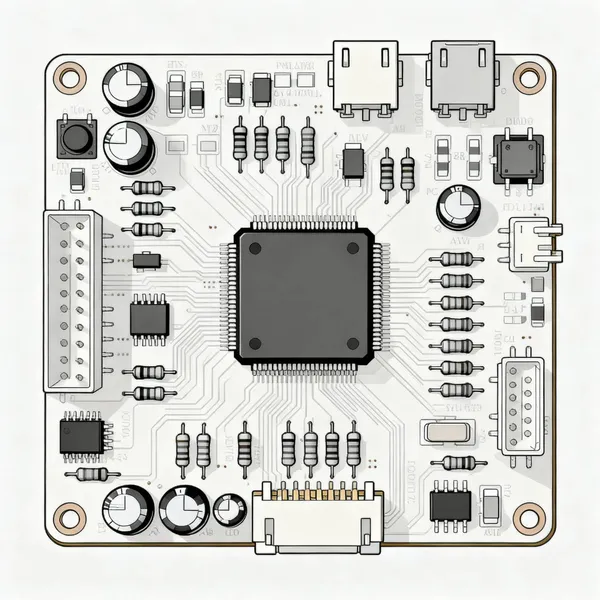
Innovations in PCBA: The Role of AI and Robotics
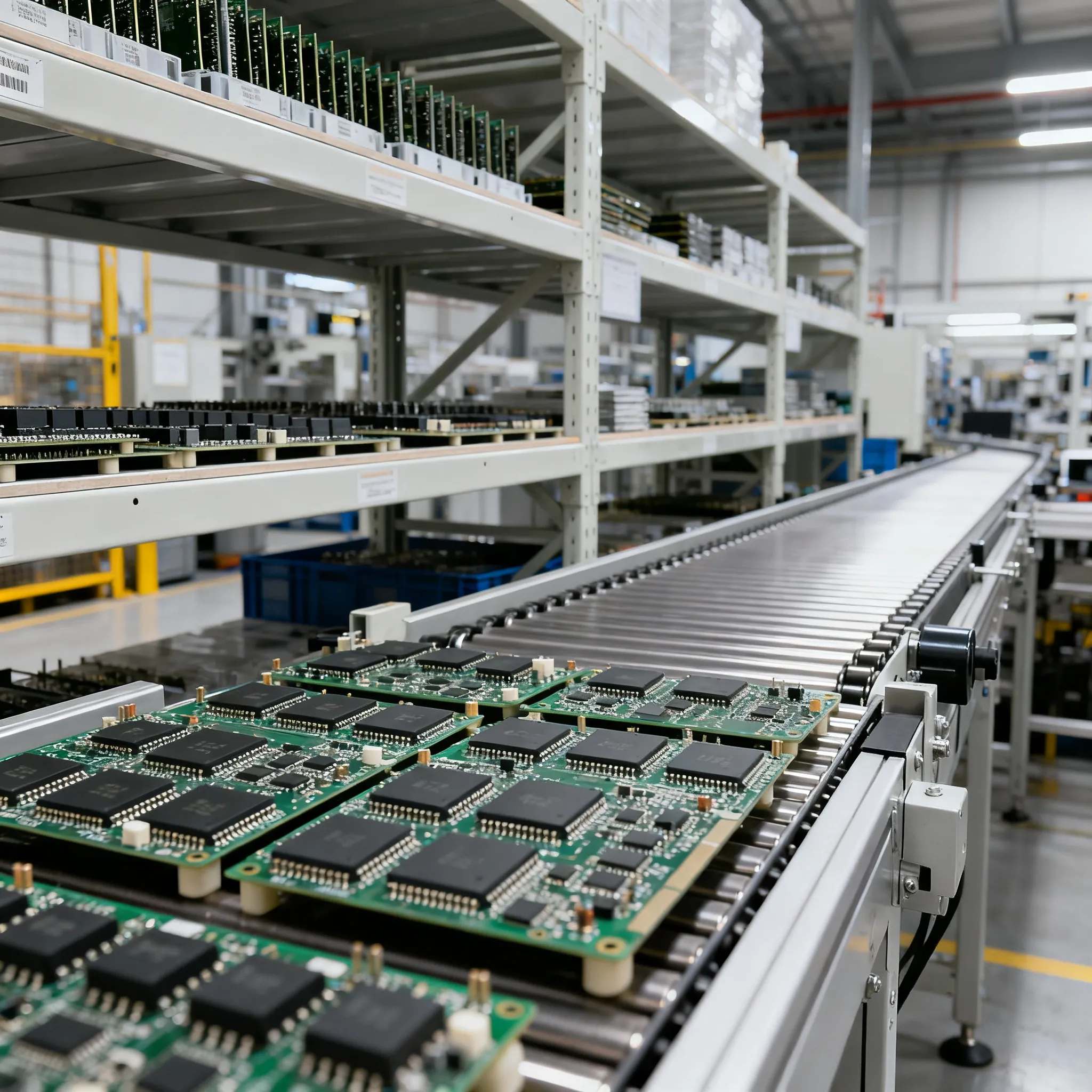
The integration of AI and robotics in the PCBA process has transformed traditional manufacturing methods. AI applications are now prevalent in PCB design and manufacturing, optimizing processes and predicting potential defects. Robotics enhances assembly efficiency and precision, reducing human error and improving throughput. Recent innovations showcased at the CES highlight advancements in PCBA technology, showcasing how these trends are reshaping the electronics manufacturing landscape. If you want the step-by-step version, nova expands on this.
Key Steps in the PCBA Manufacturing Process
The PCBA manufacturing process consists of several critical stages:
- Design: Creating the schematic and PCB layout.
- Fabrication: Manufacturing the printed circuit board.
- Assembly: Attaching electronic components to the board.
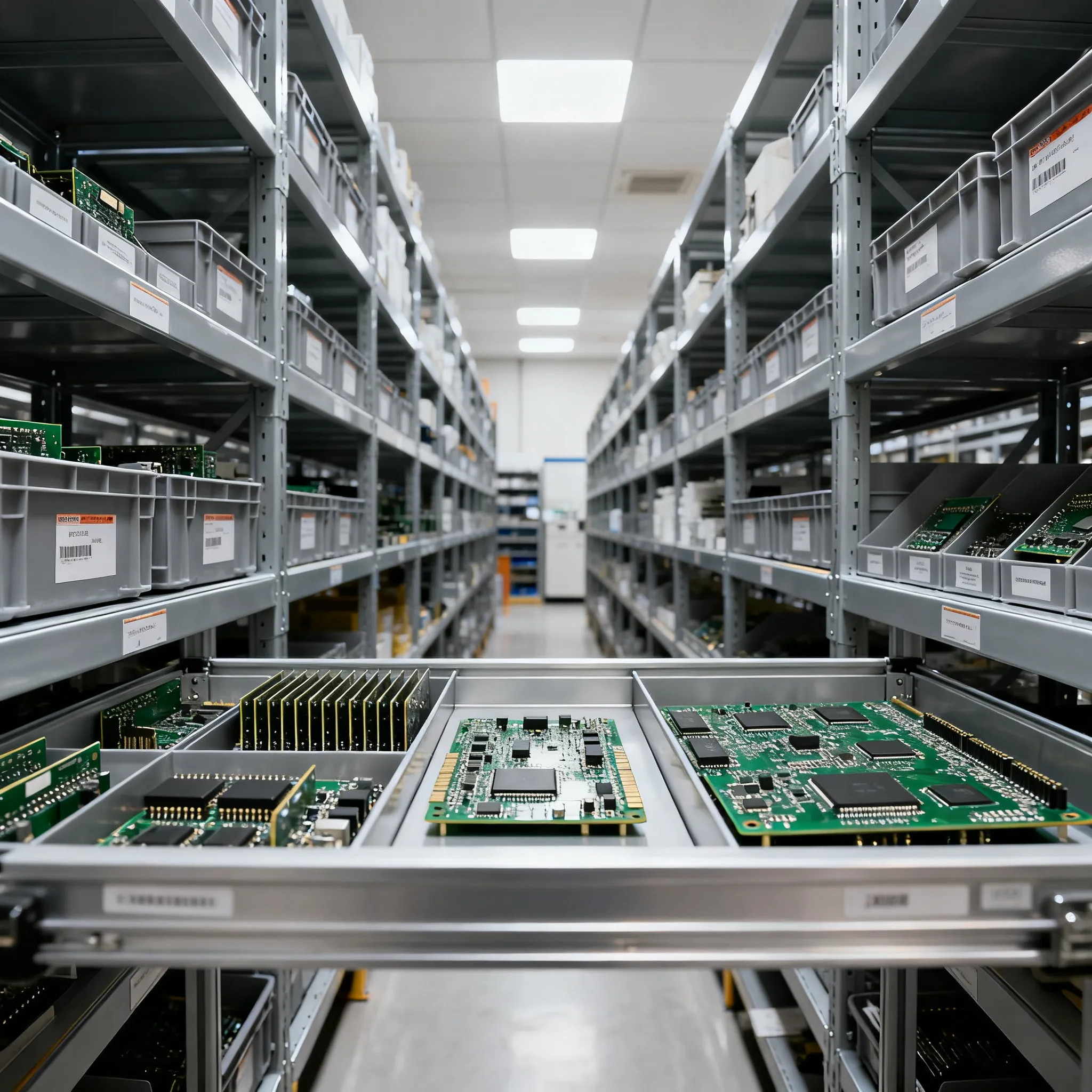
During assembly, techniques such as surface mount technology (SMT) and through-hole technology are employed. Material selection is crucial, as sourcing from reputable suppliers ensures reliability and performance of the final product.
Testing Methods: Ensuring Quality in PCBA
Quality assurance in PCBA involves multiple testing methods:
| Testing Method | Description | Purpose |
|---|---|---|
| Automated Optical Inspection (AOI) | Visual inspection using cameras to detect surface defects. | Enhances quality control by identifying issues early. |
| In-Circuit Testing (ICT) | Tests individual components and connections on the PCB. | Detects manufacturing defects effectively. |
| Functional Testing (FCT) | Verifies the complete functionality of the assembled PCB. | Ensures the product performs as intended. |
Each of these methods plays a vital role in ensuring the reliability of the final product.
Common Defects in PCBA and Their Prevention
Identifying common defects is essential for maintaining quality:
- Solder bridging: Excess solder creates unintended connections.
- Component misalignment: Incorrect placement of components can lead to failure.
- Open circuits: Broken connections that prevent functionality.
To prevent these defects, manufacturers should adopt best practices in design and assembly. Adhering to standards from IPC and NIST can also aid in defect management.
Industry Standards and Compliance in PCBA
Compliance with industry standards is crucial in PCBA:
- IPC Standards: These ensure quality and reliability in PCB manufacturing.
- IEEE Standards: Influence PCB design and testing methods.
- NIST: Plays a role in ensuring quality and reliability through best practices.
Adhering to these standards can enhance marketability and build customer trust.
Future Trends in PCBA: What's on the Horizon?
The future of PCBA is being shaped by several emerging technologies:
- Advancements in miniaturization and flexible circuits.
- Increased focus on sustainability in electronic manufacturing.
- Continued integration of robotics and AI to enhance efficiency.
These trends indicate a shift towards more efficient and environmentally friendly manufacturing practices.
FAQ & People Also Ask
People Also Ask
What is the purpose of Automated Optical Inspection (AOI) in PCBA?
AOI detects surface defects on PCBs during the manufacturing process, enhancing quality control by identifying issues early and reducing the need for manual inspection.
How does functional testing (FCT) differ from in-circuit testing (ICT)?
FCT tests the complete functionality of the assembled PCB, while ICT focuses on individual components and their connections. Both methods are crucial for ensuring product reliability.
What are common defects found in PCB assemblies?
Common defects include solder bridging, component misalignment, and open circuits. Each defect can lead to significant performance issues, and preventive measures include careful design and quality checks.
Why is compliance with IPC standards important?
IPC standards ensure quality and reliability in PCB manufacturing, providing guidelines for materials, processes, and testing. Compliance can enhance marketability and customer trust.
FAQ
What role does AI play in the PCBA process?
AI optimizes design processes and predicts potential defects, enhances automation in assembly and testing phases, and improves overall manufacturing efficiency.
How can manufacturers prevent defects in PCBA?
Manufacturers can implement strict quality control measures during production, utilize advanced testing methods like AOI and ICT, and train staff on best practices and industry standards.
What impact do robotics have on PCBA?
Robotics improve precision, speed, and repeatability in PCBA processes, significantly reducing human error and increasing throughput.
What is the significance of traceability in PCBA?
Traceability in PCBA manufacturing is critical for managing quality and addressing potential recalls or defects, helping identify root causes of failures and ensuring compliance.
What future trends should manufacturers be aware of?
Emerging technologies such as AI and robotics, sustainability practices, and advancements in miniaturization are trends shaping the future of PCBA manufacturing.
How does the CES influence PCBA innovations?
The Consumer Electronics Show (CES) showcases innovations in PCBA technology, including advancements in miniaturization and integration with AI and robotics, influencing future designs and manufacturing processes.