
Chip Finder and the Electronics All Around You
A chip finder identifies chips in everyday electronics, helping you repair, upgrade, or understand your devices. Learn how it works and why it matters.

A chip finder is a tool or method you use to identify the chips inside electronic products. You rely on these tiny components every day. Your car may carry 1,000 to 3,000 semiconductor chips, and your refrigerator and smartphone hold several more. So how does identifying chips help you repair, upgrade, or simply understand your devices? A chip finder gives you a practical starting point. It turns a sealed product into a set of known parts. That knowledge supports better decisions, whether you fix a fault, plan an upgrade, or just want to know what runs your world.
Key Takeaways
- Chips are in almost everything you use daily, from cars to phones to home appliances.
- A chip finder helps you identify chips by reading codes and matching them to known parts.
- Knowing the chip type (logic, memory, or single-purpose) tells you its job in the device.
- Chip identification saves time in repair and helps you plan upgrades wisely.
- Start with simple tools and practice on scrap boards before working on valuable devices.
Microchips in Everyday Life
Chips in Cars and Homes
You flip a light switch, and a chip may decide how bright the bulb glows. You start your car, and dozens of chips wake up before the engine turns over. A modern vehicle depends on an engine control unit and many other electronic control units to manage fuel, braking, and climate. This automotive chip dependence explains why a chip shortage can stall a factory. The global semiconductor industry felt that pressure during recent chip shortages.
Your home tells the same story. A smart refrigerator tracks temperatures and inventory. Smart home devices such as thermostats, doorbells, and speakers talk to each other over your network. You will find chips in your TV, your laptop, and the wearable on your wrist. These everyday devices run from your morning alarm to your nightly routine. Microchips in everyday life are not a niche topic. They are the quiet background of your day.
Semiconductors in Everyday Life
A semiconductor is a material that conducts electricity only under certain conditions. Engineers pattern this material into microscopic switches. Those switches form the chips that process and store information. Semiconductors in everyday life sit behind simple actions, like unlocking a phone or brewing coffee on schedule.
The silent silicon revolution reaches far beyond computers. Consumer electronics, appliances, and vehicles all rely on chip-level solutions. Companies now build system integration around these parts. Nova Technology Company (HK) Limited is a HiSilicon-designated (authorized) solutions partner, and the company focuses on integrated circuit solutions and embedded system integration for real products. Everyday computing depends on this kind of work. So does the smart home you live in. A single chip can control a motor, read a sensor, or connect a device to the cloud. That is why semiconductors matter to you, even when you never see them.
Types of Microchips
A useful chip taxonomy starts with one question: what does the part do with information? Some chips compute, some store, and some handle one fixed job. You can sort almost every part you meet into these groups.
Logic and Memory Chips
Logic chips act as the brains of a device. They perform basic logical operations on one or more digital input signals. Microprocessors such as CPUs belong to this family, and they execute the computation and control that keep a system running.
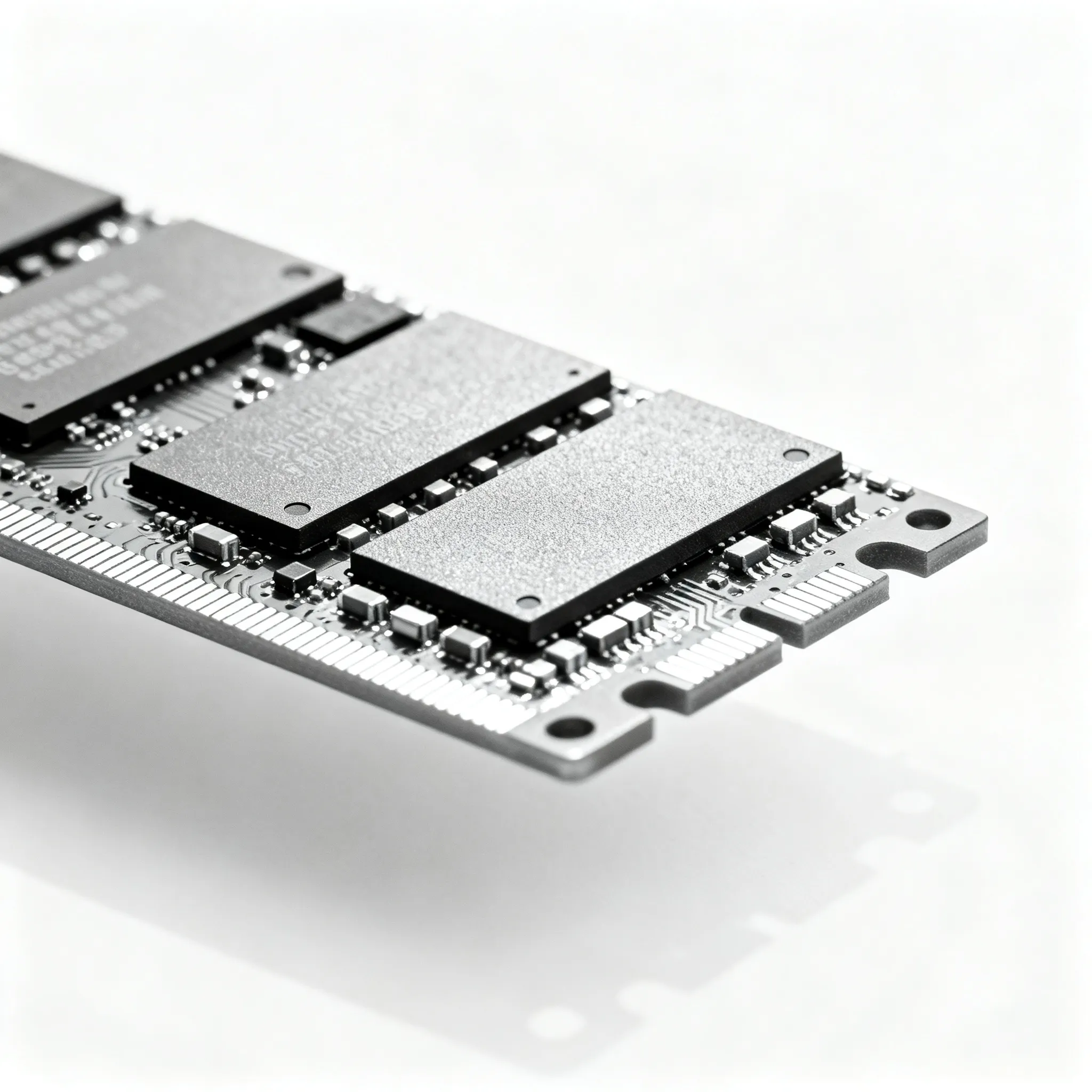
Memory chips store data instead of processing it. DRAM holds the active working memory for running apps and processes. NAND flash keeps files and photos for the long term. The table below shows how the two families differ.
| Aspect | Logic Chip | Memory Chip |
|---|---|---|
| Core function | Performs logical operations on digital input signals; used in processors such as CPUs | Stores data rather than performing logical operations |
| Examples | CPUs and similar logic ICs | DRAM (active working memory) and NAND/flash (long-term storage) |
| Role in a device | Executes computation and control | Holds code and data for active use or persistent storage |
You will also find microcontrollers, which combine a processor core with memory and input/output on one die. These chips run small dedicated tasks, such as reading a button or driving a motor.
Single-Purpose Chips
Application-specific integrated circuits (ASICs) are optimized for one specific use rather than general-purpose computing. They trade flexibility for efficiency. A payment terminal may rely on an ASIC for processing payments, and a power supply may use one for managing power in a device. Cryptocurrency mining hardware is another common home for these parts.
Other single-purpose parts include sensors and analog chips. A sensor converts a physical quantity, such as temperature or motion, into an electrical signal. An analog chip conditions that signal so the rest of the system can use it. Together with microprocessors and memory, these parts form the complete set of microchips inside a typical product. Once you know which category a part belongs to, you can read its role in the device with far less guesswork.
How a Chip Finder Works

Identification Tools and Methods
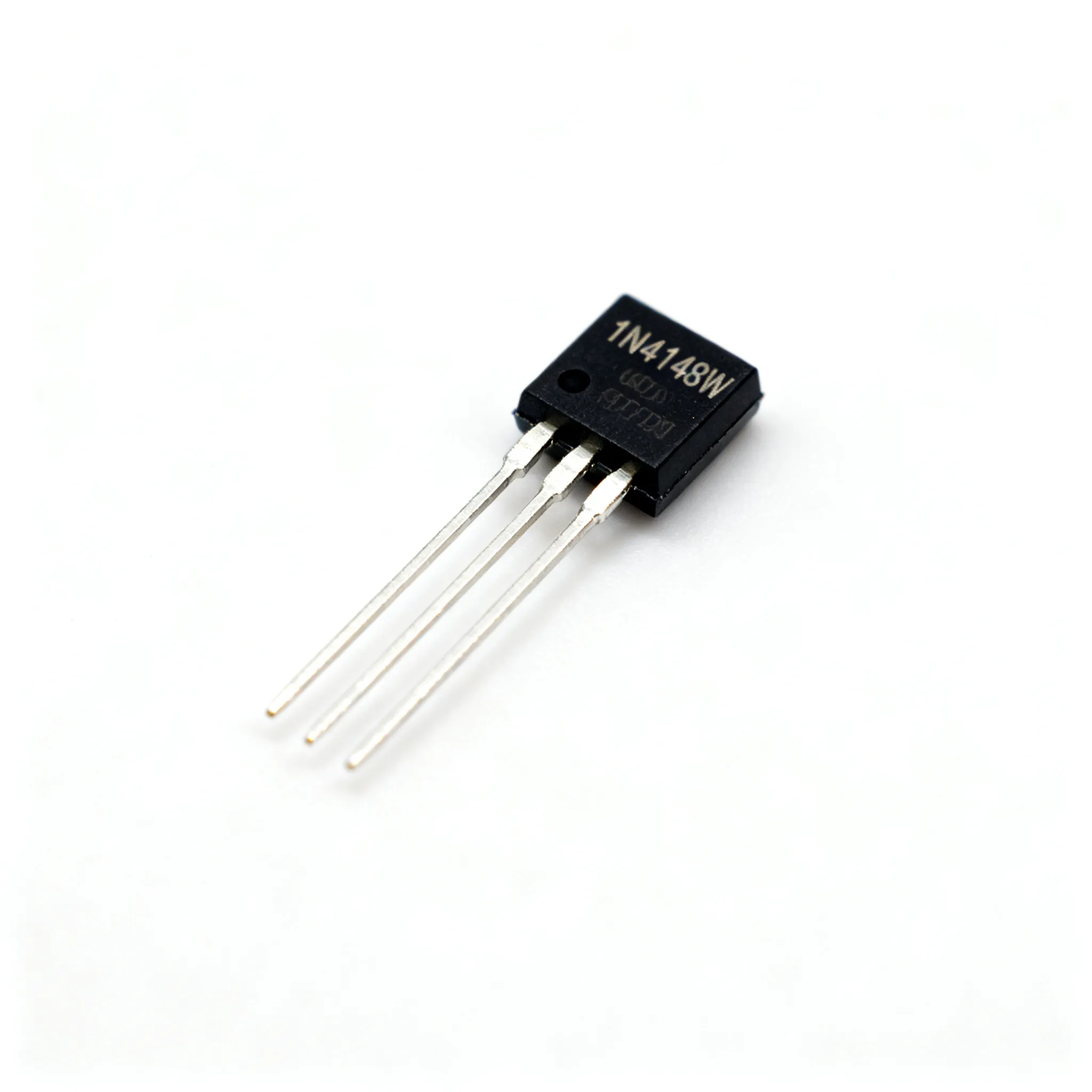
A chip finder works by matching what you can see and measure against known part data. You start with the package. Surface-mount parts carry readable codes, and each family follows its own marking scheme. Chip resistors use Arabic numerals: the first two digits give the base value, and the last digit sets the power of ten. A code of 472 means 47 times 10 squared ohms. Some resistors use an R to mark the decimal point, so R25 reads as 0.25 ohms. Capacitors either print capacitance and voltage directly or use a numeric code in picofarads, with a trailing letter for tolerance. Inductors follow the same numeric pattern as resistors.
Other parts you identify by shape and marking:
- Diodes are polar, and printed lines mark the negative terminal.
- Triodes carry a Q marking.
- Crystal oscillators carry a Y marking and usually show two or four pins.
- SMD integrated circuits are sorted by package type, such as SOP, QFP, or BGA.
A chip finder combines these visual rules with reference data. You read the code, confirm the package, and look up the part. The result is a confirmed identity, not a guess.
Embedded Computing in Practice
Embedded computing puts a dedicated processor inside a product to run one job well. You already own many examples. A smart thermostat uses embedded computing to learn your schedule and trim energy use. Smart lights rely on it for remote dimming and scene control. Security cameras and doorbells use it for remote monitoring and automated alerts. A central hub runs embedded computing to coordinate every device on your network.
The mechanism is consistent. Embedded sensors and actuators feed data to a processor, and network modules carry commands in and out. Wi-Fi, Zigbee, Z-Wave, and Bluetooth links let devices talk to each other and to cloud platforms. Voice assistants and touchscreens give you a natural interface. Automation rules then trigger actions, such as lights switching on when motion is detected.
This is where system integration matters. Nova Technology Company (HK) Limited is a HiSilicon-designated (authorized) solutions partner. The company focuses on integrated circuit solutions and embedded system integration for real products, from chip-level design through embedded computing deployment in consumer and smart home applications.
Practical uses follow directly. For repair, a confirmed part number lets you source a replacement with the right package and rating. For upgrade, you can compare the chips in your device against newer options and judge whether a swap is worthwhile. For understanding, you learn which chips handle control, which store data, and which serve one fixed task. A chip finder turns curiosity into a clear parts list.
Chip Finder Benefits and Concerns

Why a Chip Finder Helps
A chip finder pays off first in repair work. Chip identification lets a technician pinpoint whether a fault starts in a specific integrated circuit, such as the Power Management IC, or in a surface-mount component such as a MOSFET. That distinction is a crucial step in chip-level repair. It sends you to the correct part to test or replace instead of guessing across a whole board. You save time, and you avoid swapping healthy parts.
Upgrade planning is the second gain. Once you confirm the exact part number and package, you can compare it against newer options and judge whether a swap is worthwhile. You check ratings, pin counts, and footprint before you order anything. Understanding is the third gain. You learn which chips handle control, which store data, and which serve one fixed task. That mental map makes every future device easier to reason about.
Technical and Cost Factors
Skill is the main barrier. Effective identification asks for basic electronics theory and troubleshooting, device disassembly and repair, and recognition of chip packages. You also need soldering and desoldering technique, familiarity with rework stations, and safe procedures for removing chips. Reading flash memory and memory controller chips adds another layer: reballing, preparing chips to be read, and using a flash programmer. None of this is out of reach, but it rewards practice before you touch a valuable board.
Cost splits into two paths. A DIY kit looks cheap upfront, while a professional service costs more. Hidden costs exist, though. Inferior materials and limited expertise can produce poor results, and a failed attempt can push a repairable chip into costly replacement. Professional repair costs more but brings high-grade materials, warranty coverage, and expertise. Insurance often covers it at no deductible, so the effective out-of-pocket cost can land below a DIY kit.
Where each path fits best depends on your goal. A hobbyist learning board-level work gains real skill from a kit and a scrap board. A reader protecting a daily-use device fits better with professional service. A repair shop fits best with a reference database plus proper rework gear. None of these options is wrong. Each matches a different level of skill, risk tolerance, and budget.
You touch dozens of devices every day, and chips sit inside nearly all of them. Your car, your phone, your thermostat, and your TV each depend on these tiny chips. Logic chips and memory chips share the work inside every one of them. A chip finder turns that awareness into action. It helps you repair a faulty board, plan a sensible upgrade, or simply understand what runs your home. Curiosity becomes a parts list you can use. The world will keep adding chips to everyday products. Stay curious, keep reading part markings, and you will stay informed about the electronics around you.
FAQ
What exactly does a chip finder do?
A chip finder identifies the chips inside an electronic product. You read the package markings, confirm the part family, and match the code against reference data. The result is a confirmed part number. That identity tells you what the chip does and what replacement or upgrade options exist.
Do I need special skills to identify chips?
You need basic electronics knowledge and some hands-on practice. Reading package codes is simple once you learn the marking schemes. Removing and replacing chips demands soldering skill and safe rework habits. Start on a scrap board before you touch a valuable device.
How do I read the code on a surface-mount resistor?
Chip resistors use a three-digit code. The first two digits give the base value, and the last digit sets the power of ten. A code of 472 means 47 times 10 squared ohms. An R marks the decimal point, so R25 reads as 0.25 ohms.
Should I repair a chip myself or use a professional service?
It depends on your goal and your risk tolerance. A DIY kit costs little upfront and teaches real skill on practice boards. Professional service brings expertise, quality materials, and warranty coverage. A daily-use device usually fits better with professional repair.
Can chip identification help me plan an upgrade?
Yes. A confirmed part number and package let you compare the current chip against newer options. You check ratings, pin counts, and footprint before ordering. That comparison shows whether a swap is worthwhile or whether the existing part already meets your needs.