Define Actuation and Its Core Meaning
Define actuation as the process of converting energy into motion, enabling precise control and movement in devices and engineering systems.
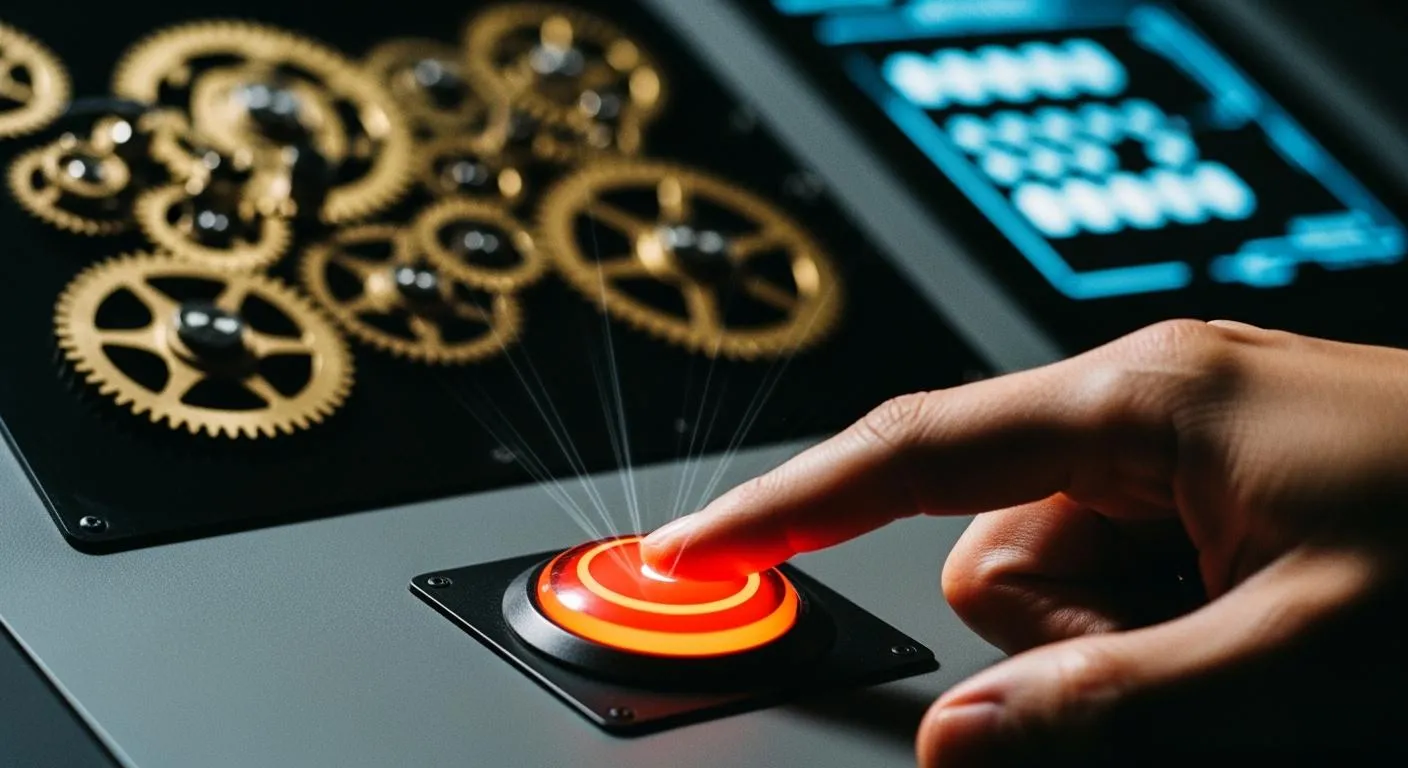
You define actuation as the process where energy transforms into motion, allowing you to control or move objects with precision. In engineering, actuation systems convert force from a power supply into mechanical movement, which can be linear or rotary. Every time you press a switch to turn on a light or operate a machine, you witness actuation in action. Understanding actuation helps you see how technology shapes your daily life and powers modern innovations.
Key Takeaways
- Actuation is the process of converting energy into motion, allowing control over machines and devices.
- Understanding actuation helps you appreciate how technology impacts daily life, from simple tools to complex systems.
- Different types of actuation, such as mechanical, electric, hydraulic, and pneumatic, serve various applications based on energy sources.
- Actuation force is crucial for device performance; selecting the right force ensures safety and efficiency in operation.
- Actuation technology enhances convenience and accessibility, improving quality of life through smart devices and automation.
Define Actuation
Actuation Explained
When you define actuation, you describe the process that turns energy into movement. This process lets you control machines, devices, or systems by making them move or perform tasks. You see actuation every time you press a button and a machine responds, or when a device changes its position or state. In technical terms, actuation means converting energy—like electricity, air pressure, or hydraulic fluid—into mechanical motion.
You can better understand actuation by comparing it with similar concepts. The table below shows how actuation stands apart from automation and control:
| Concept | Definition | Key Focus |
|---|---|---|
| Actuation | Converting energy into motion | Motion control |
| Automation | Broader systems including control mechanisms | System efficiency and integration |
| Control | Mechanisms to manage and direct operations | Precision and response |
When you define actuation, you focus on the part of a system that actually moves or acts. Automation covers the whole process, including sensors and decision-making. Control deals with how you manage and direct the system’s actions.
Core Meaning
The core meaning of actuation centers on making things move or work by using energy. You find actuation in many places, from simple tools to advanced machines. In factories, actuation helps robots pick up parts and move them with accuracy. At home, actuation lets you open windows with a remote or adjust your chair with a button.
To define actuation in a broader sense, you need to look at the main parts that make it work. The table below lists the key components you find in most actuation systems:
| Component | Description |
|---|---|
| Power Source | The energy input that drives the actuator, such as a DC power supply for electric actuators. |
| Motor or Drive Element | Converts electrical energy into rotary motion, determining the actuator's performance. |
| Gear Train | Reduces motor output speed while increasing torque, affecting speed-to-force trade-off. |
| Lead Screw or Ball Screw | Converts rotary motion into linear motion of the actuator shaft. |
| Limit Switches | Automatically cut power to the motor at full extension or retraction to prevent damage. |
You see actuation in both industrial machinery and consumer products. In factories, actuators help automate machines and ensure precise movements. In your daily life, actuation appears in devices like medical equipment and electronics, making them easy and safe to use.
Experts define actuation as the conversion of energy from an outside source into mechanical energy. They classify actuators by the type of energy used, such as electromagnetic, piezoelectric, or fluid power. They also look at what the actuator produces, like force, movement, or power.
When you define actuation, you recognize its role in making technology useful and responsive. You rely on actuation to bring ideas and designs to life, whether you work with machines, use smart devices, or interact with automated systems.
Types of Actuation

You encounter several main types of actuation in engineering and daily life. Each type uses a different energy source and mechanism to create movement. The table below gives you a quick overview:
| Type of Actuator | Description |
|---|---|
| Mechanical | Driven by the motion or force of other parts, such as gears or levers. |
| Pneumatic | Uses compressed air for movement, known for speed and safety. |
| Electric | Employs motors to create linear or rotary motion, ideal for precise control. |
| Hydraulic | Uses pressurized liquid to generate high force, perfect for heavy-duty tasks. |
Mechanical Actuation
Mechanical actuation relies on physical components like gears, cams, and levers. You see this type in simple machines and manual systems. For example, a car jack uses a screw mechanism to lift a vehicle. In factories, you find mechanical actuators in conveyor belts and basic positioning devices. These systems are cost-effective and easy to maintain.
- Common examples:
- Hand-operated levers
- Gear-driven mechanisms
- Manual override systems
Electrical Actuation
Electrical actuation uses motors powered by electricity to produce movement. You find electric actuators in robotics, automation systems, and medical devices. These actuators offer precise control and low noise. For instance, an electric motor can open or close a valve or move a robotic arm with accuracy.
-
How it works:
- An electric motor creates rotary motion.
- A gear train reduces speed and increases torque.
- A lead screw converts rotary motion into linear movement.
-
Applications:
- Valve automation
- Conveyor systems
- Laboratory equipment
Fluidic and Pneumatic Actuation
Fluidic actuation includes both hydraulic and pneumatic systems. Pneumatic actuation uses compressed air to move pistons or diaphragms. You see pneumatic actuators in air tools, automated doors, and material handling. Hydraulic actuation uses pressurized fluid, such as oil, to generate powerful movement. You find hydraulic actuators in heavy machinery, construction equipment, and vehicles.
-
- Air-operated tools
- Valve control in factories
- Packaging machines
-
Hydraulic actuator examples:
- Lifting mechanisms in dump trucks
- Excavator arms
- Marine equipment
Piezoelectric Actuation
Piezoelectric actuation uses special materials that change shape when you apply an electric voltage. This type gives you fine position control and rapid response. You find piezoelectric actuators in precision engineering, such as semiconductor manufacturing and medical imaging devices. They are ideal for tasks that need tiny, accurate movements.
Tip: Piezoelectric actuators work best for applications that require high speed and small adjustments, but they have a limited range of motion.
By understanding these types of actuation, you can choose the right system for your needs, whether you work with robotics, industrial automation, or advanced electronics.
Actuation Force and Function
What Is Actuation Force?
You measure actuation force as the amount of energy needed to move or activate a device, switch, or actuator. This value tells you how much effort you must apply to make a system respond. In engineering, actuation force can be static or dynamic. Static force is the maximum force needed to overcome resistance, such as when an o-ring starts to move. Dynamic force is the average force the o-ring pushes back with during movement. You often see engineers measure actuation force using current draw analysis or performance graphs, especially for linear actuators. Understanding the actual force delivered helps you troubleshoot problems like stalling or slow movement.
You also need to consider operating force, which is the force you use during regular operation. The nominal actuation force is the standard value set for a device, helping you compare different products or designs.
Importance in Engineering
Actuation force plays a key role in actuator design and system performance. You must select the right force for each application to ensure safety, efficiency, and user comfort. For example, in keyboards, a light switch with 35g-45g actuation force allows fast typing but may cause accidental presses. A heavy switch with 65g or more reduces mistakes but can tire your fingers. The table below shows how actuation force affects different aspects of use:
| Aspect | Light Switches (35g - 45g) | Heavy Switches (65g and above) |
|---|---|---|
| Typing Speed | Faster key presses | Slower, more effort needed |
| Typing Accuracy | More accidental presses | Fewer mistakes, better accuracy |
| Finger Fatigue | Less strain, good for long sessions | More fatigue, especially over time |
| Feedback & Satisfaction | Quick, responsive feel | Satisfying for those who like resistance |
You see actuation force vary by actuator type and application. Mechanical advantage, installation, and dynamic effects like vibration can change the force needed. For electro-fluidic actuators, the magnetic field’s strength and direction affect force output. Engineers often test real samples to make sure the operating force matches user needs and system requirements.
Optimizing actuation force can improve both performance and energy efficiency. For example, a medical device company reduced data entry errors by increasing actuation force, while an industrial firm boosted productivity and reduced fatigue by adjusting operating force. You must understand force-travel mechanics to design effective actuators.
In the semiconductor industry, Nova Technology Company (HK) Limited stands out as a HiSilicon-designated solutions partner. The company specializes in chip-level actuation solutions, system integration, and advanced IC applications. You find their expertise in areas like smart devices, industrial automation, and high-performance computing, where precise actuation force control is essential for reliable and efficient system operation.
Tip: Always test actuation force with real components to ensure your design meets both technical and user experience goals.
Actuation in Everyday Life

Common Examples
You experience actuation every day, often without noticing. Many household products rely on actuators to make your life easier and more comfortable. For example:
- Electric linear actuators power adjustable beds, letting you change your sleeping position with a button.
- Motorized TV lifts allow televisions to rise from cabinets, reducing clutter and saving space.
- Adjustable desks and recliners use actuators to provide ergonomic comfort.
- Automated window blinds open and close with a remote, using small electric motors.
- Smart home devices, such as thermostats and security cameras, use actuators for precise movement.
In wearable technology, you find actuators in fitness trackers and smartwatches. These devices use haptic feedback to alert you with gentle vibrations. Motion and inertial sensors in wearables collect real-time health data, helping you monitor your activity and well-being. Smart home hubs connect many actuated devices, giving you control over lighting, temperature, and security from your phone.
Actuation also plays a key role in accessibility. Motion actuation ensures that users with limited mobility can interact with devices using on-screen buttons or voice commands. Electric actuators in wheelchairs and platform lifts help millions of people move independently.
Practical Significance
Actuation improves your quality of life in many ways. It makes daily tasks easier, safer, and more efficient. For people with disabilities, actuators provide independence and access to environments that might otherwise be challenging.
You also see actuation technology driving innovation in smart homes and urban infrastructure. The table below shows how actuators influence modern living standards:
| Aspect of Influence | Description |
|---|---|
| Smart Home Automation | Actuators enable remote management of home environments, enhancing comfort and security. |
| Energy Efficiency | Actuators optimize HVAC and lighting systems, reducing energy use and saving money. |
| Urban Infrastructure | Actuators improve waste management and water distribution, benefiting cities and the planet. |
Actuation technology continues to evolve, making devices smarter and more responsive. As you adopt new technologies, you benefit from greater convenience, improved health monitoring, and a safer, more accessible world.
You can define actuation as the act of propelling or causing movement. The table below highlights the core meaning:
| Term | Definition |
|---|---|
| actuation | the act of propelling |
| synonyms | propulsion, act, deed, human action, human activity |
Understanding actuation and its types helps you select the right technology for control, energy efficiency, and reliability. In your daily life, you see actuation force in products like spray pumps, medical devices, and electronics. When you notice how things move or respond, you recognize the impact of actuation in the world around you.
FAQ
What does it mean to define actuation?
You define actuation as the process that turns energy into motion. This process lets you control devices and systems. You see actuation when you press a switch and something moves or responds.
What are the main types of actuation?
You find several types of actuation, including mechanical, electric, hydraulic, and pneumatic actuators. Each type uses a different energy source to create movement. You choose the right type based on your application needs.
How does actuation force affect device performance?
Actuation force measures the energy needed to move or activate a device. You must select the correct actuation force for safety and efficiency. The nominal actuation force helps you compare products and designs.
What is the difference between hydraulic and pneumatic actuators?
Hydraulic actuators use pressurized liquid to generate high force. Pneumatic actuators rely on compressed air for quick movement. You select hydraulic for heavy tasks and pneumatic for speed and safety.
Where do you see electric actuation in daily life?
You see electric actuation in devices like adjustable beds, motorized blinds, and smart home systems. When you press a switch, electric actuators create precise movement for comfort and convenience.