DC Power Simplified for Everyday Electronics
Define dc as direct current: a steady, one-way flow of electricity powering and protecting everyday electronics for stable, efficient device operation.
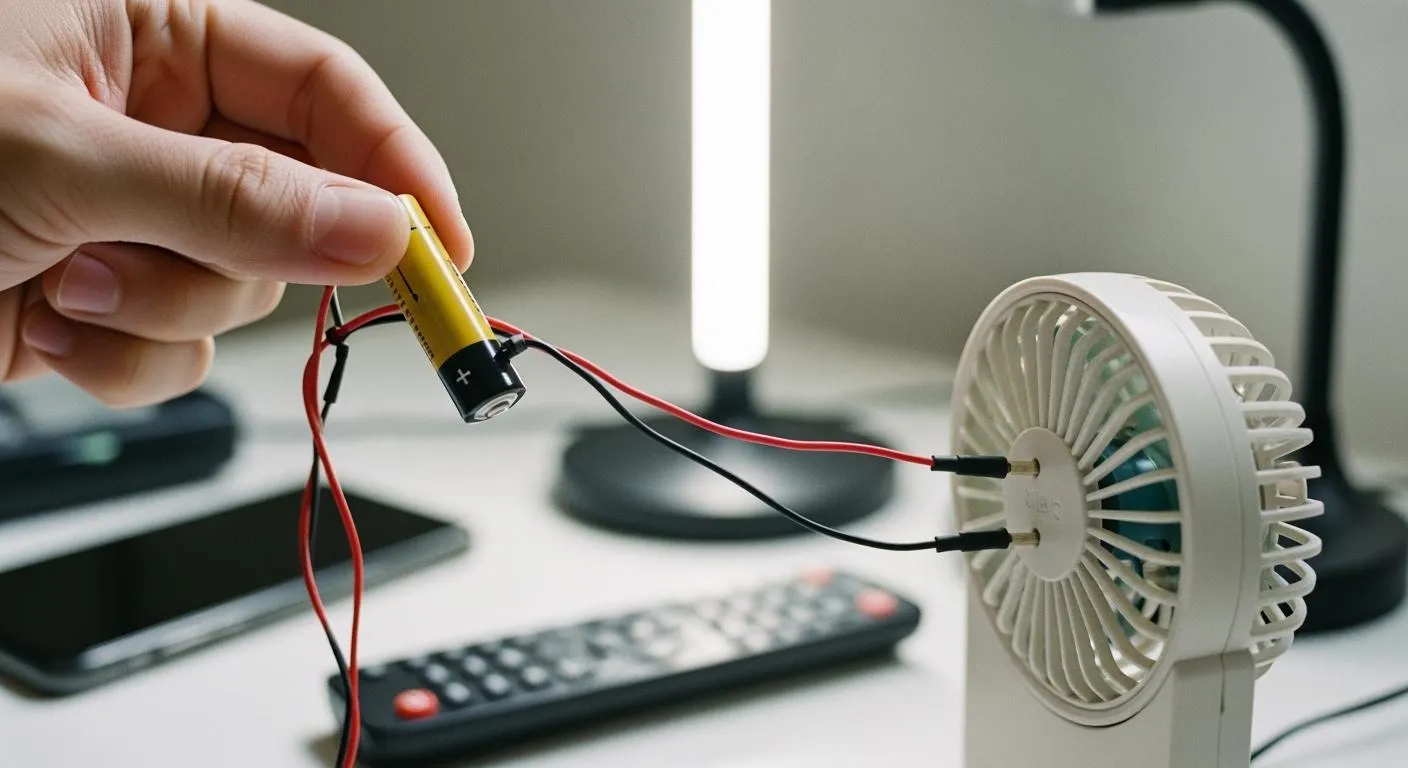
To define dc, you can think of it as electricity that flows in one direction and keeps your devices running smoothly. You rely on dc every time you charge your phone, use a laptop, or listen to music on a portable speaker. By understanding how dc works, you make smarter choices when picking electronics for your needs.
- DC power keeps your devices stable and reliable.
- Knowing about dc helps you find efficient and compatible electronics.
Key Takeaways
- DC power flows in one direction, providing stable and reliable electricity for devices like smartphones and laptops.
- Understanding DC helps you choose efficient electronics, reducing energy waste and enhancing device longevity.
- DC is safer than AC, operating at lower voltages and minimizing the risk of electrical shock in everyday devices.
Define DC: What Is Direct Current?

One-Directional Flow of Electric Charge
When you define dc, you describe a type of electricity where the electric charge moves in only one direction. Scientists call this a unidirectional flow of current. In direct current, the electrons travel steadily from the negative side to the positive side. The direction never changes, even if the amount of current or voltage goes up or down. This steady movement makes dc very predictable and easy to control.
Note: Unlike alternating current (AC), which switches direction many times per second, dc always flows the same way. This difference helps you understand why electronics rely on dc for stable operation.
You can see the main differences between AC and DC in the table below:
| Aspect | AC (Alternating Current) | DC (Direct Current) |
|---|---|---|
| Waveform | Alternates direction in a sine wave pattern | Flows steadily in one direction |
| Polarity | Switches polarity continuously | Has defined positive and negative terminals |
| Generation | Requires complex mechanical generators | Arises from chemical reactions in batteries |
| Transmission | Can be transmitted over long distances with minimal loss | More power loss during transmission due to difficulty in stepping up voltage |
| Usage | Preferred for lighting, motors, and appliances | Suitable for electronics, batteries, and vehicles |
DC Sources: Batteries, Solar Cells, Converters
You find dc in many sources that power your everyday electronics. The most common sources include batteries, solar cells, and adapters that convert AC from wall outlets into dc. Each source provides a steady, one-way flow of electricity that your devices need.
Here is a quick overview of the main dc sources:
| Source Type | Description |
|---|---|
| Battery Input | Essential for the mobility of portable devices like smartphones and laptops. |
| AC Adapter | Converts AC from an outlet to regulated DC, powering devices and recharging batteries. |
| Energy Harvesting | Technologies that capture and convert ambient energy into usable DC power for small devices. |
Batteries use chemical reactions to create dc, which makes them perfect for portable gadgets. AC adapters take the electricity from your home and change it into dc so your devices can use it safely. Some modern devices even use energy harvesting, which collects small amounts of power from the environment and turns it into dc.
Constant Polarity and Reliability
When you use dc, you get constant polarity. This means the positive and negative terminals never switch places. Your devices depend on this stability to work correctly. If the polarity changed, sensitive electronics could get damaged or stop working.
You can trust dc to deliver reliable power. The steady flow and fixed polarity help prevent sudden changes that might harm your devices. This reliability is one reason why engineers choose dc for most electronic circuits. When you define dc, you see how important it is for keeping your electronics safe and efficient.
DC in Electronics
Everyday Devices Using DC
You interact with direct current every day, often without realizing it. Many electronic devices rely on dc to function properly. Here are some common examples:
- Smartphones
- Laptops
- Televisions
- Gaming consoles
These devices use dc because it provides the steady, one-way flow of electricity that sensitive circuits need. When you define dc, you see how it powers almost every modern gadget in your home or office.
Why DC Is Essential for Modern Devices
DC plays a vital role in the performance and longevity of your electronic devices. Stable voltage and current from dc power supplies reduce noise interference, which helps your smartphone or laptop run efficiently. If your device receives properly regulated dc, it can last longer because it avoids overheating and energy waste. Reliable power also prevents unexpected shutdowns, so your workflow stays smooth and your hardware remains safe. Fluctuations in power can damage components and shorten the lifespan of your electronics, making dc essential for protecting your investment.
How DC Is Supplied to Electronics
You receive dc power through several methods. Batteries, solar cells, and fuel cells provide consistent voltage for most electronics. AC adapters convert electricity from your wall outlet into dc, using transformers, rectifiers, and filters to ensure clean power reaches your device. USB-C adapters have become popular because they deliver both high-speed data and adjustable power, supporting everything from phones to monitors.
Nova Technology Company (HK) Limited, a HiSilicon-designated solutions partner, specializes in chip-level solutions and system integration for the integrated circuit industry. Their expertise supports advanced application scenarios in consumer electronics, ensuring efficient dc power management within every electrical circuit.
When you define dc in the context of an electrical circuit, you understand its importance for stable and reliable operation. DC power supplies help your electronic devices perform at their best, keeping your daily life connected and productive.
DC vs AC

Flow and Polarity Differences
You can easily spot the main differences between dc and AC by looking at how electricity moves and how the terminals behave. DC flows in one direction, while AC switches direction many times each second. The table below shows these differences:
| Feature | AC Power | DC Power |
|---|---|---|
| Waveform | Alternates direction in a sine wave pattern | Flows steadily in one direction |
| Polarity | Switches polarity continuously | Has defined positive and negative terminals |
This steady flow and fixed polarity make dc ideal for devices that need stable power.
Practical Impact for Consumers
When you use electronics at home, school, or work, the type of power matters. Here are some ways dc and AC affect your daily life:
- Medical equipment uses stable power to prevent dangerous fluctuations and meets strict safety standards.
- Household appliances last longer and work better when protected from voltage spikes.
- Electric vehicles charge efficiently and support new energy solutions by converting AC to dc.
- Industrial machines avoid downtime because they get reliable power and protection from electrical faults.
You benefit from safer, more reliable, and longer-lasting devices because of these differences.
Why Electronics Prefer DC
Most electronics choose dc for several important reasons:
- DC gives a steady and consistent flow, which is critical for microprocessors and other precision parts.
- Devices that use dc waste less energy, making them more efficient.
- Many gadgets can use dc directly, which boosts performance and saves power.
When you pick electronics, knowing how dc works helps you make smarter choices for safety and efficiency.
Benefits of DC Power
Safety for Users
You experience greater safety when you use dc power in your electronic devices. DC operates at lower voltages than AC, which means you face less risk of severe electrical shock. The steady flow of dc makes it less likely to cause dangerous accidents, especially in portable gadgets. Many renewable energy systems use dc at safe voltage levels, so you can trust your solar-powered devices at home or outdoors. Electric vehicles also rely on dc, and their charging stations include advanced safety features to protect you.
- DC power is less likely to cause severe shocks at low voltages.
- Lower voltage operation means safer use in homes and schools.
- Renewable energy systems and electric vehicles use dc for added safety.
Efficiency and Reliability
You benefit from high efficiency and reliability when your electronic devices use dc. Advanced semiconductor devices and optimized control techniques reduce power losses during conversion. Efficient magnetic design and robust thermal management help your devices run cooler and last longer. High-efficiency dc-dc converters play a key role in renewable energy systems by turning variable outputs from solar panels into stable power for your electronics. This conversion process ensures you get the most energy possible from every source.
| Technique | Benefit |
|---|---|
| Advanced semiconductor devices | Reduces power losses and improves reliability |
| Optimized control techniques | Enhances system performance and efficiency |
| Efficient magnetic design | Increases power density and reduces heat |
| Robust thermal management | Ensures longevity and reliability |
You will notice less downtime and longer device life because of these improvements.
Predictable Performance
You can count on dc to deliver predictable performance for your electronic devices. The steady, one-way flow of electricity means your devices avoid sudden surges or drops in power. Reliability metrics, such as failure rate and mean time between failures, show that dc-powered systems often last longer and perform better under different conditions. Using dc with inverter technology reduces wear and tear, so your devices stay in good shape for years. This predictable performance helps you trust your electronics every day.
You rely on DC power every day because it keeps your electronics stable and efficient.
- DC supplies steady voltage and current, which protects sensitive devices.
- Improved efficiency means less energy waste and a smaller environmental impact.
Understanding DC helps you choose smarter, safer technology.
Stay informed and power your world with confidence! ⚡
FAQ
What is dc circuit theory and why should you learn it?
You use dc circuit theory to understand how current flows in one direction. This knowledge helps you troubleshoot, design, and safely use electronic devices every day.
How does dc circuit theory help you with electronics?
Dc circuit theory explains how voltage, current, and resistance interact. You apply these principles to predict device behavior, solve problems, and improve your understanding of electronic circuits.
What is the difference between dc circuit theory and ac circuit theory?
Dc circuit theory focuses on steady, one-way current flow. Ac circuit theory deals with current that changes direction. You use dc circuit theory for most electronics, while ac applies to household power.
How does conversion from ac to dc work in your devices?
You use a rectifier and filter to change alternating current into direct current. This process lets your electronics receive stable power, which dc circuit theory helps you understand.
Can you use dc circuit theory to design your own circuits?
Yes! Dc circuit theory gives you the tools to calculate voltage, current, and resistance. You can build simple circuits and test ideas safely at home or in class.
Why do batteries follow dc circuit theory?
Batteries produce a constant voltage and current in one direction. Dc circuit theory describes how this power flows through your devices, making it easy to predict performance.
How does dc circuit theory relate to Ohm’s Law?
Ohm’s Law is a key part of dc circuit theory. You use it to find the relationship between voltage, current, and resistance in any direct current circuit.
What happens if you ignore dc circuit theory in electronics?
If you ignore dc circuit theory, you might connect parts incorrectly. This can cause devices to fail, overheat, or even become unsafe for you to use.
How do resistors work in dc circuit theory?
Resistors limit current flow in a circuit. Dc circuit theory helps you calculate the right resistor value so your devices work safely and efficiently.
Why do you need to know about series and parallel circuits in dc circuit theory?
Series and parallel circuits affect how voltage and current split. Dc circuit theory lets you predict how your devices will perform in different setups.
How does dc circuit theory help with troubleshooting?
When something goes wrong, dc circuit theory guides you to check voltage, current, and resistance. You can quickly find and fix problems in your electronics.
Where can you apply dc circuit theory outside of school?
You use dc circuit theory in hobbies, repairs, and even in some jobs. It helps you understand solar panels, electric vehicles, and many modern technologies.