Maximize Performance and Minimize Costs: A Guide to Choosing the Right Memory Chips for Your Projects
Expert guide on Maximize Performance and Minimize Costs: A Guide to Choosing the Right Memory Chips for Your Projects. Technical specs, applications, sourcing tips for engineers and buyers.
Introduction
In the rapidly evolving world of electronics, selecting the right memory chips for your projects is crucial to ensure optimal performance while keeping costs under control. With the semiconductor industry experiencing significant growth—reaching $595.2 billion in global revenue by 2026, according to the Semiconductor Industry Association—understanding the intricacies of memory chip selection has never been more important. This guide provides a comprehensive overview of the process parameters, equipment, and tools required, as well as common issues and solutions, to help you make informed decisions.
Technical Overview
Memory chips are a fundamental component in electronic systems, serving as the storage medium for data and instructions. The two primary categories of memory are volatile memory, such as RAM, which requires power to maintain stored information, and non-volatile memory, like ROM or flash, which retains data without power. The choice between these depends on the specific needs of your application, such as speed, capacity, and power consumption.
Key parameters to consider when selecting memory chips include access time, data retention, endurance, and power consumption. Access time is critical for high-performance applications, while data retention and endurance are crucial for applications requiring long-term reliability. Additionally, power consumption can significantly impact the overall energy efficiency of the device, especially in battery-powered applications.
With advancements in technology, memory chips are now available in various form factors and interfaces, including DDR, NAND, and NOR flash. Each type has its unique advantages and is suited for different applications, making it essential to understand the specific requirements of your project to choose the appropriate memory type.
Detailed Specifications
| Parameter | Specification | Units | Tolerance | Notes |
|---|---|---|---|---|
| Access Time | 10-20 | ns | ±5% | Depends on memory type |
| Data Retention | 10-20 | years | ±10% | Non-volatile memory only |
| Endurance | 100,000 | cycles | ±10% | Write/erase cycles |
| Power Consumption | 1-5 | mW | ±5% | Idle state |
| Operating Voltage | 1.8-3.3 | V | ±5% | Typical range |
| Interface | DDR, NAND, NOR | - | - | Depends on application |
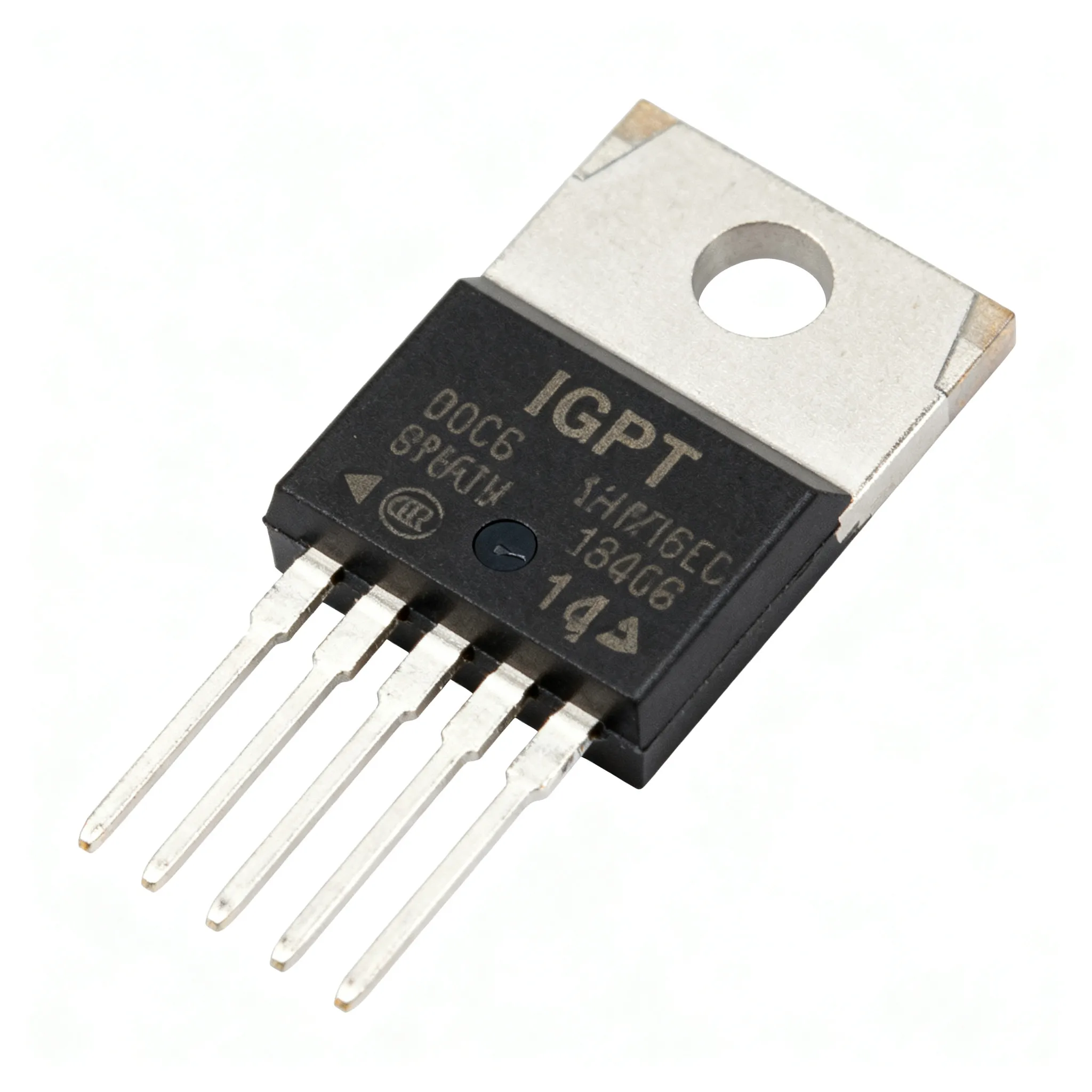
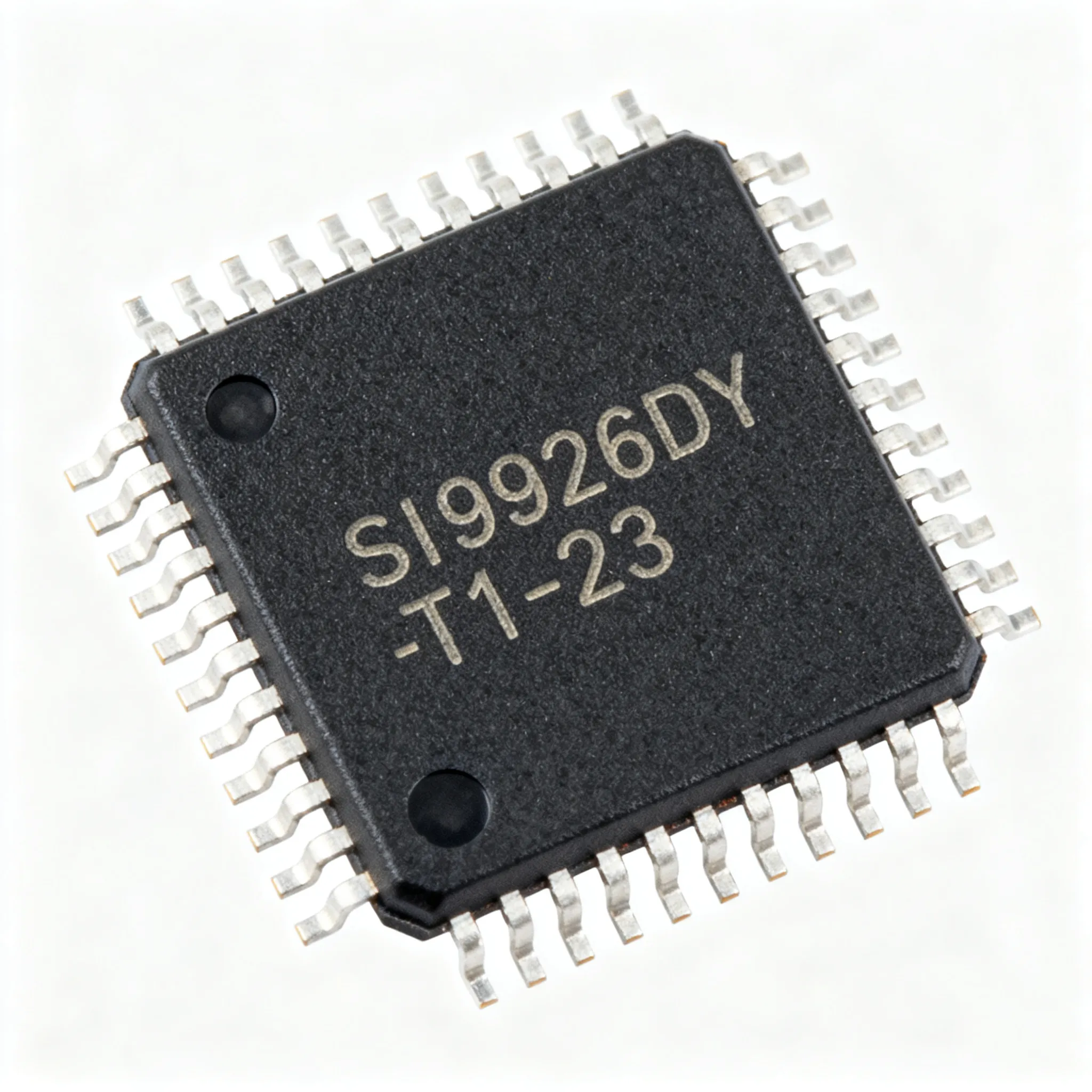
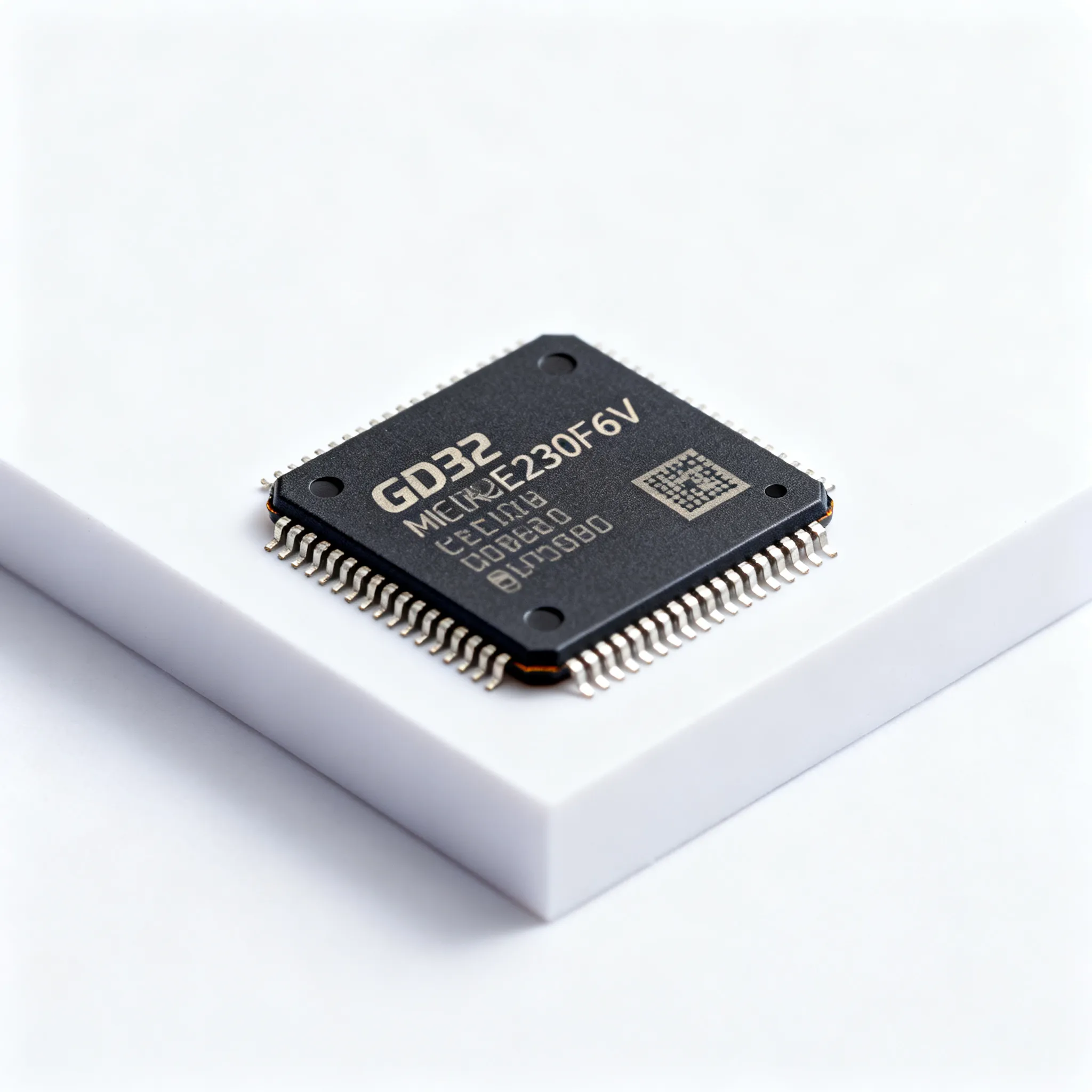
| Package Type | SOP, TSOP, BGA | - | - | Varies by manufacturer |
| Temperature Range | -40 to 85 | °C | ±5°C | Industrial grade |
| Latency | 15-25 | ns | ±5% | Critical for performance |
| Density | 1-16 | GB | ±10% | Varies by application |
Understanding the specifications of memory chips is crucial for optimizing performance and cost. The table above outlines key process parameters and their typical values, including access time, data retention, endurance, and power consumption. Access time, measured in nanoseconds, is critical for high-speed applications, while data retention, measured in years, is essential for long-term storage solutions. Endurance, indicated by the number of write/erase cycles, determines the longevity of the memory, especially in applications with frequent data updates. Power consumption, operating voltage, and interface type are additional factors that influence the overall performance and compatibility of the memory chip with your project.
Design Considerations
When designing a system that incorporates memory chips, several factors must be considered to balance performance and cost effectively. First, assess the required memory capacity based on the application's data storage needs. Overestimating capacity can lead to unnecessary costs, while underestimating can hinder performance or functionality.
Next, evaluate the speed requirements of your application. High-speed memory chips are often more expensive, so it's important to determine whether the additional cost is justified by the performance gains. Consider the impact of access time and latency on the overall system speed and responsiveness.
Power consumption is another critical consideration, particularly for battery-powered or energy-efficient applications. Low-power memory chips can extend battery life and reduce heat generation, contributing to a more sustainable design.
Additionally, consider the operating environment of your project. Industrial applications may require memory chips with extended temperature ranges and higher endurance to withstand harsh conditions. Evaluate the trade-offs between cost and reliability to ensure that the chosen memory chip meets the specific demands of your application.
Finally, compatibility with existing system components is essential. Ensure that the memory chip's interface and package type align with the rest of your system to avoid integration issues and additional costs. By carefully considering these design factors, you can select the most appropriate memory chips for your project, maximizing performance while minimizing costs.
Step-by-Step Guide
- Define Project Requirements: Identify the specific needs of your project, including data storage capacity, speed, power consumption, and environmental conditions. This will guide your selection process and ensure that the chosen memory chip meets all necessary criteria.
- Research Memory Types: Familiarize yourself with the different types of memory chips available, such as DDR, NAND, and NOR flash. Understand the advantages and limitations of each type to determine which is most suitable for your application.
- Evaluate Specifications: Refer to the detailed specifications table to compare key parameters, such as access time, endurance, and power consumption. Prioritize the parameters that are most critical for your project to narrow down your options.
- Consider Design Constraints: Assess any design constraints, such as size, temperature range, and interface compatibility. Ensure that the memory chip fits within your system's physical and technical limitations.
- Analyze Cost vs. Performance: Weigh the cost of the memory chip against its performance benefits. Consider whether higher performance justifies the additional cost or if a more economical option would suffice.
- Source Components: Use trusted distributors like DigiKey Electronics and IC Online to source memory chips. Check for availability, pricing, and lead times to ensure timely delivery.
- Prototype and Test: Once you have selected a memory chip, build a prototype and conduct thorough testing to validate its performance and compatibility with your system. Iterate on the design as needed to address any issues or optimize performance.
- Implement Quality Control: Establish quality control measures to ensure consistent performance and reliability in production. Regularly monitor key parameters and conduct audits to maintain high standards.
Common Issues & Solutions
| Issue | Solution | Notes |
|---|---|---|
| Excessive Power Consumption | Select low-power memory chips and optimize power management. | Important for battery-powered applications. |
| Data Corruption | Implement error correction codes (ECC) and regular data backups. | Critical for data integrity. |
| Interface Compatibility Issues | Ensure proper matching of memory chip interface with system components. | Check datasheets for compatibility. |
| Overheating | Use heat sinks or fans to dissipate heat and select memory chips with lower power consumption. | Affects longevity and reliability. |
| Limited Endurance | Choose memory chips with higher endurance ratings or implement wear leveling techniques. | Especially important for write-intensive applications. |
| Supply Chain Delays | Plan ahead and source components from multiple suppliers to mitigate risks. | Consider lead times in project planning. |
Memory chip selection can be fraught with challenges, but understanding common issues and their solutions can help mitigate potential risks. For example, excessive power consumption can be addressed by selecting low-power memory chips and optimizing power management strategies. Data corruption can be minimized by implementing error correction codes (ECC) and regular data backups. Interface compatibility issues can be avoided by ensuring that the memory chip's interface matches the rest of your system components.
Applications & Use Cases
Memory chips are used across a wide range of applications, from consumer electronics to industrial systems. In smartphones and tablets, high-speed RAM is essential for smooth multitasking and responsive user interfaces. In automotive applications, reliable non-volatile memory is critical for storing firmware and diagnostic data. Industrial automation systems rely on durable memory chips to withstand harsh environments and maintain data integrity.
Additionally, memory chips are integral to the functioning of IoT devices, where low power consumption and compact size are paramount. In data centers, high-capacity memory modules are crucial for managing large volumes of data efficiently. Each application has unique requirements, underscoring the importance of selecting the right memory chip for your specific use case.
Selection & Sourcing Guide
Sourcing the right memory chips is a critical step in the design process. Authorized distributors like IC Online offer a wide range of components with competitive pricing and fast delivery. Be sure to check for availability and lead times to ensure timely procurement of the required memory chips. Consider working with multiple suppliers to mitigate supply chain risks and secure the best pricing options.
FAQ
- What factors should I consider when choosing a memory chip? Consider capacity, speed, power consumption, endurance, and compatibility with your system.
- How do I determine the right memory type for my application? Assess your project's specific requirements, such as data storage needs and environmental conditions.
- What is the difference between volatile and non-volatile memory? Volatile memory requires power to retain data, while non-volatile memory retains data without power.
- How can I reduce power consumption in my design? Select low-power memory chips and optimize power management strategies.
- What is the significance of access time in memory chips? Access time affects the speed at which data can be read from or written to the memory.
- How do I ensure data integrity in my design? Implement error correction codes (ECC) and regular data backups.
- What measures can I take to address overheating issues? Use heat sinks or fans and select memory chips with lower power consumption.
- How do I mitigate supply chain delays? Plan ahead and source components from multiple suppliers to reduce risks.
- What is endurance, and why is it important? Endurance refers to the number of write/erase cycles a memory chip can withstand; it's crucial for write-intensive applications.
- Where can I source memory chips for my project? Use trusted distributors like DigiKey Electronics and IC Online.
Conclusion
Selecting the right memory chips for your projects is a critical decision that impacts performance, cost, and reliability. By understanding the key process parameters, design considerations, and common issues, you can make informed choices that maximize performance while minimizing costs. Use trusted sources for component procurement, and implement quality control measures to ensure consistent performance across production batches. With careful planning and execution, you can successfully navigate the complexities of memory chip selection to achieve optimal results in your projects.