Semiconductors Insights: A Practical Guide to Choosing the Right Components for Your Projects
Expert guide on Semiconductors Insights: A Practical Guide to Choosing the Right Components for Your Projects. Technical specs, applications, sourcing tips for engineers and buyers.
Introduction
In the rapidly advancing world of electronics, selecting the right semiconductor components is crucial for the success of any project. With the semiconductor industry projected to reach a staggering $595.2 billion by 2026, understanding component specifications, datasheets, and application circuits has never been more important. This guide aims to demystify the process and provide practical insights into choosing the right components for your projects, ensuring optimal performance, reliability, and cost-effectiveness.
Technical Overview
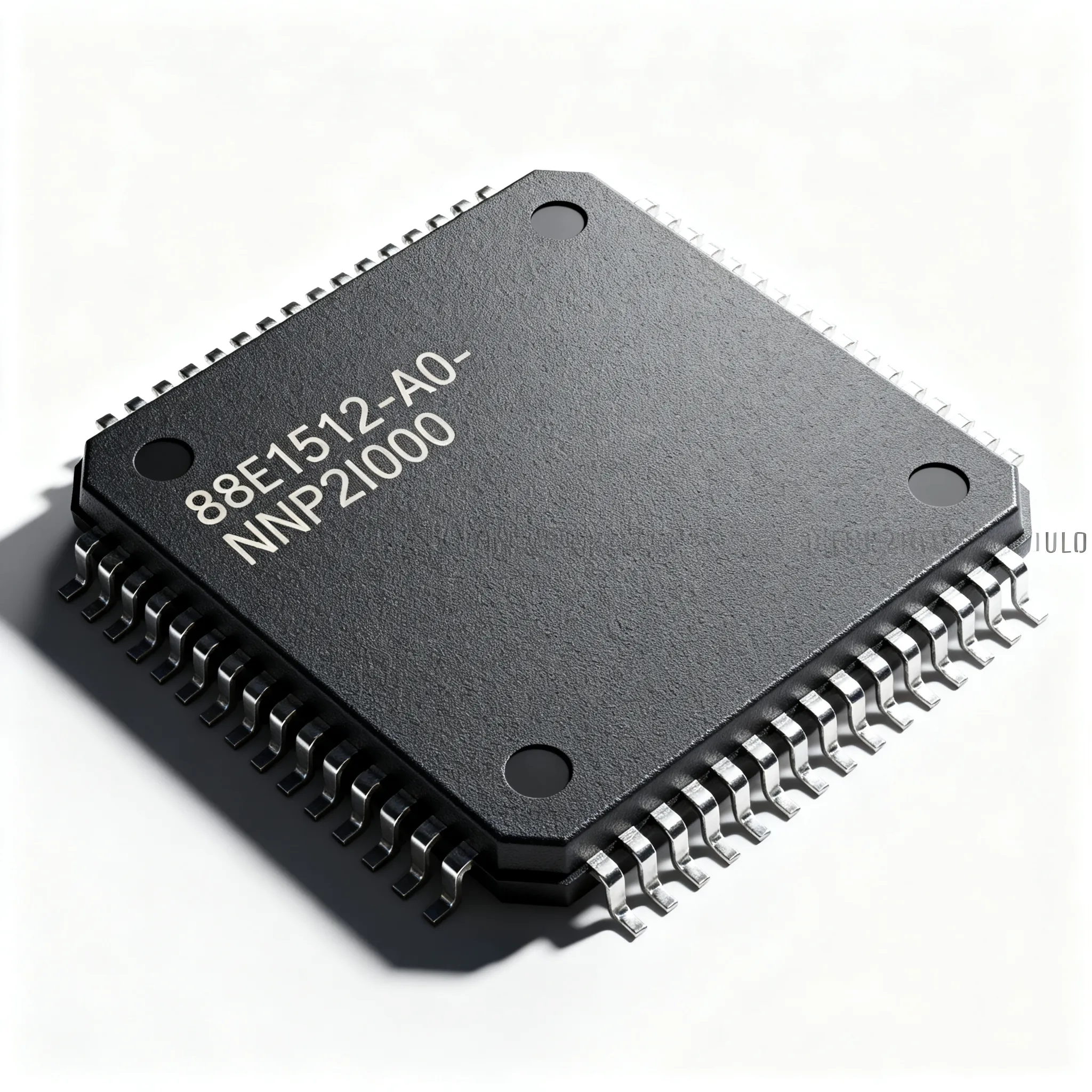
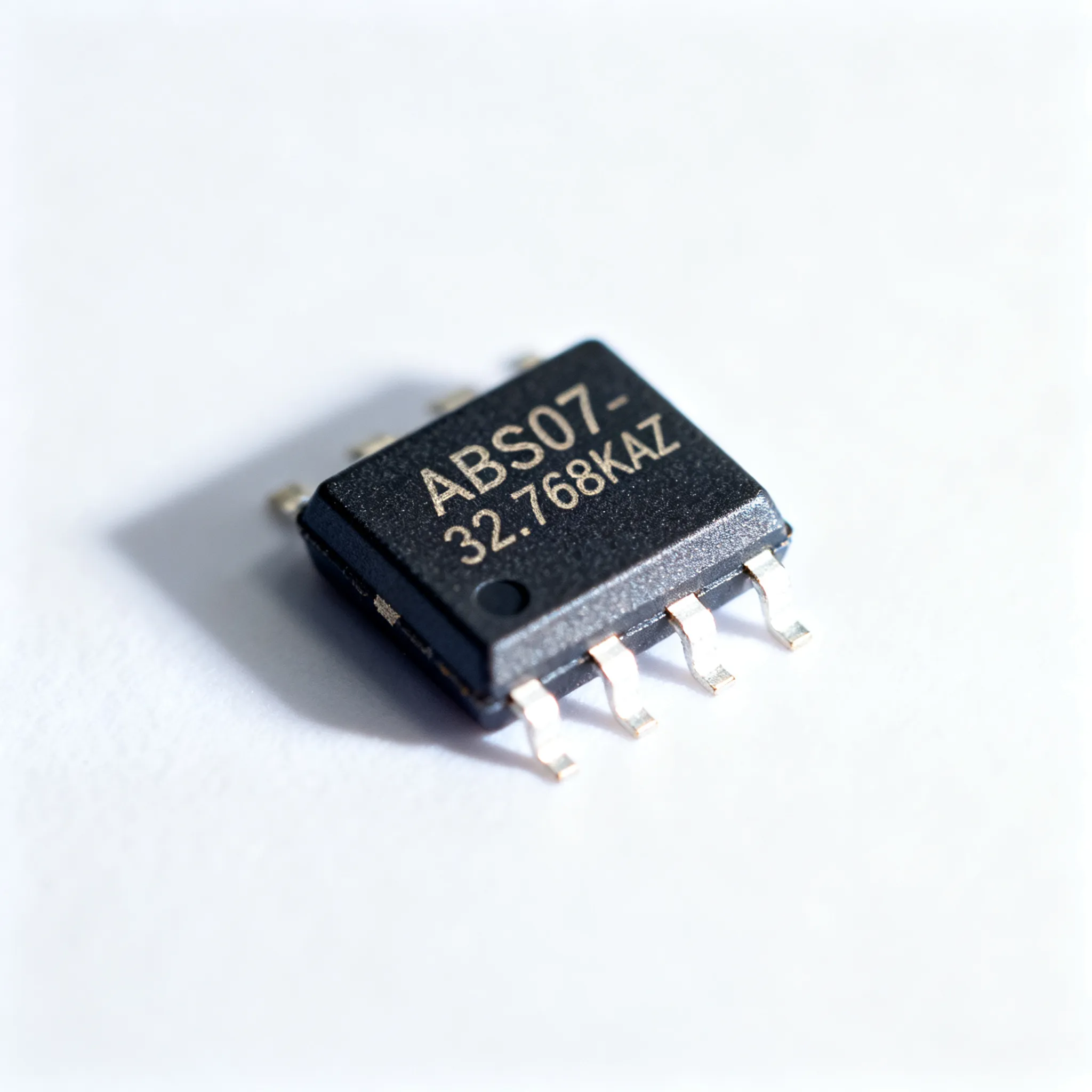
Semiconductors are the backbone of modern electronics, enabling the functionality of everything from smartphones to industrial machinery. They come in various forms, including diodes, transistors, and integrated circuits (ICs), each serving specific functions. The core principle behind semiconductors is their ability to control electrical current, acting as switches or amplifiers in circuits. Understanding key specifications such as voltage, current, power ratings, and switching speed is essential for selecting the right component for your application.
Datasheets are invaluable resources that provide detailed specifications and characteristics of semiconductor components. They include electrical parameters, thermal and mechanical properties, and application circuits. By analyzing these datasheets, engineers can make informed decisions, ensuring compatibility and efficiency in their designs. Additionally, application circuits provide practical examples of how components can be implemented, offering insights into real-world performance and potential limitations.
Detailed Specifications
| Parameter | Value | Units | Notes |
|---|---|---|---|
| Maximum Voltage Rating | 600 | V | Ensures component operates within safe limits |
| Continuous Current Rating | 10 | A | Sustained current capacity |
| Peak Current Rating | 30 | A | Short duration maximum current |
| Power Dissipation | 100 | W | Maximum power the component can dissipate |
| Switching Speed | 20 | ns | Time to switch from off to on state |
| Input Capacitance | 1.5 | nF | Affects switching speed and power loss |
| Output Capacitance | 0.8 | nF | Related to load driving capability |
| Gate Threshold Voltage | 4.5 | V | Minimum voltage to turn on the component |
| Operating Temperature Range | -55 to 150 | °C | Temperature range for safe operation |
| Parameter | Value | Units | Notes |
|---|---|---|---|
| Thermal Resistance (Junction to Case) | 0.95 | °C/W | Lower values indicate better heat dissipation |
| Thermal Resistance (Junction to Ambient) | 40 | °C/W | Important for cooling system design |
| Package Type | TO-220 | - | Common package for power components |
| Lead Material | Copper | - | Ensures good electrical conductivity |
| Mounting Style | Through Hole | - | Traditional mounting method |
| Weight | 2.5 | g | Important for mechanical design |
| Height | 15.2 | mm | Overall height of the component |
| Width | 10.4 | mm | Overall width of the component |
| Application | Component Model | Performance | Notes |
|---|---|---|---|
| Switch Mode Power Supply (SMPS) | IRFZ44N | High Efficiency | Popular choice for SMPS designs |
| Motor Control | STP75NF75 | Robust Performance | Handles high currents effectively |
| Audio Amplifier | TIP41C | Low Distortion | Ensures clear audio output |
| LED Lighting | LM317 | Stable Current Regulation | Maintains consistent brightness |
| Battery Management System (BMS) | IRF3205 | High Reliability | Essential for safe battery operation |
The tables above provide a comprehensive overview of the critical specifications to consider when selecting semiconductor components. Electrical specifications like voltage and current ratings ensure the component can handle the required power levels. Thermal and mechanical specifications, such as thermal resistance and package type, are vital for ensuring the component can be effectively integrated into the system with adequate heat dissipation. Application comparisons highlight the versatility of various components and their suitability for specific applications.
Design Considerations
When designing electronic circuits, several key considerations must be addressed to ensure the successful implementation of semiconductor components. First, it is essential to match the electrical specifications of the component with the requirements of the application. This includes ensuring that the voltage and current ratings are suitable for the operating environment, preventing potential component failure.
Thermal management is another critical aspect of design. Components generate heat during operation, and inadequate cooling can lead to thermal runaway, damaging the component and surrounding circuitry. Selecting components with appropriate thermal resistance and implementing effective heat dissipation methods, such as heat sinks or cooling fans, can mitigate this risk.
The mechanical properties of the component, including package type and mounting style, should also be considered. These factors impact the physical integration of the component into the circuit board and its overall reliability. For instance, surface-mount components offer space-saving advantages but may require specialized soldering techniques.
Additionally, understanding the application circuits provided in datasheets can offer valuable insights into the optimal implementation of components. These circuits often illustrate best practices and highlight potential pitfalls, guiding engineers in designing robust and efficient systems.
Step-by-Step Guide
- Identify Application Requirements: Begin by clearly defining the requirements of your application. Determine the necessary voltage, current, and power ratings to ensure compatibility with the selected component.
- Consult Datasheets: Access datasheets from reliable sources such as DigiKey to gather detailed specifications and application circuits. Pay attention to electrical, thermal, and mechanical parameters.
- Evaluate Electrical Specifications: Compare the voltage, current, and power ratings of potential components with your application needs. Ensure the component can handle the required load and operating conditions.
- Assess Thermal Management: Consider the thermal resistance and cooling requirements of the component. Implement appropriate heat dissipation strategies to prevent overheating.
- Review Mechanical Properties: Examine the package type, mounting style, and dimensions of the component. Ensure compatibility with your circuit board layout and assembly processes.
- Analyze Application Circuits: Study the application circuits provided in the datasheets for insights into optimal component implementation. These circuits can help identify potential challenges and solutions.
- Prototype and Test: Assemble a prototype circuit using the selected components. Conduct thorough testing to validate performance, reliability, and efficiency under real-world conditions.
- Iterate and Optimize: Based on test results, make necessary adjustments to the design. Optimize the circuit for improved performance and cost-effectiveness, ensuring it meets all application requirements.
Common Issues & Solutions
Despite careful planning, engineers may encounter several common issues when working with semiconductor components. Here are some typical problems and their solutions:
- Overheating: This can occur due to inadequate cooling or excessive power dissipation. Solution: Implement effective thermal management techniques, such as heat sinks or thermal pads, to enhance heat dissipation.
- Component Failure: Operating components beyond their rated specifications can lead to failure. Solution: Ensure components are selected based on accurate application requirements and are operated within their specified limits.
- Signal Distortion: In audio or communication circuits, poor component selection can lead to signal distortion. Solution: Choose components with low distortion characteristics and ensure proper impedance matching.
- Electromagnetic Interference (EMI): EMI can disrupt circuit performance. Solution: Implement shielding techniques and use components with EMI suppression features.
- Mechanical Stress: Incorrect mounting or handling can cause mechanical stress, leading to component damage. Solution: Follow recommended mounting guidelines and use appropriate handling tools.
Applications & Use Cases
Semiconductor components find applications across a wide range of industries, each with unique requirements. In consumer electronics, components like IRFZ44N are used in power supplies to ensure efficient power conversion. Automotive applications utilize robust components like STP75NF75 for motor control, providing reliable performance in demanding environments.
In the field of audio electronics, components such as TIP41C are chosen for their low distortion characteristics, ensuring high-quality sound reproduction. LED lighting systems benefit from components like LM317, which offer stable current regulation for consistent brightness. Furthermore, battery management systems (BMS) rely on components like IRF3205 to maintain safe and efficient battery operation.
Selection & Sourcing Guide
Choosing the right semiconductor components requires careful consideration of various specifications and application requirements. For reliable sourcing, visit IC Online, an authorized distributor offering a wide range of components with competitive pricing and fast delivery.
FAQ
- What is the importance of thermal resistance in semiconductor components? Thermal resistance indicates the component's ability to dissipate heat. Lower values mean better heat dissipation, which is crucial for preventing overheating and ensuring reliable operation.
- How do I determine the appropriate voltage rating for a component? The voltage rating should exceed the maximum voltage the component will encounter in the application, providing a safety margin to prevent breakdown.
- What role do application circuits play in component selection? Application circuits demonstrate how components can be effectively implemented, providing insights into their performance and potential limitations in real-world scenarios.
- Why is it important to match the mechanical properties of components with the circuit board design? Proper alignment of mechanical properties ensures reliable physical integration, preventing issues like poor soldering or mechanical stress that could lead to component failure.
- How can I mitigate electromagnetic interference (EMI) in my circuit? Implement shielding techniques, use components with EMI suppression features, and ensure proper grounding to minimize EMI and its impact on circuit performance.
- What are the advantages of using surface-mount components? Surface-mount components offer space-saving advantages, allowing for compact designs. However, they may require specialized soldering techniques and equipment.
- How do I ensure reliable operation of components in high-temperature environments? Choose components with high-temperature ratings and implement effective cooling solutions, such as heat sinks or fans, to maintain safe operating temperatures.
- What should I consider when selecting components for battery management systems (BMS)? Components for BMS should offer high reliability, low power consumption, and protection features to ensure safe and efficient battery operation.
- How do I interpret the switching speed specification in a datasheet? Switching speed indicates the time taken for a component to transition from off to on state. Faster switching speeds are desirable for high-frequency applications.
- What is the significance of the gate threshold voltage in MOSFETs? The gate threshold voltage is the minimum voltage required to turn on the MOSFET. It is a key parameter for determining the component's suitability for specific applications.
Conclusion
In conclusion, selecting the right semiconductor components is a critical aspect of successful electronic design. By understanding and analyzing component specifications, datasheets, and application circuits, engineers can ensure optimal performance, reliability, and cost-effectiveness in their projects. With the semiconductor industry continuing to grow, staying informed about the latest trends and technologies is essential for staying competitive in the field.