Troubleshooting the TPS54340: Common Pitfalls and Solutions for Power Management
Troubleshooting the TPS54340: Common Pitfalls and Solutions for Power Management table { border-collapse: collapse; width: 100%; } th, td {
Introduction
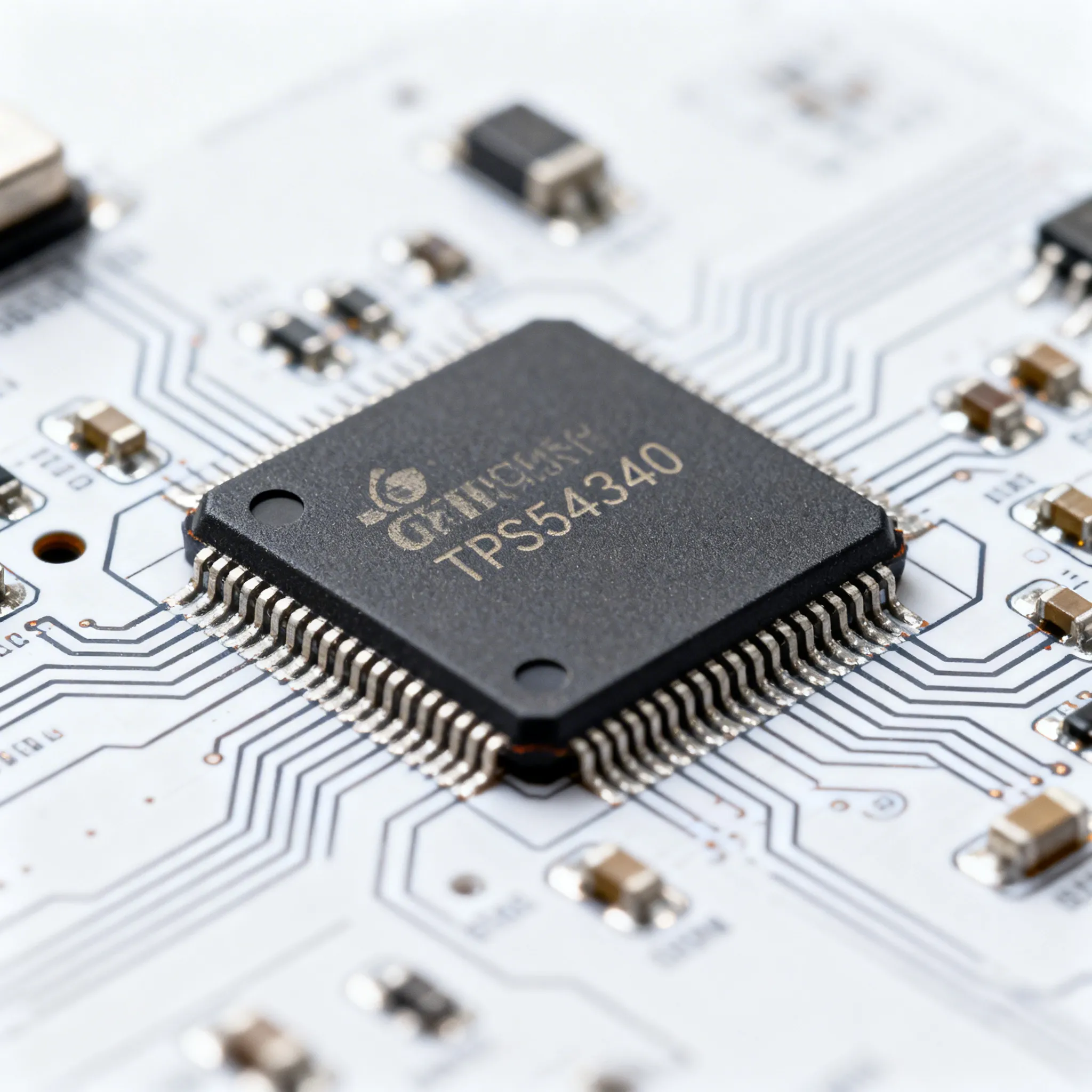
In the ever-evolving world of electronics, power management remains a critical aspect of system design. The TPS54340, a high-efficiency, step-down DC-DC converter, is a popular choice for engineers seeking reliable power solutions. With its wide input voltage range and robust features, it plays a pivotal role in various applications, from industrial equipment to consumer electronics. However, leveraging its full potential requires careful consideration of its parameters and design guidelines. This article delves into the common pitfalls and solutions associated with the TPS54340, providing insights into technical parameters, design practices, and troubleshooting techniques.
Technical Overview
The TPS54340 is a versatile DC-DC buck converter capable of delivering high-efficiency power conversion. It operates over a wide input voltage range of 4.5V to 42V, making it suitable for a variety of applications. The device can supply up to 3.5A of output current, which is ideal for powering mid-range loads. Its switching frequency is adjustable between 100 kHz and 2.5 MHz, providing flexibility in noise-sensitive applications. Moreover, the TPS54340 integrates a high-side MOSFET, reducing the need for external components and simplifying the design.
Core features include an adjustable output voltage, current mode control, and various protection mechanisms such as thermal shutdown and overcurrent protection. The ability to synchronize to an external clock and its low quiescent current further enhance its appeal in power-sensitive designs. Understanding these features and their implications on system performance is crucial for optimizing the use of the TPS54340.
Detailed Specifications
| Parameter | Value | Units | Notes |
|---|---|---|---|
| Input Voltage Range | 4.5 - 42 | V | Wide range for flexibility |
| Output Current | 3.5 | A | Maximum current output |
| Switching Frequency | 100 - 2500 | kHz | Adjustable for noise management |
| Efficiency | Up to 95% | % | High efficiency under optimal conditions |
| Quiescent Current | 146 | µA | Low power consumption in standby |
| Output Voltage Range | 0.8 - 39 | V | Adjustable output voltage |
| Thermal Shutdown | 150 | °C | Protects against overheating |
| Overcurrent Protection | Yes | - | Prevents damage from excessive current |
| Package Type | 8-Pin SOIC | - | Standard package for easy integration |
| Sync to External Clock | Yes | - | Allows synchronization with external systems |
The data presented in the table above highlights the versatility and robust nature of the TPS54340. Its wide input voltage range allows it to be used in diverse environments, while the adjustable switching frequency offers flexibility in noise-sensitive applications. The high efficiency and low quiescent current make it an ideal choice for battery-powered devices. Moreover, the built-in protection features such as thermal shutdown and overcurrent protection ensure reliable operation even under adverse conditions. These specifications form the foundation for designing effective power management solutions with the TPS54340.
Design Considerations
Designing with the TPS54340 requires careful attention to several key factors to ensure optimal performance and reliability. Firstly, selecting appropriate external components, such as inductors and capacitors, is crucial. The inductor should be chosen to handle the peak current without saturation, and the input and output capacitors must be selected based on the desired ripple voltage and load transient response.
Thermal management is another critical aspect. The TPS54340 can generate significant heat, especially at higher output currents. Adequate heat sinking and proper PCB layout are essential to dissipate this heat and prevent thermal shutdown. A good practice is to use wide copper traces for the power path and to place thermal vias under the IC for enhanced heat dissipation.
Furthermore, the switching frequency should be selected based on the trade-off between efficiency and component size. Higher frequencies allow for smaller inductors and capacitors but may reduce efficiency. Synchronizing the TPS54340 with an external clock can help minimize interference in systems sensitive to EMI.
The feedback network, which sets the output voltage, must be designed with precision to ensure stability and accuracy. Using high-precision resistors and placing them close to the IC can minimize errors due to parasitic inductance and capacitance. Additionally, implementing soft-start and under-voltage lockout features can enhance the reliability of the power supply system.
Step-by-Step Guide
Designing a power supply with the TPS54340 involves several critical steps. Here is a detailed guide to help you through the process:
- Define System Requirements: Determine the input voltage range, output voltage, and maximum output current required for your application. This will guide the selection of external components and design parameters.
- Select External Components: Choose an inductor with a current rating above the peak inductor current. Calculate the required input and output capacitance based on ripple voltage and transient response requirements.
- Set Switching Frequency: Decide on a suitable switching frequency. Consider the trade-off between efficiency and component size, and determine if synchronization with an external clock is necessary.
- Design Feedback Network: Calculate the resistor values for the feedback network to set the desired output voltage. Use high-precision resistors and minimize trace lengths to reduce parasitic effects.
- Implement Thermal Management: Ensure adequate heat dissipation by using wide copper traces and thermal vias. Consider adding a heat sink if necessary.
- PCB Layout: Follow best practices for PCB design, such as minimizing loop areas, placing components close to the IC, and routing high-current paths with wide traces.
- Test and Validate: Build a prototype and verify the performance against the design specifications. Check for stability, efficiency, and thermal performance under various load conditions.
- Iterate and Optimize: Based on test results, make any necessary adjustments to component values or layout to optimize performance and reliability.
Common Issues & Solutions
While the TPS54340 is a robust device, certain issues may arise in its application. Here are some common problems and their solutions:
- Excessive Output Ripple: This can be caused by insufficient output capacitance or high ESR capacitors. Solution: Use low ESR capacitors and ensure adequate capacitance based on load requirements.
- Thermal Shutdown: Occurs when the IC overheats. Solution: Improve thermal management by adding heat sinks or increasing copper area on the PCB.
- Instability or Oscillation: Often due to poor feedback design or layout. Solution: Re-evaluate the feedback network and minimize parasitic inductance and capacitance.
- High EMI Emissions: Caused by poor layout or inadequate filtering. Solution: Optimize PCB layout, use shielding, and add input/output filters if necessary.
- Under-voltage Lockout (UVLO) Triggering: May occur if the input voltage drops below the threshold. Solution: Ensure the input voltage stays above the UVLO threshold under all conditions.
Applications & Use Cases
The TPS54340 is widely used in various applications due to its flexibility and robust performance. In industrial settings, it powers control systems and automation equipment. In consumer electronics, it is used in devices such as set-top boxes and LCD displays. Its high efficiency makes it suitable for battery-powered applications, such as portable medical devices and handheld instruments. Additionally, its wide input voltage range is advantageous in automotive applications, where it can handle the varying voltage levels of vehicle power systems.
Selection & Sourcing Guide
When selecting and sourcing the TPS54340, it's essential to consider the specific requirements of your application and the available options from distributors. You can find reliable suppliers and competitive pricing through platforms like IC Online. Ensure to verify the part number and specifications to match your design needs, and consider purchasing from authorized distributors to guarantee product authenticity and quality.
FAQ
- What is the maximum output current of the TPS54340? The TPS54340 can deliver up to 3.5A of output current.
- Can the TPS54340 be synchronized with an external clock? Yes, it can be synchronized to an external clock for noise-sensitive applications.
- What is the efficiency of the TPS54340? The efficiency can reach up to 95% under optimal conditions.
- How does the TPS54340 handle thermal management? It includes thermal shutdown protection, but additional heat sinking and proper layout are recommended.
- What package type is the TPS54340 available in? It is available in an 8-Pin SOIC package.
- Is the TPS54340 suitable for automotive applications? Yes, its wide input voltage range makes it suitable for automotive applications.
- What should be considered when designing the feedback network? Use high-precision resistors and minimize trace lengths to reduce parasitic effects.
- What are common causes of instability in the TPS54340? Instability is often due to poor feedback design or layout issues.
- How can EMI emissions be minimized? Optimize PCB layout, use shielding, and add filters if necessary.
- Where can I source the TPS54340? It can be sourced from authorized distributors like IC Online.
Conclusion
Mastering the use of the TPS54340 involves understanding its technical parameters, adhering to design guidelines, and being prepared to troubleshoot common issues. By following best practices and leveraging reliable sourcing channels, engineers can effectively integrate this versatile power management solution into their designs, ensuring reliable performance across a wide range of applications.