Wire Ends and Their Applications in Electrical Work
Wire ends form the link between electrical wires and devices. You use them to create secure electrical connections
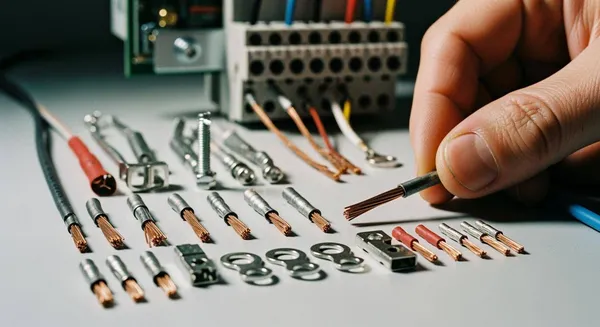
Wire ends form the link between electrical wires and devices. You use them to create secure electrical connections that last. Choosing the right type protects you from hazards and keeps your system working well. Electrical wires come in many forms, like copper or aluminum, each with unique insulation for safety. You will find different types of wire ends designed for tasks in homes, factories, and offices.
Understanding which wire end suits your project helps you work safely and efficiently.
Key Takeaways
- Understand the different types of wire ends, such as ring, fork, and butt terminals, to ensure safe and reliable electrical connections.
- Choose the right insulation type for your wire terminals to enhance safety and performance in various environments.
- Select connectors based on your project's needs, considering factors like wire gauge, current rating, and environmental conditions.
- Regularly inspect connections to prevent overheating and faults, ensuring long-lasting and efficient electrical systems.
- Always disconnect power before working on electrical connectors to maintain safety during installation and repairs.
Types of Wire Ends and Wire Terminals
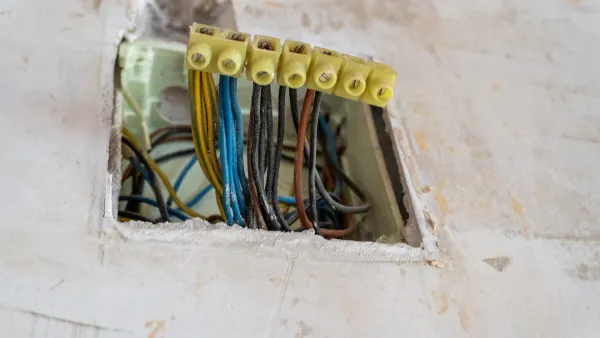
When you work with electrical systems, you need to understand the different types of wire ends. Each type has a unique design and purpose. Choosing the right one helps you create safe, reliable connections for your project.
Ring Terminals
Ring terminals have a closed loop at the end. You slide this loop over a stud or screw, then tighten it down. This design keeps the connection secure, even if the equipment vibrates or moves. You often see ring terminals in automotive, marine, aerospace, and industrial automation systems. They work well for permanent connections because the closed ring prevents accidental disconnection. You can find them made from copper, brass, or aluminum, and many have insulation sleeves for extra protection.
| Characteristic/Application | Description |
|---|---|
| Design | Ring shape provides a secure connection to studs or screws, ensuring reliability even in vibrating environments. |
| Material | Commonly made from copper, brass, or aluminum, with insulation sleeves for protection against shorts. |
| Applications | Used in automotive, marine, aerospace, industrial automation, and residential wiring, adaptable to various mounting hardware. |
Tip: Use ring terminals when you need a robust, long-lasting connection that will not come loose.
Fork Terminals
Fork terminals look like a two-pronged fork at the end. You can slide them under a screw or bolt without removing the hardware completely. This feature makes installation and removal quick and easy. Fork terminals are best for connections that may need to be detached for maintenance. You often use them in automotive wiring, household appliances, control panels, and industrial machinery.
- You save time during assembly and repairs.
- The open-end design allows for fast changes without disturbing other connections.
Butt Connectors
Butt connectors, sometimes called butt terminals, join two wires end-to-end. You insert one wire into each end of the connector and crimp them together. This creates a solid, continuous connection, almost as if the wire was never cut. Butt connectors come in both insulated and non-insulated forms, including heat shrink options for extra protection.
| Advantages | Uses |
|---|---|
| Provide a secure and reliable electrical connection, maintaining conductivity and minimizing the risk of short circuits or electrical hazards. | Commonly used in automotive, marine, and electrical wiring applications where a straight-line connection between wires is required. |
Butt connectors are ideal for permanent splices, especially in tight spaces. When you crimp them properly, they offer strong mechanical strength and excellent conductivity. You often use them in automotive, marine, and industrial wiring where you need a straight, secure connection.
Bullet Connectors
Bullet connectors have a round, bullet-shaped male end that fits into a matching female socket. This design allows you to connect and disconnect wires quickly. Bullet connectors are best for temporary connections. You can easily disconnect and reconnect them, which is helpful for systems that need frequent maintenance or modular assembly.
| Use Case | Description |
|---|---|
| Automotive Applications | Bullet connectors are preferred in vehicles due to their ability to withstand vibrations better than soldered connections. |
| Audio Applications | They are commonly used for connecting tweeters and other audio components where quick connections are needed. |
| Reliability | A well-crimped bullet connector provides a solid connection that can endure the flexing and movement in automotive environments. |
- You find bullet connectors in car wiring and audio systems.
- They are not suitable for permanent connections.
Lug Terminals
Lug terminals are heavy-duty connectors with a closed-loop design. You use them in high-current or industrial applications. Lug terminals provide mechanical stability and strain relief, which helps prevent wire fatigue. The enclosed connection reduces the risk of short circuits and improves safety.
| Characteristic | Description |
|---|---|
| Mechanical Stability | The closed-loop design prevents accidental disconnection, crucial in high-vibration environments. |
| Strain Relief | Minimizes stress on the conductor, reducing wire fatigue and extending service life. |
| Improved Safety | Enclosed connection reduces risks of short circuits and enhances safety during operation. |
| Versatility in Applications | Adaptable to various mounting hardware, suitable for multiple industries. |
| Enhanced Current-Carrying Capacity | Designed for minimal resistance, allowing for higher current loads without overheating. |
| Material Composition | Typically made from high-conductivity copper for optimal performance; other materials may be used. |
| Insulation Types | Available with various protective sleeves for environmental protection. |
| Plating Options | Features plating to combat corrosion, enhancing durability and conductivity. |
| Sizes and Gauges | Available in a range of sizes to ensure a secure fit and maintain electrical integrity. |
You often see lug terminals in power distribution panels, industrial machinery, and heavy equipment.
Quick-Connect Terminals
Quick connect terminals, also called spade or tab terminals, let you make fast, tool-free connections. You simply slide the terminal onto a matching tab or blade. This feature makes them perfect for rapid assembly and maintenance, especially in electrical panels and consumer electronics.
| Benefit | Description |
|---|---|
| No special tools required | Installation can be done without any specialized equipment. |
| Solid mechanical connection | Ensures durability and reliability under heavy use. |
| Compact size | Ideal for applications where space is limited. |
| Compatibility | Works with various female receptacles, enhancing versatility. |
You find quick connect terminals in televisions, refrigerators, air conditioners, and industrial control boards. They are best for detachable connections where you may need to replace or service components quickly.
Note: When you choose among the types of wire ends, always match the terminal to your project's needs. Permanent connections, like those made with ring terminals or butt connectors, offer long-term reliability. Detachable connections, such as those with fork terminals, bullet connectors, or quick connect terminals, provide flexibility for maintenance and upgrades.
Insulation Types for Wire Terminals
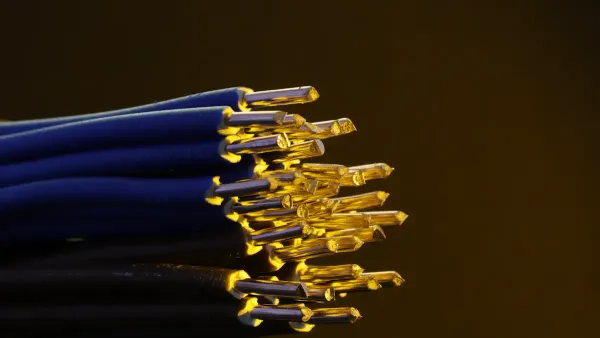
Choosing the right insulation for wire terminals helps you improve safety and reliability in your electrical projects. Each insulation type offers unique benefits and works best in specific situations.
Non-Insulated Terminals
Non insulated terminals do not have a protective covering. You often use them when insulation is not necessary, such as inside control panels or junction boxes. These terminals work well in high-temperature environments because they do not degrade like plastic insulations. You find non insulated terminals in enclosed industrial panels that follow strict safety standards.
| Feature | Insulated Terminals | Non-Insulated Terminals |
|---|---|---|
| Safety | Enhanced safety due to protective layer | Increased risk of electrical shorts |
| Cost | Generally more expensive due to insulation | More cost-effective, budget-friendly |
| Environmental Resistance | Better equipped to withstand harsh conditions | More vulnerable to corrosion |
| Installation | Requires careful handling to avoid shorts | Quick and straightforward installation |
- You use non insulated terminals in:
- Control panels and junction boxes
- High-temperature industrial environments
- Enclosed panels where extra insulation is not needed
Note: Non insulated terminals save money but require careful installation to avoid shorts.
Vinyl Insulated Terminals
Vinyl insulated terminals are popular for general-purpose wiring. The vinyl sleeve makes installation easy and provides basic protection. You often use these terminals in indoor electrical panels, automotive interiors, and low-stress applications.
| Feature | Vinyl Insulated Terminals | Nylon Insulated Terminals |
|---|---|---|
| Pros | Easy crimp on installation, low cost, widely available | Flexible, chemical resistant, strong double-crimp option |
| Cons | Not sealed, prone to corrosion, wires can pull out | More expensive, wires can pull out, not sealed |
- You choose vinyl insulated terminals for:
- General wiring tasks
- Indoor panels
- Automotive interiors
Nylon Insulated Terminals
Nylon insulated terminals offer better flexibility and chemical resistance than vinyl. The insulation resists cracking and handles higher temperatures, from -40°C to 125°C. You use nylon insulated terminals in automotive wiring harnesses, battery connections, and industrial machinery. These terminals hold up well in high-vibration environments, such as engines and agricultural equipment.
- You select nylon insulated terminals for:
- Automotive wiring harnesses and sensors
- Industrial machinery with constant vibration
Heat Shrink Insulated Terminals
Heat shrink crimp seal terminals and heat shrink solder seal terminals provide the highest level of protection. When you apply heat, the tubing shrinks and an adhesive liner melts, sealing the connection. This keeps out moisture, oil, gas, and other corrosive substances. Heat shrink crimp & solder seal terminals combine both crimping and soldering for a rugged, sealed connection. You use these terminals in marine, outdoor, and washdown environments where water and corrosion are major risks.
- You use heat shrink crimp seal terminals and heat shrink solder seal terminals for:
- Marine wiring exposed to saltwater
- Outdoor electrical systems
- Industrial washdown areas
- Applications needing waterproof and abrasion-resistant connections
Tip: Choose heat shrink crimp & solder seal terminals when you need the strongest, most reliable seal against moisture and corrosion.
Wire Connectors and Specialized Applications
Standard Wire Connectors
You use standard wire connectors in most home and light commercial projects. The most common type is the wire nut. This connector has a plastic shell and a metal spring inside. When you twist it onto wires, it holds them together and insulates the joint. Wire nuts work well for joining electrical wires in outlets, switches, and light fixtures. You can install them quickly with a simple twist. They cost little and are easy to find at hardware stores. Standard wire connectors give you a reliable sealed connection for dry, indoor environments.
| Feature/Aspect | Standard Wire Connectors | Specialized Connectors |
|---|---|---|
| Design | Plastic outer shell with internal metal spring | Pre-filled waterproof sealing compound |
| Function | Twists wires together securely | Ensures safe long-term underground use |
| Cost | Low cost and widely available | Typically higher cost due to specialized features |
| Installation | Simple twist-on installation | One-step installation without heat shrink |
| Environment Suitability | Reliable in dry indoor environments | Rated for underground and wet environments |
| Ideal Applications | Residential systems, DIY repairs, light commercial | Landscaping, irrigation, marine installations |
Specialized Connectors (Audio, Automotive, Fiber Optic)
Specialized wire connectors serve unique roles in demanding environments. You find these connectors in automotive, audio, and fiber optic systems. For example, automotive connectors often include a waterproof sealing compound. This feature protects the sealed connection from moisture, vibration, and temperature changes. Audio connectors focus on signal clarity and low resistance. Fiber optic connectors use precise alignment to keep data signals strong and clear. Specialized connectors cost more, but they offer a sealed connection that lasts in harsh conditions. You use them for underground wiring, marine equipment, and outdoor lighting.
Tip: Choose specialized wire connectors when you need a sealed connection in wet, dusty, or high-vibration areas.
Choosing the Right Connector for Your Project
You must match the connector to your wire size, current rating, and environment. Consider these key points:
- Check wire gauge and connector size for a proper fit.
- Review current rating and engagement force for safety.
- Look at the operating voltage for your system.
- Select connectors with waterproof features for outdoor or wet locations.
- Pick connectors with strong vibration resistance for automotive or industrial use.
- Choose crimp on installation for fast, secure connections.
| Criteria | Description |
|---|---|
| Wire Gauge and Current Rating | Match the connector to the wire gauge to prevent overheating and ensure safety. |
| Environmental Considerations | Select connectors with appropriate sealing for moisture, dust, or extreme temperatures. |
| Ease of Installation | Choose connectors that are easy to install and maintain to reduce labor costs and downtime. |
Electrical wire connectors must resist moisture, temperature swings, and vibration in tough environments. For outdoor or marine projects, always use a connector with a sealed connection to prevent corrosion and failure.
Nova Technology Company (HK) Limited stands out as a HiSilicon-designated solutions partner. The company specializes in chip-level solutions, system integration, and advanced application scenarios for the semiconductor and integrated circuit industry. You can rely on their expertise for high-performance connectors and system designs in automotive, industrial, and communication systems.
You have learned about ring, fork, butt, bullet, lug, and quick-connect terminals, as well as standard and specialized connectors. Choosing the right wire end and insulation type keeps your electrical work safe and reliable.
- Always disconnect power before working on connectors.
- Match connector type, wire gauge, and environment for best results.
- Regular checks help prevent overheating and faults.
For complex projects, consult a professional to ensure your system meets all safety standards.
FAQ
What is the difference between a wire terminal and a wire connector?
A wire terminal attaches a wire to a device or another wire. A wire connector joins two or more wires together. You use terminals for secure connections to equipment. You use connectors for joining wires in outlets, switches, or junction boxes.
How do I choose the right wire end for my project?
You should check the wire size, current rating, and environment. Use ring or butt terminals for permanent connections. Use fork, bullet, or quick-connect terminals for easy removal. Always match the insulation type to your project’s needs.
Can I reuse wire connectors and terminals?
You can reuse some connectors, like wire nuts, if they are not damaged. Most crimped terminals should not be reused. Reusing damaged connectors can cause poor connections and safety risks. Always inspect before reuse.
Why does insulation type matter for wire terminals?
Insulation protects you from electric shock and prevents short circuits. Vinyl and nylon insulations work for indoor use. Heat shrink insulation seals out moisture for outdoor or marine projects. Non-insulated terminals suit enclosed, dry areas.
What tools do I need to install wire ends and connectors?
You need a wire stripper to remove insulation. Use a crimping tool for terminals. For heat shrink terminals, use a heat gun. Always follow the manufacturer’s instructions for best results.