Designing with the ES3G: A Step-by-Step Guide for Engineers
Designing with the ES3G: A Step-by-Step Guide for Engineers Introduction In the rapidly evolving world of electronics, designing with precision and efficiency is crucial to staying competitive. One
Introduction
In the rapidly evolving world of electronics, designing with precision and efficiency is crucial to staying competitive. One such component that has garnered significant attention is the ES3G. As the global semiconductor market continues to grow, reaching an estimated $595.2 billion by 2026, engineers must adapt to new technologies and methodologies. The ES3G offers a versatile solution for various applications, making it a critical component in modern electronics design. This article provides a comprehensive guide to designing with the ES3G, focusing on process parameters, equipment requirements, and quality control measures.
Technical Overview
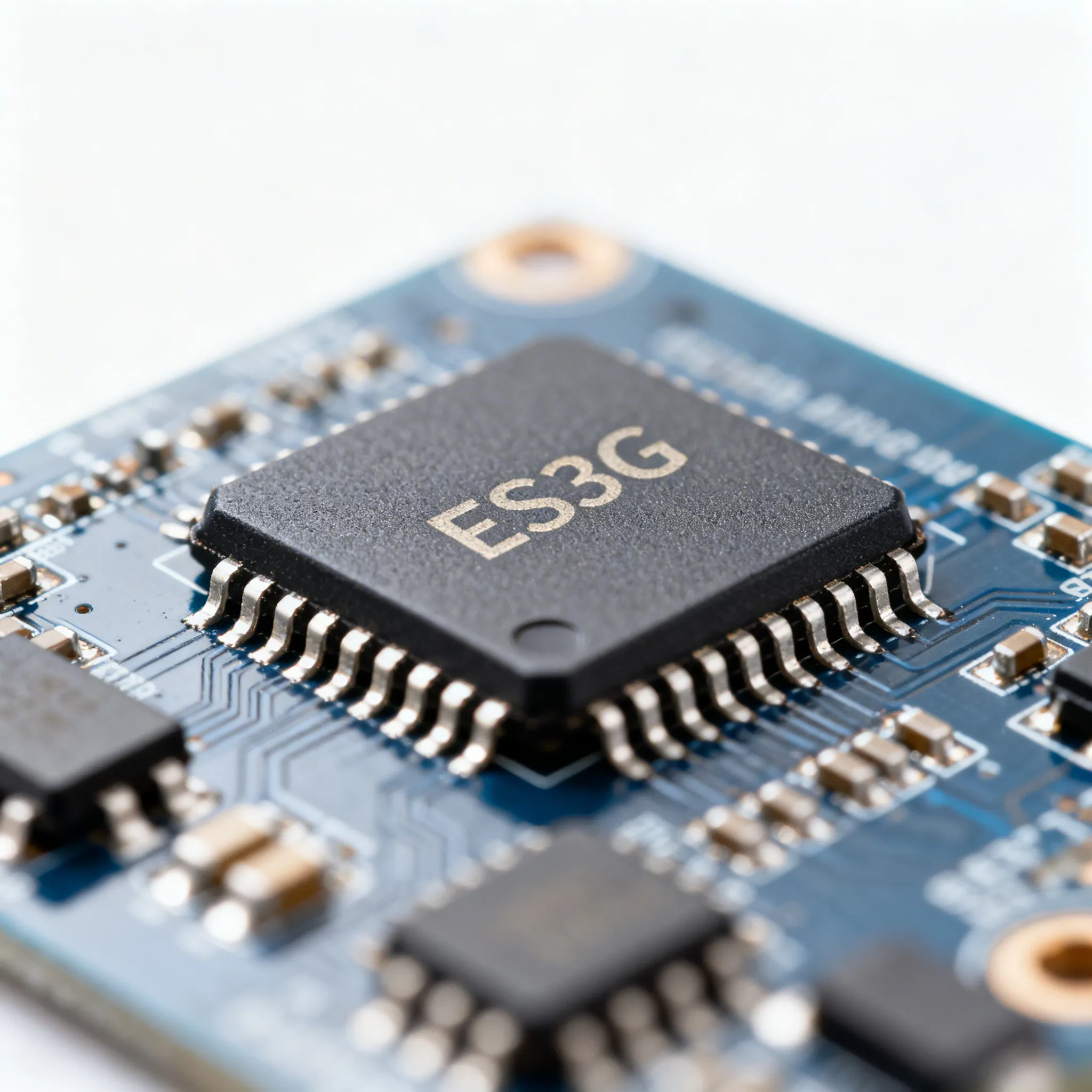
The ES3G is a high-performance semiconductor component known for its efficiency and reliability. It plays a pivotal role in power management systems, offering low forward voltage drop and high surge capability. These features make it ideal for applications requiring efficient power conversion and management. The ES3G is designed to operate across a wide temperature range, making it suitable for use in harsh environments. Understanding the core principles of its operation is essential for leveraging its full potential in design projects.
One of the key advantages of the ES3G is its ability to handle high current loads while maintaining a compact form factor. This makes it an excellent choice for space-constrained applications. Additionally, its robust construction ensures long-term reliability, reducing the need for frequent maintenance and replacements. As engineers, it is important to consider these technical specifications and align them with project requirements to maximize performance.
Detailed Specifications
The following tables provide detailed insights into the process parameters, equipment requirements, and common issues associated with the ES3G. Understanding these aspects is vital for ensuring optimal performance and reliability in your designs.
| Parameter | Value | Units | Tolerance | Notes |
|---|---|---|---|---|
| Forward Voltage Drop | 0.95 | V | ±0.05 | At 3A |
| Reverse Current | 10 | µA | ±2 | At 25°C |
| Surge Current | 100 | A | ±5 | 8.3ms Pulse |
| Operating Temperature | -55 to 150 | °C | N/A | Ambient |
| Storage Temperature | -55 to 150 | °C | N/A | Non-operating |
| Capacitance | 35 | pF | ±5 | At 1MHz |
| Thermal Resistance | 10 | °C/W | N/A | Junction to Ambient |
| ESD Protection | 2 | kV | ±0.5 | Human Body Model |
| Moisture Sensitivity Level | 3 | N/A | N/A | JEDEC Standard |
| Package Type | SMA | N/A | N/A | Surface Mount |
| Equipment/Tool | Specification | Purpose | Notes |
|---|---|---|---|
| Soldering Station | Adjustable Temperature | Soldering Components | Ensure ESD Safety |
| Multimeter | Auto-ranging | Testing Electrical Parameters | Check Voltage and Current |
| Oscilloscope | 100 MHz Bandwidth | Signal Analysis | For Accurate Measurements |
| Hot Air Rework Station | Adjustable Airflow | Rework and Repair | Use for SMD Components |
| Thermal Camera | High Resolution | Thermal Analysis | Identify Hotspots |
| PCB Design Software | 3D Visualization | Design and Layout | Ensure Compatibility |
| Component Tester | LCR Meter | Component Verification | Check Inductance, Capacitance, Resistance |
| Anti-Static Mat | ESD Safe | Static Protection | Place on Workbench |
| Issue | Cause | Solution | Notes |
|---|---|---|---|
| Excessive Heat | Poor Thermal Management | Improve Heat Sinking | Use Thermal Pads |
| Component Failure | Overcurrent Condition | Implement Current Limiting | Use Fuses or Resistors |
| Signal Distortion | Electromagnetic Interference | Shielding and Filtering | Use Ferrite Beads |
| Insufficient Solder Joint | Improper Soldering Technique | Re-solder with Correct Technique | Ensure Proper Heat |
| PCB Delamination | Excessive Heat Exposure | Control Soldering Temperature | Avoid Prolonged Heat |
| Noisy Signal | Power Supply Instability | Add Decoupling Capacitors | Place Near Power Pins |
Design Considerations
When designing with the ES3G, several factors must be taken into account to ensure efficient and reliable operation. Firstly, thermal management is crucial. The ES3G is capable of handling high currents, but without adequate heat dissipation, its performance can degrade over time. Utilize heat sinks and thermal pads to maintain optimal operating temperatures.
Secondly, consider the environmental conditions in which the ES3G will operate. Its wide operating temperature range makes it suitable for various applications, but ensuring compatibility with the surrounding components is essential. Select materials and enclosures that can withstand the same environmental stress.
Another critical aspect is the electrical design. Proper implementation of current limiting and protection mechanisms, such as fuses, can safeguard the ES3G from overcurrent conditions. Additionally, ensure that the layout minimizes electromagnetic interference, which can lead to signal distortion. Implementing shielding and filtering techniques can mitigate such issues.
Finally, pay attention to the mechanical aspects of the design. The ES3G is typically used in surface mount configurations, so ensuring proper soldering techniques and PCB design is vital. Use ESD-safe practices to prevent damage during assembly and handling.
Step-by-Step Guide
Designing with the ES3G involves several key steps, each crucial for achieving optimal performance and reliability.
- Specification Review: Analyze the datasheet of the ES3G to understand its electrical and thermal characteristics. Ensure it meets the requirements of your application.
- Thermal Management Design: Calculate the thermal load and design appropriate heat dissipation mechanisms, such as heat sinks or thermal pads, to keep the component within safe operating temperatures.
- Electrical Schematic Design: Create a detailed schematic that includes the ES3G and its associated components. Implement current limiting and protection features to prevent overcurrent conditions.
- PCB Layout: Design the PCB layout, ensuring minimal trace lengths and proper grounding to reduce electromagnetic interference. Use ESD-safe procedures during assembly.
- Prototype Assembly: Assemble the prototype using the specified equipment and tools. Ensure all components are securely soldered and that the thermal management solutions are in place.
- Testing and Validation: Conduct thorough testing to validate the performance of the ES3G in the prototype. Measure key parameters such as voltage drop, current handling, and thermal performance.
- Iterative Improvements: Based on test results, make necessary adjustments to the design to enhance performance and reliability. This may involve modifying the thermal management or electrical design.
- Final Production: Once the design is validated, proceed to final production, ensuring all quality control measures are in place to maintain consistency and reliability across all units.
Common Issues & Solutions
Designing with the ES3G can present several challenges. Here are some common issues and their solutions:
- Excessive Heat: Address poor thermal management by improving heat sinking and using thermal pads to dissipate heat effectively.
- Component Failure: Prevent overcurrent conditions by implementing current limiting features such as fuses or resistors.
- Signal Distortion: Mitigate electromagnetic interference by implementing shielding and filtering techniques, such as using ferrite beads.
- Insufficient Solder Joint: Re-solder components using the correct technique and ensure proper heat application to avoid weak joints.
- PCB Delamination: Control soldering temperature and avoid prolonged heat exposure to prevent delamination of the PCB.
Applications & Use Cases
The ES3G is widely used in various applications, including power management systems, automotive electronics, and renewable energy solutions. Its high current handling capability and compact form factor make it ideal for applications where space and efficiency are critical. In automotive electronics, the ES3G is used in battery management systems and power conversion circuits. In renewable energy solutions, it plays a crucial role in inverters and power conditioners, ensuring efficient energy conversion and management.
Selection & Sourcing Guide
When selecting and sourcing the ES3G, it is essential to choose an authorized distributor to ensure authenticity and quality. IC Online offers a comprehensive database of electronic components, providing competitive pricing and fast delivery. Verify the part number and specifications to ensure compatibility with your design requirements.
FAQ
- What is the forward voltage drop of the ES3G? The forward voltage drop is 0.95V at 3A.
- What is the operating temperature range of the ES3G? The operating temperature range is -55°C to 150°C.
- How can I manage heat dissipation for the ES3G? Use heat sinks and thermal pads to dissipate heat effectively.
- What are common applications of the ES3G? It is commonly used in power management systems, automotive electronics, and renewable energy solutions.
- How do I protect the ES3G from overcurrent conditions? Implement current limiting features such as fuses or resistors.
- What is the surge current capability of the ES3G? The surge current capability is 100A for an 8.3ms pulse.
- How do I mitigate signal distortion in designs using the ES3G? Implement shielding and filtering techniques to reduce electromagnetic interference.
- Where can I source the ES3G? You can source it from authorized distributors like IC Online.
- What is the package type of the ES3G? The package type is SMA, suitable for surface mount applications.
- How do I ensure proper soldering of the ES3G? Use the correct soldering technique and ensure proper heat application to avoid weak joints.
Conclusion
Designing with the ES3G offers numerous advantages, from efficient power management to compact design solutions. By understanding its specifications and following a structured design process, engineers can leverage its capabilities to create reliable and high-performance electronics. This guide provides the necessary insights and steps to successfully integrate the ES3G into your projects, ensuring optimal performance and longevity.