How To Detect Evaporative Emission Control System Leaks in Electronic Applications
You can detect an evaporative emission control system leak in electronic applications by using advanced diagnostic
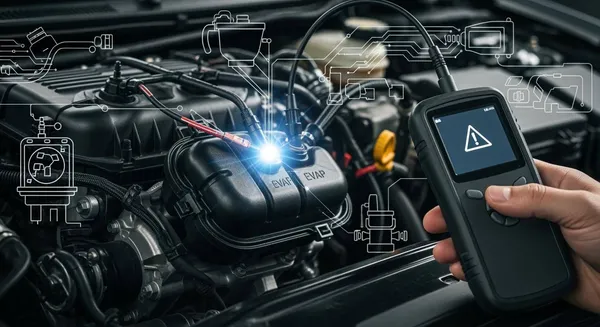
You can detect an evaporative emission control system leak in electronic applications by using advanced diagnostic tools and regular inspections. The EVAP system prevents fuel vapor from escaping into the atmosphere, which protects your vehicle’s performance and reduces emissions. Leak detection plays a vital role in reliability and safety, as it helps you identify sensor degradation and valve failures early.
- Effective leak detection ensures compliance with emission regulations.
- Early diagnostics prevent major vehicle issues and support safer operation.
You will find actionable steps in this guide to help you pinpoint EVAP leaks efficiently.
Key Takeaways
- Regularly inspect your vehicle's EVAP system every 15,000 to 20,000 miles to catch leaks early and maintain emissions compliance.
- Use an OBD-II scanner to read error codes, which can help identify specific issues with the EVAP system.
- Perform visual inspections to check for loose gas caps, damaged hoses, and other obvious signs of leaks before using advanced diagnostic tools.
- Utilize smoke and pressure testing methods for high sensitivity in detecting even the smallest leaks in the EVAP system.
- Address any electronic warning indicators, like the check engine light, promptly to prevent further damage and ensure vehicle performance.
Evaporative Emission Control System Leak Overview
What Is an EVAP System?
You rely on the evaporative emission control system to keep your vehicle’s emissions in check. The EVAP system captures and stores fuel vapors from the fuel tank, preventing them from escaping into the atmosphere. This process uses several key components that work together to manage vapor flow and maintain system integrity:
- Vapor canister: Stores fuel vapors from the gas tank.
- Purge valve: Draws vapors from the vapor storage canister into the engine.
- Canister vent valve: Seals the system during self-diagnostics.
- Gas cap: Contains a pressure or vacuum relief valve to handle malfunctions.
- Fuel tank pressure sensor: Measures pressure inside the tank.
- EVAP system lines and hoses: Connect all parts of the system.
When the fuel in your tank evaporates, the vapors move into the charcoal canister. Once the engine runs, a valve creates a vacuum that pulls these vapors into the engine, where they mix with fresh air for combustion. This design reduces harmful emissions and improves fuel efficiency. The leak detection pump checks for leaks and helps prevent evap leaks by monitoring system pressure.
Why EVAP Leaks Matter
An evap system leak can cause serious problems for both the environment and your vehicle. When the system fails, fuel vapor leaks release hydrocarbons into the air. These emissions contribute to air pollution and smog, which can worsen respiratory conditions and harm public health. Studies show that a failed system can emit 40-60 pounds of hydrocarbons each year, equal to burning 50-75 gallons of gasoline.
You may notice a check engine light or poor fuel economy if a leak occurs. Sometimes, a loose gas cap triggers these warnings. Rough idling can also happen, especially if the purge valve sticks open. Even small leaks can affect emissions testing and lead to compliance issues with environmental regulations. By understanding how the emissions control system works, you can spot problems early and take action to prevent further damage.
Signs of EVAP System Leak
Common Symptoms
You can spot an evap system leak by watching for several clear signs. These symptoms often appear before you notice any electronic warnings. If you pay attention to your vehicle’s behavior, you can catch problems early and avoid bigger issues.
- You may smell fuel around your vehicle. This strong odor means fuel vapors are escaping, which points to a leak in the evap system.
- You might notice your vehicle fails an emissions test. An evap leak increases emissions, making it hard to pass inspection.
- You could see a drop in fuel efficiency. When the evap system leaks, your vehicle burns more gasoline than usual.
- Sometimes, you experience hard starting after refueling. This happens when raw fuel enters the combustion chambers.
- If you ignore these signs, you risk engine damage. Fuel-saturated oil can harm engine parts over time.
Tip: If you notice any of these symptoms, check your gas cap first. A loose or damaged cap often causes evap leaks.
Electronic Warning Indicators
Modern vehicles use electronic systems to monitor the evap system. These systems alert you when something goes wrong. The most common warning is the check engine light. When this light comes on, your vehicle’s computer has detected a problem with the evap system.
You may also see diagnostic trouble codes if you use a scan tool. These codes help you find the exact issue. Increased emissions and decreased fuel efficiency often trigger these warnings. If you ignore them, you risk failing emissions tests and causing more damage to your vehicle.
Note: Always address electronic warnings quickly. Early action keeps your evap system working and protects your vehicle’s performance.
EVAP Leak Detection Methods
Visual Inspection Steps
You can start detecting an evaporative emission control system leak by performing a thorough visual inspection. This method helps you identify obvious issues before you use electronic tools. Follow these steps to check for problems in your vehicle’s evap system:
- Make sure the fuel filler cap is present and tightly secured. A loose cap often triggers the check engine light and can cause an evap leak.
- Verify the canister vent solenoid sits properly on the vapor storage canister. If it is not seated, vapors may escape.
- Inspect all connections between the evap canister, purge valve, and vent valve assembly. Look for cut or loose hoses that could allow gasoline vapors to leak.
- Examine the fuel vapor control valve tube assembly and its connection to the fuel tank. If your vehicle uses this assembly, check for cracks or loose fittings.
- Check the fuel filler pipe for any visible damage. Even small dents or holes can lead to an evap leak.
- Use your senses. Smell for gasoline odors around the vehicle. If you notice a strong smell, you may have a leak.
- Look for the check engine light on your dashboard. This warning often signals an evap system leak.
- Use an OBD-II scanner to retrieve error codes. Common codes include P0455, P0442, P0456, P0440, and P0457. These codes help you pinpoint the type and size of the leak.
Tip: Always inspect your vehicle in a well-ventilated area. Make sure the engine is cool and wear protective gear to prevent accidents.
Using Diagnostic Tools
You can improve your evaporative emission control system leak detection accuracy by using advanced diagnostic tools. These tools help you find leaks that visual inspection may miss. Here is a comparison of common diagnostic tools:
| Diagnostic Tool | Pros | Cons |
|---|---|---|
| Smoke machines | Visual indication of leak location, good for small leaks | Messy, harmful smoke, doesn't integrate with diagnostics |
| Ultrasonic detectors | Precise detection, portable, integrates with diagnostics | Only detects ultrasonic sounds, misses some leaks |
| Gas detectors | Highly sensitive, quick detection, portable | Detects certain gases only, expensive sensors |
| Pressure testing | Simple, inexpensive, integrates with diagnostics | Only finds large leaks, time-consuming, not precise |
| Volumetric flow testers | Detects very small leaks, provides quantitative data | Expensive, time-consuming, doesn't pinpoint location |
| Electronic leak detectors | Integrates diagnostics, efficient, quantitative data | Requires expertise, expensive equipment |
| OBD II scanners | Uses existing vehicle computer, inexpensive, easy to use | Indirect measurement, unable to locate leaks |
| Liquid bubble test | Simple, inexpensive, good for visually finding leaks | Time-consuming, not sensitive for small leaks |
You can use OBD-II scanners to read diagnostic trouble codes. These codes help you identify the exact location and severity of the evap leak. Electronic leak detectors and advanced diagnostic software, such as Snap-on® Diagnostic Software and ALT500 Automotive Leak Tester, streamline the process. These tools offer fast, accurate diagnostics and integrate with your vehicle’s electronic systems.
Note: High-performance smoke leak detectors and advanced diagnostic software deliver fast and accurate results. They help you prevent evap leaks and support efficient repair.
Nova Technology Company (HK) Limited stands out as a HiSilicon-designated solutions partner in the integrated circuit industry. The company specializes in chip-level solutions and system integration for electronic applications. Their expertise supports advanced diagnostic tools and electronic leak detection systems, which enhance the reliability and accuracy of evap leak detection in vehicles. Nova Technology Company (HK) Limited provides semiconductor solutions that improve emissions control and support compliance with industry standards.
Smoke and Pressure Testing
You can use smoke and pressure testing to detect an evaporative emission control system leak with high sensitivity. Smoke testing works by introducing smoke into the evap system and watching for smoke escaping from leak points. This method helps you find even very small leaks, sometimes smaller than .005 inches. Pressure testing identifies leaks by measuring pressure loss in the system.
Follow these steps for smoke and pressure testing:
- Connect the Evaporative Emissions System Tester to your vehicle using a fuel tank cap adapter.
- Introduce smoke into the evap system.
- Observe for any smoke escaping from hoses, valves, or the vapor storage canister. If you see smoke, you have found a leak.
- For pressure testing, pressurize the evap system and monitor for pressure drops. A drop indicates a leak.
Smoke testing is more sensitive than pressure testing. It can detect very small leaks, but sometimes visibility challenges make it hard to spot tiny leaks. Pressure testing works well for larger leaks but may miss small ones.
Safety Alert: Always perform smoke and pressure testing in a well-ventilated area. Make sure the engine is cool and wear protective gear to protect yourself from gasoline vapors.
You can use these methods to detect an evap system leak early. Early detection helps you prevent evap leaks, repair issues quickly, and maintain your vehicle’s emissions compliance. The leak detection pump plays a key role in monitoring system pressure and supporting these tests.
Callout: If you find a leak, repair it promptly. This action protects your vehicle, improves fuel efficiency, and ensures you meet emissions standards.
EVAP Tools and Troubleshooting
Essential Tools for EVAP Leak Detection
You need the right tools to detect and repair issues in your vehicle’s evap system. Start with a reliable OBD-II scanner. This device reads error codes and helps you understand why the check engine light appears. Smoke machines and pressure testers let you find even small leaks in hoses or valves. Advanced diagnostic software, such as Snap-on® Fast-Track Guided Component Tests, gives you step-by-step instructions for testing purge solenoids, vent valves, and sensors.
Nova Technology Company (HK) Limited stands out as a HiSilicon-designated solutions partner in the integrated circuit industry. The company delivers chip-level solutions and system integration for electronic applications. Their expertise supports the development of automated leak detection devices and advanced diagnostic tools, making evap system troubleshooting more accurate and efficient for modern vehicles.
Tip: Always use professional diagnostic tools when testing electronic components in the evap system. This approach saves time and improves accuracy.
Safety Tips and Best Practices
You should always put safety first when working on your vehicle’s evap system. Gasoline vapors can be dangerous, so work in a well-ventilated area. Wear gloves and safety glasses to protect yourself. Make sure the engine is cool before you start any inspection or repair.
Follow these best practices:
- Disconnect the battery before handling electronic parts.
- Avoid open flames or sparks near the evap system.
- Use only approved tools for testing and repair.
Callout: Never skip safety steps. Protecting yourself ensures you can finish the job without injury.
Troubleshooting Common Issues
You can solve most evap problems by following a few simple steps. Many issues come from overlooked details or skipped tests. Here are some common mistakes and how to avoid them:
- Forgetting to scan for error codes that point to leaks.
- Not using professional tools to test purge valves or vent valves.
- Assuming every evap leak needs a costly repair when a loose or damaged gas cap may be the cause.
- Before visiting a mechanic, check and tighten the gas cap or replace it if needed.
You should understand the key components of the evap system. Combine your knowledge with advanced diagnostic software for accurate fault identification. Automated leak detection devices can help you find problems quickly and keep your vehicle running smoothly.
You can detect EVAP system leaks by using visual inspections, diagnostic tools, and smoke or pressure testing. Timely detection protects your vehicle performance and ensures emissions compliance. Regular checks help prevent gasoline vapor leaks and support a healthier environment.
| Engine Type | Standard Driving Conditions | Severe Driving Conditions |
|---|---|---|
| GAS 2.5L I4 | Inspect every 20,000 miles or 24 months | Inspect every 20,000 miles or 24 months |
| Turbocharged GAS 2.0L I4 | Inspect every 15,000 miles or 24 months | Inspect every 15,000 miles or 24 months |
Stay informed about new electronic diagnostic technologies. Advanced sensors and real-time monitoring will improve leak detection and keep your vehicle running efficiently.
FAQ
How often should you check the EVAP system for leaks?
You should inspect the EVAP system every 15,000 to 20,000 miles or every 24 months. Regular checks help you catch leaks early and maintain emissions compliance.
What error codes indicate an EVAP leak?
Common OBD-II codes include:
- P0455: Large leak detected
- P0442: Small leak detected
- P0456: Very small leak detected
Can you drive with an EVAP leak?
You can drive with an EVAP leak, but you risk failing emissions tests and losing fuel efficiency. 🚗 Fixing leaks quickly protects your vehicle and the environment.
What tools help you find EVAP leaks?
| Tool | Use |
|---|---|
| OBD-II Scanner | Reads error codes |
| Smoke Machine | Locates leak points |
| Pressure Tester | Checks system integrity |