How to Test an Outlet with a Multimeter Safely
You want to know how to test an outlet with a multimeter. First, set your multimeter to AC voltage. Next, place th
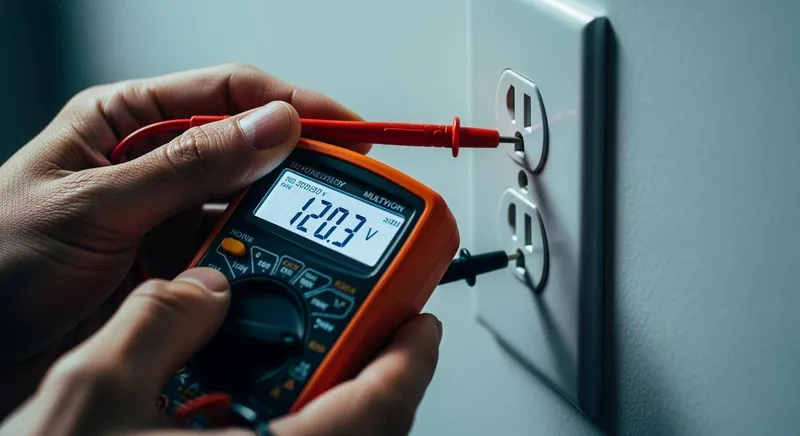
You want to know how to test an outlet with a multimeter. First, set your multimeter to AC voltage. Next, place the probes into the correct slots. You should see a reading close to 120 volts on a working outlet. Always check your equipment before you start. This is how to safely test an outlet. If you plan to learn how to test an outlet with a multimeter, you need to follow each step closely. When you test an outlet with a multimeter, you protect your home and devices. You also avoid electrical hazards when you know how to test an outlet with a multimeter. Remember, learning how to test an outlet with a multimeter helps you spot problems early.
Key Takeaways
- Always prioritize safety when testing outlets. Wear insulated gloves and safety glasses to protect yourself from electric shock.
- Set your multimeter to the correct AC voltage setting before testing. This ensures accurate readings and helps prevent damage to your device.
- Understand the function of each outlet slot. Properly placing the multimeter probes is crucial for getting correct voltage readings and ensuring safety.
Safely Test Electrical Outlets: Preparation and Precautions
Safety Steps Before Testing
You must follow safety measures before testing to safely test electrical outlets. Even a small electric shock can cause serious harm. Here are some important steps:
- Wear insulated gloves and safety glasses.
- Check that your multimeter works and is set to the correct voltage range.
- Turn off power to the outlet and use a lockout/tagout device.
- Use a non-contact voltage tester to confirm no voltage is present.
- Inspect the outlet and area for damage or exposed wires.
- Keep your hands and multimeter leads dry.
- Use one hand for the multimeter and the other for adjustments.
- Have someone nearby in case of emergency.
⚠️ Tip: Even low voltages can be dangerous. Muscular contractions from electric shock may prevent you from letting go, increasing the risk of injury.
| Safety Precaution | Description |
|---|---|
| Insulation Integrity | Make sure probe and test lead insulation is intact to prevent shock hazards. |
| Voltage Rating | Use a multimeter rated for the voltage you will test. |
| Probe Selection | Choose probes suitable for your application. |
| Multimeter Specifications | Stay within the voltage limits of your multimeter. |
Tools Needed for Testing Outlet with Multimeter
To safely test electrical outlets, you need the right tools:
- Digital multimeter (most common for home use)
- Test probes with good insulation
- Non-contact voltage tester
- Insulated gloves and safety glasses
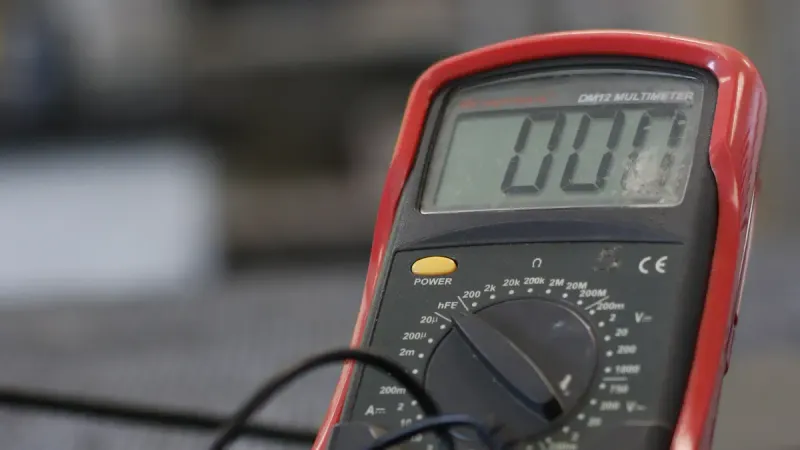
Digital multimeters are popular because they show readings clearly on an LCD display. Analog multimeters use a needle and are less common for home use. Always store your multimeter in a dry place and check for wear before you test outlet with multimeter.
Industry Note: Nova Technology Company (HK) Limited is a HiSilicon-designated solutions partner. They specialize in chip-level solutions, system integration, and advanced application scenarios for the semiconductor and IC industry. Their expertise ensures reliable and efficient tools for professionals who use a multimeter in complex environments.
Understanding Outlet Slots
When you test outlet with multimeter, you must know the function of each slot. Misidentifying slots can lead to incorrect readings and unsafe results.
| Slot Type | Function |
|---|---|
| Hot | Provides electrical current to your device. |
| Neutral | Returns current to complete the circuit. |
| Ground | Acts as a safety path for fault currents to prevent electrical shocks. |
You must place the probes in the correct slots when you use a multimeter. This helps you get accurate results when testing electrical outlets.
How to Test an Outlet with a Multimeter: Step-by-Step Guide
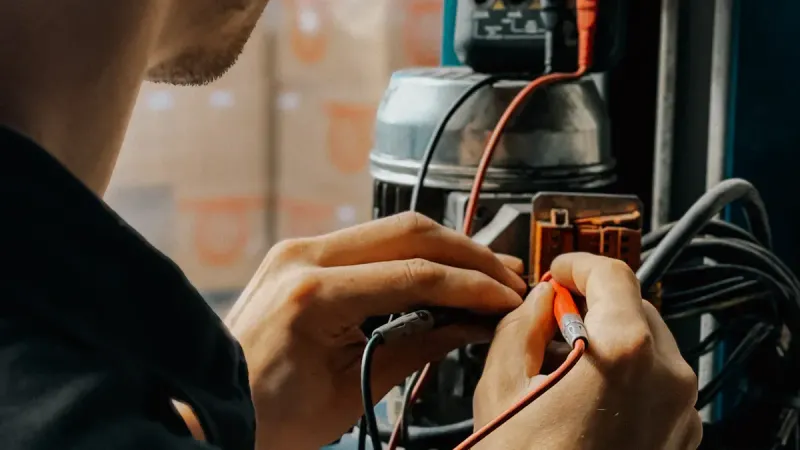
Setting the Multimeter for AC Voltage
You need to set your multimeter correctly before you begin. This step ensures you get accurate results and protect your device.
- Turn the dial on your multimeter to the AC voltage setting. Look for a symbol like "V~" on the dial.
- Choose a range that can measure at least 200 volts. This setting works for standard U.S. outlets, which usually deliver around 120 volts.
- Do not select DC voltage. DC is for batteries, not household outlets.
- Insert the black lead into the COM port and the red lead into the VΩmA port on your multimeter.
- Test your multimeter on a known power source to confirm it works.
⚡ Tip: Always use a multimeter with a proper safety rating, such as CAT II or CAT III, when testing outlet with multimeter.
Test Outlet with Multimeter: Voltage Check
Now you can check for voltage at the outlet. Follow these steps to check for power and ensure the outlet works as expected.
- Make sure your hands are dry and you are standing on a dry surface.
- Insert the black probe into the neutral slot (the longer slot on the left).
- Insert the red probe into the hot slot (the shorter slot on the right).
- Look at the display and check voltage reading.
In the United States, a properly functioning outlet should show a voltage between 110 and 120 volts. This range supports most household appliances and electronics.
| Voltage Range | Description |
|---|---|
| 110 - 120 V | Typical range for standard outlets in North America. |
| 120 V | Standard voltage for most residential outlets. |
| 110 V | Sometimes used interchangeably with 120 V. |
If you see a reading close to 120 volts, the outlet works. If the reading is much lower or zero, the outlet may have a wiring problem or loose connection.
Testing Outlet with Multimeter: Polarity and Ground
You should also check the outlet’s polarity and ground connection. This step helps you find hidden wiring issues.
- To test for proper grounding, keep your multimeter on the voltage setting. Insert the black probe into the ground slot (the round hole) and the red probe into the hot slot. A normal reading should be around 120 volts.
- To check polarity, move the black probe to the neutral slot and the red probe to the ground slot. A reading of 0 volts means the polarity is correct. If you see a higher reading, the wiring may be reversed.
🛑 Alert: Reversed polarity or missing ground can cause serious safety risks. Devices may not work as designed, and you could face electric shock or fire hazards.
Interpreting Results and Troubleshooting
You need to understand what your readings mean when you test an outlet with a multimeter. Use the table below to help you interpret your results:
| Voltage Reading | Implication |
|---|---|
| 110-120 volts | Outlet is functional |
| Low or zero | Wiring fault or loose connection |
| Significantly higher/lower | Possible wiring issue or faulty outlet |
| 0 volts (hot to ground) | Missing or faulty ground |
| >0 volts (neutral to ground) | Reversed polarity or wiring error |
If you find abnormal readings, follow these troubleshooting steps:
- Turn off the power to the outlet at the breaker.
- Inspect the outlet for visible damage or burning.
- Use the continuity setting on your multimeter to check wires and fuses (only when the power is off).
- If you smell burning, hear buzzing, or see signs of damage, unplug all devices and turn off the breaker.
- If you feel unsure or the results are unclear, call a licensed electrician.
Common mistakes to avoid:
- Do not test continuity on a live outlet.
- Do not ignore safety gear.
- Do not assume a voltage reading alone means the outlet is safe.
- Do not misidentify outlet slots.
Some situations require professional help. Call a licensed electrician if you need to work in the electrical panel, handle aluminum wiring, repair the grounding system, or fix outdoor wiring. Also, contact a professional if you notice persistent GFCI tripping, visible outlet damage, or complex circuit problems.
By following these steps, you can learn how to test an outlet safely and accurately. You will know how to test electrical outlet for voltage, polarity, and ground. You will also know when to call a professional for help.
You protect yourself and your home when you follow safety steps and use your multimeter correctly. If you see unclear results or feel unsafe, call a licensed electrician.
- Wear insulated gloves and safety goggles
- Stay dry and remove jewelry
- Never ignore warning signs—prioritize safety over DIY fixes.
FAQ
How often should you test your outlets?
You should test outlets once a year or if you notice flickering lights, buzzing sounds, or burning smells.
Can you test a GFCI outlet with a multimeter?
Yes, you can test a GFCI outlet with a multimeter. Always press the “Test” and “Reset” buttons first to check basic function.
What should you do if you get no voltage reading?
Check your multimeter and probes for damage. Make sure the outlet has power. If you still get zero, call a licensed electrician.