Power Management ICs: Essential Insights for Engineers and Their Impact on System Efficiency
Expert guide on Power Management ICs: Essential Insights for Engineers and Their Impact on System Efficiency. Technical specs, applications, sourcing tips for engineers and buyers.
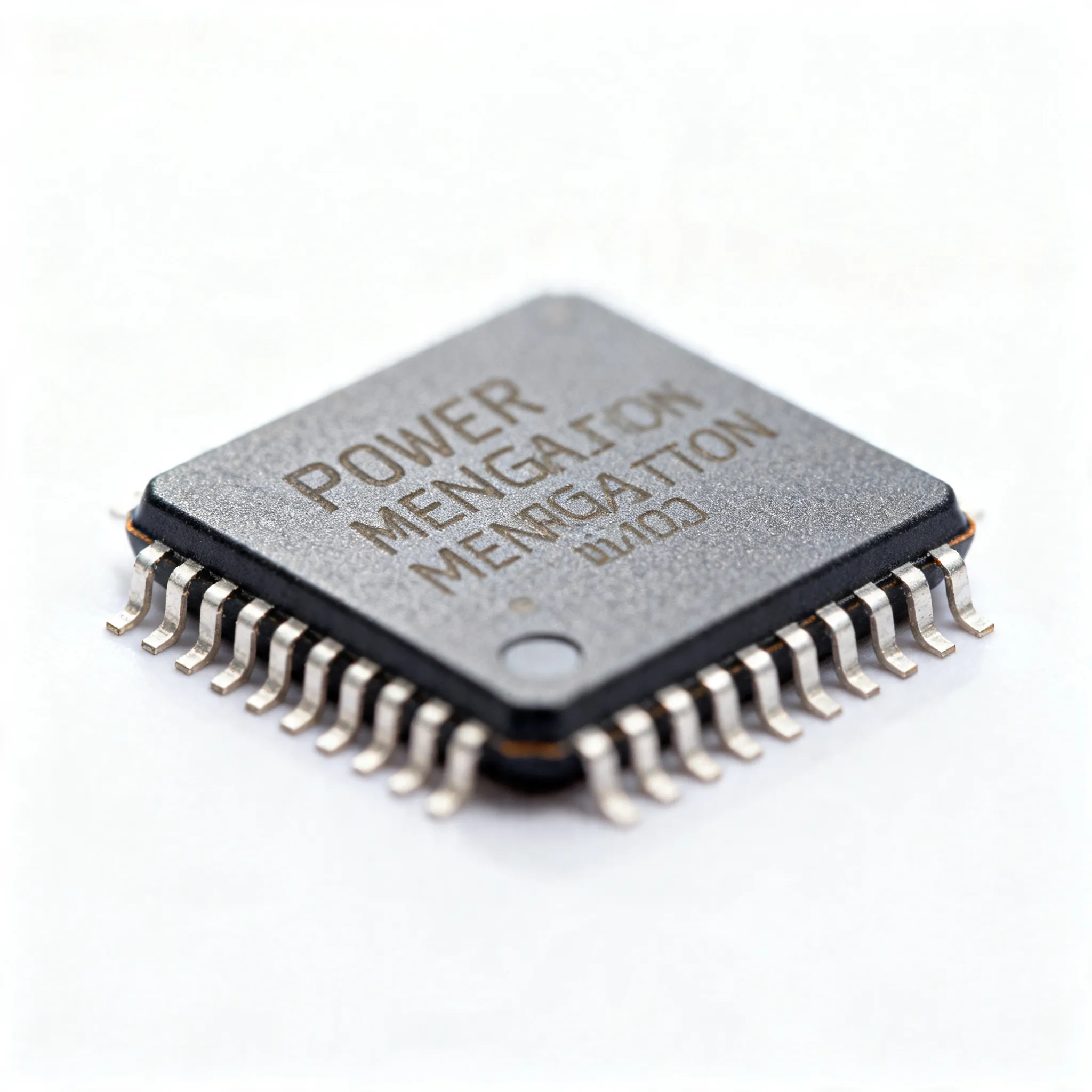
Introduction
Power Management Integrated Circuits (PMICs) are crucial components in modern electronic systems, responsible for efficiently managing power distribution and consumption. With the continuous advancement in technology and the growing demand for power-efficient devices, understanding PMICs has become essential for engineers. These components not only enhance system efficiency but also contribute to the longevity of electronic devices by optimizing power usage. The global semiconductor market is projected to reach $595.2 billion by 2026, indicating a significant increase in demand for efficient power management solutions. As engineers focus on designing cutting-edge systems, PMICs play a pivotal role in achieving energy efficiency and reliability.
Technical Overview
PMICs are specialized circuits designed to manage power requirements of electronic systems. They integrate multiple power functions into a single chip, including voltage regulation, power sequencing, and battery management. The core principles of PMICs involve efficient power conversion, minimizing energy loss, and providing stable power outputs to various system components. PMICs can be categorized into several types based on their functions, such as linear regulators, switching regulators, and battery management ICs. Each type serves specific applications, offering unique benefits like reduced heat generation, improved power efficiency, and minimized electromagnetic interference (EMI).
Linear regulators provide a simple solution for voltage regulation, offering low noise and fast transient response. However, they are less efficient compared to switching regulators, which utilize high-frequency switching to convert voltages with minimal power loss. Battery management ICs, on the other hand, ensure optimal charging and discharging of batteries, extending battery life and improving safety. The choice of PMIC depends on the specific requirements of the application, such as input voltage range, output current, efficiency, and thermal performance.
Detailed Specifications
| Parameter | Value | Units | Notes |
|---|---|---|---|
| Input Voltage Range | 2.7 - 5.5 | V | Typical range for battery-powered devices |
| Output Voltage | 1.8, 2.5, 3.3 | V | Multiple fixed outputs available |
| Output Current | Up to 3 | A | Depends on the model |
| Efficiency | Up to 95 | % | At optimal load conditions |
| Switching Frequency | 1.2 | MHz | Adjustable for different applications |
| Quiescent Current | 30 | µA | Low power consumption in standby mode |
| Load Regulation | ±0.5 | % | Maintains stable output voltage |
| Line Regulation | ±0.3 | % | Stable output despite input variations |
| Overcurrent Protection | Yes | - | Prevents damage from excessive current |
| Short Circuit Protection | Yes | - | Ensures safety during faults |
The electrical specifications of PMICs are critical in determining their suitability for various applications. Key parameters include input and output voltage ranges, output current, and efficiency. The input voltage range must accommodate the power source, while the output voltage should match the requirements of the load. High efficiency is essential for minimizing power loss and heat generation. Switching frequency impacts the size of external components, with higher frequencies allowing for smaller inductors and capacitors. Quiescent current is a measure of power consumption in standby mode, which is crucial for battery-powered applications. Load and line regulation ensure consistent performance under varying conditions.
| Parameter | Value | Units | Notes |
|---|---|---|---|
| Thermal Resistance (Junction to Ambient) | 40 | °C/W | Consider heat dissipation requirements |
| Thermal Shutdown | 150 | °C | Prevents overheating damage |
| Operating Temperature Range | -40 to 85 | °C | Suitable for industrial applications |
| Package Type | QFN, TSSOP | - | Variety of package options available |
| Package Dimensions | 4x4, 5x5 | mm | Compact size for space-constrained designs |
| Weight | 0.08 | g | Lightweight for portable devices |
| Mounting Type | Surface Mount | - | Easy integration into PCBs |
| Soldering Temperature | 260 | °C | Compatible with standard reflow processes |
Thermal and mechanical specifications are crucial for ensuring the reliability and longevity of PMICs in various environments. Thermal resistance indicates the efficiency of heat dissipation, while thermal shutdown provides protection against overheating. The operating temperature range is critical for applications in harsh environments, ensuring the PMIC functions reliably under extreme conditions. Package type and dimensions affect the ease of integration and suitability for space-constrained designs. Surface mount packages are preferred for easy PCB assembly, and compatibility with standard soldering temperatures ensures seamless manufacturing processes.
| Application | Recommended PMIC | Key Features | Notes |
|---|---|---|---|
| Smartphones | PMIC1234 | High efficiency, low quiescent current | Optimized for battery life |
| Wearable Devices | PMIC5678 | Compact size, low power consumption | Ideal for space-constrained designs |
| Industrial Automation | PMIC9101 | Wide input voltage range, robust protection | Suitable for harsh environments |
| Automotive Electronics | PMIC1121 | High temperature tolerance, EMI reduction | Compliant with automotive standards |
| Consumer Electronics | PMIC3141 | Cost-effective, reliable performance | Perfect for mass-market products |
PMICs are tailored for specific applications, each requiring distinct features to meet the demands of the environment. For instance, smartphones benefit from PMICs with high efficiency and low quiescent current to maximize battery life. Wearable devices require compact PMICs with low power consumption to maintain small form factors. Industrial automation demands PMICs with wide input voltage ranges and robust protection features to withstand harsh environments. Automotive electronics prioritize high temperature tolerance and EMI reduction, adhering to strict automotive standards. Consumer electronics benefit from cost-effective PMICs that deliver reliable performance for mass-market products.
Design Considerations
Designing with PMICs requires careful consideration of various factors to ensure optimal performance and reliability. First, it is essential to evaluate the power requirements of the system, including input voltage, output voltage, and current demand. Selecting a PMIC with an appropriate input voltage range ensures compatibility with the power source, while the output voltage must match the needs of the load. The output current rating should exceed the maximum load current to provide headroom for peak demands.
Efficiency is a critical consideration, as it directly impacts power loss and thermal performance. Higher efficiency PMICs generate less heat, reducing the need for extensive thermal management and improving overall system reliability. It is also important to consider the switching frequency, as it affects the size of external components such as inductors and capacitors. A higher switching frequency allows for smaller components, which can be beneficial in space-constrained designs.
Thermal management is another key aspect of PMIC design. Adequate heat dissipation is necessary to prevent overheating and ensure reliable operation. This can be achieved through the use of heat sinks, thermal vias, and proper PCB layout techniques. Thermal shutdown features in PMICs provide an additional layer of protection by automatically disabling the circuit when temperatures exceed safe limits.
The choice of package type and mounting method also plays a significant role in the design process. Surface mount packages are preferred for ease of integration into PCBs, and selecting a package with appropriate dimensions ensures compatibility with the overall system design. Additionally, compliance with industry standards and regulations is essential, particularly for applications in automotive and industrial sectors.
Step-by-Step Guide
- Identify System Requirements: Begin by assessing the power requirements of your system, including input and output voltages, current demands, and efficiency targets. This will help you determine the necessary specifications for the PMIC.
- Select the Appropriate PMIC: Use resources such as DigiKey Electronics to search for PMICs that meet your system requirements. Pay attention to key specifications such as input voltage range, output voltages, and current ratings.
- Consider Thermal Management: Evaluate the thermal performance of the selected PMIC, including thermal resistance and shutdown features. Plan for adequate heat dissipation using heat sinks or thermal vias on the PCB.
- Design the PCB Layout: Create a PCB layout that accommodates the PMIC and its associated components. Ensure proper placement of inductors, capacitors, and other external components to optimize performance and minimize EMI.
- Simulate the Circuit: Use simulation tools to model the power management circuit and verify its performance under various conditions. This will help identify potential issues and optimize the design before prototyping.
- Prototype and Test: Build a prototype of the power management circuit and conduct thorough testing to validate its performance. Monitor parameters such as output voltage stability, efficiency, and thermal behavior.
- Iterate and Optimize: Based on the test results, make any necessary adjustments to the design to improve performance and reliability. This may involve tweaking component values, adjusting the layout, or selecting a different PMIC model.
- Final Integration: Once the design is optimized, integrate the PMIC into the final product and conduct comprehensive testing to ensure it meets all specifications and requirements.
Common Issues & Solutions
- Overheating: Ensure proper thermal management by using heat sinks or thermal vias and optimizing the PCB layout to improve heat dissipation.
- Output Voltage Instability: Check for adequate load and line regulation specifications and ensure proper placement of decoupling capacitors near the PMIC.
- Excessive EMI: Minimize EMI by using a well-designed PCB layout, including proper grounding and shielding techniques, and selecting PMICs with EMI reduction features.
- Low Efficiency: Select a PMIC with high efficiency ratings and optimize the switching frequency to reduce power loss and heat generation.
- Inadequate Current Supply: Choose a PMIC with a current rating that exceeds the maximum load current to provide headroom for peak demands and prevent overcurrent conditions.
- Compatibility Issues: Verify that the selected PMIC is compatible with the system's power source and load requirements, and ensure compliance with industry standards.
Applications & Use Cases
PMICs are utilized in a wide range of applications, each benefiting from their unique features. In smartphones, PMICs enhance battery life by efficiently managing power distribution and minimizing standby power consumption. Wearable devices leverage PMICs for their compact size and low power consumption, enabling the development of small, lightweight products. Industrial automation systems rely on PMICs with robust protection features to ensure reliable operation in harsh environments. Automotive electronics utilize PMICs with high temperature tolerance and EMI reduction capabilities to meet stringent automotive standards. In consumer electronics, PMICs provide a cost-effective solution for delivering reliable power management in mass-market products.
Selection & Sourcing Guide
When selecting and sourcing PMICs, it is important to consider both technical specifications and availability. Utilize resources such as IC Online to search for PMICs that meet your specific requirements. Compare features, prices, and lead times from various suppliers to ensure you select the best option for your application. Additionally, consider the support and documentation provided by the manufacturer, as these can be valuable resources during the design and integration process.
FAQ
- What is a PMIC? A PMIC, or Power Management Integrated Circuit, is a specialized IC designed to manage power distribution and consumption in electronic systems.
- Why is efficiency important in PMICs? Efficiency is crucial because it directly impacts power loss and heat generation, affecting the overall performance and reliability of the system.
- How do I choose the right PMIC for my application? Consider factors such as input voltage range, output voltage, current rating, efficiency, and thermal performance to select a PMIC that meets your system's requirements.
- What are some common features of PMICs? Common features include voltage regulation, power sequencing, battery management, overcurrent protection, and thermal shutdown.
- How can I improve thermal management in my PMIC design? Use heat sinks, thermal vias, and optimize the PCB layout to enhance heat dissipation and prevent overheating.
- What is the importance of switching frequency in PMICs? Switching frequency affects the size of external components, with higher frequencies allowing for smaller inductors and capacitors, beneficial in space-constrained designs.
- How do PMICs contribute to battery life in portable devices? PMICs optimize power consumption by efficiently managing power distribution and minimizing standby power, extending battery life.
- What role do PMICs play in automotive electronics? PMICs in automotive electronics provide reliable power management with high temperature tolerance and EMI reduction to meet automotive standards.
- Can PMICs be used in industrial applications? Yes, PMICs with wide input voltage ranges and robust protection features are suitable for industrial automation systems operating in harsh environments.
- Where can I find more information about PMICs? Visit industry resources such as EE Times and Semiconductor Industry Association for the latest news and technical articles.
Conclusion
Power Management ICs are essential components in modern electronic systems, providing efficient power management solutions that enhance system performance and reliability. By understanding the detailed specifications and design considerations, engineers can select and integrate PMICs that meet their specific application requirements. With the continuous advancement of technology, PMICs will play an increasingly important role in achieving energy-efficient designs, contributing to the growth and development of the global