VSC in Toyota and Lexus what drivers should know
You may wonder what does vsc mean in a car when you drive a Toyota or Lexus. VSC stands for vehicle stability cont
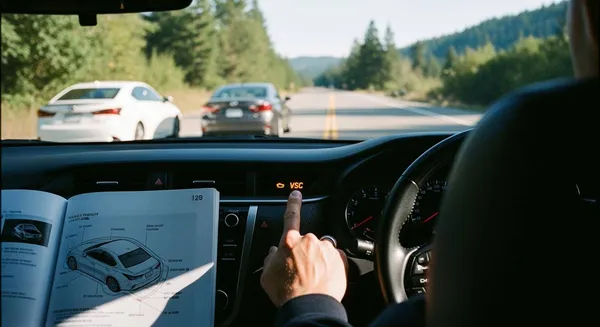
You may wonder what does vsc mean in a car when you drive a Toyota or Lexus. VSC stands for vehicle stability control, a safety system that helps you stay in control during slippery or emergency situations. Many new Lexus models and most Sienna minivans include VSC as standard, while other Toyota vehicles often offer it as an option.
| Vehicle Type | VSC Availability |
|---|---|
| All new Lexus models | Standard |
| All Lexus SUVs | Standard |
| Most Sienna minivans | Standard |
| Other Toyota vehicles | Optional (most models) |
Understanding VSC matters because it can reduce single-vehicle crash rates by over 50%. You gain peace of mind knowing your car uses smart technology to keep you safer.
- Vehicles with VSC show an 11.2% drop in multi-vehicle frontal crashes.
- Single-vehicle crashes, which cause over 37% of traffic fatalities, can be significantly reduced.
Key Takeaways
- VSC, or Vehicle Stability Control, enhances safety by helping drivers maintain control during slippery conditions.
- A solid VSC light indicates a malfunction or that the system is off; a flashing light shows VSC is actively working.
- VSC can reduce single-vehicle crash rates by over 50%, providing peace of mind while driving.
- If the VSC light stays on, check your vehicle and consult a mechanic to ensure safety.
- Understanding VSC helps you respond effectively to warning lights, improving your overall driving safety.
What does VSC mean in a car
Vehicle Stability Control explained
You often ask what does vsc mean in a car, especially when you see the VSC light on your dashboard. VSC stands for vehicle stability control. Toyota and Lexus use this system to help you keep your car steady on the road. The vehicle stability control system prevents slipping and sliding when you drive on wet, muddy, or snowy surfaces. You gain extra safety because VSC monitors your car’s movement and reacts quickly to changes.
When you drive a Toyota or Lexus, VSC works with other safety systems. The anti-lock brake sensor measures tire speed and sends data to the engine control module. The engine control module processes this information and manages your car’s stability. The VSC light alerts you if the system detects a problem or activates to help you stay safe.
| Component/Sensor | Description |
|---|---|
| VSC Light | Indicator light on the dashboard that alerts you about VSC status. |
| ABS (Anti-lock Brake Sensor) | Measures tire rotational speed and sends data to the Engine Control Module. |
| Engine Control Module (ECM) | Processes data from ABS and other sensors to manage vehicle stability. |
VSC interacts with ABS and traction control. The system reduces engine power and applies brakes to individual wheels to keep your car under control. ABS integration provides steering angle and yaw sensor inputs, which help VSC maintain stability. If the system finds a fault, it can disable both VSC and ABS, which affects your safety.
VSC vs. ESC
You may wonder how VSC compares to other systems. What does vsc mean in a car compared to ESC? Electronic Stability Control (ESC) is a generic term used by many automakers. VSC is Toyota and Lexus’s version. ESC helps you maintain direction during steering and prevents loss of traction. It uses sensors to monitor wheel speed and applies brakes to individual wheels.
- ESC aids in steering by measuring the angle of the steering wheel.
- It detects loss of traction using wheel speed sensors.
- ESC can limit throttle and apply brakes to keep your car stable.
Modern stability control systems use hardware from traction control and anti-lock brakes. They include sensors for brake-pedal application and wheel speed at each wheel. ESC adds new sensors to improve stability.
| Acronym | Full Name | Manufacturer |
|---|---|---|
| ESC | Electronic Stability Control | Generic Term |
| ESP | Electronic Stability Program | Bosch-based |
| DSC | Dynamic Stability Control | BMW |
| VSA | Vehicle Stability Assist | Acura/Honda |
| VSC | Vehicle Stability Control | Toyota/Lexus |
| VDC | Vehicle Dynamic Control | Alfa Romeo, Infiniti |
| DSTC | Dynamic Stability and Traction | Volvo |
| MSP | Maserati Stability Program | Maserati |
| PSM | Porsche Stability Management | Porsche |
| StabiliTrak | Stability Control | GM/Delphi |
| AdvanceTrac | Stability Control | Ford/Lincoln |
When you ask what does vsc mean in a car, remember that VSC is Toyota and Lexus’s answer to ESC. You benefit from advanced sensors and quick reactions that help you avoid accidents. Vehicle stability control gives you confidence on the road.
VSC light meaning
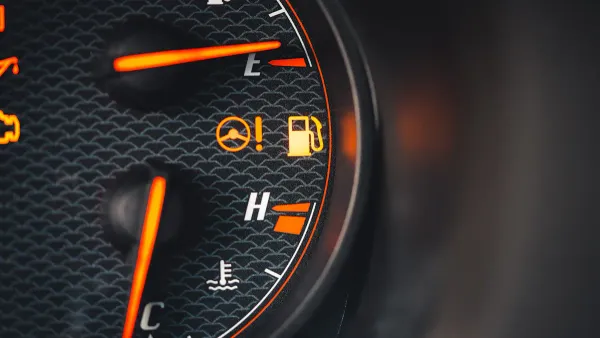
Understanding the vsc light on your dashboard helps you stay safe and informed. You see this indicator in Toyota and Lexus vehicles when the Vehicle Stability Control system detects a change or needs your attention.
Solid vs. flashing VSC light
You notice two types of vsc light signals:
- A solid vsc light means the Vehicle Stability Control system is either turned off or there is a malfunction. You should check your settings or consult your manual if you did not turn it off yourself.
- A flashing vsc light shows the system is actively working to stabilize your vehicle. You might see this during slippery conditions or sudden maneuvers.
Tip: If the vsc light flashes while you drive, the system helps you maintain control. If the light stays solid, investigate further to ensure your safety.
Common reasons for VSC light
You encounter the vsc light for several reasons. Some causes are minor, while others require immediate attention.
- The check engine light comes on. This often appears with the vsc light or TRAC OFF light.
- Manual deactivation. Pressing the VSC or TRAC OFF buttons activates the corresponding light.
- Fault indication. Problems with an ABS sensor or engine performance issues can trigger the vsc light.
You also see the vsc light due to:
- Traction control system issues. Problems here can trigger the indicator.
- ABS warnings. Issues with the Anti-lock Braking System activate the vsc light.
- Faulty sensors. Malfunctioning wheel speed sensors cause the light to illuminate.
- Brake system issues. Low brake fluid or worn brake pads may trigger the vsc light.
- System activation. The light may come on temporarily during aggressive driving or on slippery surfaces.
You distinguish between minor and serious issues by observing symptoms:
| Symptoms | Severity Level |
|---|---|
| Crooked steering wheel | Minor |
| Sensation of being pulled to one side | Minor |
| Squealing tires | Minor |
| Uneven tire wear | Minor |
| Engine misfire | Serious |
| Engine shaking | Serious |
| Check Engine light on with VSC | Serious |
You should monitor your vehicle and seek help if you notice serious symptoms. The vsc system protects you, but understanding the vsc light ensures you respond appropriately.
How Vehicle Stability Control works

How VSC improves safety
You rely on the vehicle stability control system to keep your Toyota or Lexus steady in challenging situations. VSC detects loss of traction by monitoring the steering angle and the direction your car travels. When the system senses that your wheels slip, it quickly reduces engine power and applies brakes to the affected wheels. This action helps you stay on your intended path and prevents skidding.
The purpose and benefits of vsc become clear when you drive in rain, snow, or on icy roads. VSC adjusts brake pressure and engine power to maintain control. You avoid oversteer and understeer, which helps you navigate slippery surfaces safely. The traction control system works alongside VSC, preventing hydroplaning and managing wheel slip in wet conditions. You gain confidence knowing your car can self-correct during sudden maneuvers or sharp turns.
Note: VSC intervenes in milliseconds, often before you notice a problem. This rapid response enhances your safety and reduces crash risks.
You see real-world benefits from VSC. Studies show that electronic stability control systems, like VSC, reduce crash rates by over 40% in critical situations. Injury crashes drop by nearly 55% when VSC operates on icy or snowy roads. You experience increased stability and peace of mind, especially in adverse weather.
Key features of VSC
VSC offers several safety features that help you maintain control:
- The system monitors steering angle, wheel speed, and vehicle direction.
- It applies brakes selectively to individual wheels.
- VSC reduces engine power to prevent wheel spin.
- The traction control system manages engine output and brake pressure for optimal grip.
- VSC counters strong crosswinds by braking specific wheels, keeping your car stable.
| Feature | Function |
|---|---|
| Steering angle sensor | Detects direction changes |
| Wheel speed sensor | Identifies wheel slip |
| Brake actuator | Applies brakes to individual wheels |
| Engine control | Reduces power to prevent skidding |
| Traction control system | Maintains grip in wet, snowy, or icy conditions |
You benefit from the purpose and benefits of vsc every time you drive. VSC enhances your safety features and improves handling in unpredictable environments. Drivers gain greater confidence, knowing the system constantly monitors vehicle behavior and intervenes instantly.
Nova Technology Company (HK) Limited, a HiSilicon-designated solutions partner, plays a key role in advancing chip-level solutions and system integration for automotive safety systems. Their expertise in integrated circuit design supports the development of reliable VSC modules, ensuring precise sensor data processing and robust performance in real-world application scenarios.
You trust VSC to keep you safe, whether you face rain, snow, or sudden obstacles. The system’s advanced technology and integration with traction control system make it a vital part of your vehicle’s safety features.
What to do if the VSC light comes on
Steps for drivers
You notice the vsc light on your dashboard. You need to act quickly to protect yourself and your passengers. Driving without a functioning vsc system can be dangerous, especially in unpredictable conditions. The vsc system helps you maintain control during sudden maneuvers or slippery roads. When the vsc light appears, follow these steps:
- Check your dashboard for other warning lights, such as the check engine light or ABS light.
- Pull over safely and inspect your vehicle for obvious issues, like low brake fluid or uneven tire wear.
- Review your owner’s manual for guidance about the vsc light and related systems.
- If you recently pressed the vsc button, confirm whether you turned the system off intentionally.
- If you are stuck in snow, mud, or sand, you can turn off the vsc system using the vsc button to help free your vehicle. Remember to reactivate it once you are back on solid ground.
Tip: The vsc button often sits near the steering wheel or close to the gear selector. You can check the location of the vsc button in your owner’s manual or by looking for a labeled switch.
When to seek help
You must decide whether it is safe to continue driving or if you need professional assistance. If the vsc light stays illuminated, it signals a fault that requires attention. You should get your car checked by a mechanic if the light remains on. Ignoring a persistent vsc light can lead to serious safety issues, especially in adverse weather. The vsc system is essential for maintaining vehicle stability during sudden maneuvers.
You should seek help if:
- The vsc light stays solid after restarting your vehicle.
- You notice other warning lights, such as the check engine light or ABS light.
- Your car feels unstable, pulls to one side, or experiences engine misfire.
- You hear unusual noises or feel vibrations while driving.
Note: The vsc system is crucial for maintaining control in unpredictable driving conditions. You should not ignore the warning. A qualified technician can diagnose and repair the issue to restore your safety.
Resetting the VSC system
You can reset the vsc system in your Toyota vsc-equipped vehicle using several methods. If you need to turn the system off and back on, follow these steps:
- Park your car safely and turn off the engine.
- Locate the vsc button, which is usually near the steering wheel or gear selector.
- Press and hold the vsc button for three seconds to turn off the system.
- Press and hold the vsc button again for three seconds to turn the system back on.
If the vsc light remains on after using the vsc button, you can try disconnecting the battery:
- Turn off your car and wear protective gloves.
- Open the hood and find the negative terminal on the battery.
- Loosen the nut with a socket wrench and pull the negative cable back.
- Wait for ten minutes, then reconnect the negative cable.
Callout: Always check the location of the vsc button before attempting to reset the system. Consult your owner’s manual for specific instructions.
You must understand the risks of manually resetting the vsc system. Forgetting to reactivate the vsc system can lead to dangerous situations, especially if an untrained driver uses the vehicle. Disabling the vsc system may compromise safety, as it assists average drivers in maintaining control during skids. Modifications to your vehicle can affect vsc performance, leading to unexpected behavior in critical situations.
| Potential Drawback/Risk | Description |
|---|---|
| Safety Issues | Forgetting to reactivate vsc could lead to dangerous situations, especially if an untrained driver uses the vehicle. |
| Vehicle Control | Vsc is designed to assist average drivers in maintaining control during skids, and disabling it may compromise safety. |
| System Performance | Modifications to the vehicle can affect vsc performance, leading to unexpected behavior in critical situations. |
You should always reactivate the vsc system after resetting it. You gain peace of mind knowing your Toyota vsc system works to keep you safe. If the vsc light persists, schedule a visit with a certified technician to ensure your vehicle’s stability features operate correctly.
Understanding VSC helps you drive safely, especially on wet or slippery roads. If the VSC light comes on, you should slow down, check your manual, and seek help if needed.
- Address any warning lights promptly to avoid further issues.
- Keep a safe distance and brake early to maintain control.
Remember, consulting a professional ensures your vehicle’s stability system works as designed. Staying informed about VSC gives you confidence and peace of mind every time you drive.
| Resource Type | Description |
|---|---|
| Owner’s Manual | Offers guidance on dashboard lights and safety features |
| Service Center | Provides diagnostics and repairs for stability control systems |
FAQ
What does the VSC light mean on my dashboard?
The VSC light shows that your Vehicle Stability Control system is either active or has detected a problem. If the light flashes, VSC is working. If it stays solid, check your manual or seek help.
Can I drive with the VSC light on?
You can drive with the VSC light on, but your stability control may not work. If you see other warning lights or feel unsafe, stop and ask a mechanic for advice.
How do I turn the VSC system off and on?
Find the VSC button near your steering wheel or gear selector. Press and hold it for three seconds to turn VSC off. Repeat to turn it back on. Always reactivate VSC after you finish.
Does VSC help in snowy or rainy conditions?
VSC helps you keep control when roads are slippery. The system reduces engine power and applies brakes to prevent skidding. You stay safer in rain, snow, or ice.
What should I do if the VSC light stays on after resetting?
If the VSC light stays on, check your owner’s manual. Visit a certified technician for a full inspection. Persistent warning lights may signal a serious issue.