Automotive Starter Relay and Everyday Electronics: Surprising Similarities
Automotive starter relay shares core functions with everyday electronics, offering safety, efficient power control, and reliable device operation.
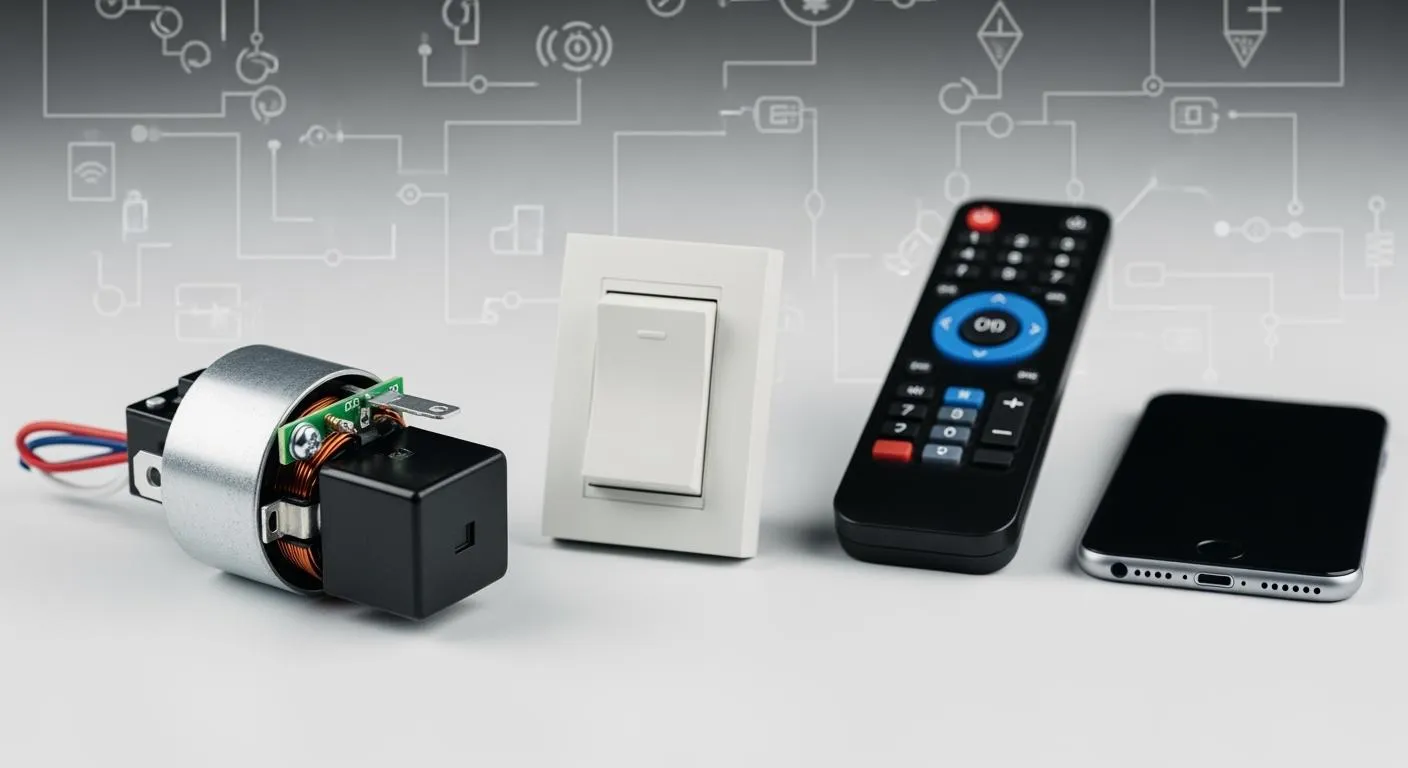
You interact with relays every day, often without realizing it. Both the automotive starter relay in your car and the relay in your washing machine use a small electrical signal to activate a much larger circuit. This principle makes electronics easier to understand and safer to use. For example, a relay lets you press a button to start your vehicle or turn on an appliance without handling high voltage yourself. Relays work behind the scenes to protect you and your devices.
Key Takeaways
- Relays act as safe switches, allowing low-power signals to control high-power devices, protecting users from dangerous currents.
- Automotive starter relays enhance vehicle safety by managing high current loads, preventing damage to sensitive electrical components.
- Household appliances rely on relays for efficient operation, ensuring reliable performance and protecting against electrical overloads.
- Understanding how relays work helps you troubleshoot issues in both cars and home electronics, saving time and reducing repair costs.
- Relays improve energy efficiency by minimizing power loss, extending the lifespan of devices, and enhancing overall system reliability.
What Is an Automotive Starter Relay

Starter Relay Function in Vehicles
You use a start relay every time you turn your car key or press the ignition button. The automotive starter relay acts as a switch that lets a small current from the ignition activate a much larger current needed by the starter motor. This process allows you to start your vehicle without handling high voltage or heavy wires directly.
- The start relay controls high current flow from the battery to the starter motor.
- It uses a low current signal from the ignition switch to activate the starter motor safely.
- This design keeps high current away from the ignition switch, which reduces heat buildup and improves reliability.
You can find a start relay in almost every modern vehicle. The automotive starter relay makes starting your car simple and safe. When you turn the key, the relay receives a small signal. The start relay then closes its contacts, sending a strong current to the starter motor. This action cranks the engine and gets you moving.
Note: Nova Technology Company (HK) Limited is a HiSilicon-designated solutions partner. The company specializes in chip-level solutions, system integration, and advanced application scenarios for automotive and industrial electronics. Their expertise supports the design and integration of reliable relay systems in modern vehicles.
Buffer and Safety Role
The automotive starter relay does more than just start your car. The start relay acts as a buffer between the ignition switch and the starter motor. This buffer protects sensitive parts of your vehicle’s electrical system from high amperage. The start relay manages the heavy current needed by the starter motor, so other components do not face the risk of overheating or damage.
You benefit from this design because the relay minimizes voltage drop and keeps your car’s wiring safe. The start relay ensures that only the starter motor receives high current, while the rest of the system stays protected. This setup increases the lifespan of your vehicle’s electrical parts and improves overall safety.
You can see that the automotive starter relay is a key part of your car’s starting system. The start relay works quietly in the background, making sure your vehicle starts reliably every time.
Relays in Everyday Electronics

Home Appliance Relay Examples
You encounter relays in many household appliances every day. Washing machines, air conditioners, refrigerators, and microwave ovens all rely on a relay to perform essential functions. The relay acts as a switch that lets you control powerful motors and heating elements with a simple button press or dial turn.
- Air conditioners use a relay to control compressor motors. This relay helps maintain the right temperature and reduces energy consumption.
- Microwave ovens depend on a relay to manage power levels and timing. The relay ensures your food cooks evenly and safely.
- Refrigerators rely on a relay to start and stop the compressor. This relay keeps your food cold and fresh.
- Washing machines use a relay to activate motorized parts. The relay guarantees reliable operation and protects the machine from electrical overloads.
- Modern appliances often feature solid-state relays. These relays provide silent switching and longer operational life. You benefit from quick response times and slimmer device designs.
Relays enable user commands in appliances like microwaves and audio systems. When you press a button, the relay shifts internal circuits instantly. This relay allows for accurate execution of commands without bulky mechanical switches.
HVAC and Other Devices
Relays play a crucial role in HVAC systems and other devices. In air conditioners, the relay controls the compressor motor. This relay reduces energy consumption and extends the lifespan of the appliance. You see similar relay functions in heating systems, where the relay switches heating elements on and off based on thermostat settings.
The relay manages current loads and improves safety in these devices. You avoid motor damage because the relay monitors current and breaks the circuit during electrical overloads or phase failures. This relay provides cost-effective protection compared to replacing expensive motors.
| Appliance Type | Role of Relay | Benefits |
|---|---|---|
| Washing Machines | Control motorized parts for operation | Reliable operation |
| Air Conditioners | Control compressor motors to maintain temperature | Reduces energy consumption, extends lifespan |
| Microwave Ovens | Manage power levels and timing | Efficient operation |
Relays make your appliances safer and more efficient. You enjoy reliable performance and longer-lasting devices because the relay protects sensitive components. The relay stands as a silent guardian in your home, ensuring every device works as intended.
Similarities and Differences
Low-Power Control of High-Power Loads
You see a relay in action every time you start your car or use a household appliance. Both automotive starter relays and household relays operate as electromechanical switches. They use a low-power signal to control a high-power circuit. This design keeps you safe and makes it easy to manage powerful devices. You press a button or turn a key, and the relay handles the heavy lifting behind the scenes.
A relay protects switches from overload. You avoid direct contact with high current or voltage. This principle applies in your vehicle and your home. The relay lets you control high-current devices like starter motors or compressor units with minimal effort. You benefit from efficient control and improved safety.
When you use a relay, you gain reliable performance and peace of mind. The relay isolates the control circuit from the load circuit, preventing interference and reducing risk.
Safety and Efficiency Benefits
Relays provide safety and efficiency in both automotive and household applications. You rely on automotive relays to manage high-power loads and protect sensitive electronics. These relays support critical systems such as airbags and anti-lock brakes. They ensure your vehicle operates safely and prevent accidents.
Household relays act as circuit breakers. They disconnect loads during overcurrent or fault conditions. You avoid electrical hazards and protect your appliances from damage. The relay in your washing machine or air conditioner keeps the device running smoothly and safely.
Relays offer several efficiency benefits:
- Relays control high currents and voltages using low-power signals, acting as efficient switches.
- You get isolation between control circuits and load circuits, which prevents interference.
- Relays are highly reliable and have a long operating life, ideal for critical applications.
- Their versatility allows integration into various systems, from household appliances to industrial machinery.
Automotive relays enhance power transmission effectiveness. They minimize energy dissipation by directing power to essential components. You experience elevated performance under varying driving conditions. Relays maintain reliability and resilience in challenging environments. They endure fluctuations in current and voltage, ensuring consistent operation of lighting, fuel supply, and other vital functions.
- Automotive relays support lighting systems and engine management.
- They protect sensitive electronics while managing high current loads.
- Robust relay systems ensure the effectiveness of critical safety technologies.
Household relays do not typically handle high power loads or critical safety functions. You use them mainly for convenience and protection from electrical faults. Automotive relays remain essential due to their robustness and clear on/off isolation.
Construction and Design Differences
You notice differences in construction and design between automotive starter relays and household relays. Automotive relays must withstand harsh conditions. They feature weatherproofing and high current ratings. You find voltage ratings of 12V DC or 24V DC and current ratings from 80A to 200A.
| Relay Type | Voltage Rating | Current Rating |
|---|---|---|
| Automotive Starter Relay | 12V DC or 24V DC | 80A to 200A |
Automotive relays use flame-retardant PBT plastic for housing. This material resists heat and prevents fire hazards. You see contacts designed for 200A current and coils rated for 12V DC or 24V DC. The relay prevents excessive wear on the ignition switch and protects your vehicle’s electrical system.
Household relays operate at lower voltages and currents. They do not require the same level of weatherproofing or durability. You find relays in appliances with simpler designs and lower current ratings. The relay in your microwave or refrigerator focuses on efficient switching and basic protection.
- Automotive relays must handle high current loads and harsh environments.
- Household relays prioritize compact size and silent operation.
- Both types use flame-retardant materials for safety.
You benefit from these design choices. Automotive relays deliver robust performance and reliability. Household relays offer efficient operation and easy integration into everyday devices.
Relays bridge the gap between control and power. You gain safety, efficiency, and reliability whether you drive a car or use a home appliance.
Why Understanding Relays Matters
Practical Benefits for Users
You gain many advantages when you understand how a relay works in both your car and your home. Recognizing the similarities between automotive and household relays helps you troubleshoot problems faster and keeps your devices running smoothly. When you know the basic relay principle, you can spot issues like faulty wiring, worn contacts, or coil burnout. You avoid costly repairs and improve safety.
Here are some common troubleshooting techniques you can use for relays:
- Inspect the relay for visible damage or corrosion.
- Swap the relay with a known good one to check function.
- Listen for a click sound when you apply power.
- Use a multimeter to test continuity and resistance.
- Bench test the relay with a power source to simulate operation.
You can also test the relay coil for continuity, check for voltage on the load side, and jumper terminals to verify device operation. These steps help you find problems in both vehicles and appliances.
The table below shows practical benefits you gain from understanding relay operation:
| Benefit | Description |
|---|---|
| Effective Power Routing | Enhances power transmission effectiveness, minimizing energy dissipation and elevating performance. |
| System Robustness | Fortifies reliability and resilience of systems, ensuring performance under varying conditions. |
| Safety Functions | Ensures operation of critical safety features like airbags and braking systems, preventing accidents. |
| Operational Longevity | Reduces wear and tear, preventing costly repairs and extending vehicle lifespan. |
| Energy Strategy Refinement | Facilitates efficient power distribution, maximizing energy usage and prolonging battery life. |
Tip: When you understand relay basics, you improve your ability to maintain and repair both automotive and household electronics.
Cross-Application of Knowledge
You can apply relay knowledge across different devices. In vehicles, relays protect the ignition switch by switching heavy currents for the starter motor. When you turn on headlights, relays manage current flow to prevent overload on dashboard wiring. In home appliances, relays enable remote operation and automation, improving safety and reliability.
- Automotive systems use relays to control high-current loads with low-power signals. You get efficient control and protection for electrical components.
- Household electronics rely on relays for automation and safe circuit operation. You enjoy improved reliability and convenience.
- Safety mechanisms use relays to disconnect faulty circuits. You reduce risks of fire, equipment damage, and electric shock.
You use tools like a digital multimeter, jumper wires, and a power source to test relays. You check for coil burnout, contact pitting, and corrosion. These skills help you maintain both your car and your appliances.
When you recognize relay principles, you build confidence in troubleshooting and repair. You save time, protect your devices, and ensure safe operation in every environment.
You now see that both automotive starter relays and household relays use low-power signals to control high-power circuits. Each type protects devices and improves safety, but they differ in design and application. When you understand relay principles, you gain these benefits:
- You identify electrical problems faster in cars and home electronics.
- You recognize common relay failures and fix them with confidence.
- You keep your devices running smoothly and safely.
Remember, the basics of electronics stay the same everywhere. You can master these concepts and apply them in daily life! 🚗🏠
FAQ
What is a relay and how does it work?
You use a relay as an electrically controlled switch. It lets you turn on or off a high-power device with a low-power signal. This switch protects you from handling dangerous currents directly.
Where do you find relay applications in daily life?
You see relay applications in cars, home appliances, and industrial machines. Relays help you control motors, lights, and heating elements safely and efficiently.
Why are relays important in electrical systems?
Relays keep electrical systems safe. They prevent overloads and protect sensitive parts. You rely on relays to ensure devices operate reliably and avoid electrical hazards.
How can you tell if a relay is faulty?
You can listen for a clicking sound when you activate the relay. If you do not hear it, the relay may be faulty. You can also test it with a multimeter for continuity.
Can you replace a relay yourself?
You can replace a relay if you follow safety steps. Always disconnect power first. Check your device manual for the correct relay type. If you feel unsure, ask a professional for help.