Innovative Applications of Microcontrollers in Modern Electronics Design
Expert guide on Innovative Applications of Microcontrollers in Modern Electronics Design. Technical specs, applications, sourcing tips for engineers and buyers.
Introduction
In the rapidly evolving landscape of electronics, microcontrollers have emerged as pivotal components driving innovation. Their versatility and functionality empower engineers to design complex systems with ease and efficiency. The global semiconductor market, predicted to surpass $595.2 billion by 2026, underscores the critical role of microcontrollers in modern electronics. From consumer gadgets to industrial automation, their applications are vast and varied, making them indispensable in current and future technologies.
Technical Overview
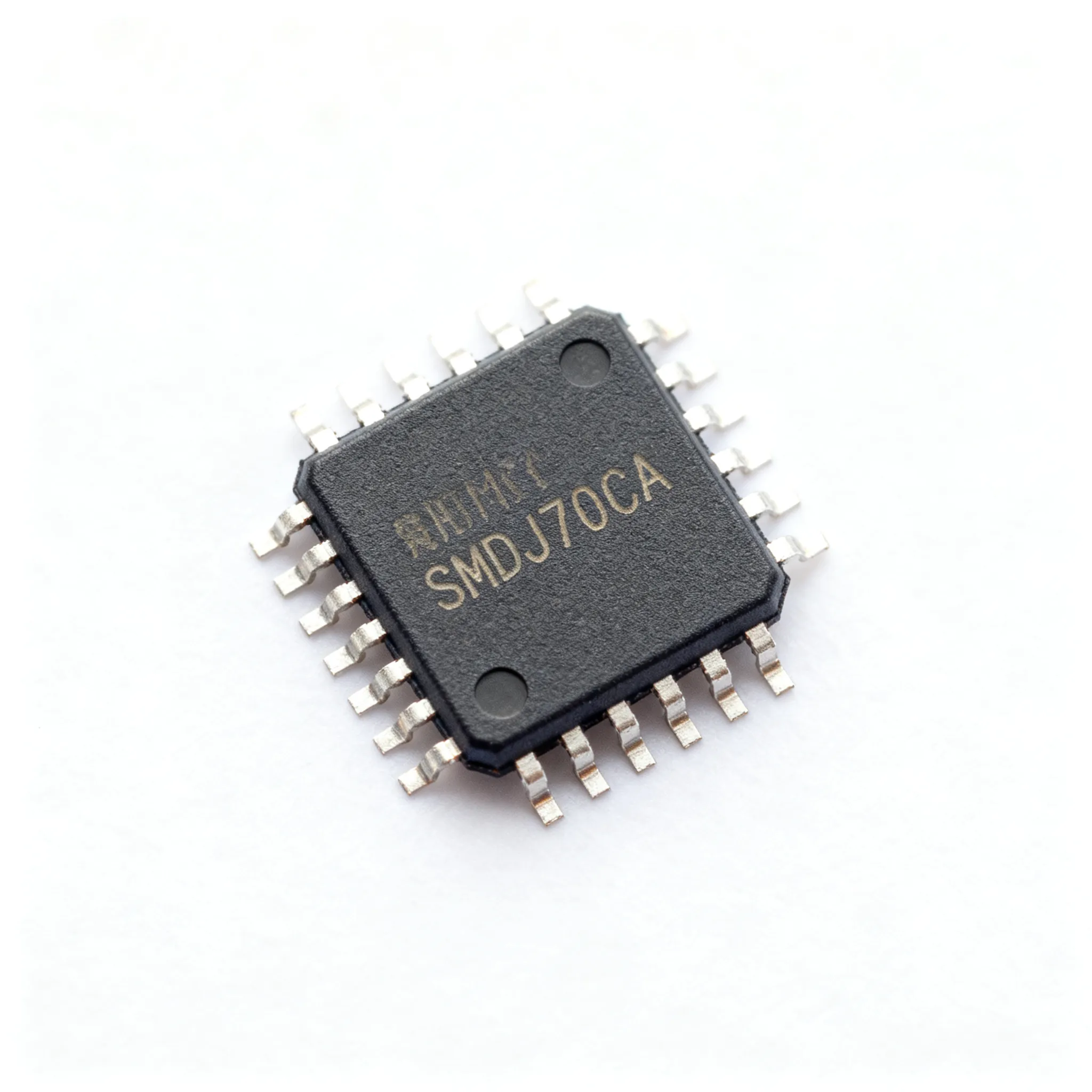
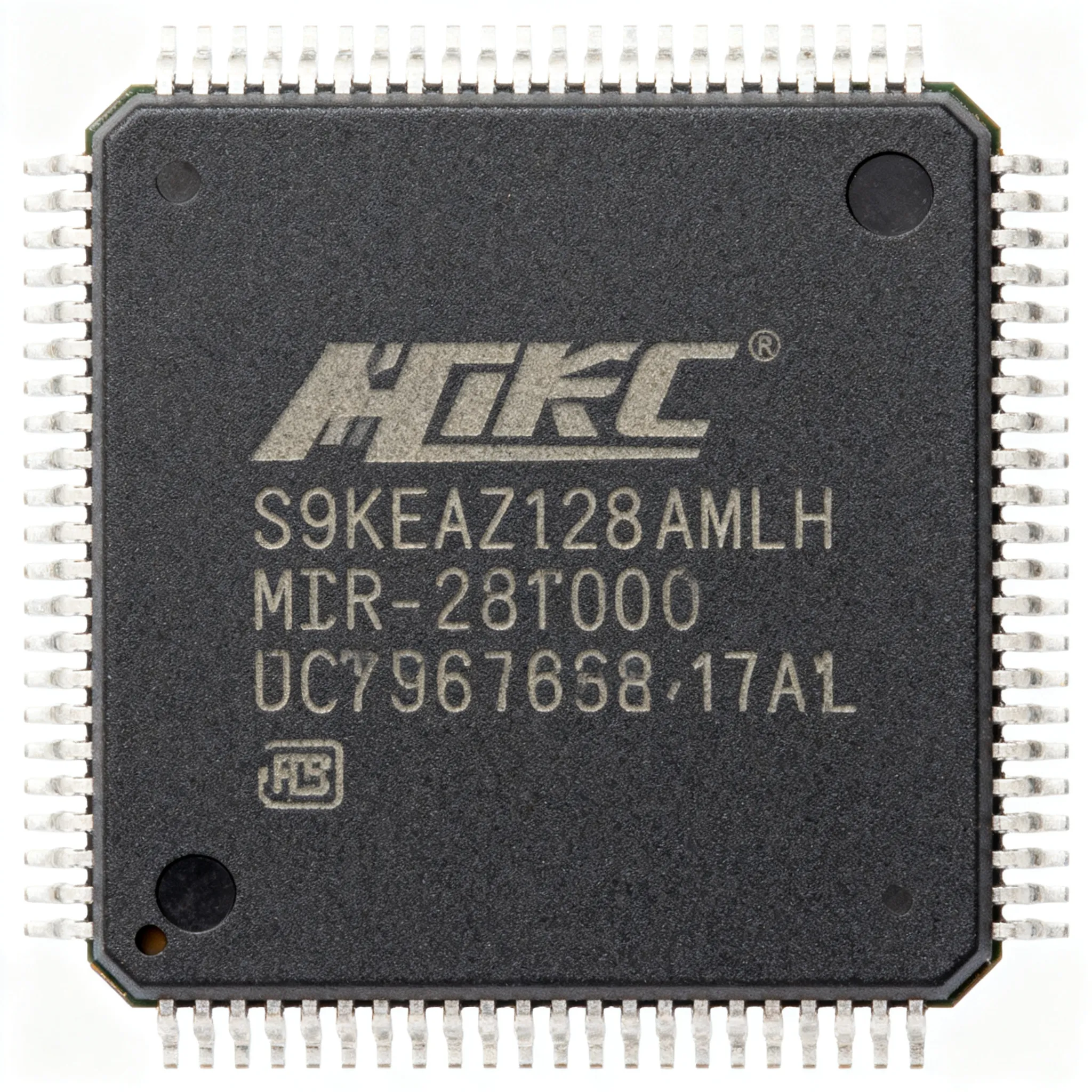
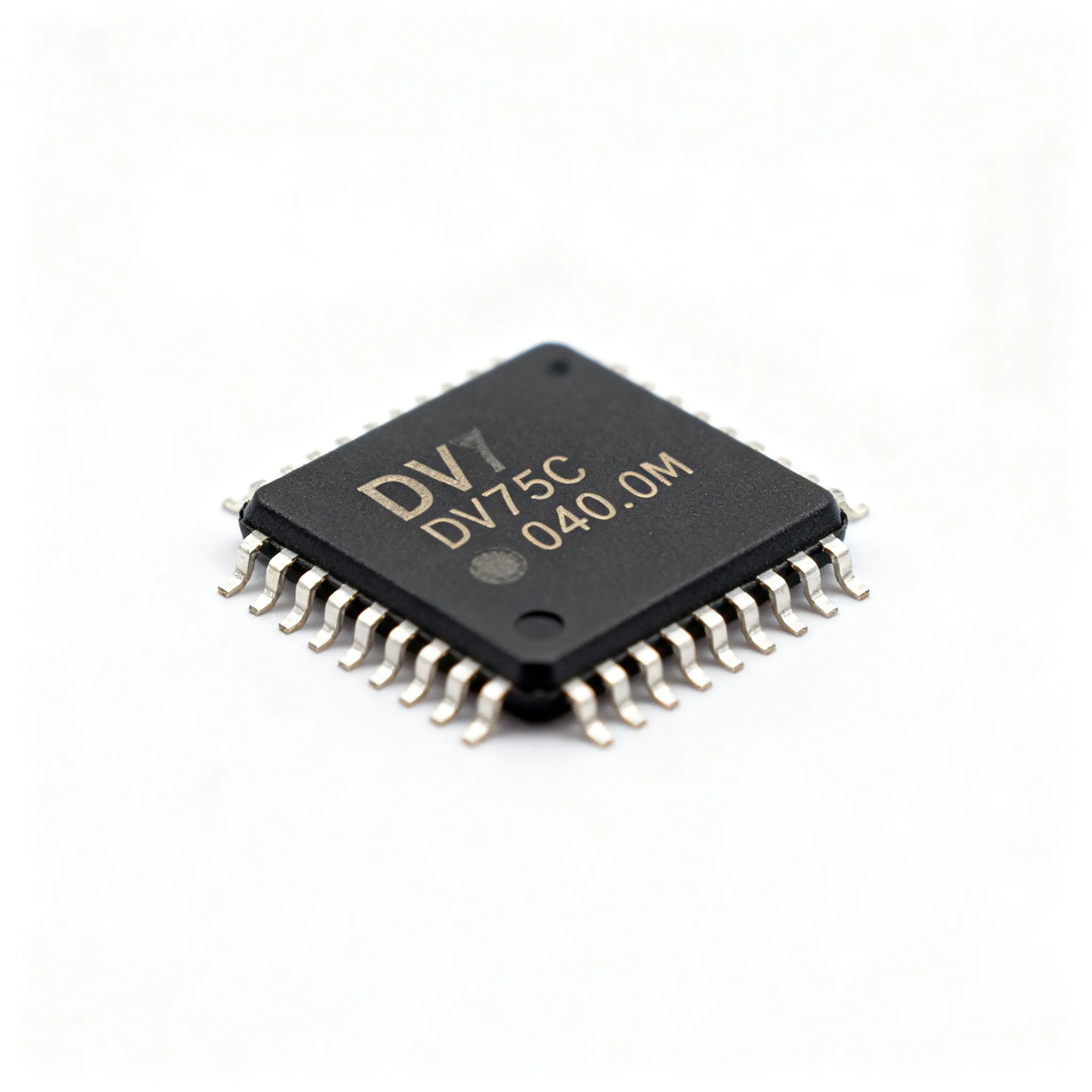
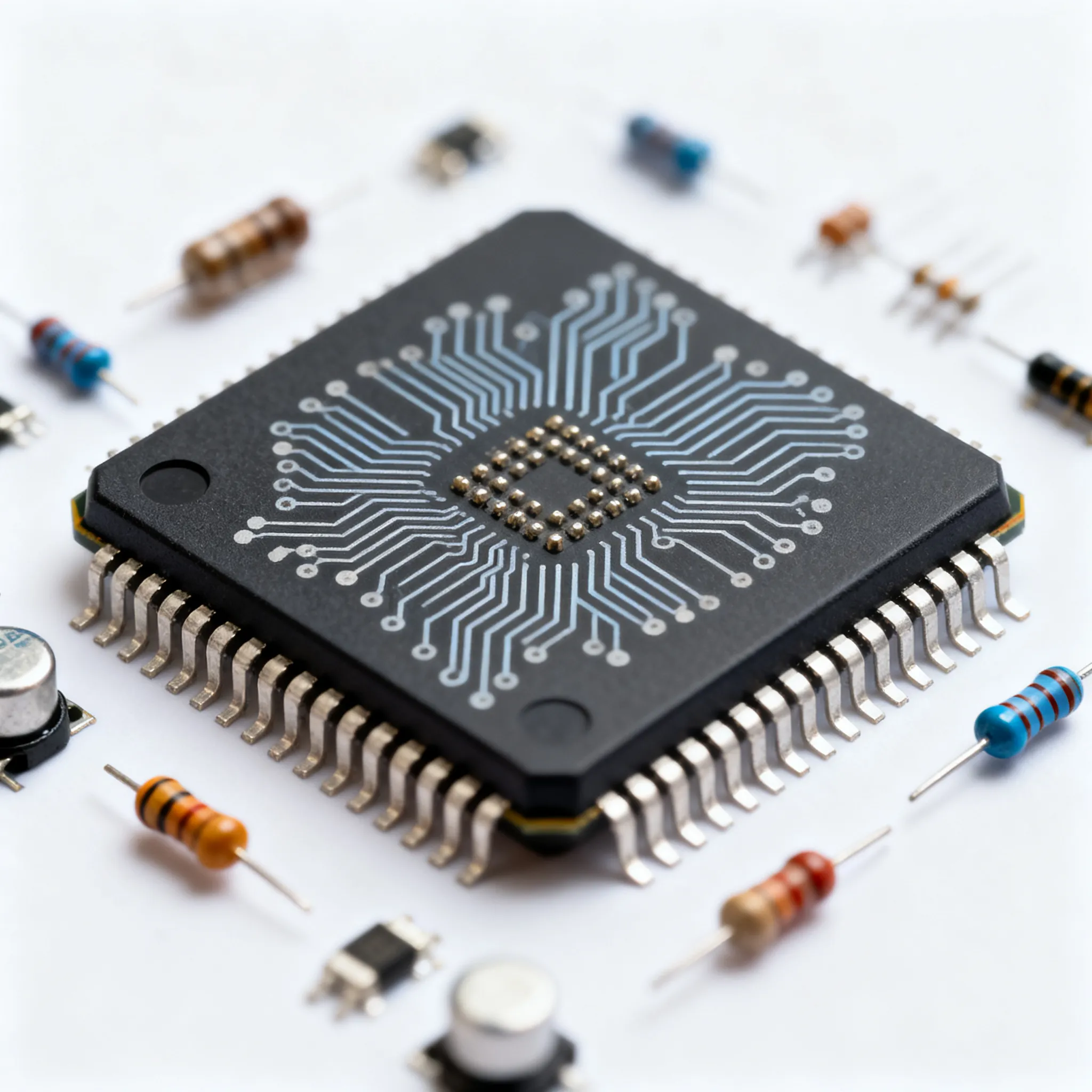
Microcontrollers are compact integrated circuits designed to perform specific tasks within an embedded system. They typically consist of a processor, memory, and input/output peripherals on a single chip. The core principle behind microcontrollers is to provide control and automation in electronic devices, allowing for precise operations and efficient resource management. With advancements in technology, microcontrollers have become more powerful, integrating features like wireless communication, advanced security protocols, and power management, making them suitable for a wide range of applications.
Detailed Specifications
Electrical Specifications
| Parameter | Value | Unit | Notes |
|---|---|---|---|
| Operating Voltage | 1.8 - 5.5 | V | Typical range for microcontrollers like STM32F429IET6 |
| Flash Memory | 256 | KB | Non-volatile storage for firmware |
| RAM | 32 | KB | For data storage and processing |
| Clock Speed | 72 | MHz | High-speed operation for real-time applications |
| GPIO Pins | 48 | pins | Configurable for digital I/O |
| ADC Resolution | 12 | bits | For precise analog signal conversion |
| PWM Channels | 8 | channels | For motor control and signal modulation |
| UART Interfaces | 4 | interfaces | For serial communication |
| I2C Interfaces | 3 | interfaces | For peripheral connectivity |
| SPI Interfaces | 2 | interfaces | For high-speed data transfer |
Thermal & Mechanical Specs
| Parameter | Value | Unit | Notes |
|---|---|---|---|
| Operating Temperature | -40 to 85 | °C | Suitable for industrial environments |
| Storage Temperature | -65 to 150 | °C | Long-term storage conditions |
| Thermal Resistance | 30 | °C/W | Junction-to-ambient |
| Package Type | LQFP | - | Low-profile quad flat package |
| Package Dimensions | 14x14 | mm | Standard size for many applications |
| Pin Count | 64 | pins | For extensive connectivity |
| Weight | 0.5 | g | Typical weight for a microcontroller |
| Lead Finish | Matte Tin | - | RoHS compliant |
Application Comparison
| Application | Microcontroller Model | Key Features | Notes |
|---|---|---|---|
| Home Automation | ESP8266 | Wi-Fi enabled, low power | Ideal for IoT applications |
| Industrial Control | STM32F407VGT6 | High processing power, robust I/O | Suitable for harsh environments |
| Wearable Devices | NRF52840 | Bluetooth 5, ultra-low power | Perfect for battery-operated devices |
| Automotive Systems | ATmega32U4 | Automotive grade, extended temp range | Compliant with automotive standards |
| Consumer Electronics | RP2040 | Dual-core, flexible I/O | Great for hobbyist projects |
The tables above provide an in-depth look into the specifications of modern microcontrollers, highlighting their electrical, thermal, and mechanical characteristics. Understanding these parameters is crucial for selecting the right component for your application. Microcontrollers like the STM32F429IET6 are designed to operate efficiently across a wide range of voltages and temperatures, making them suitable for diverse environments and applications.
Design Considerations
Designing with microcontrollers requires careful consideration of several factors to ensure optimal performance and reliability. First, it's essential to assess the power requirements of your application. Microcontrollers with low power consumption are ideal for battery-operated devices, while those with higher power capabilities may be necessary for more demanding applications.
The choice of microcontroller also depends on the specific functionalities required. For instance, applications requiring wireless communication should consider models with integrated Wi-Fi or Bluetooth capabilities, such as the ESP8266 or NRF52840. Additionally, the number of I/O pins and peripheral interfaces should align with the needs of your design, allowing for seamless integration with other components.
Thermal management is another critical aspect. Ensuring that the microcontroller operates within its specified temperature range is vital to prevent overheating and potential failure. This may involve selecting appropriate cooling solutions or designing a PCB layout that facilitates heat dissipation.
Finally, consider the software development environment and support available for the microcontroller. A robust ecosystem with comprehensive libraries and community support can significantly accelerate the development process, reducing time-to-market and development costs.
Step-by-Step Guide
Designing a system with a microcontroller involves several key steps:
- Define the Requirements: Clearly outline the objectives and constraints of your project. Identify the key functionalities the microcontroller must support.
- Select the Microcontroller: Use the specifications tables to choose a microcontroller that meets your application's needs. Consider factors such as power consumption, processing power, and peripheral interfaces.
- Design the Circuit: Create a schematic that integrates the microcontroller with other components. Pay attention to power supply design, signal routing, and component placement to ensure a reliable and efficient design.
- Develop the Firmware: Write the software that will run on the microcontroller. Utilize available development tools and libraries to streamline the process. Test the code thoroughly to ensure it meets the project requirements.
- Prototype and Test: Build a prototype of your design and test it under various conditions. Validate the performance of the microcontroller and make any necessary adjustments to the hardware or software.
- Iterate and Optimize: Based on testing results, refine your design to enhance performance or reduce costs. This may involve selecting alternative components or optimizing the firmware for efficiency.
- Prepare for Production: Once the design is finalized, prepare the necessary documentation and manufacturing files for production. Ensure that all components, including the microcontroller, are sourced from reliable suppliers.
- Deploy and Support: After production, deploy the system and provide ongoing support and updates as needed. Monitor the performance of the microcontroller in the field and address any issues that arise.
Common Issues & Solutions
Working with microcontrollers can present several challenges. Here are some common issues and their solutions:
- Power Supply Instability: Ensure that the power supply is stable and within the specified voltage range. Use decoupling capacitors and proper grounding to minimize noise and fluctuations.
- Overheating: Implement thermal management strategies such as heat sinks or fans. Design the PCB layout to facilitate heat dissipation and avoid placing components too close to each other.
- Communication Errors: Verify that communication protocols are correctly implemented in both hardware and software. Check signal integrity and use appropriate termination resistors to prevent data corruption.
- Firmware Bugs: Utilize debugging tools and techniques to identify and fix software issues. Conduct thorough testing to ensure the firmware operates as intended under all conditions.
- Component Mismatch: Double-check component specifications and compatibility. Ensure all parts are sourced from reputable suppliers like IC Online to avoid counterfeit parts.
- Inadequate Documentation: Maintain comprehensive documentation of the design process, including schematics, code, and testing results. This facilitates troubleshooting and future updates.
Applications & Use Cases
Microcontrollers are integral to various applications across different sectors. In home automation, microcontrollers like the ESP8266 enable smart home devices to connect and communicate over Wi-Fi, facilitating remote control and monitoring. In industrial settings, microcontrollers such as the STM32F407VGT6 provide robust solutions for process automation and control systems, handling complex tasks with reliability and precision.
Wearable technology benefits from ultra-low-power microcontrollers like the NRF52840, which offer Bluetooth connectivity and efficient power management, extending battery life and enhancing user experience. In automotive systems, microcontrollers like the ATmega32U4 meet stringent automotive standards, ensuring safety and performance in critical applications.
Selection & Sourcing Guide
Selecting the right microcontroller involves balancing technical requirements with budget constraints. Utilize resources like IC Online to source components efficiently. Their extensive catalog and competitive pricing ensure you find the right microcontroller for your project. Always verify the authenticity of components and consider the availability of technical support when making your selection.
FAQ
- What is the primary function of a microcontroller?
- Microcontrollers are designed to perform specific control tasks within embedded systems, integrating processing power, memory, and peripherals on a single chip.
- How do I choose the right microcontroller for my project?
- Consider factors such as power requirements, processing capabilities, peripheral interfaces, and environmental conditions. Use the tables provided in this article to guide your decision.
- What are the common communication protocols used in microcontrollers?
- Common protocols include UART, I2C, and SPI, each offering different advantages in terms of speed, complexity, and number of required pins.
- How can I ensure the reliability of my microcontroller-based design?
- Follow best practices in design, such as using decoupling capacitors, implementing proper grounding, and conducting thorough testing to ensure reliability.
- What resources are available for developing firmware for microcontrollers?
- Many microcontroller manufacturers provide development tools, libraries, and community support to assist in firmware development.
- How do I address overheating issues in my microcontroller?
- Implement thermal management strategies such as heat sinks, fans, or optimizing the PCB layout for better heat dissipation.
- Can microcontrollers be used in automotive applications?
- Yes, automotive-grade microcontrollers like the ATmega32U4 are designed to meet the stringent requirements of automotive systems.
- What is the difference between a microcontroller and a microprocessor?
- A microcontroller integrates a processor, memory, and peripherals on a single chip, while a microprocessor focuses solely on processing power and requires external components for additional functionality.
- Where can I source reliable microcontrollers?
- Authorized distributors like IC Online offer a wide range of microcontrollers with verified authenticity and competitive pricing.
Conclusion
Microcontrollers are at the heart of modern electronics design, offering unparalleled flexibility and functionality. Their applications span numerous industries, from consumer electronics to industrial automation, highlighting their importance in the technological landscape. By understanding their specifications, design considerations, and real-world applications, engineers can harness their potential to create innovative and efficient solutions. As the demand for smart and connected devices continues to grow, microcontrollers will remain a fundamental component in driving technological advancement.