Maximizing Efficiency: Key Insights into Temperature Sensor ICs for Your Next Project
Expert guide on Maximizing Efficiency: Key Insights into Temperature Sensor ICs for Your Next Project. Technical specs, applications, sourcing tips for engineers and buyers.
Introduction
In today's rapidly evolving electronics industry, the demand for precise and efficient temperature sensing is more critical than ever. As devices become more compact and powerful, managing their thermal performance is essential to ensure reliability and longevity. Temperature sensor ICs are pivotal in this landscape, providing the necessary data to manage thermal conditions effectively. Understanding the specifications, applications, and considerations for these components can significantly impact the success of your next project. With the global semiconductor market projected to reach $595.2 billion by 2026, as reported by the Semiconductor Industry Association, the importance of selecting the right temperature sensor IC cannot be overstated.
Technical Overview
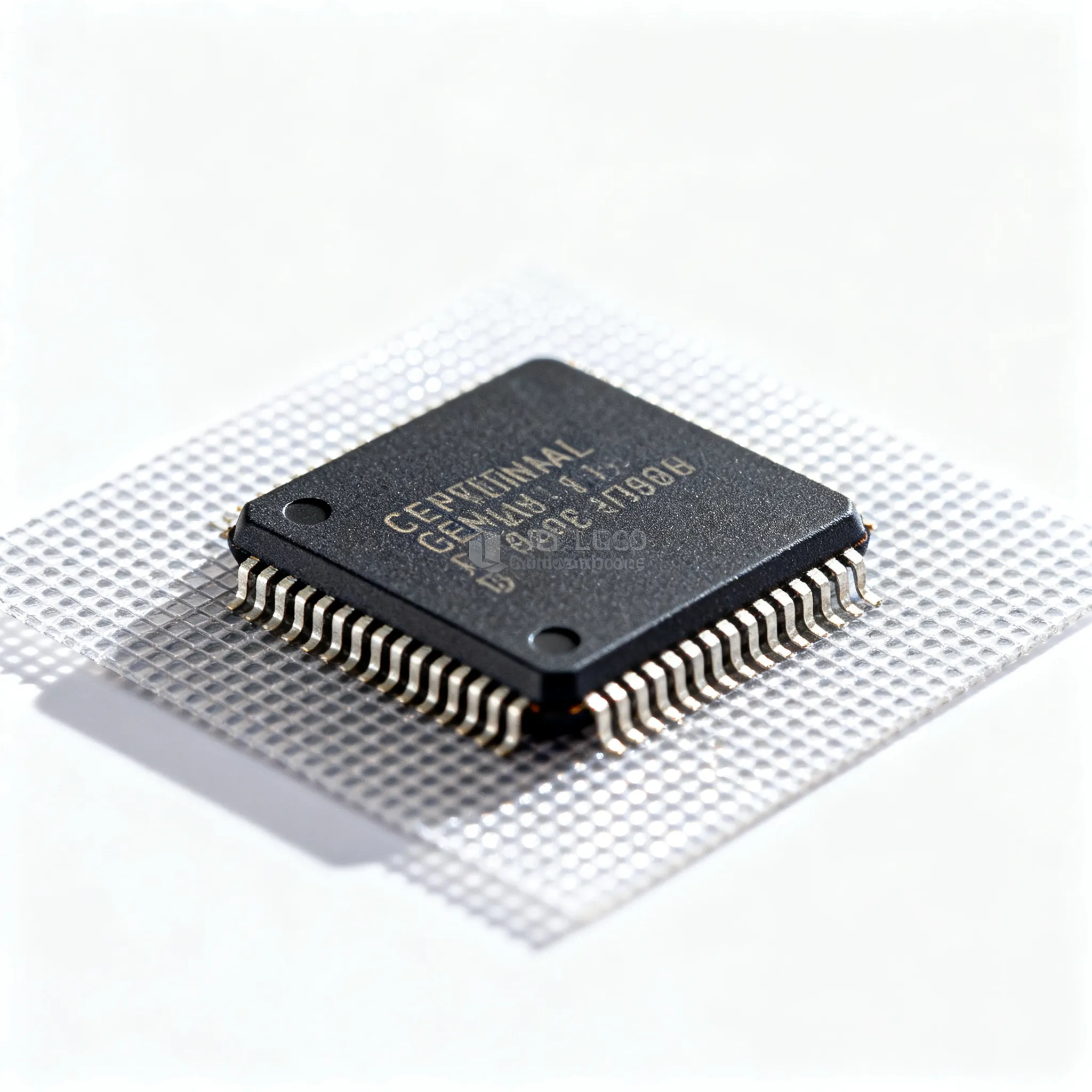
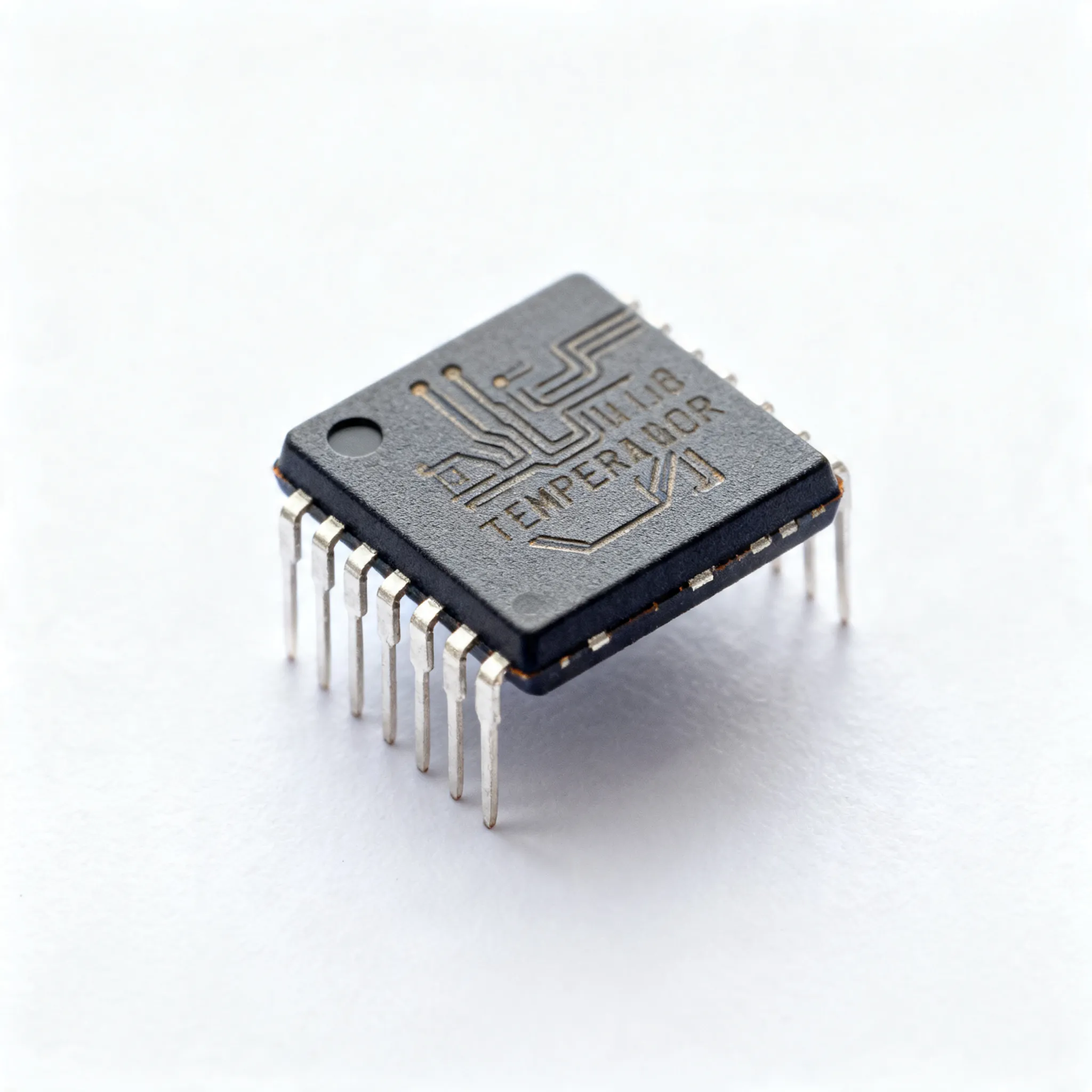
Temperature sensor ICs are integrated circuits designed to measure temperature and convert it into a readable output. They are crucial in applications ranging from consumer electronics to industrial systems. These ICs typically use semiconductor-based sensors, such as diodes or thermistors, to detect temperature changes. The core principle involves the relationship between temperature and the electrical properties of materials, such as resistance or voltage. For instance, a diode-based sensor utilizes the forward voltage drop across a semiconductor junction, which varies with temperature, to determine the ambient temperature.
There are several types of temperature sensor ICs, including analog output sensors, digital output sensors, and remote temperature sensors. Analog sensors provide a continuous voltage output proportional to temperature, while digital sensors offer a digital signal, often using interfaces like I2C or SPI, for more precise readings. Remote sensors, on the other hand, measure temperature from a distance, which is useful in applications where direct contact is impractical. The choice between these types depends on factors like accuracy, response time, and the specific application requirements.
Detailed Specifications
| Parameter | Value | Units | Notes |
|---|---|---|---|
| Supply Voltage | 2.7 - 5.5 | V | Standard operating range |
| Current Consumption | 10 | μA | Typical at 25°C |
| Output Type | Analog | N/A | Voltage output proportional to temperature |
| Output Voltage Range | 0.1 - 2.0 | V | Corresponds to temperature range |
| Accuracy | ±0.5 | °C | Typical at 25°C |
| Response Time | 1 | s | Time to reach 63% of final value |
| Temperature Range | -40 to 125 | °C | Operating range |
| Interface | I2C | N/A | Digital communication protocol |
| Linearity | ±0.1 | % | Deviation from ideal response |
| Package Type | SOIC-8 | N/A | Standard package |
| Parameter | Value | Units | Notes |
|---|---|---|---|
| Thermal Resistance | 100 | °C/W | Junction to ambient |
| Operating Temperature | -40 to 125 | °C | Standard range |
| Storage Temperature | -55 to 150 | °C | Non-operating range |
| Package Thermal Limit | 150 | °C | Maximum temperature |
| Weight | 0.5 | g | Package weight |
| Mounting Style | SMD | N/A | Surface mount device |
| Lead Finish | Matte Tin | N/A | Standard lead finish |
| Pin Count | 8 | Pins | Standard for SOIC-8 |
| Application | Recommended IC | Temperature Range | Notes |
|---|---|---|---|
| Consumer Electronics | TMP102 | -40 to 85 | High accuracy, low power |
| Industrial Automation | LM35 | -55 to 150 | Wide range, robust design |
| Automotive | NTC104 | -40 to 125 | Automotive grade, high reliability |
| Medical Devices | ADT7410 | -40 to 125 | Precision measurement, small footprint |
| Smart Home Devices | DHT22 | -40 to 80 | Integrated humidity sensor |
The tables above provide a comprehensive overview of the electrical, thermal, and application-specific specifications for temperature sensor ICs. Understanding these parameters is crucial for selecting the right component for your project. For instance, the supply voltage and current consumption are vital for ensuring compatibility with existing power systems. Meanwhile, thermal resistance and operating temperature are key for assessing the component's ability to withstand environmental conditions. Finally, the application comparison table highlights the versatility of different ICs across various industries, helping you identify the best fit for your specific needs.
Design Considerations
When designing with temperature sensor ICs, several factors must be considered to maximize efficiency and ensure optimal performance. First, the choice between analog and digital output sensors depends on the required precision and the nature of the application. Analog sensors are often simpler to integrate but may lack the precision of digital sensors, which offer more accurate and noise-resistant readings.
Placement of the sensor is another critical consideration. The sensor should be positioned where it can accurately measure the temperature of interest, avoiding areas with significant thermal gradients or airflow that could skew readings. Additionally, thermal coupling to the target surface should be maximized, often using thermal compounds or adhesive tapes.
Power consumption is a crucial factor, especially in battery-powered applications. Selecting a sensor with low current consumption can significantly extend the device's operational life. It's also essential to consider the sensor's response time, particularly in applications where rapid temperature changes occur, such as in dynamic thermal environments.
The interface protocol, whether I2C, SPI, or another, should be compatible with the existing system architecture. This ensures seamless communication and reduces the complexity of integration. Furthermore, the sensor's accuracy and linearity specifications must align with the application's precision requirements, ensuring reliable temperature readings.
Finally, environmental factors such as humidity, vibration, and potential contaminants should be considered, as these can affect the sensor's performance and longevity. Selecting a sensor with appropriate environmental protection ratings can mitigate these risks, ensuring reliable operation over the device's lifespan.
Step-by-Step Guide
Designing and integrating a temperature sensor IC into your project can be streamlined by following these steps:
- Define the Application Requirements: Determine the temperature range, accuracy, and response time needed for your application. Consider power constraints and interface compatibility.
- Select the Appropriate Sensor: Use the tables above to identify a sensor that meets your requirements. For example, for high-precision applications, consider the ADT7410 with its narrow temperature range and high accuracy.
- Design the Circuit: Develop the schematic incorporating the sensor. Ensure proper power supply, signal conditioning, and interface connections. Reference the sensor's datasheet for recommended circuit designs.
- PCB Layout Considerations: Place the sensor close to the heat source for accurate readings. Minimize trace lengths to reduce noise and ensure thermal coupling. Use thermal vias if necessary.
- Prototype and Test: Build a prototype to validate the design. Test the sensor's performance under various conditions to ensure it meets the application's requirements. Adjust the design as needed based on test results.
- Implement Calibration: If necessary, calibrate the sensor to improve accuracy. This can involve adjusting the output to match a known temperature reference.
- Finalize the Design: Once testing and calibration are complete, finalize the design for production. Ensure all components are specified and sourced from reliable suppliers.
- Documentation and Compliance: Document the design process, including schematics, PCB layouts, and test results. Ensure compliance with relevant industry standards and regulations.
Common Issues & Solutions
Even with careful planning, challenges can arise when working with temperature sensor ICs. Here are some common issues and their solutions:
- Inaccurate Readings: This can result from poor sensor placement or inadequate thermal coupling. Ensure the sensor is properly positioned and thermally coupled to the target surface.
- Noise Interference: Electrical noise can affect sensor readings, particularly in analog sensors. Use proper shielding and filtering techniques to minimize noise.
- Response Time Delays: If the sensor's response time is too slow, it may not accurately track rapid temperature changes. Select a sensor with a faster response time or adjust the design to accommodate slower changes.
- Power Consumption Issues: In battery-powered applications, high power consumption can be a concern. Choose a sensor with low current draw and implement power-saving techniques in the design.
- Communication Errors: Incorrect interface settings can lead to communication errors. Double-check the interface configuration and ensure compatibility with the microcontroller or processor.
- Environmental Degradation: Exposure to harsh conditions can degrade the sensor's performance. Use sensors with appropriate environmental protection ratings or enclose the sensor in a protective housing.
Applications & Use Cases
Temperature sensor ICs are used in a wide range of applications across various industries. In consumer electronics, they monitor and manage the thermal performance of devices like smartphones and laptops. In industrial automation, sensors ensure machinery operates within safe temperature limits, preventing overheating and equipment failure. Automotive applications rely on temperature sensors for engine management and climate control systems. Medical devices use these sensors for patient monitoring, ensuring accurate and reliable readings. Additionally, smart home devices incorporate temperature sensors to optimize energy use and maintain comfortable living conditions.
Selection & Sourcing Guide
Selecting the right temperature sensor IC involves evaluating your application's specific needs and matching them with the appropriate component specifications. It's essential to source components from reliable distributors to ensure quality and availability. For competitive pricing and fast delivery, consider using IC Online, an authorized distributor of electronic components. They offer a wide range of temperature sensor ICs, along with datasheets and technical support to assist in your selection process.
FAQ
- What is the difference between analog and digital temperature sensors? Analog sensors provide a continuous voltage output proportional to temperature, while digital sensors offer a digital signal for precise readings.
- How do I choose the right temperature sensor for my application? Consider factors like temperature range, accuracy, power consumption, and interface compatibility. Use application-specific tables to guide your selection.
- Can temperature sensors be used in harsh environments? Yes, but it's essential to choose sensors with appropriate environmental protection ratings or use protective enclosures.
- What is the typical response time for a temperature sensor IC? Response times vary, but many sensors reach 63% of the final value within 1 second. Faster response times are available for dynamic applications.
- How do I minimize noise interference in temperature sensor readings? Use proper shielding, filtering techniques, and minimize trace lengths to reduce noise.
- Are there temperature sensors with integrated humidity sensing? Yes, some models like the DHT22 combine temperature and humidity sensing in one package.
- What is the impact of power consumption in temperature sensors? High power consumption can reduce battery life in portable applications. Select low-power sensors and implement power-saving techniques.
- How do I implement calibration for temperature sensors? Calibration involves adjusting the sensor output to match a known temperature reference, improving accuracy.
- What interface protocols are commonly used with digital temperature sensors? I2C and SPI are common protocols, offering reliable communication with microcontrollers and processors.
- Can temperature sensors be used for remote sensing applications? Yes, remote temperature sensors measure temperature from a distance, suitable for applications where direct contact is impractical.
Conclusion
Temperature sensor ICs are indispensable components in modern electronics, offering precise and reliable temperature measurement across a wide range of applications. By understanding their specifications, design considerations, and potential issues, you can effectively integrate these sensors into your projects, enhancing performance and reliability. For sourcing, rely on trusted distributors like IC Online to ensure quality and availability. With the right approach, temperature sensor ICs can significantly contribute to the success of your next project.