Voltage Regulator IC: Sourcing Tips for Optimizing Performance in Your Projects
Expert guide on Voltage Regulator IC: Sourcing Tips for Optimizing Performance in Your Projects. Technical specs, applications, sourcing tips for engineers and buyers.
Introduction
In the fast-paced world of electronics engineering, the demand for reliable and efficient voltage regulation is ever-increasing. Voltage regulator integrated circuits (ICs) play a crucial role in ensuring that electronic devices receive a stable and precise power supply. As the semiconductor industry continues to grow, with global revenue projected to reach $595.2 billion in 2026 according to the Semiconductor Industry Association, the need for optimized voltage regulator ICs becomes even more critical. This article delves into the essential aspects of sourcing and selecting voltage regulator ICs to enhance performance in your projects.
Technical Overview
Voltage regulators are vital components in electronic circuits, tasked with maintaining a constant voltage level. They are classified into linear regulators and switching regulators, each with its distinct advantages. Linear regulators, known for their simplicity and low noise, are ideal for low-power applications. On the other hand, switching regulators are preferred for high-efficiency and high-power applications due to their ability to step up or step down voltages efficiently. Understanding the core principles of operation and the specific requirements of your application is crucial in selecting the right voltage regulator IC.
The selection process involves analyzing various parameters such as input and output voltage ranges, load current, dropout voltage, and efficiency. Additionally, thermal performance and package type are important considerations, as they directly impact the regulator's reliability and integration into your design. By carefully evaluating these factors, engineers can optimize their projects for both performance and cost-effectiveness.
Detailed Specifications
Table 1: Electrical Specifications
| Parameter | Value | Units | Notes |
|---|---|---|---|
| Input Voltage Range | 2.5 - 36 | V | Varies by model |
| Output Voltage | 1.2 - 30 | V | Adjustable |
| Output Current | 0.1 - 5 | A | Depends on package |
| Dropout Voltage | 0.4 - 1.5 | V | Low dropout versions available |
| Quiescent Current | 5 - 50 | µA | Low power consumption |
| Efficiency | 85 - 95 | % | Switching regulators |
| Line Regulation | 0.01 - 0.1 | %/V | Stable output |
| Load Regulation | 0.1 - 1 | % | Maintains output under load |
| Ripple Rejection | 60 - 80 | dB | Effective noise reduction |
| Temperature Coefficient | 50 - 100 | ppm/°C | Stability over temperature |
| Short Circuit Protection | Yes | - | Prevents damage |
Table 2: Thermal & Mechanical Specs
| Parameter | Value | Units | Notes |
|---|---|---|---|
| Thermal Resistance (Junction to Ambient) | 30 - 60 | °C/W | Varies by package |
| Thermal Shutdown | 150 - 175 | °C | Prevents overheating |
| Operating Temperature Range | -40 to 125 | °C | Industrial grade |
| Storage Temperature Range | -65 to 150 | °C | Long-term stability |
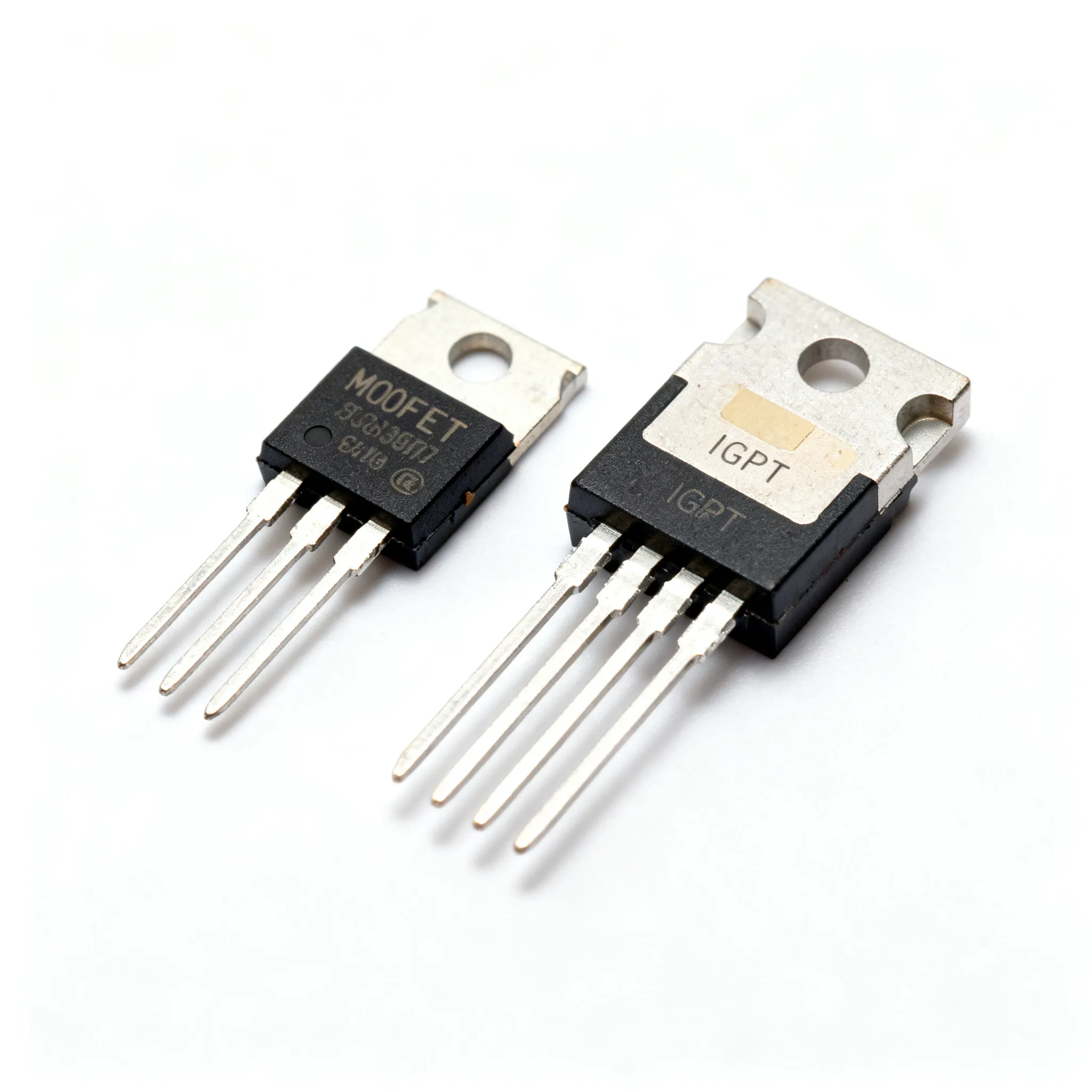
| Package Type | TO-220, SOT-223, QFN | - | Various options available |
| Package Dimensions | 5 x 4 x 1.5 | mm | Compact design |
| Weight | 0.5 - 1 | g | Lightweight |
| Soldering Temperature | 260 | °C | Compatible with reflow soldering |
| Moisture Sensitivity Level | Level 1 | - | Unlimited floor life |
Table 3: Application Comparison
| Application | Recommended IC | Key Features | Notes |
|---|---|---|---|
| Consumer Electronics | LM7805 | Easy to use, low cost | Ideal for 5V applications |
| Automotive | LT1085 | High current, robust | Withstands harsh environments |
| Industrial Automation | TPS7A4700 | High precision, low noise | Suitable for sensitive equipment |
| Renewable Energy | LM2596 | Efficient, wide input range | For solar applications |
| Telecommunications | LM1117 | Low dropout, high efficiency | Reliable for signal processing |
The tables above provide a comprehensive overview of the specifications and applications of voltage regulator ICs. Understanding these parameters is essential for selecting the right component for your project. For instance, the electrical specifications table highlights the importance of input and output voltage ranges, dropout voltage, and efficiency, which are critical for ensuring optimal performance. The thermal and mechanical specs table emphasizes the need for adequate thermal management and suitable packaging to maintain reliability. Finally, the application comparison table helps identify the best ICs for specific use cases, ensuring that the chosen regulator meets the demands of the application environment.
Design Considerations
Designing with voltage regulator ICs requires careful consideration of several factors to ensure optimal performance and reliability. First and foremost, the input voltage range must be compatible with the power supply of your system. This ensures that the regulator can operate within its specified limits without risking damage or inefficiency. Additionally, the output voltage and current requirements of your load must be well-defined to select a regulator capable of delivering the necessary power.
Dropout voltage is another critical parameter, particularly for low-voltage applications. Selecting a low-dropout (LDO) regulator can improve efficiency and reduce power loss in such scenarios. Furthermore, attention must be given to the regulator's quiescent current, which impacts the overall power consumption, especially in battery-powered devices. Choosing a regulator with a low quiescent current can prolong battery life.
Thermal management is paramount, as voltage regulators can generate significant heat during operation. Properly sizing heat sinks and ensuring adequate airflow can prevent thermal shutdown and extend the life of the component. The package type plays a role here, as certain packages offer better thermal performance. It's also important to consider the environmental conditions in which the regulator will operate, ensuring that it can withstand temperature variations and potential moisture exposure.
Finally, the regulator's transient response and ripple rejection capabilities should be evaluated. A regulator with good transient response can handle sudden changes in load, while effective ripple rejection minimizes output noise. These characteristics are crucial for applications involving sensitive analog circuits or communication systems.
Step-by-Step Guide
Follow these steps to select and implement a voltage regulator IC in your project:
- Define System Requirements: Begin by identifying the input voltage range, output voltage, and load current required by your application. This forms the basis for selecting a compatible regulator.
- Choose Regulator Type: Decide between a linear or switching regulator based on efficiency, noise, and power requirements. Linear regulators are suitable for low-noise applications, while switching regulators excel in efficiency.
- Evaluate Thermal Management: Consider the thermal resistance and package type to ensure the regulator can dissipate heat effectively. Implement heat sinks or thermal pads if necessary.
- Check Electrical Specifications: Verify that the chosen regulator meets the required dropout voltage, quiescent current, and transient response. This ensures reliable operation under varying conditions.
- Review Protection Features: Ensure the regulator includes protection mechanisms such as short circuit and thermal shutdown to prevent damage in fault conditions.
- Simulate Circuit Performance: Use simulation software to model the regulator's behavior in your circuit. This helps identify potential issues and allows for optimization before physical implementation.
- Prototype and Test: Build a prototype circuit and conduct thorough testing to verify performance. Measure parameters such as output voltage stability, efficiency, and thermal performance.
- Finalize Design: Based on testing results, make any necessary adjustments to component values or layout. Once satisfied, proceed with the final design and production.
Common Issues & Solutions
Here are some common issues faced with voltage regulators and their solutions:
- Overheating: Ensure proper thermal management with adequate heat sinks or airflow. Consider using a regulator with better thermal performance if overheating persists.
- Output Voltage Instability: Check for proper grounding and decoupling capacitors. Use a regulator with better transient response if instability is caused by load variations.
- Excessive Noise: Implement filtering techniques and use low-noise regulators. Ensure proper layout and grounding to minimize electromagnetic interference.
- Poor Efficiency: Optimize the choice between linear and switching regulators based on load conditions. Consider using synchronous rectification in switching regulators for higher efficiency.
- Short Circuit Failures: Verify that the regulator includes short circuit protection. Implement external protection mechanisms if necessary to prevent damage.
- Thermal Shutdown Activation: Reduce power dissipation by lowering the input-output voltage differential or improving thermal management. Consider a regulator with a higher thermal shutdown threshold.
Applications & Use Cases
Voltage regulators find applications across various industries, each with unique requirements. In consumer electronics, regulators like the LM7805 are commonly used for their simplicity and cost-effectiveness in providing a stable 5V supply. Automotive applications demand robust regulators such as the LT1085, capable of handling harsh environments and high currents. Industrial automation systems benefit from high-precision regulators like the TPS7A4700, which offer low noise and stability for sensitive equipment.
In the renewable energy sector, regulators like the LM2596 efficiently manage power from solar panels, accommodating wide input voltage ranges. Telecommunications systems require reliable regulators such as the LM1117 to ensure consistent performance in signal processing applications. Each of these examples highlights the importance of selecting a regulator tailored to the specific needs of the application.
Selection & Sourcing Guide
Selecting the right voltage regulator IC involves careful analysis of your project's requirements and the available options. Start by consulting datasheets and application notes to understand the specifications and capabilities of potential regulators. Utilize resources like IC Online to compare components, check stock availability, and obtain competitive pricing. This ensures that you source the most suitable regulator for your design, optimizing both performance and cost.
FAQ
- What is a voltage regulator IC? A voltage regulator IC is an electronic component that maintains a constant output voltage regardless of changes in input voltage or load conditions.
- What are the types of voltage regulators? The main types are linear regulators and switching regulators, each with distinct advantages in terms of efficiency, noise, and complexity.
- How do I choose the right voltage regulator IC? Consider factors such as input/output voltage, load current, efficiency, thermal performance, and application-specific requirements.
- What is dropout voltage? Dropout voltage is the minimum difference between input and output voltage required for the regulator to maintain a stable output.
- Why is thermal management important for voltage regulators? Proper thermal management prevents overheating, ensuring the reliability and longevity of the regulator.
- How can I reduce noise in my voltage regulator circuit? Use filtering techniques, low-noise regulators, and ensure proper layout and grounding to minimize noise.
- What protection features should I look for in a voltage regulator? Look for regulators with short circuit protection, thermal shutdown, and overcurrent protection to prevent damage.
- Can I use a linear regulator for high-power applications? Linear regulators are generally not suitable for high-power applications due to inefficiency; consider switching regulators for such cases.
- What is the role of quiescent current in voltage regulators? Quiescent current affects power consumption, particularly in battery-powered devices; lower quiescent current extends battery life.
- Where can I source voltage regulator ICs? Use online distributors like IC Online to source components with competitive pricing and fast delivery.
Conclusion
Voltage regulator ICs are indispensable components in modern electronics, ensuring stable and reliable power supply across various applications. By understanding the technical specifications, design considerations, and sourcing strategies outlined in this article, engineers can optimize