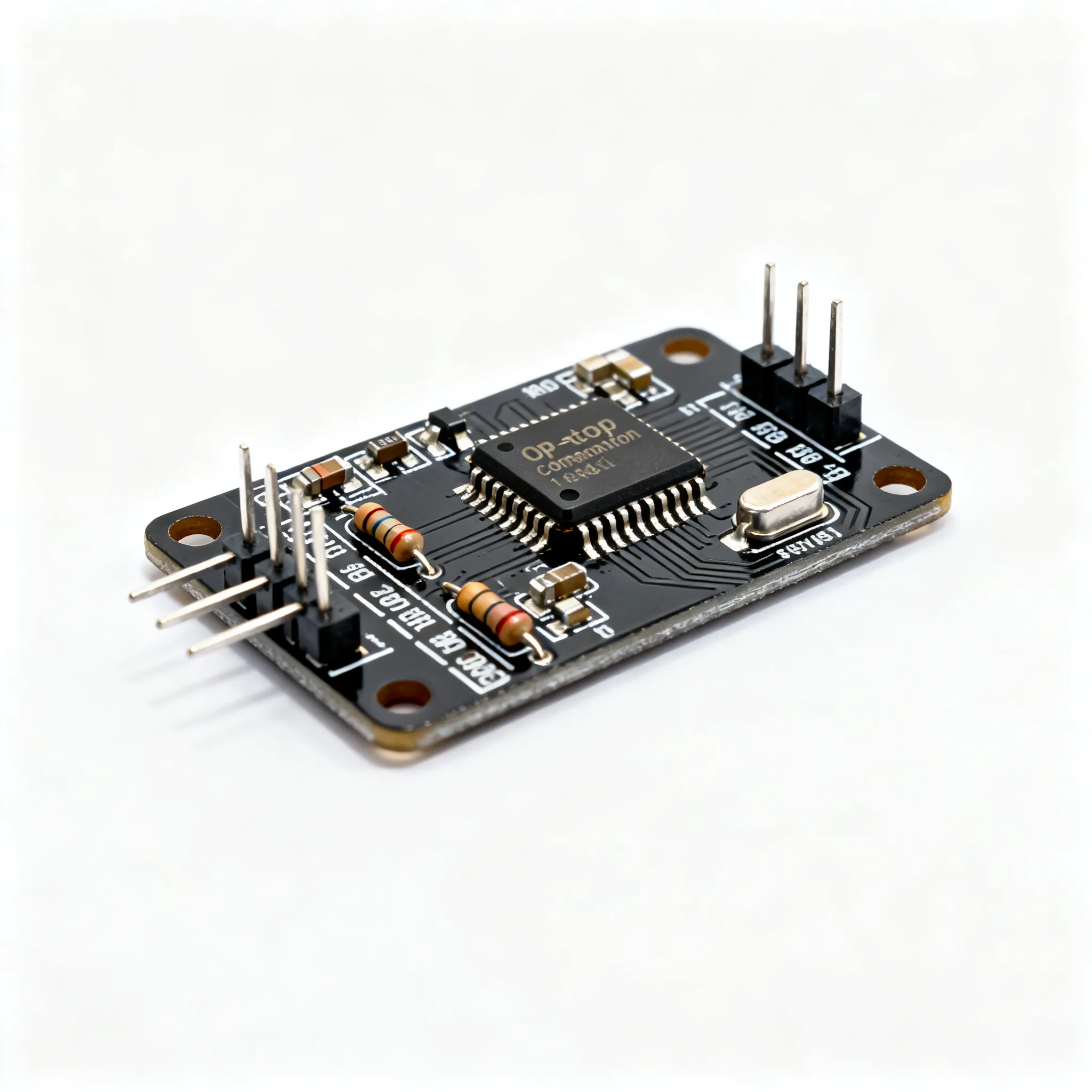
What Does Flux Achieve in Electronic Circuits
Flux cleans metal surfaces, improves solder flow, and prevents oxidation, ensuring strong and reliable electronic circuit connections.

When you ask what does flux do in electronic circuits, you discover its critical role in making reliable solder joints. Flux cleans oxidized layers and impurities from metal surfaces. It shields the surface from air, prevents new oxidation at high temperatures, and activates metals for better soldering. You get improved dampening, which helps molten solder flow evenly and fill gaps around electronic components. These actions ensure strong connections and boost the performance of your circuits.
Key Takeaways
- Flux cleans metal surfaces by removing oxidation and impurities, ensuring strong solder adhesion.
- Using flux improves solder wetting, allowing solder to flow evenly and fill gaps for reliable connections.
- Flux prevents new oxidation during soldering, protecting metal surfaces and maintaining joint integrity.
- Choosing the right type of flux is crucial; consider factors like soldering method and component sensitivity for best results.
- Apply flux sparingly to avoid residue buildup, which can lead to corrosion and circuit failures.
What Does Flux Do in Soldering

You often ask what does flux do during soldering. The answer lies in its ability to clean, protect, and enhance the metal surfaces you work with. The purpose of soldering flux centers on three main actions: removing oxidation, improving solder wetting, and preventing new oxidation. Each function plays a vital role in the soldering process and helps you achieve strong, reliable connections.
Removes Oxidation
When you heat metal surfaces, they quickly form an oxidized layer. This layer blocks solder from bonding well. Solder flux tackles this problem by breaking down oxides and impurities.
- Flux combines with tarnish to form a soluble compound, cleaning the surface.
- It restores the oxidized layer to its metallic state, allowing for better solder adhesion.
- Stronger acids in flux work faster and can deoxidize a wider range of metals.
- The process involves a competition for oxygen between the acid and the metal, where flux wins and dissolves oxides or restores the metal.
- Water-white rosin reacts with copper oxides to form copper abiet, which cleans the surface for soldering.
You see that flux dissolves existing oxidation and contaminants, making the metal ready for soldering. This cleaning action ensures that the solder sticks to the metal, not to the oxide layer.
Improves Solder Wetting
You need solder to flow smoothly and cover the metal surfaces. Flux makes this possible by removing oxides and impurities.
- Flux enhances the bonding of solder to metal surfaces.
- Activators in flux promote better wetting of molten solder on component leads and surface mount lands.
- Solder joints with flux have a porosity of 5.4%, while joints without flux have a porosity of 32.3%. This shows a significant improvement in solder joint quality when you use flux.
You notice that the solder spreads evenly and fills gaps, creating a strong connection. The improved wetting means fewer voids and defects in your solder joints.
Tip: Proper wetting is essential for reliable electronic circuits. You achieve this by using the right flux and ensuring the surfaces are clean.
Prevents New Oxidation
During the soldering process, high temperatures expose metal surfaces to air. This can cause new oxidation, which weakens the joint. Flux acts as a shield.
- Flux activates when heated, removing existing oxides and preventing new oxidation.
- It forms a temporary protective barrier, shielding cleaned metal surfaces from re-oxidation.
- Flux breaks down oxides and impurities on the work surface and forms a protective layer that prevents oxygen from reacting with hot metal.
You prevent oxidation by using flux, which keeps the metal clean until the solder solidifies. This protection ensures that your solder joints remain strong and conductive.
Note: The main functions of flux in soldering are to remove oxides, improve solder wetting, and prevent further oxidation. You rely on these actions to create durable and efficient electronic circuits.
By understanding what does flux do, you gain control over the quality of your soldering work. The purpose of soldering flux is clear: it cleans, improves wetting, and prevents oxidation, giving you reliable results every time.
How Flux Works
Chemical Cleaning Action
You see flux act as a chemical cleaner during soldering. It removes oxidation from metal surfaces, which helps you achieve reliable connections in pcb soldering. When you apply flux, it cleans away the oxide layer and prepares the metal for soldering.
- Flux breaks down oxides and impurities, restoring the surface to its metallic state.
- It promotes the wetting of molten solder, ensuring smooth flow into joints.
- Flux creates a protective barrier that prevents re-oxidation while you heat the metal.
You notice that the cleaning action of flux allows solder to bond properly to the metal. This process is essential for strong and conductive joints in electronic circuits.
Tip: Always use flux to clean surfaces before soldering. Clean surfaces improve the quality of your pcb soldering work.
Reducing Surface Tension
You need solder to spread evenly across metal surfaces. Flux reduces surface tension in molten solder, which helps you achieve this goal.
- Flux enables molten solder to flow freely, similar to how water spreads on a surface.
- Without flux, solder acts like cooled honey, forming beads and failing to cover the metal.
- The presence of flux allows solder to flow more easily and fill gaps during pcb soldering.
You see that reduced surface tension helps solder cover the entire joint area. This action prevents weak spots and ensures a reliable connection.
Note: If you want to know what does flux do, remember that it helps solder flow and spread, which is vital for strong joints.
Ensuring Strong Joints
You rely on flux to create strong solder joints in electronic circuits. It prevents oxidation of base metals during heating and removes existing oxidation.
- Flux ensures better adhesion of solder to the base metal.
- It lowers the surface tension of solder, promoting efficient wetting and contact.
- These actions help you achieve durable and conductive joints in pcb soldering.
You understand that flux plays a key role in making sure solder bonds properly to the metal. Strong joints improve the performance and reliability of your circuits.
Callout: Proper use of flux in soldering leads to fewer defects and longer-lasting electronic assemblies.
Types of Flux

You need to understand the main types of flux used in electronic circuit soldering. Each type has unique properties, chemical makeup, and cleaning requirements. The table below gives you a quick overview:
| Type of Flux | Chemical Composition | Characteristics |
|---|---|---|
| Rosin-based flux | Pine tree sap dissolved in isopropyl alcohol | Slightly acidic, dissolves oxidation and gunk |
| No-clean flux | Rosin flux with minimal activation | Leaves little residue, usually does not require cleaning |
| Water-soluble flux | Synthetic resins | Corrosive, needs rinsing with de-ionized water after assembly |
Rosin Flux
You find rosin flux as one of the oldest and most common types of soldering flux. It comes from pine tree sap and contains natural acids like abietic acid. Rosin flux works well for cleaning and preparing metal surfaces. It helps you achieve better wettability and strong solder joints. However, it leaves a sticky residue that can attract dust and cause corrosion if not cleaned. You must remove this residue, especially in sensitive electronic circuits.
Tip: Use proper ventilation when working with rosin-based material. Heating can release fumes that may irritate your lungs.
No-Clean Flux
You often choose no-clean flux for its convenience. This type leaves minimal, non-corrosive residue, so you do not need to clean the board after soldering. No-clean flux saves you time and money, especially in high-volume production like consumer electronics. It is gentle on delicate components and works well for IPC Class 1 or 2 builds. However, it may not suit high-reliability or harsh environments because of its lower activity level.
- No-clean flux is ideal when you want to avoid extra cleaning steps.
- It is not always the best choice for critical or high-performance assemblies.
Water-Soluble Flux
You use water-soluble flux when you need strong cleaning action. It contains synthetic resins that remove oxides quickly. This type is easy to clean with water, making it perfect for cleanliness-critical applications. However, you must rinse thoroughly with de-ionized water. Any leftover residue can cause corrosion or electrical problems.
- Water-soluble flux is highly effective but requires careful cleaning.
- Incomplete rinsing can lead to defects in your electronic circuits.
You see that choosing the right types of soldering flux depends on your application, cleaning needs, and reliability requirements.
Using Flux Effectively
Nova Technology Company (HK) Limited stands as a HiSilicon-designated solutions partner. You find their expertise in chip-level solutions and system integration valuable for integrated circuit applications. Their work supports advanced circuit boards, where precise flux selection and application play a critical role in achieving reliable soldering results.
Choosing the Right Flux
You need to select the right flux for your soldering process. The choice depends on several factors that affect performance and reliability. The table below helps you compare key criteria:
| Criteria | Description |
|---|---|
| Soldering Methods | Different methods require specific flux types for best results. |
| PCB Surface Finishes | The finish on circuit boards influences which flux works best. |
| Component Sensitivity | Sensitive parts need less aggressive flux to avoid damage. |
| Cleaning Requirements | Some flux types need cleaning after soldering, others do not. |
Tip: Always match the flux to your soldering method and the materials you use. This ensures strong joints and long-term reliability.
Application Tips
You achieve optimal soldering results by applying flux correctly. Different methods suit different production needs:
| Application Method | Advantages | Tips |
|---|---|---|
| Spray Fluxing | Consistent coverage, adjustable volume | Clean spray nozzles often. Use flux with proper viscosity for even distribution. |
| Foam Fluxing | Simple setup, good for medium production | Keep foam height steady. Use flux made for foam fluxing. |
| Brush or Manual | Precise control for small areas | Apply sparingly. Avoid excess flux to prevent residue buildup or solder balls. |
Callout: Use only a thin layer of flux. Too much can cause corrosion or defects in your circuit boards.
Avoiding Common Issues
You prevent problems by following best practices during the soldering process. Common issues include:
- Residue buildup can cause electrical leakage or short circuits.
- Corrosion may occur if flux absorbs moisture.
- Thermal stress weakens component housings.
- Poor wetting leads to weak solder joints.
- Bridging happens when excess flux causes solder to flow between pads.
- Voiding results from trapped flux vaporizing during reflow.
To avoid these issues:
- Use the correct flux and solder for your application.
- Monitor soldering iron temperature to prevent burning off the flux.
- Apply only a thin layer to avoid excess that can lead to corrosion.
- Clean thoroughly after soldering to remove residues.
Note: Proper cleaning of flux residues is essential for reliable electronic devices, especially in high-reliability fields like aerospace and medical electronics.
You see that careful flux selection and application support strong, reliable solder joints. This protects your circuit boards and ensures long-term performance.
You now understand what does flux do in electronic circuits. Flux cleans metal surfaces, improves soldering, and prevents oxidation. Your choice and application of flux directly affect solder joint reliability. For high-reliability fields like medical or aerospace, always clean residues or use minimal-impact flux.
- No-clean flux may work for consumer electronics, but its residue can still cause corrosion.
- Different flux systems change solder joint quality, especially under humidity.
To achieve strong joints, follow these steps:
- Match flux to your board and components.
- Control the amount you use.
- Preheat the PCB for best activation.
- Monitor soldering parameters.
Apply these best practices for reliable, long-lasting circuits.
FAQ
What happens if you do not use flux when soldering?
You may see poor solder flow and weak joints. Oxides and dirt stay on the metal, which blocks the solder from sticking. This can cause unreliable connections and circuit failures.
Can you use too much flux?
Yes, you can. Too much flux leaves sticky residue. This residue can attract dust, cause corrosion, or even create short circuits. Always use a thin, even layer for best results.
Is flux safe to touch or breathe?
You should avoid touching or breathing flux fumes. Some types can irritate your skin or lungs. Always wear gloves and work in a well-ventilated area. Safety first!
Does flux expire or go bad?
Flux can lose its effectiveness over time. Check the expiration date on the package. Old flux may not clean or protect metal surfaces well. Store it in a cool, dry place.
Can you clean flux residue with water?
You can clean water-soluble flux with water. For rosin or no-clean flux, use isopropyl alcohol or a special cleaner. Always check the flux type before cleaning.