2026 Market Outlook: Innovations in Wireless Embedded Solutions and RF Components
Expert guide on 2026 Market Outlook: Innovations in Wireless Embedded Solutions and RF Components. Technical specs, applications, sourcing tips for engineers and buyers.
Introduction
The landscape of wireless embedded solutions and RF components is rapidly evolving, driven by advancements in technology and increasing demand for connectivity. By 2026, the global semiconductor market is projected to reach $595.2 billion, reflecting a 19% increase from the previous year, as reported by the Semiconductor Industry Association. This growth is fueled by innovations in wireless communication technologies, IoT devices, and the proliferation of 5G networks. As engineers and designers, understanding the technical parameters, design guidelines, and best practices for these components is critical to staying ahead in this competitive industry.
Technical Overview
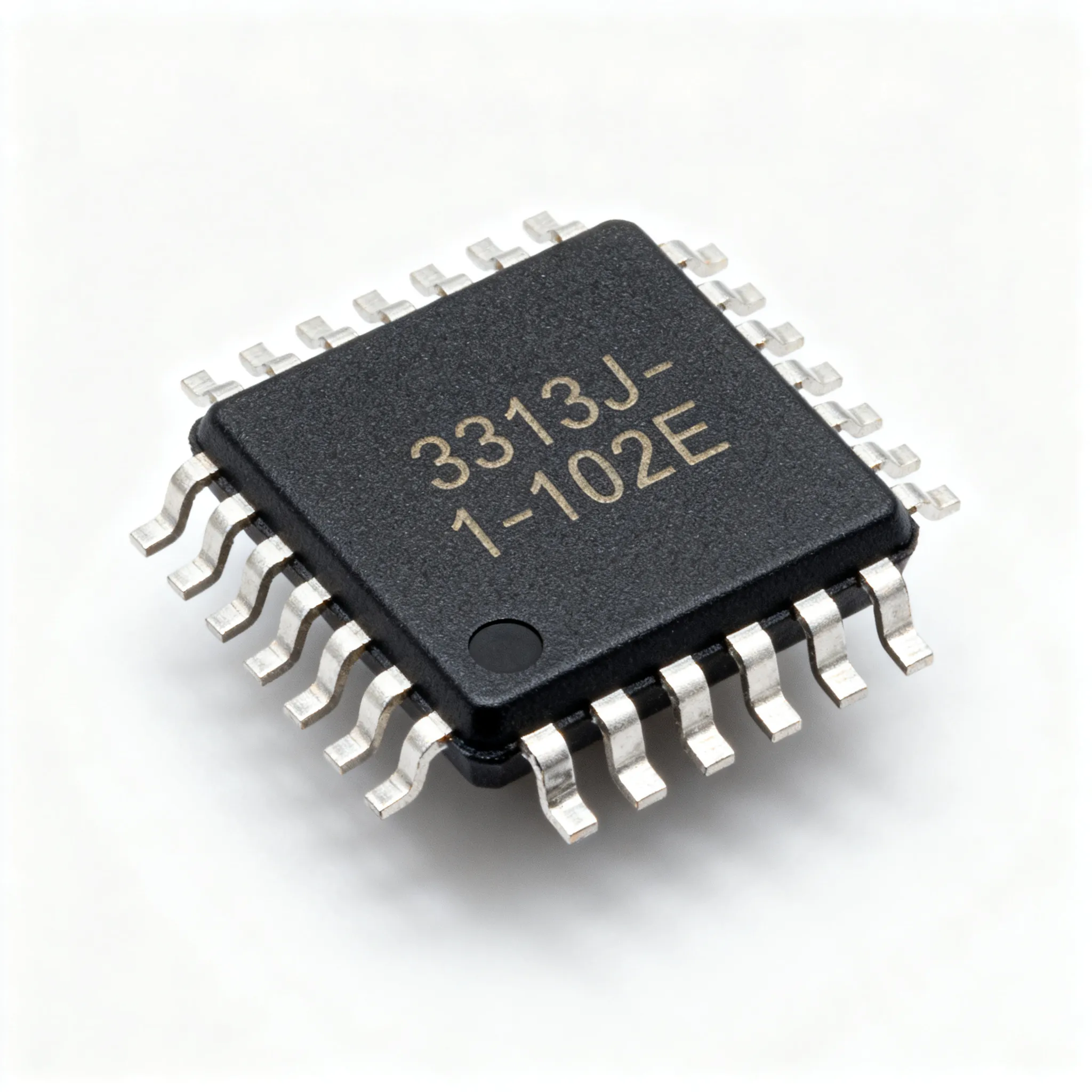
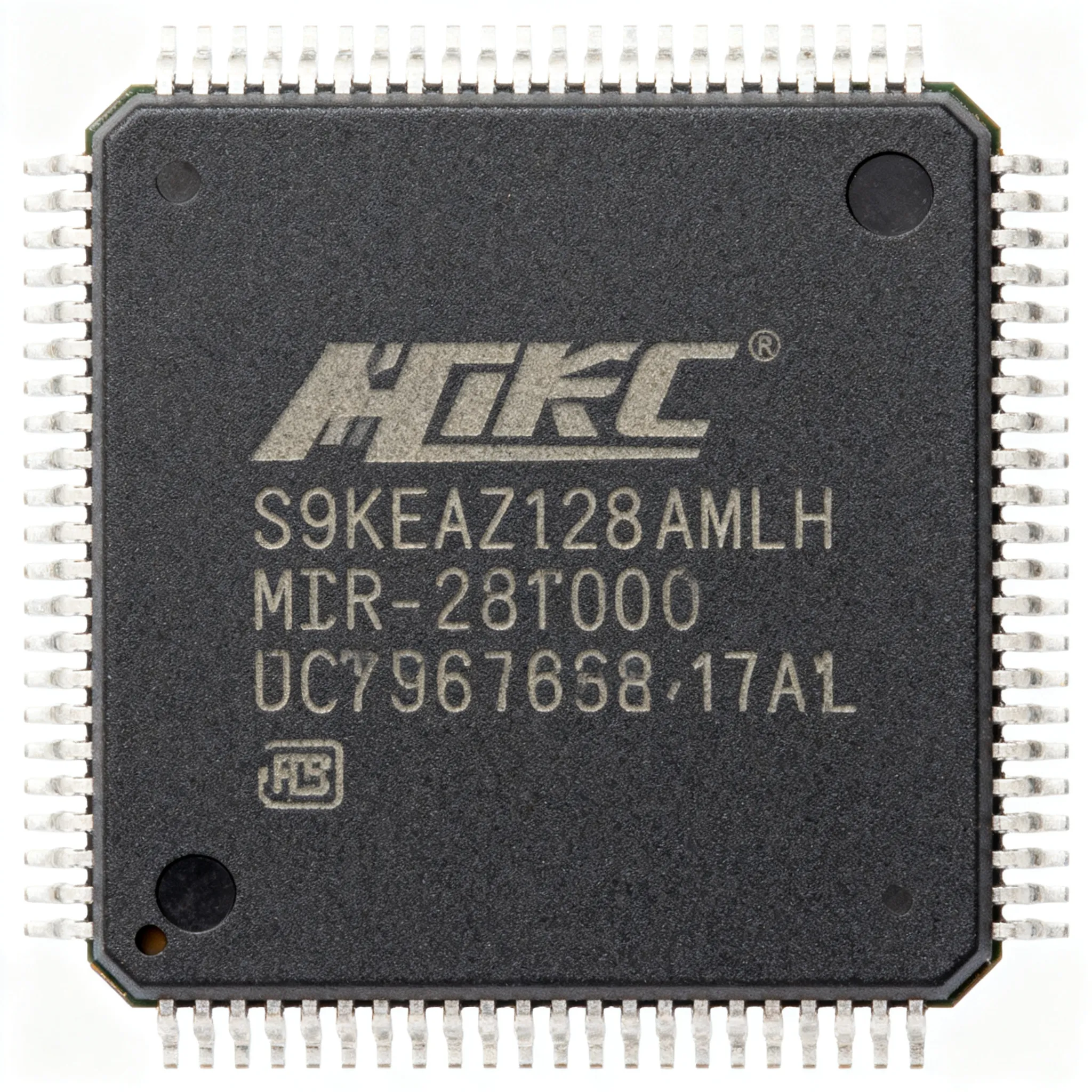
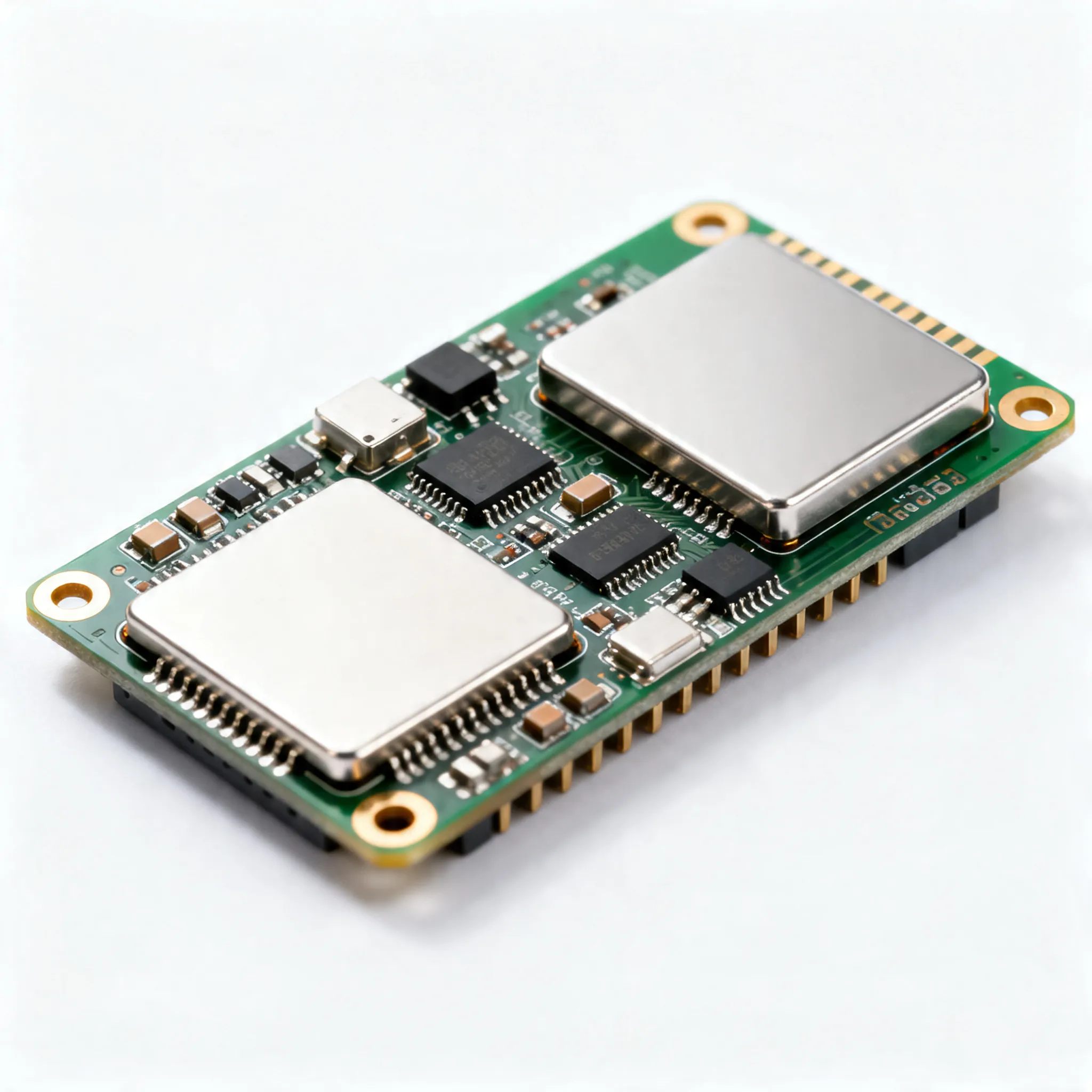
Wireless embedded solutions and RF components are integral to modern electronics, enabling wireless communication across a wide range of devices and applications. Key technologies include Bluetooth, Wi-Fi, Zigbee, and cellular networks, each with specific technical requirements. The core principles involve signal processing, frequency management, and power efficiency. Innovations in semiconductor materials, such as gallium nitride (GaN) and silicon carbide (SiC), are enhancing the performance and efficiency of RF components. As the demand for higher data rates and lower latency increases, engineers must focus on optimizing these parameters to deliver reliable and efficient wireless solutions.
Detailed Specifications
| Parameter | Value | Units | Notes |
|---|---|---|---|
| Frequency Range | 2.4 - 5 GHz | GHz | Common for Wi-Fi and Bluetooth |
| Output Power | 20 dBm | dBm | Typical for Bluetooth transmitters |
| Modulation Type | QPSK, 16-QAM | N/A | Used in various wireless protocols |
| Noise Figure | 1.5 dB | dB | Indicates receiver sensitivity |
| Data Rate | 1 - 10 Gbps | Gbps | Depends on the protocol and application |
| Power Consumption | 100 mW | mW | Low power for IoT devices |
| Operating Temperature | -40 to 85 | °C | Industrial grade components |
| Impedance | 50 Ohms | Ohms | Standard for RF circuits |
| VSWR | 1.2:1 | N/A | Ensures efficient signal transmission |
| Gain | 15 dB | dB | Amplifier gain for RF signals |
The table above highlights key parameters that are crucial for designing and evaluating wireless embedded solutions and RF components. Understanding these specifications helps engineers select appropriate components and design circuits that meet performance requirements. For instance, the frequency range is vital for determining the applicable wireless protocols, while output power affects the communication range. Similarly, parameters like noise figure and VSWR are critical for ensuring signal integrity and efficiency in RF designs.
Design Considerations
Designing wireless embedded solutions involves several key considerations to ensure optimal performance and reliability. First, selecting the right frequency band is essential, as it determines the communication protocol and affects factors like range and interference. Engineers must also consider the modulation type, as it influences data rate and signal robustness. Power management is another critical aspect, especially for battery-operated IoT devices, where minimizing power consumption extends device life.
Thermal management is crucial in RF design, as excessive heat can degrade component performance. Implementing proper heat dissipation techniques, such as heatsinks and thermal vias, helps maintain stable operation. Additionally, impedance matching is vital to maximize power transfer and minimize signal reflections, which can cause losses and distortions. Engineers should also consider the environmental conditions, such as temperature and humidity, to ensure components operate reliably under varying conditions.
Step-by-Step Guide
Designing a wireless embedded solution involves several steps, each critical to achieving a successful implementation. Below is a step-by-step guide to help engineers navigate the design process:
- Define Requirements: Start by defining the application requirements, including data rate, range, and power constraints. This will guide the selection of components and design parameters.
- Select Components: Choose components that meet the specified requirements. Use resources like DigiKey Electronics to find components with the necessary specifications and availability.
- Design the RF Circuit: Design the RF circuit considering factors like impedance matching, signal integrity, and noise reduction. Utilize simulation tools to validate the design before prototyping.
- Implement Thermal Management: Integrate thermal management solutions, such as heatsinks or thermal pads, to prevent overheating and ensure reliable operation.
- Prototype and Test: Build a prototype and conduct thorough testing to verify performance against the design requirements. Testing should include range, data rate, and power consumption measurements.
- Iterate and Optimize: Based on test results, iterate the design to address any issues and optimize performance. Pay attention to factors like antenna placement and shielding to reduce interference.
- Final Validation: Conduct final validation tests to ensure the solution meets all requirements and performs reliably in real-world conditions.
- Documentation and Production: Document the design and testing process, and prepare for production by finalizing component sourcing and assembly plans.
Common Issues & Solutions
During the design and implementation of wireless embedded solutions, engineers may encounter several common issues. Here are some typical problems and their solutions:
- Issue: High power consumption leading to reduced battery life.
Solution: Optimize power management by implementing low-power modes and selecting energy-efficient components. - Issue: Signal interference from nearby electronic devices.
Solution: Use proper shielding and filtering techniques to minimize interference. Consider frequency hopping or spread spectrum techniques for robust communication. - Issue: Poor range and connectivity.
Solution: Ensure proper antenna design and placement. Use high-gain antennas and consider external amplifiers if necessary. - Issue: Overheating of RF components.
Solution: Implement effective thermal management solutions, such as heatsinks and thermal vias, to dissipate heat efficiently. - Issue: Impedance mismatch causing signal reflections.
Solution: Perform impedance matching using proper RF design techniques to ensure maximum power transfer and minimal reflections.
Applications & Use Cases
Wireless embedded solutions and RF components are used in a wide range of applications, from consumer electronics to industrial automation. In the consumer sector, devices like smartphones, smart home gadgets, and wearable technology rely on these solutions for seamless connectivity and data exchange. In industrial settings, RF components enable remote monitoring and control of machinery, enhancing operational efficiency and safety.
The automotive industry is another key area where wireless solutions are making an impact, with applications in vehicle-to-everything (V2X) communication systems that enhance safety and traffic management. Additionally, the healthcare sector benefits from wireless medical devices that provide real-time patient monitoring and diagnostics, improving patient care and outcomes.
Selection & Sourcing Guide
When selecting and sourcing components for wireless embedded solutions, it is essential to consider factors like availability, cost, and compliance with industry standards. Use platforms like IC Online to search for authorized distributors and compare component specifications and prices. Ensure that selected components meet the necessary regulatory requirements for your target markets to avoid compliance issues.
FAQ
Below are some frequently asked questions regarding wireless embedded solutions and RF components:
- What are the key factors to consider when selecting RF components?
Consider frequency range, power output, noise figure, and modulation type to ensure compatibility with your application requirements. - How can I reduce power consumption in wireless devices?
Implement low-power modes, use energy-efficient components, and optimize the circuit design for reduced power usage. - What is impedance matching, and why is it important?
Impedance matching ensures maximum power transfer between components, reducing signal loss and reflections. - How can I address signal interference in my design?
Use shielding, filtering, and frequency hopping techniques to minimize interference from external sources. - What are the benefits of using GaN and SiC materials in RF components?
GaN and SiC offer higher efficiency, faster switching speeds, and better thermal performance compared to traditional silicon-based components. - How do I ensure my design meets regulatory requirements?
Consult relevant standards and guidelines for your target market, and work with certified testing labs to validate compliance. - What role do antennas play in wireless solutions?
Antennas are critical for transmitting and receiving signals, and their design and placement significantly impact range and performance. - Can I use off-the-shelf modules for my wireless design?
Yes, off-the-shelf modules can simplify design and integration, but ensure they meet your specific application requirements. - How do I handle thermal management in RF designs?
Incorporate heatsinks, thermal vias, and proper ventilation to dissipate heat and maintain component performance. - What are some emerging trends in wireless embedded solutions?
Trends include the integration of AI for smart connectivity, advancements in 5G technology, and the use of low-power wide-area networks (LPWAN) for IoT applications.
Conclusion
Wireless embedded solutions and RF components are at the forefront of technological innovation, driving connectivity and enhancing the capabilities of modern devices. As the market continues to grow, staying informed about the latest advancements and best practices is crucial for engineers and designers. By understanding the technical parameters, design guidelines, and best practices outlined in this article, professionals can create reliable and efficient solutions that meet the demands of an increasingly connected world.