RF Module Price Trends: What Engineers Can Expect in 2026
Expert guide on RF Module Price Trends: What Engineers Can Expect in 2026. Technical specs, applications, sourcing tips for engineers and buyers.
Introduction
The RF module market is poised for significant transformations as we approach 2026. With the ever-increasing demand for wireless connectivity, driven by the proliferation of IoT devices, 5G networks, and smart technologies, understanding the price trends and technological advancements in RF modules is crucial for engineers. As the Semiconductor Industry Association reports a projected $595.2 billion in global semiconductor revenue in 2026, the RF sector will play a pivotal role in this growth. Engineers need to stay informed about component specifications, datasheets, and application circuits to make informed decisions when designing and sourcing RF modules.
Technical Overview
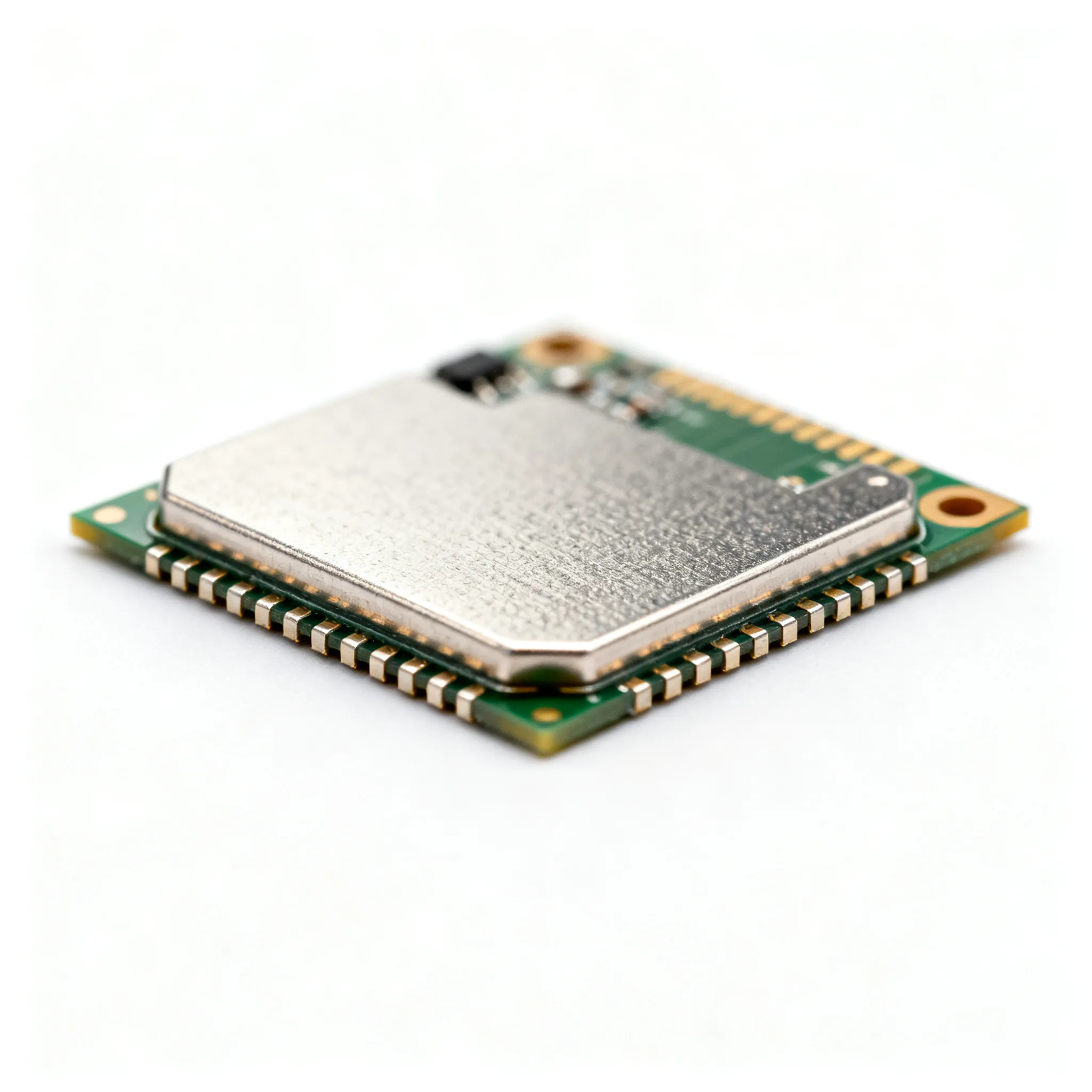
RF modules are critical components in wireless communication systems, enabling devices to transmit and receive radio signals. These modules typically consist of a transmitter and a receiver circuit, an antenna, and various filters and amplifiers. The core principle behind RF modules is the conversion of electrical signals into radio waves and vice versa, allowing for wireless communication over various frequencies. Key parameters such as frequency range, output power, sensitivity, and modulation techniques define the performance of an RF module. Understanding these parameters helps engineers select the right module for specific applications, whether it’s for short-range communication in IoT devices or long-range connectivity in industrial settings.
Detailed Specifications
Table 1: Electrical Specifications
| Parameter | Value | Units | Notes |
|---|---|---|---|
| Frequency Range | 2.4 - 2.5 | GHz | Common for Wi-Fi and Bluetooth |
| Output Power | 20 | dBm | Max power output |
| Sensitivity | -95 | dBm | Lower values indicate better reception |
| Modulation | GFSK | - | Gaussian Frequency Shift Keying |
| Data Rate | 1 | Mbps | Maximum data transmission rate |
| Voltage Supply | 3.3 | V | Typical operating voltage |
| Current Consumption | 30 | mA | During transmission |
| Impedance | 50 | Ohms | Standard RF impedance |
| Noise Figure | 2.5 | dB | Lower values indicate better performance |
| Operating Temperature | -40 to 85 | °C | Industrial grade |
Table 2: Thermal & Mechanical Specs
| Parameter | Value | Units | Notes |
|---|---|---|---|
| Thermal Resistance | 20 | °C/W | Junction to case |
| Package Type | QFN | - | Quad Flat No-leads |
| Dimensions | 6x6 | mm | Compact size |
| Weight | 0.15 | g | Lightweight design |
| Mounting Type | SMD | - | Surface Mount Device |
| Humidity Range | 5 to 95 | % RH | Non-condensing |
| Shock Resistance | 1500 | G | High durability |
| Vibration Resistance | 20 | G | Tested at 10-2000 Hz |
Table 3: Application Comparison
| Application | Recommended Module | Features | Notes |
|---|---|---|---|
| IoT Devices | RF24G01 | Low power, compact | Ideal for battery-operated devices |
| Industrial Automation | RF24G02 | High sensitivity, robust | Suitable for harsh environments |
| Consumer Electronics | RF24G03 | High data rate, cost-effective | Optimal for high-volume products |
| Telecommunications | RF24G04 | Wide frequency range, stable | Ensures reliable connectivity |
| Automotive | RF24G05 | High temperature range, durable | Meets automotive standards |
The tables above provide a detailed overview of the electrical, thermal, and application-specific specifications of RF modules. These specifications are critical for engineers to understand as they directly impact the performance and suitability of RF modules for various applications. The electrical specifications highlight key parameters such as frequency range, output power, and sensitivity, which determine the module's ability to transmit and receive signals effectively. The thermal and mechanical specifications ensure that the modules can operate reliably under different environmental conditions. Lastly, the application comparison table aids in selecting the appropriate module based on specific use-case requirements.
Design Considerations
When designing systems that incorporate RF modules, engineers must consider several factors to ensure optimal performance. Firstly, the selection of the RF module should align with the intended application, taking into account the frequency range, modulation technique, and power requirements. It's essential to match the module's specifications with the application's needs to avoid over-specification, which can lead to unnecessary costs, or under-specification, which can result in suboptimal performance.
Another critical consideration is the antenna design. The antenna plays a crucial role in the RF module's performance, affecting both the range and reliability of communication. Engineers must ensure that the antenna is appropriately sized and positioned to minimize interference and maximize signal strength. In some cases, custom antenna designs may be necessary to meet specific application requirements.
Thermal management is also a vital aspect of RF module design. As RF modules can generate significant heat during operation, especially at higher power levels, adequate heat dissipation mechanisms must be in place. This can involve using heat sinks, thermal pads, or designing the PCB layout to facilitate heat dispersion. Proper thermal management ensures that the module operates within its specified temperature range, preventing performance degradation or failure.
Additionally, engineers should consider the regulatory requirements associated with RF modules. Different regions have specific regulations governing the use of RF devices, including frequency allocations, power limits, and emission standards. Compliance with these regulations is mandatory, and failure to do so can result in legal issues and product recalls. Engineers should work closely with regulatory bodies and testing laboratories to ensure that their designs meet all necessary standards.
Step-by-Step Guide
- Define Application Requirements: Start by clearly defining the requirements of your application. Consider factors such as range, data rate, power consumption, and environmental conditions.
- Select the Appropriate RF Module: Use the tables provided to select an RF module that meets your application's specifications. Pay attention to key parameters like frequency range and output power.
- Design the Antenna: Choose or design an antenna that complements the RF module. Consider factors like size, gain, and placement to ensure optimal performance.
- Implement Thermal Management: Incorporate thermal management solutions such as heat sinks or thermal pads to maintain the module's operating temperature within safe limits.
- Ensure Regulatory Compliance: Verify that your design complies with regional RF regulations. Conduct necessary testing and certification processes to avoid legal issues.
- Prototype and Test: Build a prototype of your design and conduct thorough testing to evaluate performance. Make adjustments as necessary to optimize functionality.
- Iterate and Optimize: Use feedback from testing to iterate on your design. Focus on improving areas such as range, power efficiency, and reliability.
- Prepare for Production: Once satisfied with the design, prepare for production by finalizing the bill of materials, sourcing components, and setting up manufacturing processes.
Common Issues & Solutions
- Poor Signal Quality: This can be caused by interference or suboptimal antenna design. Solution: Re-evaluate the antenna placement and design, and consider using filters to reduce interference.
- Excessive Heat Generation: RF modules may overheat due to high power output. Solution: Implement effective thermal management strategies, such as heat sinks or improved airflow.
- Regulatory Non-compliance: Non-compliance can result from using incorrect frequencies or exceeding power limits. Solution: Conduct thorough compliance testing and work with regulatory bodies to ensure adherence to standards.
- Limited Range: Limited range can occur due to low output power or antenna inefficiencies. Solution: Increase output power if within legal limits, or optimize the antenna design for better performance.
- High Power Consumption: Excessive power consumption can reduce battery life in portable devices. Solution: Opt for low-power RF modules and implement power-saving modes in the design.
Applications & Use Cases
RF modules find applications across a wide range of industries. In the IoT space, they enable seamless communication between connected devices, such as smart home appliances and wearable technology. In industrial automation, RF modules facilitate wireless control and monitoring of machinery, improving efficiency and reducing downtime. In the consumer electronics sector, RF modules provide connectivity solutions for devices like smartphones and tablets, supporting high-speed data transfer and streaming. In telecommunications, RF modules are integral to the infrastructure of mobile networks, ensuring reliable voice and data communication. Lastly, in the automotive industry, RF modules support advanced features such as keyless entry, tire pressure monitoring, and vehicle-to-vehicle communication.
Selection & Sourcing Guide
Selecting the right RF module involves carefully evaluating the specifications and requirements of your application. Engineers should utilize resources like IC Online to source components with competitive pricing and fast delivery. It's crucial to compare datasheets, application circuits, and user reviews to make informed decisions. Collaborating with suppliers and distributors can also provide valuable insights into the latest trends and technologies in the RF module market.
FAQ
- What is the typical range of an RF module? The range varies based on factors like power output and frequency, but it generally ranges from a few meters to several kilometers.
- How do I ensure my RF module is compliant with regulations? Work with testing laboratories and regulatory bodies to conduct compliance testing and obtain necessary certifications.
- Can RF modules operate in extreme temperatures? Yes, industrial-grade RF modules are designed to operate in wide temperature ranges, typically from -40 to 85°C.
- What factors affect the data rate of an RF module? The data rate is influenced by modulation techniques, bandwidth, and signal quality.
- How do I reduce interference in RF communication? Use filters, proper antenna placement, and shielding techniques to minimize interference.
- What is the significance of the noise figure in RF modules? A lower noise figure indicates better performance, as it represents the amount of noise added by the module to the received signal.
- Are there RF modules specifically designed for automotive applications? Yes, automotive-grade RF modules are built to meet specific standards and operate reliably in vehicle environments.
- How do I choose between different RF modules for my application? Compare specifications such as frequency range, output power, and sensitivity to select a module that best fits your needs.
- What role does the antenna play in RF module performance? The antenna is crucial for transmitting and receiving signals effectively, impacting both range and reliability.
- Can RF modules be used for both data and voice communication? Yes, RF modules can support both types of communication, depending on their specifications and the application.
Conclusion
As we approach 2026, the RF module market is set to experience significant growth and advancements. Engineers must stay informed about the latest trends, specifications, and sourcing options to design and implement effective wireless communication systems. By understanding the detailed specifications and design considerations discussed in this article, engineers can make informed decisions that optimize performance and ensure compliance with regulatory standards. Staying ahead in the rapidly evolving RF landscape will be key to success in the coming years.