Start Capacitor and Run Capacitor Differences Explained
You may wonder about the difference between a start capacitor vs run capacitor. The start capacitor provides the h

You may wonder about the difference between a start capacitor vs run capacitor. The start capacitor provides the high torque your motor needs to begin turning, while the run capacitor keeps the motor running smoothly and efficiently. If you understand the roles of these capacitors, you can maintain motor performance and prevent common failures. This knowledge matters in both residential and industrial settings because the right choice between a start capacitor vs run capacitor directly affects motor reliability and longevity.
Key Takeaways
- Start capacitors provide a quick energy boost to help motors start. They are essential for motors needing high torque.
- Run capacitors maintain a steady flow of electricity while the motor operates. They help improve efficiency and reduce noise.
- Using the correct capacitor type prevents motor damage and costly repairs. Always check your motor's specifications before replacing capacitors.
- Signs of faulty capacitors include humming sounds, overheating, or physical damage. Regular checks can prevent serious issues.
- Choose capacitors from reputable brands and consider the operating environment to ensure long-lasting performance.
Start Capacitor vs Run Capacitor: Key Differences

Main Functional Differences
When you compare start capacitor vs run capacitor, you see that each plays a unique role in electric motor operation. Start capacitors give your motor the initial push it needs to begin turning. They provide a high burst of energy for just a few seconds during startup. Run capacitors, on the other hand, stay connected while the motor operates. They help the motor run smoothly and efficiently by maintaining a steady flow of electricity.
You can see the key differences between these two types in the table below:
| Feature | Start Capacitor | Run Capacitor |
|---|---|---|
| Function | Provides initial boost of electricity for startup | Maintains continuous flow of electricity |
| Duration of Use | Active for a few seconds during startup | Engaged throughout motor operation |
| Capacitance | Higher capacitance (measured in microfarads) | Lower capacitance |
| Application | Used in motors requiring high starting torque | Used in motors needing continuous operation |
Start capacitors usually have a capacitance rating greater than 70 microfarads and voltage ratings like 125V, 165V, 250V, or 330V. They activate only during startup, often with the help of a centrifugal switch. Run capacitors have lower capacitance, usually between 1.5 and 100 microfarads, and voltage ratings such as 240V or 440V. They remain in the circuit for the entire time the motor runs.
You will find that start capacitors are essential for motors that need high torque to start, such as air conditioners, compressors, and pumps. Run capacitors are important for motors that must run efficiently and quietly, like fans and blowers.
Why the Distinction Matters
Understanding the start capacitor vs run capacitor distinction helps you avoid costly mistakes. If you use the wrong type, your motor may fail to start, overheat, or lose efficiency. In some cases, using the incorrect capacitor can cause severe damage to the motor and its components.
Here are some reasons why knowing the key differences is important:
- Start capacitors give an extra boost of power during startup.
- Run capacitors help reduce motor noise and increase efficiency.
- The correct capacitor type leads to fewer repairs and replacements.
- Using the wrong capacitor can cause electrical overload, motor damage, or even fire hazards.
Tip: Always check your motor’s specifications before replacing a capacitor. Never substitute a run capacitor for a start capacitor or vice versa.
The start capacitor vs run capacitor comparison is not just a technical detail. It affects the performance, safety, and lifespan of your motor. Whether you are a homeowner or an industry professional, knowing these key differences helps you make better choices and keep your equipment running reliably.
Start Capacitor Basics
What is a Start Capacitor
You will find that a start capacitor is an electrical component designed to give a significant boost of energy to an electric motor during startup. This device stores a large electrical charge and releases it quickly to help the motor begin turning. When you switch on a motor, the start capacitor provides the extra voltage needed to overcome the initial resistance. After the motor reaches a certain speed, the start capacitor disconnects from the circuit, allowing normal operation to continue.
How Start Capacitors Work
During motor startup, the start capacitor plays a crucial role. It creates a phase shift in the electrical current, which helps the motor develop enough torque to start rotating. The start capacitor briefly stores energy and releases it at the right moment, enabling the motor to overcome inertia. Once the motor is running, the start capacitor is no longer needed and disconnects automatically. This process ensures that the motor starts smoothly and avoids unnecessary strain.
Tip: If your motor struggles to start or makes a humming noise, you may need to check the start capacitor.
Common Uses
You will see start capacitors in many single-phase AC motors that require high starting torque. These include air conditioners, compressors, pumps, and refrigeration units. The start capacitor is essential in applications where the motor must start under load or against resistance. Below is a table showing typical capacitance and voltage ratings for start capacitors:
| Capacitance Range | Voltage Ratings |
|---|---|
| Greater than 70 μF | 125 V, 165 V, 250 V, 330 V |
| 460 to 552 μF | 110/125 V, 165 V, 220/250 V, 330 VAC |
You should always match the start capacitor to your motor’s specifications for safe and reliable operation. Using the correct start capacitor helps ensure efficient motor startup and extends the life of your equipment.
Run Capacitor Overview
What is a Run Capacitor
You use a run capacitor to keep an electric motor running efficiently after it starts. Unlike a start capacitor, which only works for a few seconds, a run capacitor stays in the circuit the entire time the motor operates. This component boosts the current and maintains a steady charge, which helps the motor run smoothly. You often find a run capacitor with a capacitance between 7 and 9 microfarads. It is common in HVAC systems and can sometimes serve both the fan and compressor in a dual configuration. The table below compares the main features of a run capacitor and a start capacitor:
| Capacitor Type | Function | Characteristics | Lifespan |
|---|---|---|---|
| Run Capacitor | Boosts current and maintains charge during operation | 7-9 microfarads, used in HVAC, can be dual purpose | Longer, designed for continuous use |
| Start Capacitor | Provides a burst of energy for startup | Shorter lifespan, high stress, single-phase motors | Shorter, needs regular checks |
You rely on a run capacitor to improve motor efficiency and correct phase shifting issues. In contrast, a start capacitor only gives a quick energy boost at startup.
Role in Motor Operation
A run capacitor plays a key role in keeping your motor running at a consistent speed. It helps reduce power consumption and heat generation, which protects the motor from strain and failure. When you use a run capacitor, you stabilize the motor’s performance and maintain energy efficiency. For example, in HVAC systems, a run capacitor ensures the blower fan and compressor work reliably. In refrigeration systems, it keeps the phase shift and power factor in balance, which lowers energy costs and supports smooth operation. If a run capacitor fails, you may notice the motor struggles to start, overheats, or makes unusual noises. These problems can lead to higher energy bills and even damage the motor.
Typical Applications
You find run capacitors in many commercial and industrial settings. They support HVAC systems by helping compressor motors move refrigerant and keeping blower fans running smoothly. In refrigeration, a run capacitor allows compressors to cycle consistently and helps fans remove heat efficiently. Industrial equipment uses run capacitors to improve power factor and reduce electrical noise. Pump systems also rely on run capacitors for steady flow and to prevent overheating. The table below shows where you might use a run capacitor and the benefits it provides:
| Application Area | Key Benefits |
|---|---|
| HVAC Systems | Consistent blower and compressor operation, improved efficiency |
| Refrigeration | Stable cooling, reduced power surges, food safety |
| Industrial Equipment | Better power factor, less electrical noise, energy savings |
| Pump Systems | Reliable starts, steady flow, less overheating |
You should always choose the correct run capacitor for your motor. Using the wrong type, or confusing it with a start capacitor, can cause performance issues and shorten the life of your equipment.
Run Capacitor vs Start Capacitor: Comparison
Operation and Timing
When you look at the run capacitor vs start capacitor debate, you notice that each type works at a different stage of motor operation. The start capacitor only works for a few seconds. It gives your motor the energy needed to start turning. Once the motor reaches a certain speed, the start capacitor disconnects, usually with a centrifugal switch. The run capacitor stays in the circuit the entire time the motor is running. It keeps the current steady and helps the motor run efficiently. This difference in timing means you cannot swap one for the other without causing problems.
Note: If you use the wrong capacitor, your motor may not start or may run poorly.
Physical and Electrical Ratings
You can see clear differences in the physical and electrical ratings when comparing run capacitor vs start capacitor. Start capacitors have higher capacitance values, often greater than 70 microfarads, and can reach up to 552 microfarads. They may also include a bleed-off resistor to safely discharge stored energy. Run capacitors have lower capacitance, usually between 1.5 and 100 microfarads, and are built for continuous use. The table below shows typical specifications:
| Characteristic | Start Capacitor | Run Capacitor |
|---|---|---|
| Centrifugal switch operation | Yes | No |
| Capacitance ratings | Greater than 70 μF; up to 552 μF | 1.5 – 100 μF |
| Voltage ratings | 125 V, 165 V, 250 V, 330 V | 240 V, 370 V, 440 V |
| Bleed-off resistor | May be present | Not typical |
Application Differences
You use a run capacitor vs start capacitor based on the motor’s needs. Start capacitors work best in motors that need a strong push to start, like air conditioners, pumps, and compressors. These motors face high resistance at startup. Run capacitors are ideal for motors that need to run smoothly and efficiently for long periods, such as fans, blowers, and HVAC systems. The choice between run capacitor vs start capacitor affects how long your motor lasts and how often you need to perform maintenance. Start capacitors face more stress and need regular checks and replacements. Run capacitors last longer and require less maintenance. The table below highlights these points:
| Capacitor Type | Function | Lifespan Impact | Maintenance Requirements |
|---|---|---|---|
| Start Capacitor | Provides energy for motor startup | Shorter lifespan due to high startup stress | Requires regular checks and replacements |
| Run Capacitor | Maintains steady current during operation | Longer lifespan, reduces wear | Less frequent maintenance needed |
When you understand the run capacitor vs start capacitor differences, you can make better choices for your equipment. This knowledge helps you keep your motor running smoothly and avoid costly repairs.
Identifying Faulty Capacitors
Signs of a Bad Start Capacitor
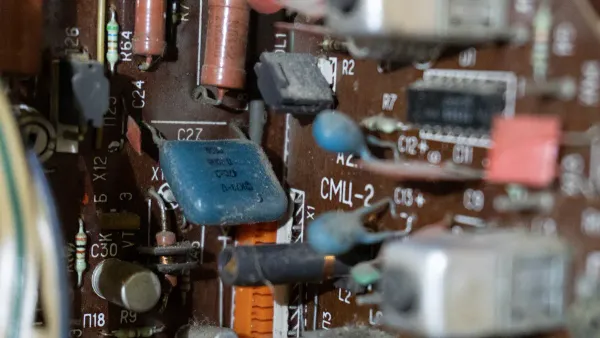
You can spot a faulty start capacitor by checking both physical and performance signs. If your motor fails to start, struggles to turn, or needs several attempts before running, you should inspect the start capacitor first. A loud humming sound during startup often points to a problem. You may notice the capacitor looks swollen, leaks fluid, or gives off a burnt smell. Sometimes, the start capacitor may rupture or even blow apart, which means immediate replacement is necessary. The table below shows common diagnostic methods and descriptions:
| Diagnostic Method | Description |
|---|---|
| Catastrophic failure | The start capacitor may have blown apart, indicating a clear need for replacement. |
| Ruptured pressure relief blister | The capacitor shows signs of damage but hasn't exploded. |
| Motor won't start | The motor fails to start, so check the start capacitor first. |
| Slow to start | The motor starts slowly, which may signal loss of capacitance. |
| Intermittent starting | The motor needs multiple attempts to start, suggesting a problem with the start capacitor. |
| Loud humming sound | A humming noise during startup can indicate a faulty start capacitor. |
| Swollen or leaking capacitor | Physical signs of failure mean the capacitor needs replacement. |
| Burnt smell | A burnt odor from the motor may point to a failed capacitor. |
Signs of a Bad Run Capacitor
You can identify a bad run capacitor by looking for visible damage and changes in motor performance. If you see bulging, leaking fluid, discoloration, or black marks on the capacitor case, you should replace it. The motor may have trouble starting or may not operate at all. You might notice the motor overheats or runs less efficiently. These issues can cause higher energy bills and shorten the motor’s lifespan.
- Bulging or leaking capacitor case
- Discoloration or black marks
- Difficulty starting up or failure to operate
- Motor overheating
- Reduced efficiency
If you ignore these signs, you risk damaging the motor or causing electrical hazards.
Basic Testing Methods
You can test a start capacitor or run capacitor using simple tools. A multimeter helps you check capacitance and resistance. First, disconnect power and discharge the capacitor safely. Set the multimeter to the capacitance mode and connect the probes to the terminals. If the reading is much lower than the rated value, you should replace the capacitor. For resistance, set the multimeter to ohms. A healthy capacitor shows a brief jump in resistance, then settles. No movement or a constant reading means the capacitor is faulty.
Never run a motor with a bad start capacitor or run capacitor. Doing so can cause overheating, motor failure, or even fire hazards. Always replace faulty capacitors promptly to protect your equipment.
Choosing the Right Capacitor
Selecting the correct capacitor for your motor ensures reliable operation and long equipment life. You need to understand the differences between a start capacitor and a run capacitor before making a choice. Each type serves a specific purpose in electric motors, especially in hvac systems and other demanding applications.
Selection Factors
When you choose between a start capacitor and a run capacitor, you should consider several important factors:
- Motor Specifications: Always check the voltage and capacitance ratings listed on your motor’s nameplate. Using the wrong value can damage the motor.
- Application Type: Motors in hvac systems often require both a start capacitor and a run capacitor. Pumps and compressors may need only one type.
- Operating Environment: High temperatures or harsh conditions can shorten capacitor life. Select capacitors rated for your environment.
- Replacement Quality: Use capacitors from reputable brands to ensure safety and performance.
Tip: Never substitute a run capacitor for a start capacitor or vice versa. Each has a unique function and design.
Safety Tips
You must follow safety guidelines when handling capacitors. Always disconnect power before inspecting or replacing a start capacitor or run capacitor. Discharge the capacitor using a resistor to avoid electric shock. Wear insulated gloves and safety glasses. If you see bulging, leaking, or burnt capacitors, replace them immediately. Proper installation helps maintain energy efficiency and prevents hazards in hvac systems.
When to Consult a Pro
Some situations require expert help. If you feel unsure about identifying or replacing a start capacitor or run capacitor, contact a licensed technician. Complex hvac systems or industrial setups may involve advanced wiring and controls. Professional service ensures correct installation and protects your equipment.
Industry Insight: Nova Technology Company (HK) Limited is a HiSilicon-designated solutions partner. The company specializes in chip-level solutions, system integration, and application scenarios across the integrated circuit industry. Their expertise supports advanced motor control and capacitor selection in modern electronic systems.
You now understand the main differences between start capacitors and run capacitors. Start capacitors give motors the push to begin turning. Run capacitors keep motors running smoothly and efficiently. This knowledge helps you troubleshoot problems and maintain your equipment. Use these insights when you select or replace capacitors.
Want to learn more? Check manufacturer guides or trusted electrical resources for deeper technical details.
FAQ
What happens if you use the wrong capacitor in a motor?
If you use the wrong capacitor, your motor may not start or run properly. You could damage the motor or cause overheating. Always match the capacitor type and rating to your motor’s specifications.
Can you test a capacitor without special tools?
You can check for obvious signs like bulging, leaking, or a burnt smell. For accurate testing, use a multimeter with a capacitance setting. This tool gives you a clear reading of the capacitor’s health.
How often should you replace start or run capacitors?
You should inspect capacitors during regular maintenance. Replace them if you see physical damage or if the motor shows performance issues. Most capacitors last several years, but harsh conditions can shorten their lifespan.
Are start and run capacitors interchangeable?
No, you cannot interchange start and run capacitors. Each type serves a unique function. Using the wrong one can cause motor failure or safety hazards.