Step-by-Step Guide to Microcontrollers and Their Applications: Unit 1 Focus
Expert guide on Step-by-Step Guide to Microcontrollers and Their Applications: Unit 1 Focus. Technical specs, applications, sourcing tips for engineers and buyers.
Introduction
The world of electronics is ever-evolving, with microcontrollers playing a pivotal role in the advancement of technology. These small yet powerful devices are the brains behind countless applications, from simple household gadgets to complex industrial systems. Understanding microcontrollers and their applications is crucial for engineers, hobbyists, and anyone interested in the field of electronics. In this article, we delve into the specifications, datasheets, and application circuits of microcontrollers, providing a comprehensive guide to enhance your knowledge and application skills.
Technical Overview
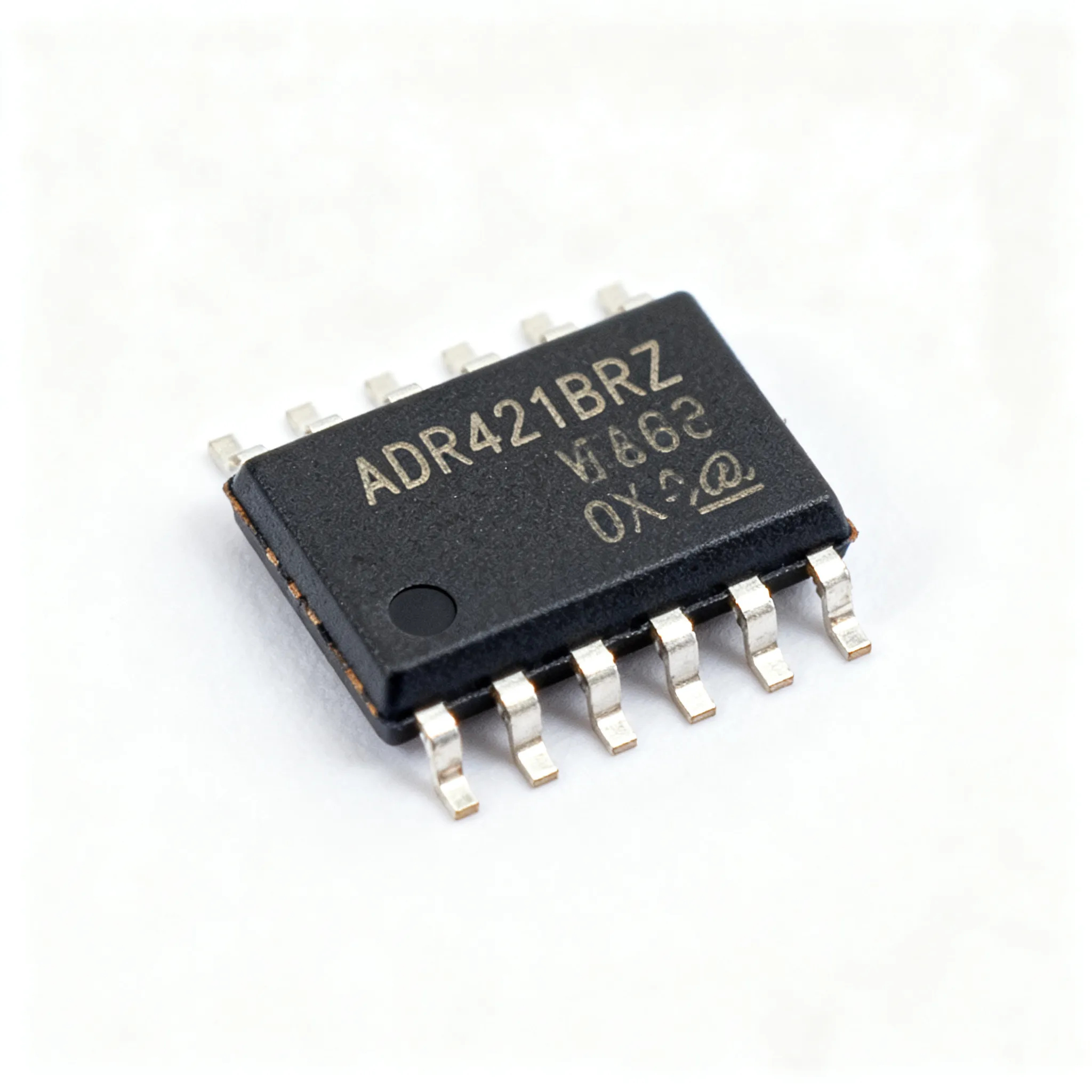
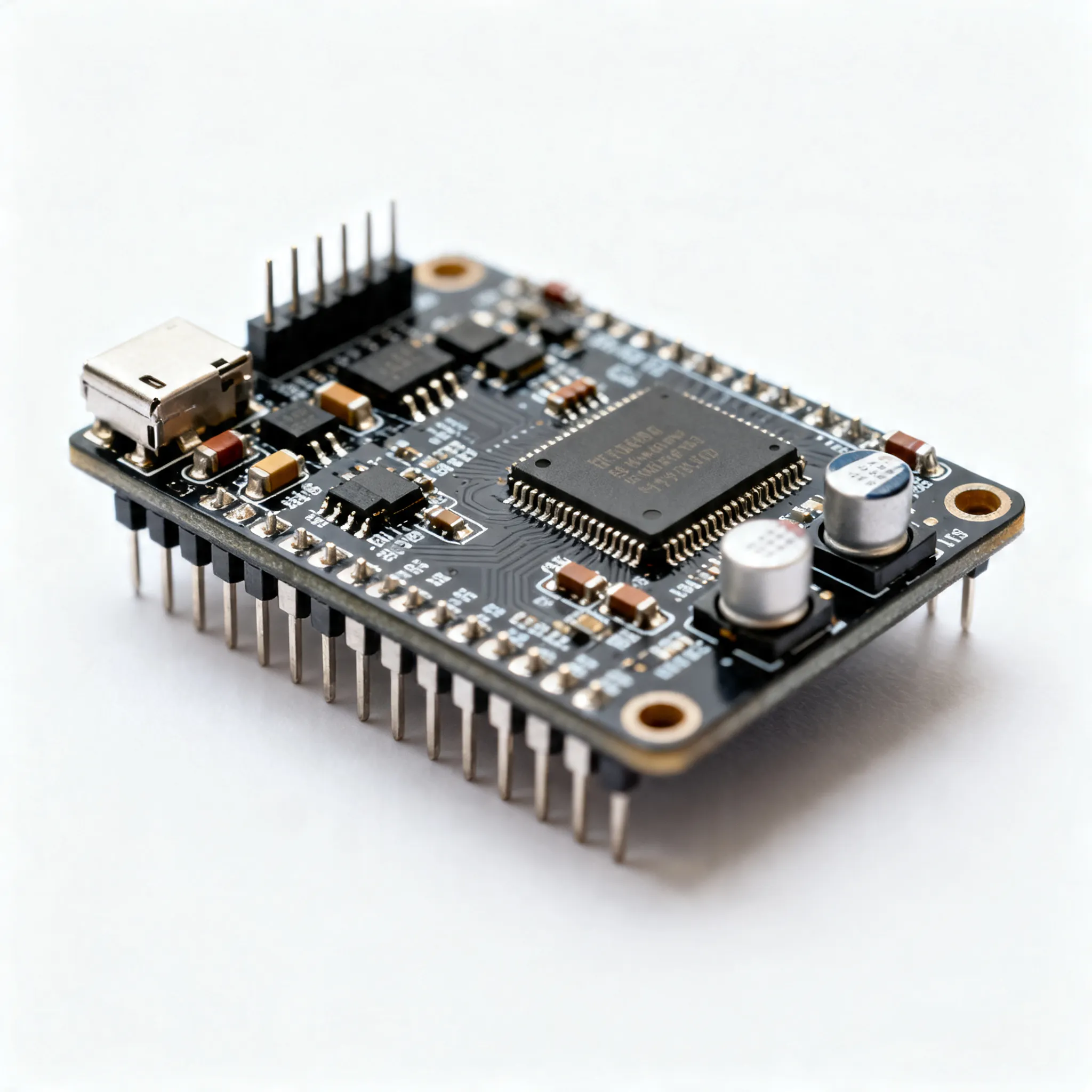
Microcontrollers are integrated circuits designed to perform specific control functions within an embedded system. They typically incorporate a processor, memory, and input/output peripherals on a single chip. The core principles of microcontrollers revolve around their ability to process data and execute commands based on pre-programmed instructions. This makes them ideal for automation, control, and monitoring tasks.
Microcontrollers come in various architectures, with ARM, AVR, and PIC being some of the popular choices. Each architecture has its own set of features and capabilities, catering to different application needs. For instance, ARM microcontrollers are known for their high performance and low power consumption, making them suitable for portable and battery-powered devices. On the other hand, PIC microcontrollers offer simplicity and ease of use, making them a favorite among beginners and educational projects.
Understanding the core concepts and principles of microcontrollers is essential for selecting the right component for your application. This involves analyzing the electrical, thermal, and mechanical specifications, as well as comparing the features and benefits of different models. In the following sections, we will explore these aspects in detail, providing you with the necessary information to make informed decisions.
Detailed Specifications
| Parameter | Value | Unit | Notes |
|---|---|---|---|
| Operating Voltage | 1.8 - 5.5 | V | Typical range for microcontrollers |
| Clock Speed | 16 - 72 | MHz | Depends on the model MCU1234 |
| Flash Memory | 32 - 512 | KB | Program storage capacity |
| SRAM | 2 - 64 | KB | Data storage capacity |
| EEPROM | 512 - 4096 | Bytes | Non-volatile memory |
| I/O Pins | 10 - 48 | - | Depends on the package |
| ADC Channels | 8 - 16 | - | Resolution varies |
| PWM Channels | 2 - 8 | - | PWM output capability |
| UART Interfaces | 1 - 6 | - | Serial communication |
| I2C Interfaces | 1 - 3 | - | Inter-IC communication |
| SPI Interfaces | 1 - 3 | - | Serial Peripheral Interface |
| Specification | Value | Unit | Notes |
|---|---|---|---|
| Operating Temperature | -40 to 85 | °C | Industrial range |
| Storage Temperature | -65 to 150 | °C | Non-operational range |
| Thermal Resistance | 30 | °C/W | Junction to ambient |
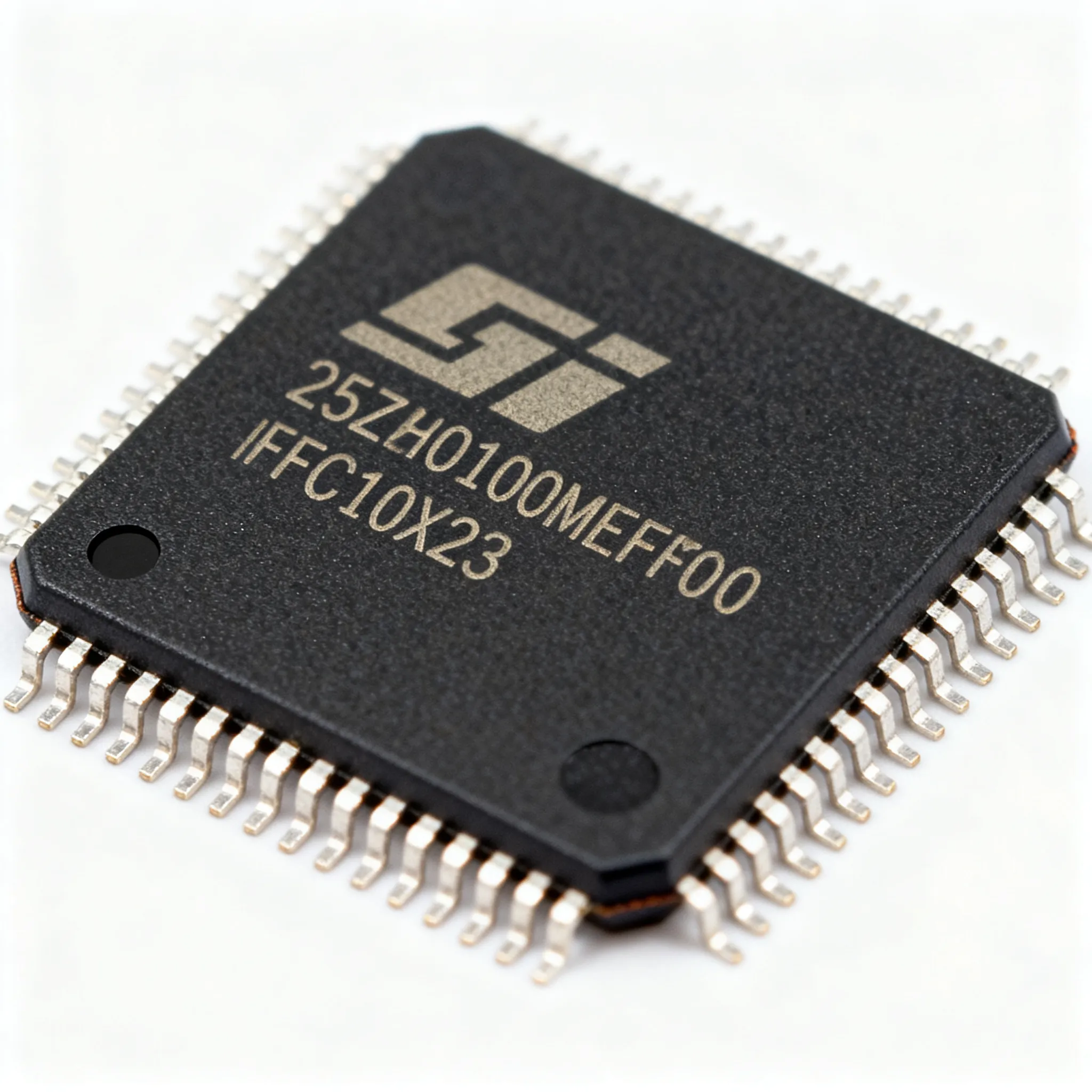
| Package Type | TQFP | - | Thin Quad Flat Package |
| Package Dimensions | 10x10 | mm | Width x Length |
| Pin Pitch | 0.5 | mm | Distance between pins |
| Weight | 0.5 | g | Approximate weight |
| Moisture Sensitivity Level | 3 | - | Level 3 (JEDEC) |
| Application | Microcontroller Model | Features | Notes |
|---|---|---|---|
| Home Automation | MCU5678 | Low power, Wi-Fi | Ideal for smart home devices |
| Industrial Control | MCU2345 | High I/O count, robust | Suitable for harsh environments |
| Wearable Devices | MCU3456 | Ultra-low power, compact | Perfect for fitness trackers |
| Automotive Systems | MCU6789 | Automotive grade, CAN support | For in-vehicle applications |
| IoT Devices | MCU7890 | Network connectivity, secure | For connected smart devices |
Design Considerations
When designing a system with microcontrollers, several factors must be considered to ensure optimal performance and reliability. First, it's crucial to select a microcontroller that meets the specific requirements of your application. This involves evaluating the electrical specifications, such as operating voltage, clock speed, and memory capacity, to ensure the microcontroller can handle the processing demands.
Thermal management is another critical aspect, as excessive heat can lead to failure or reduced lifespan of the microcontroller. Proper heat dissipation techniques, such as using heat sinks or thermal pads, should be implemented, especially in high-performance or high-temperature environments.
Mechanical considerations, such as package type and pin configuration, play a significant role in the physical integration of the microcontroller into the system. The package size and pin pitch must align with the PCB design to ensure proper mounting and connectivity.
In addition, the choice of communication interfaces, such as UART, I2C, or SPI, should be aligned with the peripheral devices used in the application. This ensures seamless data exchange and control within the system.
Lastly, attention must be given to power management, as energy efficiency is crucial for battery-powered or portable devices. Selecting a microcontroller with low power consumption or implementing power-saving techniques can significantly extend the device's operational life.
Step-by-Step Guide
- Define Your Application Requirements: Start by identifying the specific needs of your application, including processing power, memory, and communication interfaces.
- Select the Appropriate Microcontroller: Choose a microcontroller that meets your application's requirements. Consider factors such as electrical specifications, package type, and thermal properties.
- Design the Circuit: Create a schematic diagram that includes the microcontroller and all necessary components, such as power supply, oscillators, and communication interfaces.
- Develop the Firmware: Write the firmware code that will run on the microcontroller. This involves programming the microcontroller to perform the desired tasks and respond to inputs.
- Simulate the Design: Use simulation tools to test the design virtually. This helps identify and rectify any issues before physical prototyping.
- Prototype the Circuit: Build a physical prototype of the circuit on a breadboard or PCB to test its functionality in a real-world environment.
- Test and Debug: Thoroughly test the prototype for any errors or malfunctions. Debug the firmware and hardware as necessary to ensure optimal performance.
- Finalize the Design: Once the prototype is tested and verified, finalize the design for production. This includes creating a final PCB layout and preparing for mass manufacturing.
Common Issues & Solutions
When working with microcontrollers, certain common issues may arise that can impede the development process. Here are some real problems and their solutions:
- Problem: Microcontroller not responding.
Solution: Check the power supply and ensure the microcontroller is receiving the correct voltage. Verify the reset pin is properly connected. - Problem: Communication failure with peripherals.
Solution: Ensure that the communication interfaces (UART, I2C, SPI) are correctly configured and connected. Check for proper signal levels. - Problem: Overheating of the microcontroller.
Solution: Implement thermal management techniques, such as heat sinks or fans, to dissipate excess heat. - Problem: Inconsistent performance.
Solution: Verify the clock speed and ensure the microcontroller is not being overclocked. Check for stable power supply and proper grounding. - Problem: Memory overflow errors.
Solution: Optimize the firmware code to reduce memory usage. Consider using a microcontroller with higher memory capacity if necessary.
Applications & Use Cases
Microcontrollers are used in a wide range of applications, each with its unique requirements. In home automation, microcontrollers enable smart devices to communicate and automate tasks, enhancing convenience and energy efficiency. In industrial control systems, microcontrollers monitor and manage complex processes, ensuring precision and reliability.
Wearable devices, such as fitness trackers and smartwatches, rely on microcontrollers for data processing and connectivity while maintaining low power consumption. In the automotive industry, microcontrollers are integral to systems such as engine control, infotainment, and safety features, providing advanced functionalities and improving vehicle performance.
IoT devices, which require connectivity and security, benefit from microcontrollers that offer network support and encryption capabilities, ensuring secure data transmission in smart environments.
Selection & Sourcing Guide
Choosing the right microcontroller for your project can be a daunting task, given the plethora of options available. To simplify the process, consider using resources like IC Online, an authorized distributor of electronic components. Their extensive database allows you to search and compare various microcontroller models based on your specific requirements. Competitive pricing and fast delivery make it a reliable source for procuring components for your projects.
FAQ
- What is a microcontroller?
A microcontroller is an integrated circuit designed to perform specific control functions within an embedded system. - How do I choose a microcontroller for my project?
Consider the application requirements, such as processing power, memory, and communication interfaces, to select the appropriate microcontroller. - What are the common architectures of microcontrollers?
Popular architectures include ARM, AVR, and PIC, each offering different features and capabilities. - How do I program a microcontroller?
Microcontrollers are programmed using firmware, which is written in languages such as C or Assembly and uploaded to the device using a programmer. - What is the difference between a microcontroller and a microprocessor?
A microcontroller includes a processor, memory, and peripherals on a single chip, while a microprocessor is primarily a CPU used in computers. - Can microcontrollers be used in IoT applications?
Yes, microcontrollers with network connectivity and security features are ideal for IoT devices. - What is the role of ADC in a microcontroller?
An ADC (Analog-to-Digital Converter) converts analog signals into digital data for processing by the microcontroller. - How do I manage power consumption in microcontroller-based devices?
Use low-power microcontrollers and implement power-saving techniques, such as sleep modes, to reduce energy consumption. - What are the common communication interfaces in microcontrollers?
Common interfaces include UART, I2C, and SPI, used for serial communication with peripheral devices. - Where can I find datasheets for microcontrollers?
Datasheets can be found on distributor websites like DigiKey Electronics, providing detailed specifications and application notes.
Conclusion
Microcontrollers are essential components in modern electronic systems, offering versatility and control for a wide range of applications. Understanding their specifications, design considerations, and common issues is crucial for successful implementation and innovation. By leveraging resources like datasheets and distributor databases, you can make informed decisions and optimize your designs for performance and reliability.