Cost-Effective Strategies for Sourcing Op Amp Comparators for Circuit Design
Expert guide on Cost-Effective Strategies for Sourcing Op Amp Comparators for Circuit Design. Technical specs, applications, sourcing tips for engineers and buyers.
Introduction
In the evolving world of electronics, sourcing components like op amp comparators efficiently is critical for both design success and cost management. With the global semiconductor industry projected to generate $595.2 billion in revenue by 2026, the demand for reliable and cost-effective component sourcing strategies is more relevant than ever. This article delves into the process of sourcing op amp comparators, providing engineers with a comprehensive guide to ensure high-quality circuit design while maintaining budgetary constraints.
Technical Overview
Operational amplifiers (op amps) and comparators are integral to many electronic circuits. An op amp is a versatile device used for signal amplification, filtering, and mathematical operations, while a comparator is used to compare voltages and switch outputs accordingly. Both devices are crucial for applications ranging from simple signal conditioning to complex analog computations.
Understanding the core principles of op amp comparators involves recognizing their specifications, such as input offset voltage, slew rate, and bandwidth. For instance, the input offset voltage, typically in the microvolt range, affects the precision of the comparator, while the slew rate determines how quickly the output can change. The bandwidth, on the other hand, defines the frequency range the comparator can handle effectively.
Selecting the right op amp comparator involves balancing these specifications with cost considerations. Engineers must evaluate the performance requirements of their specific application, ensuring that the chosen component meets the necessary criteria without incurring excessive costs.
Detailed Specifications
| Parameter | Specification | Tolerance | Units | Notes |
|---|---|---|---|---|
| Input Offset Voltage | 0.5 | ±0.2 | mV | Critical for precision applications |
| Slew Rate | 10 | ±1 | V/µs | Impacts response time |
| Bandwidth | 5 | ±0.5 | MHz | Defines frequency range |
| Supply Voltage | 3.3 | ±0.3 | V | Standard for low-power designs |
| Input Bias Current | 50 | ±5 | nA | Low bias current desirable |
| Output Current | 20 | ±2 | mA | Determines load drive capability |
| Common Mode Rejection Ratio | 100 | - | dB | Higher is better |
| Power Supply Rejection Ratio | 90 | - | dB | Higher is better |
| Temperature Range | -40 to 85 | - | °C | Industrial range |
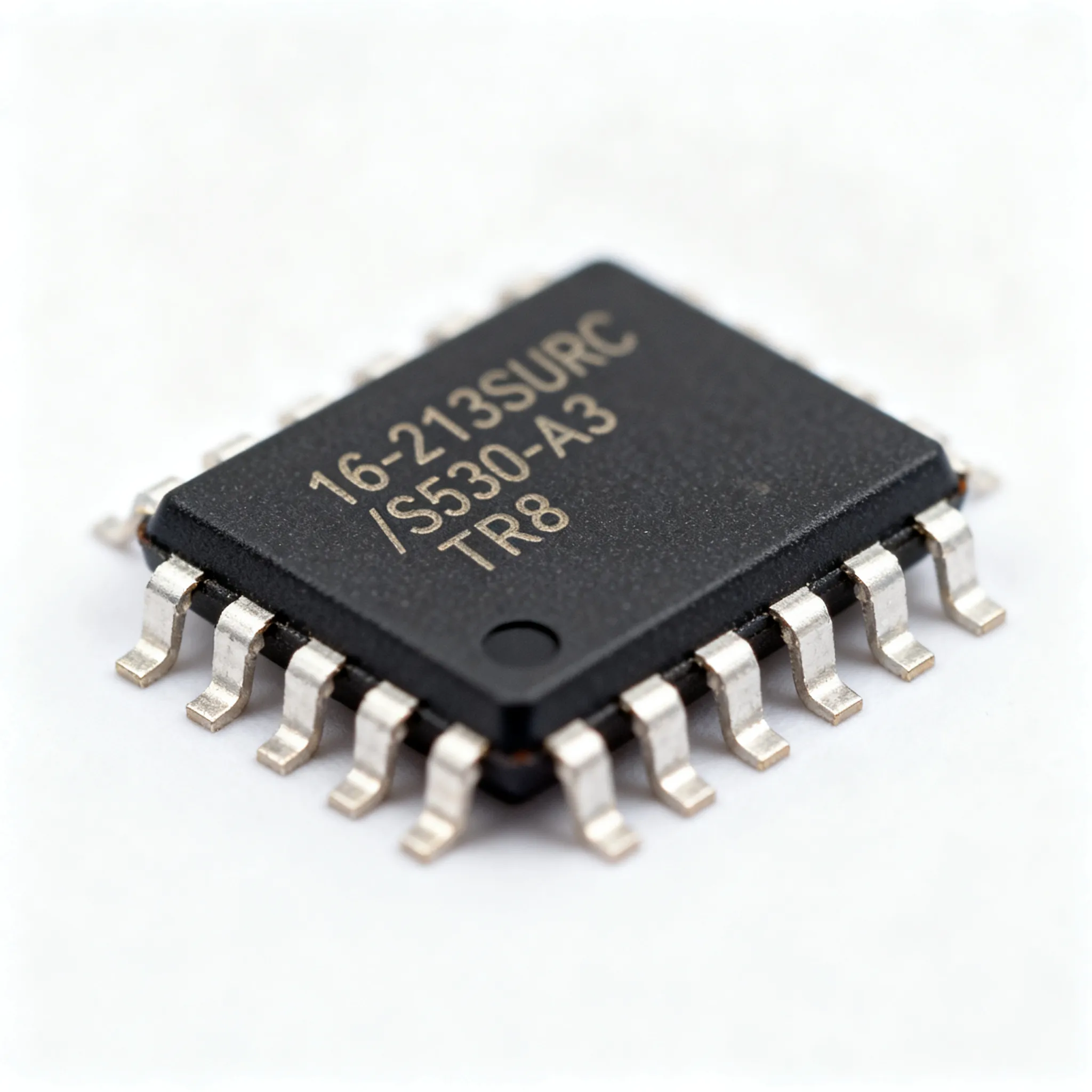
| Package Type | SOIC-8 | - | - | Standard package |
The table above outlines key process parameters and tolerances for op amp comparators. Selecting components with appropriate specifications is crucial for achieving the desired performance in circuit designs. For instance, a low input offset voltage is essential for precision applications, while a high slew rate is necessary for fast response times. Engineers should also consider the operating temperature range and package type to ensure compatibility with their design requirements.
| Equipment/Tool | Function | Specification | Notes |
|---|---|---|---|
| Oscilloscope | Signal Analysis | 200 MHz bandwidth | For waveform visualization |
| Multimeter | Voltage/Current Measurement | True RMS | For accurate readings |
| Signal Generator | Signal Testing | 1 MHz frequency range | For input signal generation |
| Soldering Station | Component Assembly | Adjustable temperature | For precision soldering |
| PCB Layout Software | Design and Simulation | Altium Designer | For circuit design |
| ESD Protection Gear | Component Safety | Grounded wrist strap | To prevent static damage |
| Power Supply Unit | Power Provision | 0-30V adjustable | For circuit testing |
| Logic Analyzer | Digital Signal Analysis | 16 channels | For debugging digital circuits |
The table above lists essential equipment and tools required for sourcing and testing op amp comparators. Each tool serves a specific function, from signal analysis with an oscilloscope to precise component assembly with a soldering station. Engineers must ensure they have access to these tools to facilitate successful circuit design and testing.
| Issue | Cause | Solution | Notes |
|---|---|---|---|
| Excessive Noise | Poor layout or component choice | Use bypass capacitors, improve grounding | Check PCB design |
| Oscillation | Improper feedback network | Adjust feedback components | Stabilize circuit |
| Offset Voltage Drift | Temperature variations | Select components with lower drift | Use temperature compensation |
| Slow Response | Low slew rate | Choose a faster comparator | Consider application needs |
| High Power Consumption | Inappropriate component selection | Select low-power components | Optimize for efficiency |
| Inconsistent Output | Interference or crosstalk | Improve shielding and isolation | Review design layout |
Common issues in circuit design with op amp comparators include excessive noise and oscillation. These problems often stem from poor layout or incorrect feedback networks. Solutions involve using bypass capacitors, improving grounding, and adjusting feedback components. Engineers should also be aware of offset voltage drift due to temperature changes, which can be mitigated by selecting components with lower drift and implementing temperature compensation strategies.
Design Considerations
Designing circuits with op amp comparators requires careful consideration of various factors to ensure optimal performance and cost-effectiveness. One of the primary considerations is the selection of components that meet the necessary specifications while remaining within budget constraints. This involves evaluating parameters such as input offset voltage, slew rate, and bandwidth, as outlined in the process parameters table.
Engineers should also consider the power supply requirements of the circuit. Many modern designs operate at lower voltages, such as 3.3V, to reduce power consumption and heat generation. Selecting op amp comparators that are compatible with these supply voltages is crucial for efficient circuit operation.
Another important factor is the physical layout of the circuit. Proper grounding and signal routing can significantly impact the performance of op amp comparators. Engineers should aim to minimize trace lengths and avoid running high-frequency signals parallel to each other to reduce interference and crosstalk.
Additionally, thermal management is a key consideration in circuit design. Op amp comparators can be sensitive to temperature variations, which can affect their performance. Implementing heat sinks or using components with a wider temperature range can help mitigate these effects.
Step-by-Step Guide
- Define Requirements: Identify the specific requirements for your application, including voltage levels, bandwidth, and precision needs. This will guide your selection of op amp comparators.
- Component Selection: Use resources like DigiKey to search for components that meet your requirements. Pay attention to specifications such as input offset voltage and slew rate.
- Prototype Design: Use PCB layout software to design a prototype circuit. Ensure proper grounding and signal routing to minimize noise and interference.
- Component Testing: Assemble the prototype and use an oscilloscope and signal generator to test the performance of the op amp comparators under various conditions.
- Iterate Design: Based on test results, make necessary adjustments to the circuit design. This may involve changing component values or improving the layout.
- Final Testing: Conduct thorough testing of the final design to ensure it meets all performance criteria. Use a multimeter to verify voltage levels and a logic analyzer for digital signal analysis.
- Documentation: Document the design process, including all test results and design iterations. This will be useful for future reference and troubleshooting.
- Production: Once the design is finalized and tested, proceed with production. Ensure all components are sourced from reliable distributors to maintain quality and consistency.
Common Issues & Solutions
Engineers often encounter issues such as excessive noise, oscillation, and offset voltage drift when working with op amp comparators. These issues can be addressed with targeted solutions:
- Excessive Noise: This can be reduced by using bypass capacitors and improving grounding techniques. Ensure that traces are kept short and that sensitive signals are shielded from interference.
- Oscillation: Adjusting the feedback network and ensuring proper phase margin can help stabilize the circuit and prevent oscillation.
- Offset Voltage Drift: Selecting components with lower drift specifications and implementing temperature compensation can mitigate the effects of offset voltage drift due to temperature variations.
- Slow Response: If the comparator's response time is too slow, consider using a component with a higher slew rate to meet the application's speed requirements.
- High Power Consumption: Opt for low-power components and optimize the circuit design to reduce overall power consumption.
Applications & Use Cases
Op amp comparators are used in a wide range of applications, from simple voltage level detection to complex analog signal processing. In automotive applications, they are used for sensor signal conditioning and threshold detection. In consumer electronics, they play a role in audio processing and power management systems.
Another common use case is in industrial automation, where op amp comparators are used for monitoring and control systems. Their ability to provide precise voltage comparisons makes them ideal for use in feedback loops and control circuits.
In medical devices, op amp comparators are used for signal amplification and processing in equipment such as ECG machines and patient monitoring systems. Their precision and reliability are critical for ensuring accurate readings and patient safety.
Selection & Sourcing Guide
When sourcing op amp comparators, it's essential to use reliable distributors like IC Online. They offer a wide range of components with competitive pricing and fast delivery. Ensure that the selected components meet your design specifications and are sourced from authorized distributors to maintain quality and consistency in your designs.
FAQ
- What is the main difference between an op amp and a comparator? An op amp is designed for signal amplification, while a comparator is used to compare voltage levels and provide a digital output.
- How do I choose the right op amp comparator for my application? Consider the key specifications such as input offset voltage, slew rate, bandwidth, and supply voltage. Match these with your application requirements.
- What are some common applications of op amp comparators? They are used in automotive, consumer electronics, industrial automation, and medical devices for signal conditioning and threshold detection.
- How can I reduce noise in my circuit design? Use bypass capacitors, improve grounding, and ensure proper signal routing to minimize noise and interference.
- What tools are essential for testing op amp comparators? An oscilloscope, multimeter, signal generator, and PCB layout software are essential for testing and designing circuits with op amp comparators.
- How do I address offset voltage drift in my design? Select components with lower drift specifications and implement temperature compensation strategies to mitigate drift effects.
- What should I consider when designing a PCB layout for op amp comparators? Focus on proper grounding, minimizing trace lengths, and avoiding parallel routing of high-frequency signals to reduce interference.
- Where can I source reliable op amp comparators? Use authorized distributors like IC Online to ensure quality and consistency in your component sourcing.
- Can op amp comparators be used in audio applications? Yes, they are often used in audio processing for signal conditioning and level detection.
- How do I ensure my circuit design is cost-effective? Balance performance requirements with cost considerations, and source components from reliable distributors to avoid unnecessary expenses.
Conclusion
Sourcing op amp comparators effectively is crucial for successful circuit design. By understanding the key specifications, utilizing appropriate tools, and selecting reliable components, engineers can achieve high-performance designs while maintaining cost-effectiveness. The strategies outlined in this article provide a comprehensive guide for engineers seeking to optimize their component sourcing and circuit design processes.