Evaporative System Leak Codes P0455 and P0456 Explained
The trouble codes P0455 and P0456 indicate an evaporative system leak. P0455 signals a "Gross Leak," whi
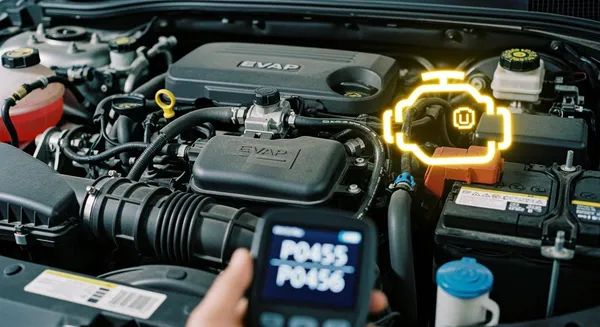
The trouble codes P0455 and P0456 indicate an evaporative system leak. P0455 signals a "Gross Leak," while P0456 points to a "Small Leak." A loose gas cap is a frequent cause. However, the car's computer diagnostics set these trouble codes based on precise sensor data. The computer seals the fuel system for a self-test. It then monitors pressure, much like checking a tire for a leak. This computer diagnostics test looks for very small pressure changes.
- A typical onboard test applies a vacuum of around 7 inches of water (in.-H2O).
- Some systems, like Chrysler's, may use a gentler vacuum of only 2 to 3 in.-H2O.
A failed test means the system cannot hold pressure, often due to a damaged gas cap or other component.
Key Takeaways
- Codes P0455 and P0456 mean there is a leak in your car's fuel system.
- A loose gas cap is often the cause of these leaks.
- Your car's computer checks for leaks by sealing the fuel system and watching for pressure changes.
- A smoke machine helps mechanics find small leaks that are hard to see.
- Fixing these leaks stops your check engine light from coming on and helps the environment.
The ECU's Electronic Leak Test
The Engine Control Unit (ECU) is the brain behind the evaporative system check. It runs an automated test, but only when specific conditions are met. The ECU confirms that all related engine sensors are working correctly before starting the test. The vehicle must also meet several operating requirements for the computer diagnostics to proceed.
- The fuel level must be in the proper range (usually between 15% and 85% full).
- The vehicle may need to be driving or have a long engine-off period.
- Key sensors like the Mass Airflow (MAF) and Engine Coolant Temperature (ECT) must be fault-free.
The Role of the FTP Sensor
Once the right conditions are present, the ECU begins the test sequence. It first commands the canister vent solenoid to close. This action seals the entire EVAP system from the outside atmosphere. With the system sealed, the ECU monitors the Fuel Tank Pressure (FTP) sensor. This sensor acts like a barometer for the fuel system, measuring pressure or vacuum. The ECU watches the FTP sensor's signal to see if the system can hold a steady pressure or vacuum over a set period. A stable reading means the system is sealed tight.
Tech Tip: The ECU's computer diagnostics program is highly precise. It doesn't just look for a pressure change; it measures the rate of that change to determine the leak's size.
How Voltage Signals a Leak
The FTP sensor communicates with the ECU by sending a voltage signal. A specific voltage corresponds to a specific pressure level inside the tank. If there is a leak, air will either enter or escape the system, causing the pressure to change. This pressure change causes the FTP sensor's voltage reading to drift.
The ECU's computer diagnostics software tracks how quickly this voltage changes. A rapid voltage change tells the ECU that a large amount of air is leaking, triggering a P0455 gross leak code. A very slow, gradual voltage change over a longer period indicates a tiny leak, which sets the P0456 small leak code.
Key Electronic EVAP Components
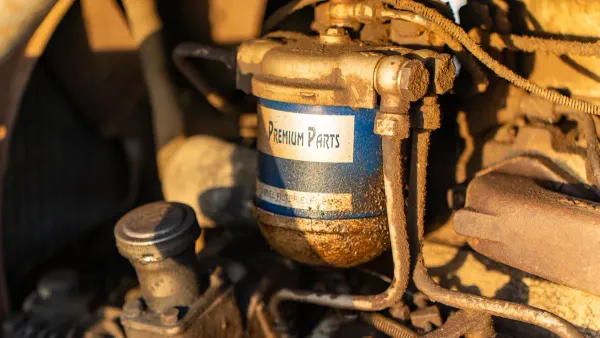
The evaporative emission control system relies on several key electronic parts working together. The ECU uses these components to run tests and control fuel vapors. Understanding each part helps explain how the system detects leaks.
Engine Control Unit (ECU)
The Engine Control Unit (ECU) is the computer brain of your vehicle. It manages the entire leak test process. The ECU runs computer diagnostics under specific conditions to check the system's integrity. If the ECU detects a problem, it takes action.
- It detects significant leaks within the EVAP system.
- It can trigger a "CHECK FILLER CAP" message on the dashboard.
- It illuminates the check engine light and stores a trouble code.
Fuel Tank Pressure (FTP) Sensor
The Fuel Tank Pressure (FTP) sensor acts as the system's pressure gauge. It measures the amount of pressure or vacuum inside the fuel tank and charcoal canister. This sensor converts the pressure reading into a voltage signal that it sends to the ECU. The ECU's computer diagnostics program analyzes this signal to determine if the pressure is stable or changing, which indicates a leak.
Canister Purge Solenoid
The canister purge solenoid is an electronically controlled valve. Its job is to control the flow of fuel vapors from the charcoal canister to the engine. When the engine is ready to burn these vapors, the ECU opens the solenoid. The vapors are then drawn into the engine and burned. This valve is normally closed, preventing vapors from the charcoal canister from entering the engine at the wrong time.
Canister Vent Solenoid
The canister vent solenoid is another crucial valve. This component's primary role is to seal the EVAP system for testing. It is normally open, allowing fresh air to enter the charcoal canister. When the ECU begins its computer diagnostics, it commands the vent solenoid to close. This action seals the charcoal canister and the rest of the system from the outside atmosphere.
Component Check: A vent solenoid that is stuck open is a very common cause for a P0455 gross leak code, as it prevents the system from sealing for the test. A solenoid stuck closed can cause issues with refueling.
How to Find an EVAP Leak

Locating an evaporative system leak can range from a simple fix to a complex diagnosis. The process to find an EVAP leak should always start with the most common and easiest-to-check components. Technicians then move on to more advanced diagnostic tools for harder-to-find issues.
Common Causes of an Evaporative System Leak
A check engine light for an EVAP code often has a simple solution. Before suspecting complex part failures, a visual inspection can reveal the source of the problem.
The first and most frequent culprit is the gas cap. A technician will first ensure the gas cap is tight. A loose or improperly sealed gas cap is a primary cause of a P0455 gross leak code. They will also inspect the seal on the gas cap for cracks, dirt, or damage that prevents it from sealing the filler neck correctly.
If the gas cap is secure and in good condition, the inspection moves to other common failure points. An evaporative emission system leak can occur in many places.
- EVAP hoses and vapor lines should be checked for wear, visible cracks, or loose connections.
- Purge and vent valves, along with their seals, require inspection for any signs of damage or deterioration.
Cracked hoses are a significant source of leaks. The signs of a brittle or broken EVAP hose often include:
- A persistent fuel smell around the vehicle.
- An illuminated check engine light.
- A failed emissions inspection.
The charcoal canister itself can also be a source of trouble. Overfilling the fuel tank by continuing to pump after the nozzle clicks off can saturate the canister with liquid fuel. This prevents it from working correctly and can lead to pressure problems within the system.
Using a Smoke Machine Test
When a visual inspection does not find an EVAP leak, professionals turn to specialized diagnostic tools. The most effective tool for finding an evaporative system leak is an EVAP smoke machine. This machine fills the entire system with a dense, visible vapor under very low pressure. The smoke will then escape from any leak point, making even the smallest crack or bad seal visible.
A smoke test follows a precise procedure for safety and accuracy.
- Preparation: A technician connects the smoke machine to the vehicle's EVAP service port. This port is often under the hood and has a green cap.
- Connection: If no service port is available, an adapter is used to connect the machine through the fuel filler neck after removing the gas cap.
- Pressurization: The machine introduces smoke into the system at a very low pressure, typically around 0.5 PSI. Exceeding this pressure can damage sensitive components like the FTP sensor.
- Inspection: With the system full of smoke, the technician uses a bright light to carefully inspect all hoses, the canister, the fuel tank, and valves for any visible smoke wisps.
Safety First: Smoke Machine Precautions ⚠️ Working with fuel vapors requires extreme caution. Professional diagnostic tools have built-in safety features.
- Use Inert Gas: Technicians must use an inert gas like nitrogen to push the smoke. Using shop air can create a flammable mixture inside the fuel tank.
- Work in a Ventilated Area: Proper ventilation minimizes the buildup of fuel vapors in the work area.
- Limit Test Time: Minimizing the test duration reduces the amount of vapor released, lowering the overall fire risk.
Using a smoke machine is the definitive way to pinpoint the exact location of a leak, saving time and ensuring an accurate repair.
P0455 vs. P0456: Electronic Differences
The key difference between P0455 and P0456 lies in the data the ECU analyzes. Both trouble codes point to an evaporative system leak, but the ECU determines the leak's size based on how quickly the fuel tank pressure changes during its self-test. The rate of this change is the critical factor that separates a "gross" leak from a "small" one.
P0455: Detecting a Gross Leak
A P0455 code indicates a large leak. The ECU's computer diagnostics program identifies this by detecting a very rapid loss of vacuum or pressure. When the system is sealed for the test, the FTP sensor's voltage should remain stable. A gross leak allows a large volume of air to rush in or out, causing a swift and dramatic change in the sensor's reading.
ECU Logic: The computer's software is programmed with specific failure thresholds. For many vehicles, a P0455 code will be triggered if the FTP sensor detects a pressure change exceeding 7 inches of water (H₂O) over a short 30-second period.
This rapid change tells the ECU that there is a significant breach somewhere in the system. The opening is large enough that the system cannot hold any pressure at all. Common component failures that cause such a large leak include:
- A missing or very loose gas cap.
- A canister vent solenoid that is stuck in the open position.
- A canister purge solenoid that has failed and remains open.
- A large crack in the fuel filler neck.
- A severely rotted or disconnected EVAP hose.
P0456: Detecting a Small Leak
A P0456 code signals a very small, subtle leak. This type of evaporative system leak is much harder for the ECU to detect. It requires a longer, more sensitive test. During this test, the ECU monitors the FTP sensor for a very slow, gradual drift in voltage over an extended period. This indicates that only a tiny amount of air is escaping, equivalent to a pinhole-sized opening.
These small leaks are often the most frustrating to diagnose because they are not visually obvious. The source can be a minuscule crack or a slightly worn seal. The most common culprits for these trouble codes include:
- A gas cap with a dried, cracked, or dirty seal that prevents a perfect seal.
- Tiny, hairline cracks that develop in EVAP hoses over time due to age and heat.
- A faulty purge or vent valve that does not seal completely.
- A small crack in the body of the charcoal canister.
Finding the source of a P0456 code almost always requires the use of a smoke machine to make the tiny leak visible.
The trouble codes P0455 and P0456 come from the ECU's computer diagnostics. The ECU uses the FTP sensor to test the EVAP system. A P0455 code means a large leak, often from a missing gas cap or a stuck-open valve. A P0456 code points to a very small leak that is harder to find. Ignoring these issues can lead to several problems.
- A constant 'Check Engine Light'.
- Worse fuel economy.
- Harmful environmental effects.
- Failed emissions tests.
A vehicle's computer diagnostics can detect when faulty valves create lean conditions. This may reduce fuel efficiency or cause other drivability issues.
Understanding these codes helps drivers. Diagnosis involves simple checks, like inspecting the gas cap, and complex computer diagnostics. This knowledge prepares a vehicle owner for a better conversation with their mechanic.
FAQ
Can I still drive with an EVAP leak code?
Yes, a driver can usually operate the vehicle. These codes do not typically affect engine safety or performance. However, the issue will cause a failed emissions test and release harmful fuel vapors into the atmosphere. It is best to address the problem promptly.
Does a P0455 or P0456 code affect gas mileage?
A small leak (P0456) generally does not impact fuel economy. A large leak (P0455) from a faulty purge solenoid can sometimes create a vacuum leak. This condition may slightly reduce fuel efficiency and cause minor performance issues.
Is it expensive to fix an EVAP leak? 💸
The cost varies widely. A new gas cap is very inexpensive. Repairing or replacing a cracked hose is also a low-cost fix. However, replacing a fuel tank or a complex valve can be more expensive, depending on the vehicle model.
Can I fix an EVAP leak myself?
A car owner can easily check and tighten the gas cap. This simple action often resolves the issue. Finding other leaks usually requires special diagnostic tools, like a smoke machine, so a professional technician is recommended for further diagnosis.
DIY Tip: Always start with the gas cap. Ensure it is tight (listen for clicks) and check its rubber seal for any cracks or dirt before seeking professional help.