How Sensor Modules Are Redefining Modern Technology
A sensor module gives a device its digital senses. These sensors capture data from the physical world, like light, motion, o
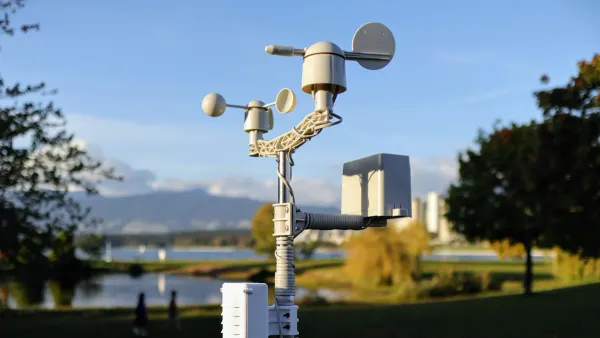
A sensor module gives a device its digital senses. These sensors capture data from the physical world, like light, motion, or temperature. This ability to translate our world into digital information is the force behind cutting-edge technology and smart systems. Think of the sensors in a smart thermostat. They act like nerves in your skin, feeling the room's temperature.
The number of connected devices with these sensors is growing rapidly. Experts predict over 38 billion IoT connections by 2030. This expansion drives significant market growth for the sensors themselves.
| Metric | 2024 (USD Million) | 2025 (USD Million) | 2032 (USD Million) | CAGR (2025-2032) |
|---|---|---|---|---|
| Global Sensor Interface Module Market Size | 878 | 928 | 1241 | 5.5% |
Key Takeaways
- Sensor modules give devices digital senses. They turn physical things like light or motion into digital information.
- A sensor module has three main parts: a sensing element, a microcontroller, and a communication interface. These parts work together to collect and share data.
- Sensor modules are used everywhere. They are in smart homes, cars, and health trackers. They make our technology smarter and safer.
- Future sensors will be smaller and smarter. They will use AI to process information faster. This will make devices even more helpful and responsive.
What is a Sensor Module?
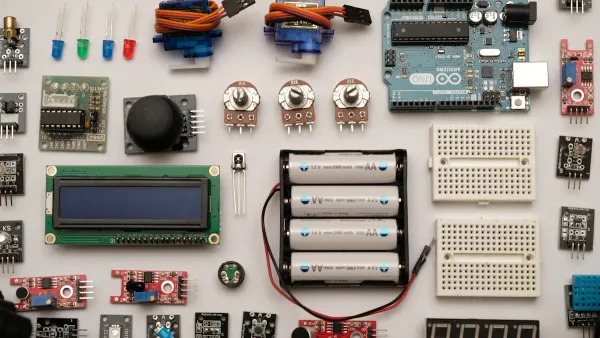
A sensor module is more than just a single part. It is a small, integrated system with three key components working together. These components allow a device to sense its environment and turn physical data into useful digital information. This design enables the seamless integration of sensors into countless technologies.
The Core Sensing Element
The core sensing element is the frontline component. It directly detects physical changes in the world. These specialized sensors are made from materials that react to specific inputs like heat, light, or pressure. The material choice is critical for the function of these sensors. Common materials include:
- Silicon and Germanium: These are used in photodiodes to detect light.
- Nanowires and Carbon Nanotubes: These advanced materials are used in highly sensitive sensors that can detect pressure or chemicals.
This element converts a physical property into an electrical signal, which is the first step in making data digital.
The Onboard Microcontroller
The onboard microcontroller acts as the brain of the sensor module. It receives the raw electrical signal from the sensing element. The microcontroller's Central Processing Unit (CPU) then processes this signal. It executes programmed instructions to make sense of the data. Many modern sensors use power-efficient microcontrollers like the ESP32 or STM32 series, which are ideal for battery-operated devices. These tiny computers manage all communication for the sensors. For advanced solutions, companies often turn to specialized partners. For example, Nova Technology Company (HK) Limited is a HiSilicon-designated solutions partner that helps integrate powerful processing capabilities into complex systems.
The Communication Interface
The communication interface allows the sensor module to share its processed data with the main device. It acts as a digital messenger. This interface uses standard communication protocols to send information clearly and reliably. Common protocols that these sensors use include:
- I2C (Inter-Integrated Circuit)
- SPI (Serial Peripheral Interface)
- UART (Universal Asynchronous Receiver-Transmitter)
These protocols ensure that the data from the sensors can be understood and used by the larger system, completing the bridge from the physical world to the digital one.
A Sensor Module in Action: Industry Examples
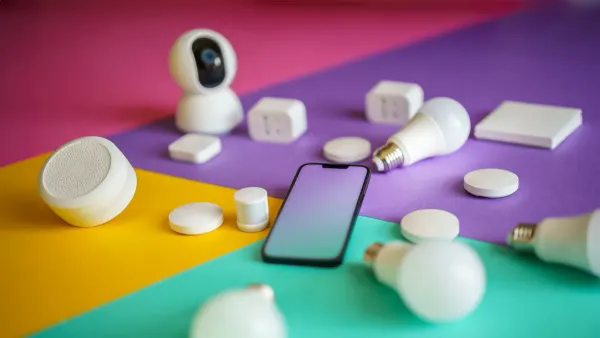
The true power of a sensor module becomes clear when we see it at work. These components are the unsung heroes in countless devices across many industries. They provide the data that makes our technology smart, responsive, and safe. From our living rooms to our farm fields, sensors are creating a more connected and intelligent world.
Smart Homes and Consumer Devices
Many people interact with advanced sensors every day without realizing it. Your smartphone is a perfect example of this cutting-edge technology.
- An accelerometer is a tiny sensor module that detects motion and orientation. It tells your phone to rotate the screen when you turn it sideways.
- An ambient light sensor measures the brightness of your surroundings. It automatically adjusts your screen's brightness to save battery and reduce eye strain.
These simple functions make devices more intuitive and create a better user experience. They show how sensors can perform helpful tasks automatically.
Automotive Safety and Autonomy
The automotive industry relies heavily on sensors to improve vehicle safety and enable self-driving features. Modern cars use a complex network of sensors to perceive their environment and react faster than a human driver ever could.
Electronic Stability Control (ESC) systems use gyroscopes and accelerometers to keep a vehicle stable.
- Gyroscopic sensors measure the car's yaw rate (rotation).
- Accelerometers measure its lateral (sideways) acceleration.
The system compares this data to the driver's steering input. If it detects a potential loss of control, like a skid, it automatically applies brakes to specific wheels to maintain stability. This integration of sensors allows for predictive control, anticipating instability before it becomes critical.
For autonomous driving, cars need an even more sophisticated array of advanced sensors. Leading automakers like General Motors, BMW, and Audi integrate multiple sensor types to create a complete picture of the road.
Modern autonomous cars rely on sensors like LiDAR, RADAR, and high-resolution cameras to accurately perceive their surroundings. This sensor fusion is critical for ADAS (Advanced Driver-Assistance Systems) functionality.
No single sensor is perfect. LiDAR creates detailed 3D maps but can be affected by weather. Radar sees through fog and rain but struggles with complex shapes. Cameras provide visual context but need good light. By combining information from all these sensors, a vehicle can make safer, more reliable decisions.
Wearable Tech and Digital Health
Wearable devices like smartwatches have become personal health monitors, thanks to tiny, powerful sensors. These devices track vital signs, offering insights into our daily health and fitness.
The most common sensor is the photoplethysmography (PPG) sensor. It uses green LED lights to measure blood flow just under the skin, allowing it to calculate your heart rate. This sensor technology is incredibly popular.
| Segment | Market Share (PPG Biosensors Market) | Year |
|---|---|---|
| Smartwatches | 43% | 2022 |
| Heart Rate Monitoring | 40.1% | 2022 |
Other sensors track blood oxygen levels (SpO2). These are particularly useful for identifying health issues like sleep apnea. An SpO2 sensor can detect drops in oxygen during sleep, which may indicate breathing interruptions. This data helps doctors diagnose the condition and understand its severity.
However, not all wearables are created equal. There is a significant difference between consumer fitness trackers and medical-grade devices.
| Feature | Medical-Grade Wearables | Consumer Health Wearables |
|---|---|---|
| Regulatory Approval | Required (FDA clearance) | Not required |
| Data Accuracy | High precision, clinically validated | Varies, not benchmarked |
| Data Use | Clinical diagnosis and monitoring | Personal wellness tracking |
Medical-grade devices undergo rigorous testing to ensure their data is accurate enough for clinical use. Consumer devices provide helpful estimates but are not substitutes for professional medical equipment.
Precision and Smart Agriculture
Agriculture is undergoing a technological revolution powered by sensors. Precision agriculture uses data to make farming more efficient, sustainable, and profitable. This approach enables data-driven decision-making for farmers.
Soil moisture sensors are placed in fields to measure water levels in the soil. This allows farmers to apply water only when and where it is needed, preventing waste. This precise irrigation has a major financial impact.
| Farm Type | Average Increased Net Income |
|---|---|
| Cotton, Peanut, Soybean | 19.42% ($202.28/acre) |
Drones equipped with multispectral sensors provide a bird's-eye view of crop health. These sensors capture light beyond the visible spectrum. They can create maps using the Normalized Difference Vegetation Index (NDVI), which measures photosynthetic activity. A drop in NDVI can signal stress from disease, pests, or lack of nutrients long before the problem is visible to the naked eye. This early detection allows farmers to act quickly, protecting their yield and reducing the need for widespread chemical applications.
These diverse applications show the versatility of sensor technology. Integrating these complex components into a final product often requires specialized expertise. For instance, solution providers like Nova Technology Company (HK) Limited, a HiSilicon-designated solutions partner, help companies build the powerful processing systems needed to manage data from these advanced sensors and create a user-friendly interface.
The Future of Sensor Technology
The evolution of sensor technology is accelerating, pushing the boundaries of what devices can do. Future advancements promise even smaller, smarter, and more capable sensors. This progress will further embed cutting-edge technology into our daily lives, making systems more autonomous and responsive. The seamless integration of these new sensors will define the next generation of smart devices.
Miniaturization and Integration
Sensors are becoming incredibly small. This trend, known as miniaturization, allows them to fit into almost any object. Manufacturers use advanced techniques to build these tiny sensors.
- Deep-UV lithography helps create features measured in nanometers.
- Wafer bonding techniques build complex, multi-layered structures on a single chip.
This process combines the sensing element with its processing circuits. Integrating components this way creates highly efficient and powerful sensors that can be placed anywhere, from wearable devices to industrial machinery.
AI-Powered Edge Computing
The next frontier for sensors is onboard intelligence. Instead of sending raw data to the cloud, many new sensors process information directly on the device. This is called edge computing. It allows for nearly instant analysis, reducing delays to mere milliseconds.
Edge AI offers a transformative approach to privacy by minimizing data exposure. It handles data locally, ensuring that sensitive information never leaves the device.
This capability is crucial for cutting-edge technology that requires immediate action. For example, TinyML models on audio sensors can perform real-time "wake word" detection. In factories, sensors on equipment can analyze vibrations to predict failures before they happen. This local processing makes devices faster, more efficient, and more secure.
Multifunctional and Biosensing Capabilities
Future sensors will do more with less. A single, multifunctional sensor will soon measure multiple variables at once. Researchers are developing flexible sensors for smart textiles that can detect both pressure and humidity. Other new sensors can monitor a plant's health by tracking temperature and airborne chemicals simultaneously.
In healthcare, non-invasive biosensing is a major area of development. New wearable sensors aim to monitor health without needles.
- Skin-like sensors are being tested to measure glucose levels from sweat.
- Optical sensors that use light signals (PPG) are being combined with AI to estimate blood glucose.
These advanced sensors will provide continuous health data, making personal wellness monitoring easier and more accessible.
A sensor module is the integrated component enabling today's most significant cutting-edge technology. These devices act as the digital senses for countless systems. Their power comes from bridging the physical and digital worlds. This connection makes technology more responsive and intelligent. The convergence of sensors with AI and the Internet of Things (IoT) is creating immense new value. Future advancements will deliver even smaller and smarter sensors. These improved sensors will drive the next wave of innovation, making our world more connected and efficient.
FAQ
What is the main job of a sensor?
The main job of sensors is to detect physical changes in the world. These sensors convert inputs like light or heat into electrical signals. This process allows devices to understand their environment. Many modern sensors are very small.
How do sensors make a device "smart"?
Sensors provide data that a device's processor uses to make decisions. For example, temperature sensors tell a thermostat when to turn on. These sensors enable automatic actions without human input.
Are all sensors the same?
No, different sensors have different jobs. Some sensors detect motion, while other sensors measure temperature or light. Each type of sensor is designed for a specific purpose.
Why is a user-friendly interface important for sensor systems?
A user-friendly interface helps people interact with the data from sensors. It presents complex information in a simple way. This makes it easy to control devices that use many sensors.