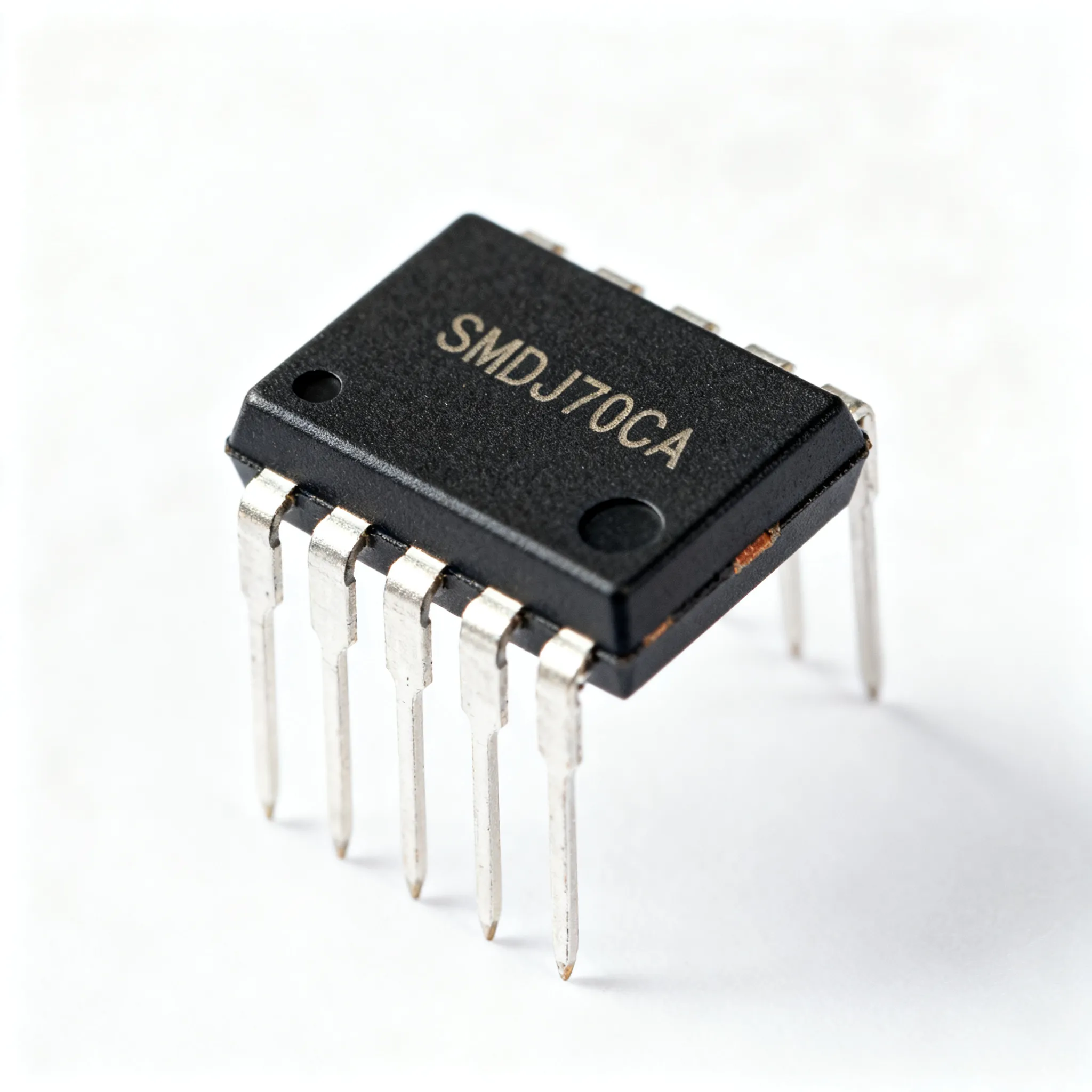
Innovative Applications of IGBT Technology in Medical Devices: A Case Study
Expert guide on Innovative Applications of IGBT Technology in Medical Devices: A Case Study. Technical specs, applications, sourcing tips for engineers and buyers.
Introduction
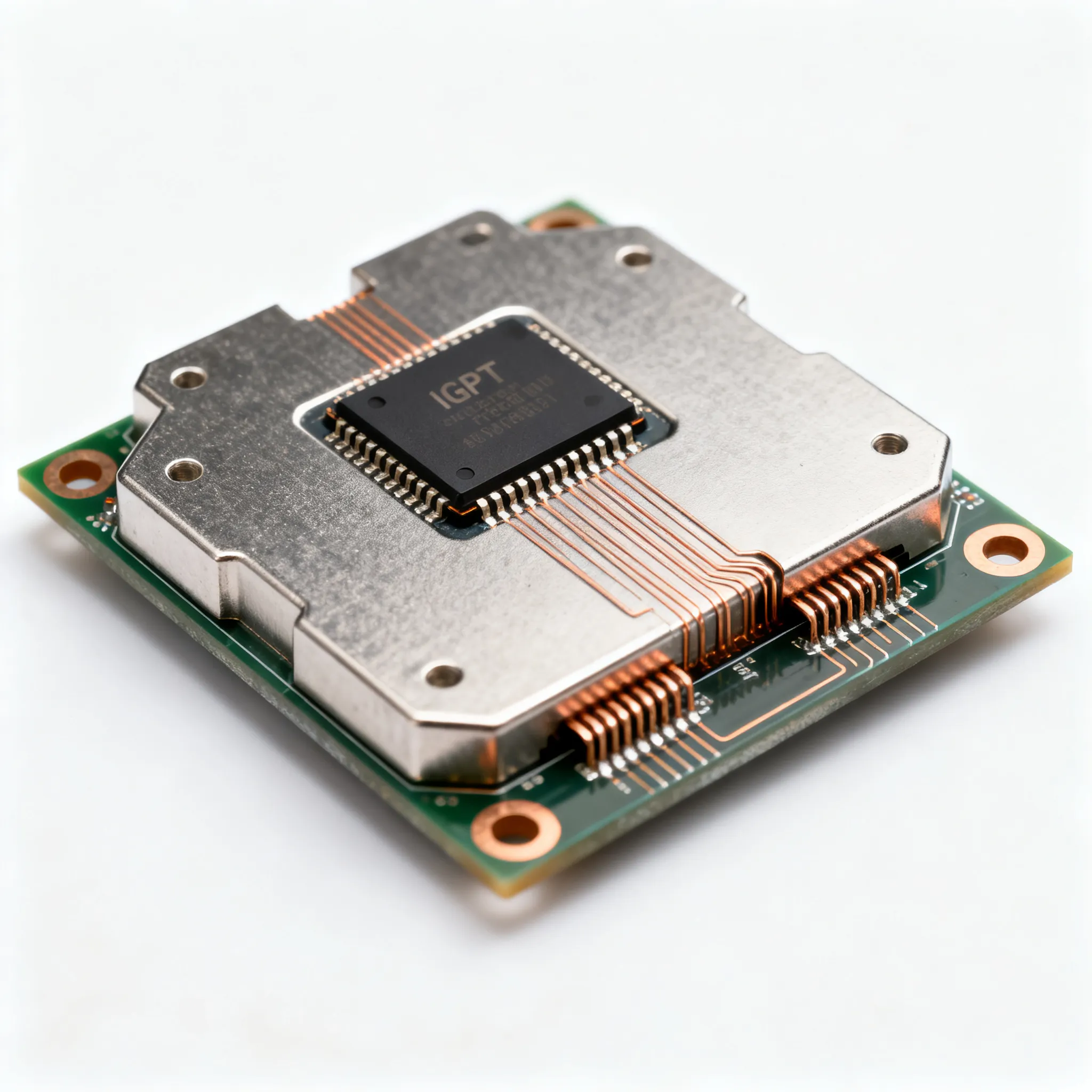
In the rapidly evolving field of medical technology, the demand for efficient, reliable, and precise power control components is more critical than ever. Insulated Gate Bipolar Transistors (IGBTs) have emerged as a pivotal technology in medical devices, offering a unique blend of high efficiency and fast switching capabilities. This article explores the innovative applications of IGBT technology in medical devices, providing an in-depth analysis of component specifications, datasheets, and application circuits. The integration of IGBT technology not only enhances the performance of medical devices but also contributes to the miniaturization and energy efficiency crucial in modern healthcare solutions.
Technical Overview
IGBTs, or Insulated Gate Bipolar Transistors, are semiconductor devices that combine the high efficiency and fast switching of a MOSFET with the high-voltage and high-current handling capabilities of a bipolar transistor. This makes IGBTs particularly suitable for applications that require high power and efficiency, such as medical imaging equipment, surgical lasers, and other advanced medical devices.
The core principle behind IGBTs is their ability to control large electrical loads with minimal input power, which is essential in medical applications where precision and reliability are paramount. Additionally, IGBTs offer low conduction losses and can operate at higher frequencies compared to traditional power transistors, which translates to improved performance and reduced size of medical equipment. The advancement in IGBT technology has led to their widespread adoption in the medical industry, where they are used in devices ranging from MRI machines to defibrillators.
Detailed Specifications
Table 1: Electrical Specifications
| Parameter | Value | Units | Notes |
|---|---|---|---|
| Collector-Emitter Voltage (VCE) | 1200 | Volts | Maximum voltage between collector and emitter |
| Gate-Emitter Voltage (VGE) | ±20 | Volts | Maximum gate-emitter voltage |
| Collector Current (IC) | 50 | Amperes | Continuous collector current |
| Pulsed Collector Current (ICM) | 100 | Amperes | Maximum pulsed current |
| Power Dissipation (PD) | 250 | Watts | Maximum power dissipation |
| Switching Frequency | 20 | kHz | Typical operating frequency |
| Turn-On Delay Time (td(on)) | 50 | ns | Time to turn on the IGBT |
| Turn-Off Delay Time (td(off)) | 100 | ns | Time to turn off the IGBT |
| Input Capacitance (Cies) | 2.5 | nF | Capacitance between gate and emitter |
| Output Capacitance (Coss) | 150 | pF | Capacitance between collector and emitter |
Table 2: Thermal & Mechanical Specs
| Parameter | Value | Units | Notes |
|---|---|---|---|
| Junction Temperature (Tj) | -55 to 150 | °C | Operating temperature range |
| Thermal Resistance, Junction-to-Case (RθJC) | 0.4 | °C/W | Thermal resistance from junction to case |
| Thermal Resistance, Junction-to-Ambient (RθJA) | 62.5 | °C/W | Thermal resistance from junction to ambient |
| Package Type | TO-247 | - | Standard package type |
| Mounting Type | Through Hole | - | Method of mounting the IGBT |
| Weight | 4.5 | grams | Weight of the component |
| Lead Finish | Matte Tin | - | Finish on leads for solderability |
| Moisture Sensitivity Level (MSL) | 3 | - | Level 3 sensitivity |
Table 3: Application Comparison
| Application | IGBT Benefits | Alternative Technology | Notes |
|---|---|---|---|
| MRI Machines | High power efficiency, fast switching | MOSFET | IGBTs offer better performance at high power levels |
| CT Scanners | Precise power control | Bipolar Transistors | IGBTs provide superior efficiency and reliability |
| Ultrasound Equipment | Reduced size and weight | Thyristors | IGBTs enable more compact designs |
| Surgical Lasers | Fast response time | MOSFET | IGBTs ensure precise control of laser output |
| Defibrillators | Reliable high current handling | SCRs | IGBTs offer more reliable and efficient operation |
The tables above provide an in-depth look at the electrical, thermal, and mechanical specifications of IGBT components used in medical devices. Each parameter is critical in ensuring the optimal performance and reliability of medical equipment. For instance, the collector-emitter voltage and current ratings determine the power handling capabilities of the IGBT, while thermal resistance values indicate the efficiency of heat dissipation, which is crucial in maintaining device stability and longevity. The application comparison table highlights the advantages of using IGBTs over alternative technologies in various medical applications, emphasizing their superior performance and efficiency.
Design Considerations
When designing medical devices with IGBT technology, several practical guidelines and considerations must be taken into account to ensure optimal performance and safety. The integration of IGBTs into medical devices requires careful attention to electrical, thermal, and mechanical design aspects.
Firstly, selecting the appropriate IGBT component tailored to the specific application requirements is crucial. This involves analyzing the electrical specifications such as voltage, current, and switching frequency to ensure the IGBT can handle the expected load conditions. Additionally, designers must consider the thermal management of the IGBT, as excessive heat can degrade performance and reliability. Implementing effective heat sinking and thermal interface materials can help mitigate thermal challenges.
Secondly, the gate drive circuitry must be designed to provide the necessary gate voltage and current to switch the IGBT on and off efficiently. Proper gate drive design minimizes switching losses and ensures the IGBT operates within its safe operating area (SOA). It's also important to incorporate protection mechanisms such as over-voltage and over-current protection to safeguard the IGBT and the overall system from potential faults.
Furthermore, the mechanical design should accommodate the IGBT's package type and mounting method. Ensuring proper alignment and secure mounting helps prevent mechanical stress and potential damage. The choice of materials and finishes for connectors and solder joints should also be considered to enhance reliability and longevity.
Finally, adhering to industry standards and regulatory requirements is essential in medical device design. Compliance with standards such as IEC 60601 for medical electrical equipment ensures safety and performance. By considering these design aspects, engineers can effectively leverage IGBT technology to enhance the performance and reliability of medical devices.
Step-by-Step Guide
Designing a medical device with IGBT technology involves several detailed steps to ensure optimal performance, reliability, and compliance with industry standards. Below is a step-by-step guide to integrating IGBTs into medical devices:
- Define Application Requirements: Begin by clearly defining the application requirements, including power levels, voltage, current, and switching frequency. Determine the specific medical device application, such as MRI machines, CT scanners, or surgical lasers, to tailor the IGBT selection accordingly.
- Select the Appropriate IGBT: Use component databases like DigiKey Electronics to search for IGBT components that meet the defined specifications. Consider electrical parameters, thermal characteristics, and package type. For example, an IGBT with a high collector-emitter voltage and current rating would be suitable for high-power applications.
- Design the Gate Drive Circuit: Develop the gate drive circuit to provide the necessary gate voltage and current for efficient IGBT switching. Ensure the gate drive circuit minimizes switching losses and includes protection features such as over-voltage and over-current protection.
- Implement Thermal Management: Design an effective thermal management system to dissipate heat generated by the IGBT. Utilize heat sinks, thermal interface materials, and proper ventilation to maintain the IGBT's junction temperature within safe limits.
- Incorporate Protection Mechanisms: Integrate protection mechanisms into the design to safeguard the IGBT and the overall system. This includes incorporating snubber circuits, transient voltage suppressors, and current limiting features to prevent damage from electrical transients and faults.
- Perform Simulations and Testing: Conduct simulations and testing to validate the IGBT's performance in the medical device application. Use simulation tools to model electrical and thermal behavior, and perform laboratory testing to ensure the IGBT operates reliably under various conditions.
- Ensure Compliance with Standards: Verify that the design complies with relevant industry standards and regulatory requirements, such as IEC 60601 for medical electrical equipment. This ensures the safety, performance, and reliability of the medical device.
- Prototype and Finalize Design: Build a prototype of the medical device incorporating the IGBT technology. Evaluate the prototype's performance, reliability, and compliance with standards. Make any necessary adjustments to optimize the design before finalizing it for production.
Common Issues & Solutions
Despite the advantages of using IGBT technology in medical devices, engineers may encounter several common issues during design and implementation. Below are five real problems and their corresponding solutions:
- Overheating: IGBTs can generate significant heat during operation, leading to thermal stress and potential failure. Solution: Implement an effective thermal management system with heat sinks, thermal pads, and adequate ventilation to dissipate heat efficiently.
- Switching Losses: High switching frequencies can lead to increased switching losses, reducing overall efficiency. Solution: Optimize the gate drive circuit to minimize switching times and losses. Use fast-recovery diodes to reduce turn-off losses.
- Gate Drive Instability: Improper gate drive design can cause instability and oscillations. Solution: Design the gate drive circuit with appropriate resistors and capacitors to ensure stable and reliable operation. Use proper grounding and shielding techniques to minimize noise.
- Electromagnetic Interference (EMI): IGBTs can generate EMI, affecting the performance of nearby equipment. Solution: Implement EMI filtering and shielding techniques to reduce interference. Use ferrite beads and chokes to suppress high-frequency noise.
- Component Mismatch: Mismatched components can lead to performance issues and reliability problems. Solution: Carefully select components with compatible electrical and thermal characteristics. Use simulation tools to verify compatibility and performance.
Applications & Use Cases
IGBT technology has found numerous applications in the medical industry, offering significant advantages in terms of performance, efficiency, and reliability. Here are some real-world examples of IGBT applications in medical devices:
- MRI Machines: IGBTs are used in MRI machines to control the high-power magnets, enabling precise imaging and diagnostics. Their high efficiency and fast switching capabilities ensure accurate and reliable operation.
- CT Scanners: In CT scanners, IGBTs provide precise power control for the X-ray tubes, enhancing image quality and reducing radiation exposure. Their high current handling capability ensures reliable performance.
- Ultrasound Equipment: IGBTs enable compact and efficient designs in ultrasound equipment, improving portability and ease of use. Their fast response time ensures accurate imaging and diagnostics.
- Surgical Lasers: IGBTs are employed in surgical lasers to control laser output with precision and reliability. Their fast switching and high power efficiency ensure effective surgical procedures.
Selection & Sourcing Guide
Selecting and sourcing the right IGBT components for medical device applications is crucial for ensuring optimal performance and reliability. When choosing IGBTs, consider factors such as electrical specifications, thermal characteristics, and package type. Utilize component databases and distributors like IC Online to search for IGBT components that meet the specific requirements of your application. Compare datasheets, evaluate pricing, and assess availability to make informed decisions. Collaborate with authorized distributors to ensure genuine and high-quality components.
FAQ
Here are some frequently asked questions regarding IGBT technology in medical devices:
- What are the key advantages of using IGBTs in medical devices?
IGBTs offer high efficiency, fast switching, and precise power control, making them ideal for medical applications requiring reliability and performance. - How do I select the right IGBT for my medical device application?
Consider the application requirements, including voltage, current, and switching frequency. Use component databases to find I