The Difference Between Resister and Resistor Explained
You may face confusion with words that sound the same. These homophones create common confusions and mistakes. The question

You may face confusion with words that sound the same. These homophones create common confusions and mistakes. The question of using resister or resistor is a perfect example. Understanding homophones is important. Using the wrong word can change your meaning entirely.
The primary difference is simple. A resister is usually a person. A resistor is an electronic part.
This guide clarifies the distinction. You will learn the difference between the two words. This knowledge shows why getting it right matters in the resister vs. resistor debate.
Key Takeaways
- A "resister" is a person who opposes something. For example, a resister might protest unfair rules.
- A "resistor" is an electronic part. It slows down electricity in devices like phones or TVs.
- Remember the spelling: "resister" has "-er" like "person." "Resistor" has "-or" like "motor."
- Context is important. If you talk about people, use "resister." If you talk about electronics, use "resistor."
- Do not trust spellcheck for these words. Both are spelled correctly. You must choose the right one based on what you mean.
What is a Resister?

A resister is a word with two distinct uses. You will most often see it describe a person. However, it also has a specific technical definition. Understanding both meanings helps you master its use in any context.
The Primary Meaning: A Person in Opposition
The most common definition of a resister is a person who opposes an authority, policy, or idea. This individual actively stands against something they believe is wrong. History gives us many powerful examples of resisters.
Mahatma Gandhi was a famous resister who led India to independence through nonviolent civil disobedience. His actions show the profound impact one resister can have.
Social movements are often built by groups of resisters. You can see this in various historical events:
- Civil Rights Movement: Black students in the 1960s were resisters who used sit-ins to protest segregation.
- Tax Resistance: Henry David Thoreau was a tax resister who refused to pay taxes supporting the Mexican-American War.
- Draft Resistance: During the Vietnam War, thousands of young men became draft resisters, refusing to participate in the conflict.
The Secondary Meaning: A Protective Coating
The word 'resister' also has a technical definition and meaning. In manufacturing and printing, a resister is a protective coating. This substance "resists" a chemical or physical process. A common example is a photo-sensitive resister, also called a photoresist. Technicians use this material to create circuit boards. The coating is applied to a surface, and light changes its properties. A solvent then washes away either the exposed or unexposed parts, leaving a precise pattern. This technical context is very different from its social use.
Examples in Context
To understand the definition and meaning fully, look at these sentences.
- Person: The activist was a lifelong resister to corporate greed.
- Coating: The engineer applied a photo-sensitive resister to the silicon wafer before etching the circuit.
What is a Resistor?

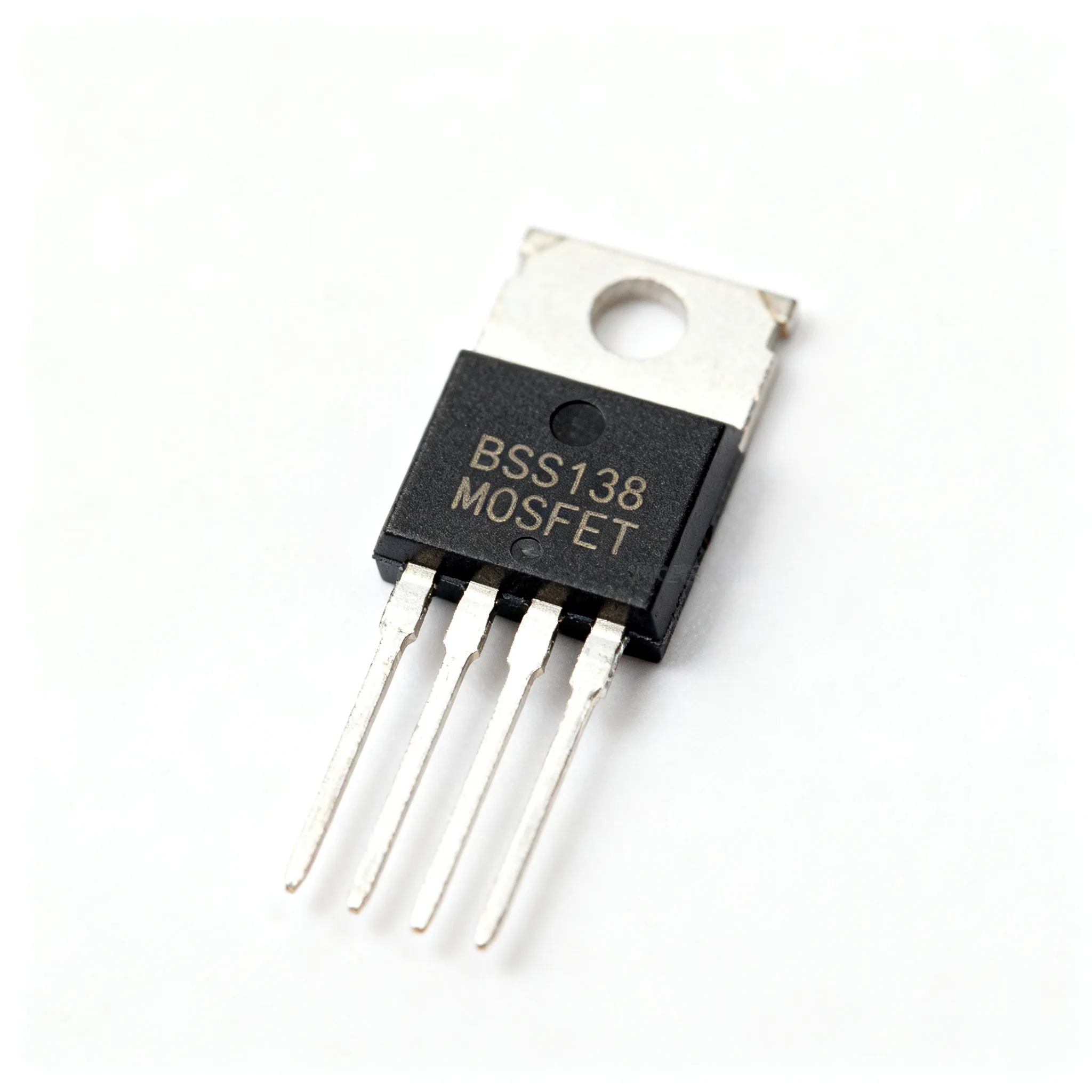
Now, let's switch from people to parts. A resistor is a fundamental electrical component. You will find it in nearly every electronic device you own. Its job is simple but critical for making electronics work correctly. The definition and meaning of this part are key to understanding electronics.
The Definition of an Electrical Resistor:
The basic definition of a resistor is a passive electrical component with two terminals. Physics formally defines its resistance as the ratio of the voltage applied across it to the current flowing through it. This relationship is known as Ohm's Law. In simple terms, it is a component in electrical circuits designed specifically to resist the flow of electricity.
The Function in a Circuit:
You can think of a resistor as a bottleneck for electricity. It acts like a control valve in the path of an electrical current, restricting the movement of electrons. This function is crucial for several reasons:
- Current Control: It limits or regulates how much current flows through circuits.
- Voltage Division: It helps components get the correct voltage by creating a "voltage drop."
- Component Protection: It protects sensitive parts, like LEDs, from receiving too much power.
By resisting the current, this electrical component converts some electrical energy into heat, ensuring other parts of the circuit operate safely and effectively.
Examples in Context
To understand its practical definition and meaning, let's look at some real-world context.
In a simple DIY project, you might build an LED circuit with a 9V battery. The LED cannot handle that much power directly. You must add a resistor to limit the current and prevent the LED from burning out instantly.
This same principle applies to complex consumer electronics. Your smartphone, television, and computer all contain thousands of tiny resistors. They manage power, protect sensitive microchips, and ensure signal integrity. Specialized firms like Nova Technology Company (HK) Limited, a HiSilicon-designated solutions partner, rely on the precise function of these components to develop sophisticated systems. This shows how a simple component in electrical circuits is essential for both hobbyist projects and cutting-edge technology.
Resister vs. Resistor: The Key Differences
You now understand the individual definitions. Let's put them together to master the key differences. Grasping these distinctions will ensure you always choose the right word. The main difference between the two is straightforward once you see them side-by-side.
The Core Difference: Person vs. Object
The most fundamental difference is what each word describes. One is a living being, and the other is an inanimate object.
- A resister is a person who pushes back, resists, or stands against something.
- A resistor is an electrical component in a circuit that controls the flow of current.
This person-versus-object distinction is the primary rule you should remember. For a clearer side-by-side comparison, look at this table:
| Term | Nature | Context | Function |
|---|---|---|---|
| Resister | A person who opposes something | Political and social contexts | Challenges the status quo, engages in civil disobedience |
| Resistor | An electronic component | Electronic devices | Controls electrical current, protects other components |
Context: Metaphorical vs. Physical
The context of your sentence is your best guide for choosing between resister or resistor. The importance of context cannot be overstated. One word describes a metaphorical action, while the other describes a physical function.
A resister engages in metaphorical or social resistance. Think of a group dialogue where certain individuals create "resistance" to the flow of ideas. Their opposition is conceptual. In contrast, a resistor provides physical resistance. Its function is like the friction that makes a lightbulb filament glow, converting electrical energy into heat and light.
Imagine an electronics company sends an email advertising "brave new resisters for sale." Activists might think the company is selling political merchandise. Engineers, however, would be confused and disappointed. This simple mistake shows that context makes all the difference.
This side-by-side comparison highlights how context shapes meaning:
| Feature | Resister | Resistor |
|---|---|---|
| Meaning | A person who opposes or resists | Electrical component that limits current |
| Field of Use | Politics, history, activism | Electronics, engineering |
| Example | “She’s a resister of unfair laws.” | “The resistor prevents excess current.” |
Ultimately, when you face the choice of resister or resistor, remember that context makes all the difference.
Spelling: The '-er' vs. '-or' Suffix
The final difference lies in the spelling. The suffixes -er and -or often provide a clue. While not a perfect rule in English, it works well in the resister vs. resistor debate.
However, you might find rare or older texts that break this rule. For example, some dictionaries note that 'resistor' can be an archaic term for a person who resists.
Wiktionary defines 'resistor' as 'one who resists, especially a person who fights against an occupying army.'
To avoid confusion in modern writing, you should ignore this exception. For clarity and correctness today, the distinction is firm. Always associate the -er spelling with a person and the -or spelling with the electronic part. This simple spelling difference is your final key to mastering these words.
How to Remember the Difference
You now know the definitions. The next step is to lock in that knowledge. You can use a few simple memory tricks to make choosing the right word second nature. These techniques will help you avoid common errors and write with confidence.
The Suffix Memory Trick:
The easiest way to remember the difference between these words is to look at their endings. The suffixes -er and -or are your biggest clues. In English, the -er suffix often refers to a person who performs an action.
- A teacher is a person who teaches.
- A worker is a person who works.
- A painter is a person who paints.
Following this pattern, a resister is a p**er**son who resists.
Conversely, the -or suffix frequently denotes a thing, device, or machine. This is especially true in technical fields.
- A motor is a machine that produces motion.
- A sensor is a device that detects changes.
- A conductor is a material that allows electricity to pass through.
Similarly, a resistor is a device used in electronics. This simple suffix difference is a reliable guide for correct usage.
Choosing 'Resister or Resistor' Correctly:
When you face the choice of resister or resistor, you might feel unsure. Relying on spellcheck is a common mistake. Your computer will not flag an error because both words are spelled correctly. You must rely on context to make the right choice.
Using the wrong word can create serious confusion. This is especially true in technical documents or professional emails. It can make your writing appear unprofessional.
Follow these steps to ensure you always get it right:
- Ask "Person or Part?": First, identify what you are describing. Is it a person standing against something? Use resister. Is it an electronic component? Use resistor.
- Check the Context: Look at the surrounding words. If you see terms like circuit, LED, current, or electronics, the correct word is almost certainly resistor. If you see words like activist, protest, policy, or opposition, you need resister.
- Proofread Manually: Always read your writing one last time. Do not trust your spellchecker to understand the resister vs. resistor difference. A quick manual check is your best defense against this common error.
A Simple Mnemonic Device:
Memory experts know that mnemonic devices help move information from your short-term memory to your long-term memory. Techniques like acronyms (think HOMES for the Great Lakes) make facts stick. You can use a similar tool to master this spelling challenge.
The key is to connect the unique letters in each word to a memorable concept. For this specific difference, you can use a simple and effective phrase.
A resistER is a pERson; a resistOR is for an electrOnic motOR.
This mnemonic device connects the ER in resister to the ER in person. It also links the OR in resistor to words associated with objects and electronics, like motor. Repeat this phrase a few times. It will create a strong mental link that makes choosing between resister or resistor automatic.
You now understand the clear difference between these two words. The main difference is simple: a resister is a person, while a resistor is an electrical component. This distinction shows why getting it right matters for clarity in your writing. Correct usage prevents confusion and makes your communication more professional.
Remember the memory trick: A resistER is a pERson, and a resistOR is for an electronic motOR.
This simple rule ensures clarity and helps you master their use. You are now equipped to choose the right word with confidence every time.
FAQ
Why is understanding homophones so important?
Understanding homophones helps you avoid common mistakes in writing. Using the wrong word can change your entire meaning. This knowledge prevents confusion and makes your writing clear. These words that sound the same often create simple but serious mistakes.
What are other common homophone examples?
Many homophones cause frequent confusions. You might see mistakes with words like:
their,there, andthey'reto,too, andtwoyourandyou're
Learning these pairs helps you write more accurately.
Can I trust spellcheck to catch this mistake?
No, you cannot rely on spellcheck for homophones. Both "resister" and "resistor" are real words with correct spellings. Your software will not know the correct context. Using the wrong word is a mistake that only a human can catch.
Does the definition of resistor change in different circuits?
The basic definition of a resistor does not change. It always resists electrical current. However, its specific value and type will vary. Engineers choose different resistors for different circuits to control electricity precisely. The function in all circuits remains the same.