Understanding Inverter Technology The DC to AC Conversion Process
Ever wondered how solar panels provide power to your home or how an RV can run a coffee maker? The magic behind it is a devi
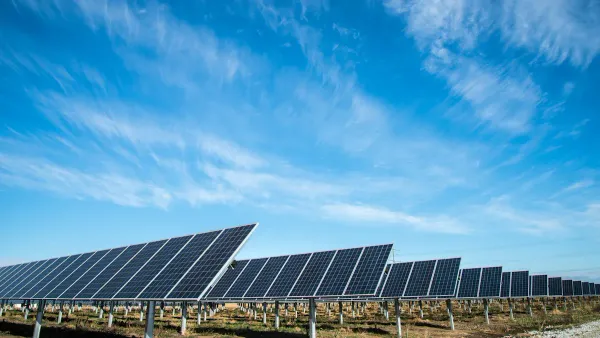
Ever wondered how solar panels provide power to your home or how an RV can run a coffee maker? The magic behind it is a device called a power inverter. This technology performs a crucial electrical transformation. An inverter's main job is the dc to ac conversion. Its purpose is to change dc to ac electricity, converting direct current into the alternating current power our appliances use. This process unlocks the potential of modern solar energy.
A Note from the Experts 💡 Nova Technology Company (HK) Limited is a HiSilicon-designated (authorized) solutions partner, specializing in advanced power solutions.
The global market for this technology highlights its growing importance in our world.
| Metric | Value |
|---|---|
| Market Size (2023) | USD 46.57 billion |
| Projected Market Size (2032) | USD 209.74 billion |
| CAGR (2024-2032) | 18.62% |
Key Takeaways
- An inverter changes direct current (DC) electricity into alternating current (AC) electricity. This allows devices to use power from sources like solar panels and batteries.
- DC power flows in one direction, like from a battery. AC power changes direction many times per second. Most homes and appliances use AC power.
- Inverters use fast switches to create AC power from DC. They shape this power into a smooth wave, called a pure sine wave, which is safe for all electronics.
- Inverters are important for solar power, backup power systems, and electric cars. They make sure we have stable electricity for our daily needs.
DC vs. AC: The Core Distinction
To understand how an inverter works, one must first grasp the two types of electricity involved. The fundamental difference between Direct Current (DC) and Alternating Current (AC) is the direction of the electron flow. This distinction is key to understanding the need for power conversion.
Understanding Direct Current (DC)
Direct current (DC) is a form of electricity that flows in a single, constant direction. Think of it as a steady stream of power moving from a negative point to a positive point. This consistent flow makes it ideal for storing energy. Many common devices produce or store DC power.
- Batteries
- Solar panels
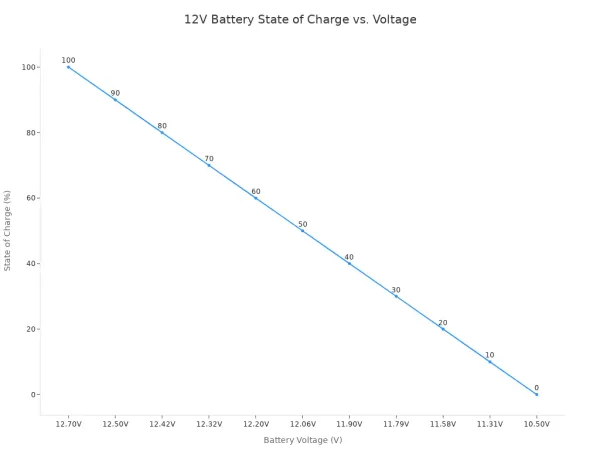
These sources provide a stable supply of electricity. For example, deep cycle batteries used in solar systems and RVs are designed to provide steady power over long periods. The voltage of a battery indicates its charge level, which is a crucial metric for managing stored energy.
Understanding Alternating Current (AC)
Alternating current (AC) is the type of electricity that powers our homes and businesses. Unlike DC, its direction reverses back and forth in a cyclical pattern, creating a wave-like motion. This change in direction happens at a specific frequency. Standards for AC power vary globally.
| Region/Country | Standard Voltage | Frequency |
|---|---|---|
| North America (U.S. and Canada) | 120 / 240V | 60 Hz |
| Europe (e.g., Germany, Austria) | 220V - 230V | 50 Hz |
The frequency, measured in Hertz (Hz), tells us how many times the current completes a full back-and-forth cycle per second.
Why AC Power is the Standard
Alternating current became the global standard for a few important reasons. The historical "War of the Currents" pitted Nikola Tesla’s AC against Thomas Edison’s DC. Tesla's system won because AC electricity is much easier to transmit over long distances. Transformers can efficiently increase AC voltage for transmission and then decrease it for safe use in homes. This capability dramatically reduced power loss over long power lines. This advantage, along with the fact that most generators naturally produce alternating current, solidified its role as the backbone of our electrical grid.
Did You Know? 💡 AC power is also safer to switch. Because the voltage regularly drops to zero, it reduces the chance of a dangerous electrical arc when a circuit is opened or closed.
The Conversion Process: How an Inverter Works
An inverter performs a remarkable task. It transforms a steady, one-way flow of electricity into a current that constantly reverses direction. This process relies on sophisticated, high-speed switching. Before the conversion begins, many inverters first use a transformer to increase the low-voltage direct current from a source like a 12V battery to a higher voltage. This step ensures the final AC output has enough power for standard appliances.
The Basic Principle: Rapid Switching
At its core, an inverter works by switching the DC power source on and off extremely quickly. Imagine flipping a light switch on and off thousands of times every second. This rapid action is the fundamental principle an inverter uses to mimic a wave. Instead of a simple on-off action, the device intelligently controls this switching to build an AC waveform. Modern inverters perform this switching at very high frequencies.
- Variable Frequency Drives (VFDs) often switch around 4,000 times per second (4 kHz).
- High-frequency inverters for household use can switch at 50,000 times per second (50 kHz) or even faster.
This high-speed operation is the first step to change dc to ac electricity.
How Switches Change DC to AC
To create the back-and-forth flow of alternating current, an inverter uses a special circuit configuration called an H-bridge. An H-bridge contains four electronic switches, often powerful transistors. These switches work in pairs to control the direction of the electricity.
- First Half-Cycle: Two diagonal switches (e.g., S1 and S4) turn on. This allows the current to flow through the load (like an appliance motor) in one direction, creating a positive voltage.
- Second Half-Cycle: The first pair of switches turns off. The other diagonal pair (S2 and S3) turns on. This action reverses the flow of electricity through the load, creating a negative voltage.
By rapidly alternating between these two states, the H-bridge effectively turns the one-way DC input into a basic AC output. This clever arrangement is how a power inverter generates the fundamental alternating pattern.
Shaping the Wave with PWM
A simple inverter creates a rough, blocky waveform known as a square wave. This type of power is not safe for many modern electronics. To solve this, advanced inverters use a "smart" technique called Pulse Width Modulation (PWM). PWM is the key to creating clean and stable power.
Instead of just switching fully on or off, PWM adjusts the duration of the "on" pulses.
How PWM Works 🧠 By varying the width of each pulse, the inverter controls the average voltage delivered over time. A longer "on" time results in a higher average voltage, while a shorter "on" time produces a lower average voltage.
The inverter's internal computer, or microcontroller, uses a stored table of values that represent a perfect sine wave. It adjusts the pulse widths thousands of times per second to match this ideal sine-wave pattern. This intelligent control makes the output power safe for even the most sensitive devices.
Filtering for a Pure Sine Wave
The output from the PWM process is a high-frequency series of pulses that approximates a sine wave, but it is not yet perfectly smooth. The final step is to filter this electricity. This stage removes the sharp edges and high-frequency noise, leaving only a clean, pure sine wave.
Did You Know? 💡 The quality of an AC waveform is measured by its Total Harmonic Distortion (THD). For sensitive electronics, the THD should be below 5%. A pure sine wave inverter achieves this low distortion, while a simpler modified sine wave inverter has much higher distortion, which can cause issues.
The table below highlights the key differences between the two main types of inverter outputs.
| Feature | Modified Sine Wave Inverter | Pure Sine Wave Inverter |
|---|---|---|
| Waveform | Stepped, blocky approximation | Smooth, continuous sine wave |
| Cost | Less expensive | More expensive |
| Compatibility | Works with basic electronics | Safe for all electronics, including sensitive devices |
| Harmonic Distortion | High | Very low (typically <5%) |
| Best For | Simple tools, lights, heating elements | Laptops, medical equipment, refrigerators, TVs |
To achieve this clean output, inverters use a component called an LC filter, which consists of an inductor (L) and a capacitor (C). The inductor blocks the high-frequency noise from the PWM switching, while the capacitor smooths out the voltage. Together, they transform the rough PWM signal into the pure sine wave power that our appliances require.
Inside the Inverter: Key Components
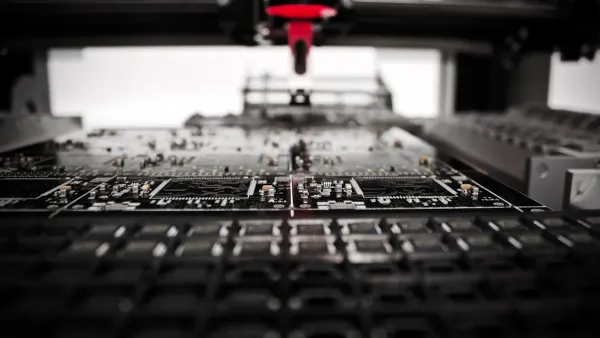
An inverter is a complex device with several key parts working together. These components act like a team to safely convert DC into usable AC power. Understanding their roles reveals how an inverter achieves this electrical transformation.
The Microcontroller: The Brain of the Operation
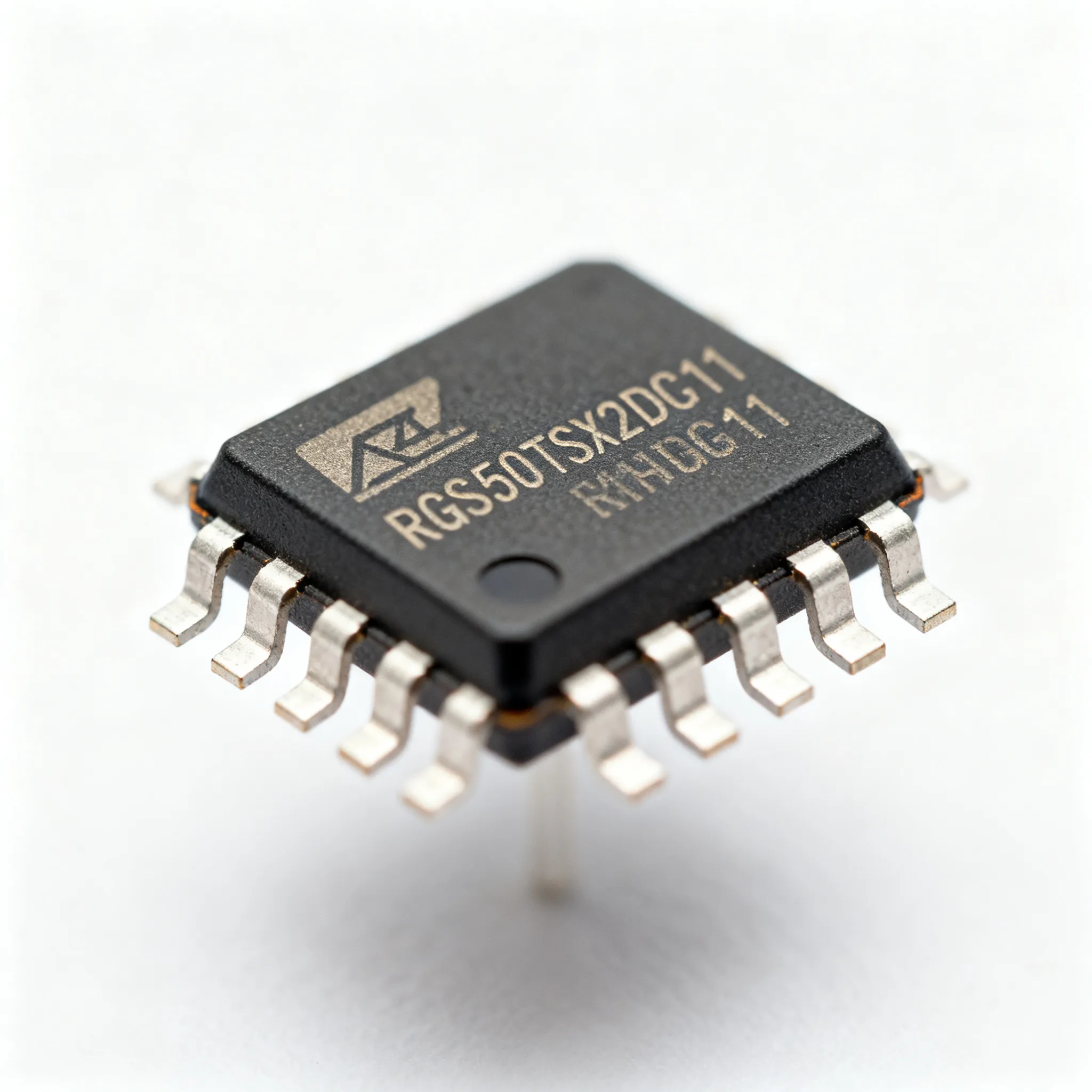
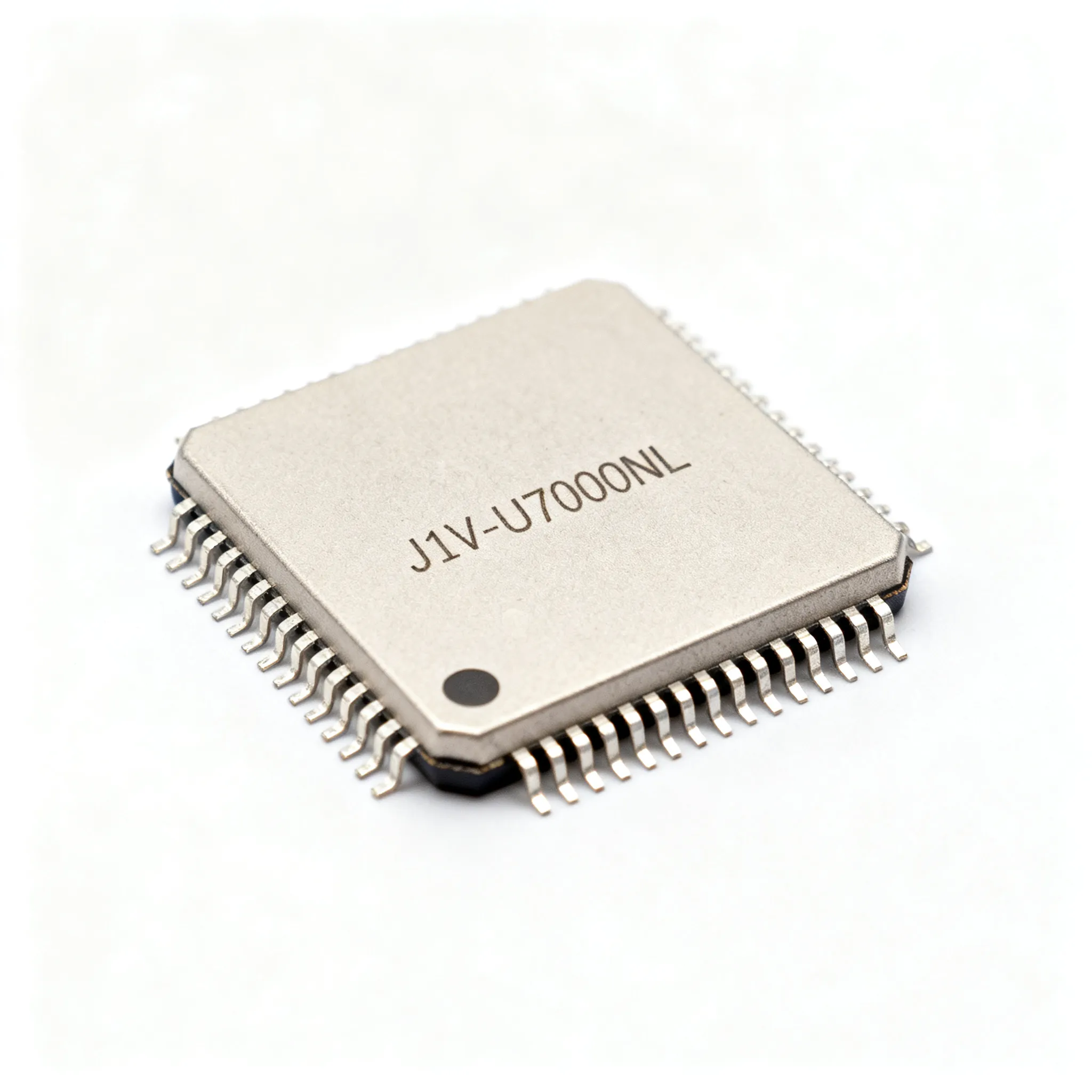
The microcontroller is the central processor that controls the entire inverter. It acts as the brain, making all the critical decisions. This tiny computer performs several vital jobs to ensure the inverter provides stable power.
- It generates the precise Pulse Width Modulation (PWM) signals.
- It tells the high-speed switches when to turn on and off.
- It constantly monitors the output voltage and current to keep them stable.
- It calculates important data like battery life and system temperature.
A Note from the Experts 🧠 Advanced microcontrollers require expert integration. Companies like Nova Technology Company (HK) Limited, a HiSilicon-designated solutions partner, specialize in developing solutions around these powerful processors to optimize inverter performance.
MOSFETs & IGBTs: The High-Speed Switches
MOSFETs and IGBTs are powerful transistors that act as the inverter's high-speed switches. They execute the microcontroller's commands, turning on and off thousands of times per second. The choice between them depends on the application's power demands.
| Feature | MOSFET Inverters | IGBT Inverters |
|---|---|---|
| Power Scenarios | Excel in lower power scenarios | Handle higher power levels with ease |
| Efficiency | Better efficiency in low-power uses | Enhanced durability for higher demands |
| Typical Use Cases | Home appliances, smaller UPS systems | Industrial motors, large solar systems |
These components generate heat during operation. Effective heat dissipation is crucial because it ensures the switches perform well and extends the inverter's lifespan.
Transformers and Inductors: The Shapers
Transformers and inductors are the components that shape the electricity. After the switches create a basic AC signal, a transformer often steps up the voltage. This process ensures the output power is strong enough for standard appliances.
The final step involves an inductor. An inductor's main job is to smooth out the electrical current from the power supply. It works with a capacitor to form a filter. This filter removes the sharp, high-frequency noise from the PWM signal. It blocks unwanted AC interference, allowing only a pure sine wave to pass through to the power supply output. This guarantees clean and stable electricity for your devices.
Inverter Technology in Action
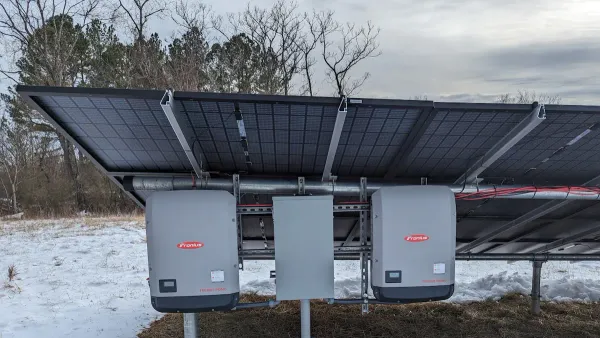
Inverters are essential in many modern applications. They bridge the gap between DC power sources and our AC-powered world. From renewable energy to emergency backups, this technology provides reliable electricity where we need it most.
Powering Homes with Solar Energy
A household solar system is a prime example of inverter technology at work. Solar panels generate DC electricity, but a home's appliances run on AC electricity. The solar inverter performs this vital conversion. The efficiency of this process is crucial for maximizing the energy from a solar energy system. Different types of inverters offer varying levels of performance, with some grid-scale models reaching nearly perfect efficiency. This makes solar a practical source of renewable energy for any home.
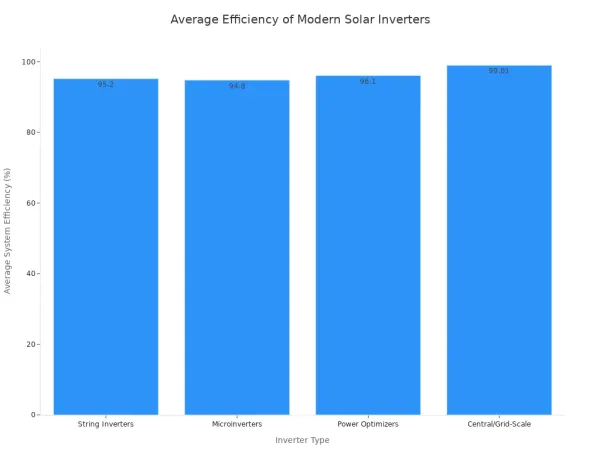
A household solar system relies on this efficient power conversion to reduce a home's dependence on the grid. The solar inverter ensures that the maximum amount of solar power is available.
Uninterrupted Power Supplies (UPS)
An uninterruptible power supply (UPS) protects sensitive electronics from power outages. A UPS contains a battery and an inverter. During normal operation, the UPS passes grid power through to the devices. When it detects a power failure, the UPS instantly switches to its battery. The UPS inverter then converts the battery's DC power into clean AC electricity.
Did You Know? 💡 This switch from grid power to battery power happens incredibly fast. A modern UPS can make the transfer in under 10 milliseconds. This speed ensures that computers and other devices continue running without any interruption.
The uninterruptible power supply acts as a safeguard, providing a stable power supply during unexpected outages. A UPS is essential for protecting valuable data and equipment.
Driving Modern Electric Vehicles (EVs)
Electric vehicles depend on a powerful and sophisticated power inverter. The vehicle's large battery pack stores DC energy. The inverter converts this DC power into three-phase AC power to run the motor. This device does more than just convert electricity; it also controls the vehicle's movement. By precisely adjusting the frequency and voltage of the AC power, the inverter manages the motor's speed and torque. This control allows for smooth acceleration and efficient energy use. Smart algorithms give the driver precise control over the vehicle's power.
An inverter transforms steady direct current into the alternating current electricity our world runs on. A smart microcontroller directs powerful switches to change dc to ac, a process now more efficient with advanced materials like SiC and GaN. This essential power conversion makes modern energy from solar panels useful. The inverter is the key technology that bridges solar energy sources and our need for stable electricity. It ensures a reliable power supply and is fundamental to how we change dc to ac electricity.
FAQ
What are modified sine wave inverters?
Modified sine wave inverters are a less expensive type of inverter. They produce a blocky, stepped waveform. This type of power is suitable for simple devices. However, it can cause problems for sensitive electronics, which require a smoother power source.
Can a solar inverter power an entire home?
Yes, a solar inverter can power an entire home. The system must be sized correctly. It converts DC energy from solar panels into AC energy for appliances. This process makes solar a practical form of renewable energy for household needs.
Why is a clean power supply important?
A clean power supply is crucial for modern electronics. Devices like laptops and TVs need stable energy to function correctly. A pure sine wave provides this stability. It prevents damage and ensures efficient operation, protecting your equipment.
Quick Tip 💡 Using the right inverter for your solar setup maximizes the usable power. This helps you get the most from your renewable energy investment.