What Is a Stator and Its Importance in Electric Motors?
The stator is the essential stationary part of an electric motor. Its main job is to create a magnetic field that
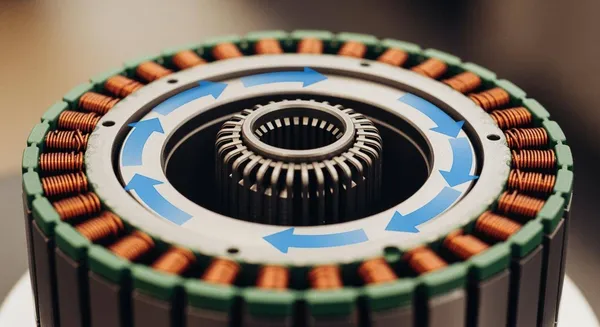
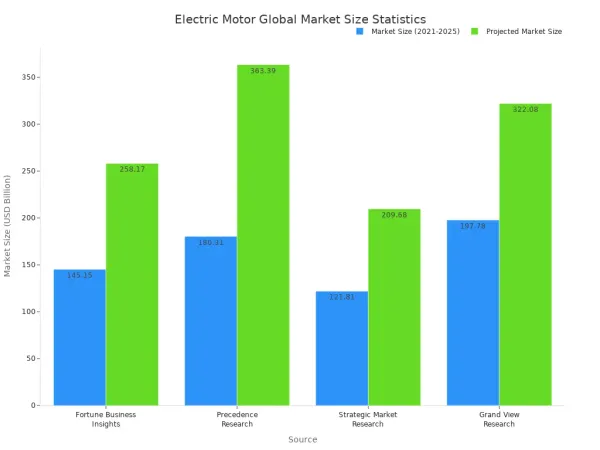
The stator is the essential stationary part of an electric motor. Its main job is to create a magnetic field that provides the power for motion. This field interacts with the motor's rotating part, forcing it to spin. The performance of this key component is critical, as electric motors account for over 50% of global energy consumption. The stator's quality directly influences motor efficiency, a vital factor in a rapidly expanding market.
The relationship between the stator and the rotor is fundamental to how all electric motors work.
Key Takeaways
- The stator is the part of an electric motor that does not move. It creates a magnetic field that makes the motor's spinning part, called the rotor, turn.
- The stator has a core made of thin metal sheets and copper wires called windings. These parts work together to make the magnetic field and help the motor run well.
- The stator's design affects how powerful and efficient an electric motor is. Better stator parts mean the motor uses less energy and lasts longer.
- Engineers improve stators by using special materials and designs. This helps make electric motors stronger, more efficient, and more reliable for many uses, like in cars and factories.
How a Stator Creates Motion
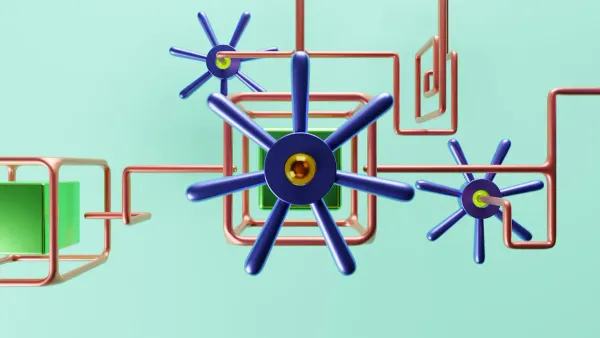
The magic of an electric motor lies in turning electricity into movement. This process begins with the stator, the motor's stationary powerhouse. The fundamental functionality in electric motors relies on the precise collaboration of the stator and rotor to convert electrical energy into useful mechanical work.
The Stationary Part of an Electric Motor
The stator serves as the fixed foundation within all electric motors. Its name comes from the word "stationary" because it does not move. The stator’s primary job is to create a magnetic field. It consists of two main parts: a core made of thin, stacked steel sheets (laminations) and copper wires coiled around it, known as windings. By remaining still, the stator provides a stable platform for the powerful electromagnetic forces that drive the motor.
Generating a Rotating Magnetic Field
While the stator itself is stationary, it produces a magnetic field that rotates. This is a key concept in how most AC electric motors operate. Here is how it happens:
- An alternating current (AC) from a power source flows into the stator's copper windings.
- This electric current generates a magnetic field around the windings.
- Because the AC power supply continuously alternates its direction, the magnetic field it creates also changes, effectively rotating around the inner circumference of the stator.
The speed of this rotating magnetic field is called synchronous speed. It is determined by the frequency of the AC power supply (measured in Hertz, Hz) and the number of magnetic poles in the stator design. The relationship is defined by a simple formula:
Synchronous Speed (RPM) = (120 x Frequency) / Number of Poles
This means that for a given frequency, more poles result in a slower rotating field and a slower motor. For example, with a 60 Hz power supply:
- A 2-pole stator creates a field rotating at 3600 RPM.
- A 4-pole stator creates a field rotating at 1800 RPM.
This principle allows engineers to design electric machines with specific speed and power characteristics, a cornerstone of modern stator technology.
Interaction Between Stator and Rotor
The stator’s rotating magnetic field is what forces the rotor (the rotating part) to spin. This interaction is based on a fundamental principle of magnetism: opposite poles attract, and like poles repel.
Think of it like trying to push two opposing magnets together. You can feel a powerful force pushing them apart. The stator uses electricity to create a sequence of these magnetic "pushes" that continuously force the rotor to turn, much like a runner on a treadmill trying to keep pace with a moving light pattern.
When the stator's magnetic field sweeps past the rotor, it induces a magnetic field in the rotor as well. According to Lenz's Law, this new rotor field will oppose the stator's field. This opposition creates a force, or torque, that pushes the rotor away from the stator's field. As the stator's field continues to rotate, it constantly "pulls" and "pushes" the rotor along, causing it to spin and generate mechanical power. This generation of electromagnetic torque is the ultimate goal of the motor.
The exact nature of this interaction can vary. For instance:
- In an AC induction motor, the stator's field induces a current in the rotor's conductive bars, creating the rotor's magnetic field.
- In a Brushless DC (BLDC) motor, the stator's electromagnets interact with permanent magnets located on the rotor, with an electronic controller precisely managing the stator's current to optimize performance and efficiency.
Ultimately, the seamless interaction between the stator and rotor is what drives countless devices, from household fans to the complex machinery in electric vehicles.
The Stator and Its Core Components
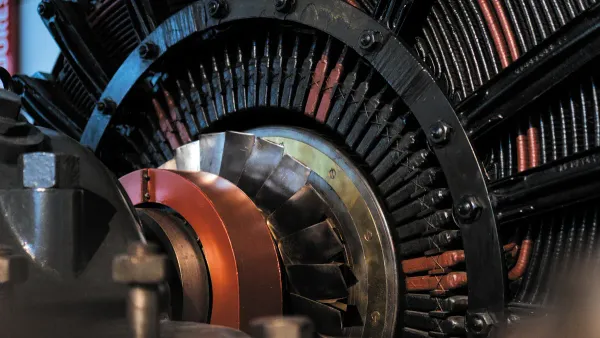
A stator is more than just a single part; it is an assembly of critical components working together. The quality of each piece directly impacts the performance and efficiency of electric motors. The three primary components of the stator are the core, the windings, and the frame.
The Stator Core
The stator core forms the main body of the stator and provides a path for the magnetic field. To maximize motor performance, manufacturers build the stator core from thin, stacked sheets of metal called laminations instead of a solid block. This specific electric motor design choice is crucial for efficiency.
These laminations, typically made of silicon steel, are insulated from one another. This construction dramatically reduces energy losses.
- It minimizes eddy currents, which are wasteful circulating currents that generate excess heat.
- It lowers hysteresis loss, which is energy lost during the rapid magnetization and demagnetization cycles.
- It improves heat dissipation, helping the motor run cooler and more reliably.
This advanced stator technology helps prevent overheating and boosts overall motor efficiency.
The Stator Windings
The stator windings are coils of insulated wire inserted into slots in the stator core. When electricity passes through this winding, it generates the powerful rotating magnetic field. The choice of winding material for the stator windings is a balance between cost and performance. Copper offers superior conductivity, but aluminum presents a significant cost advantage.
A pound of aluminum has roughly double the current-carrying capacity of a pound of copper but can cost as little as one-quarter the price. This makes aluminum an attractive option for many commercial electric motors where cost is a key factor.
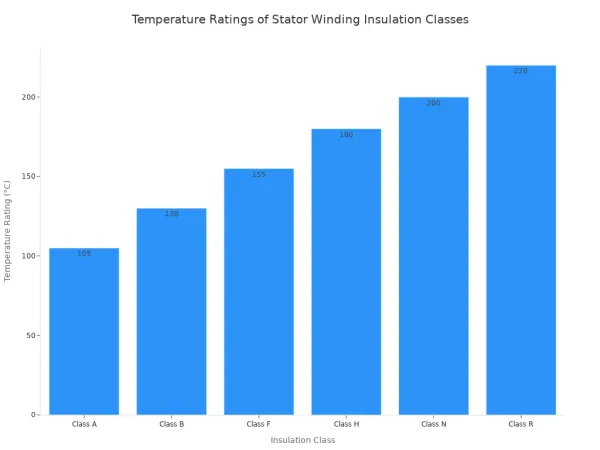
Proper insulation is vital for the winding to prevent short circuits and ensure safety. Manufacturers classify insulation systems based on their maximum continuous temperature rating. These high-efficiency windings are essential for a durable motor.
| Insulation Class | Temperature Rating (°C) |
|---|---|
| Class A | 105 |
| Class B | 130 |
| Class F | 155 |
| Class H | 180 |
| Class N | 200 |
The Stator Frame
The stator frame, or housing, is the outer casing that holds the stator core and stator windings securely in place. It also protects the internal components from moisture, dirt, and physical damage. Common materials for the frame are cast iron and aluminum. Cast iron provides high strength and durability, making it ideal for demanding industrial environments. Aluminum is lightweight and excellent at dissipating heat, which is beneficial for applications where weight and cooling are priorities. The stator and its frame are foundational to the motor's structural integrity.
Impact on High Efficiency Electric Motors
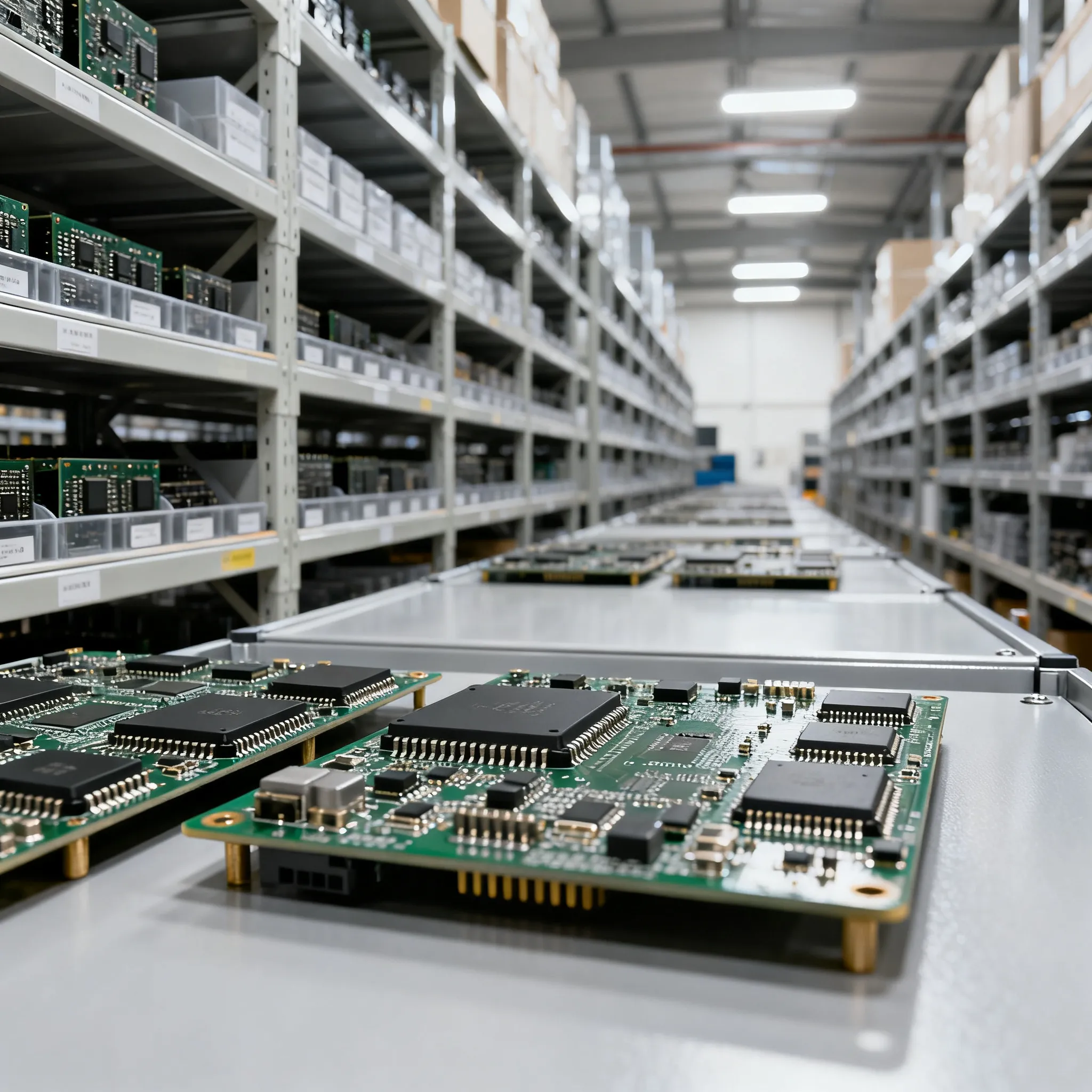
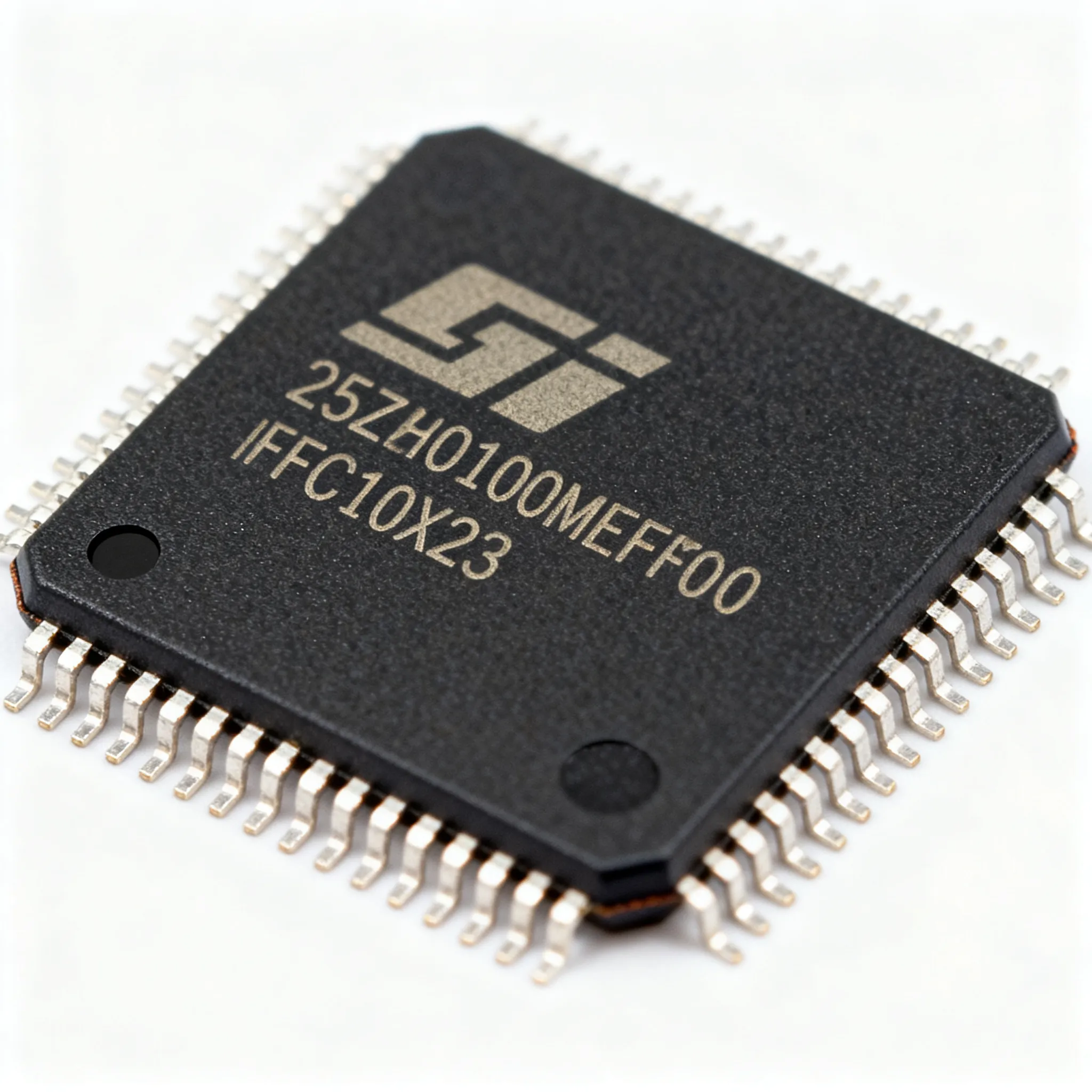
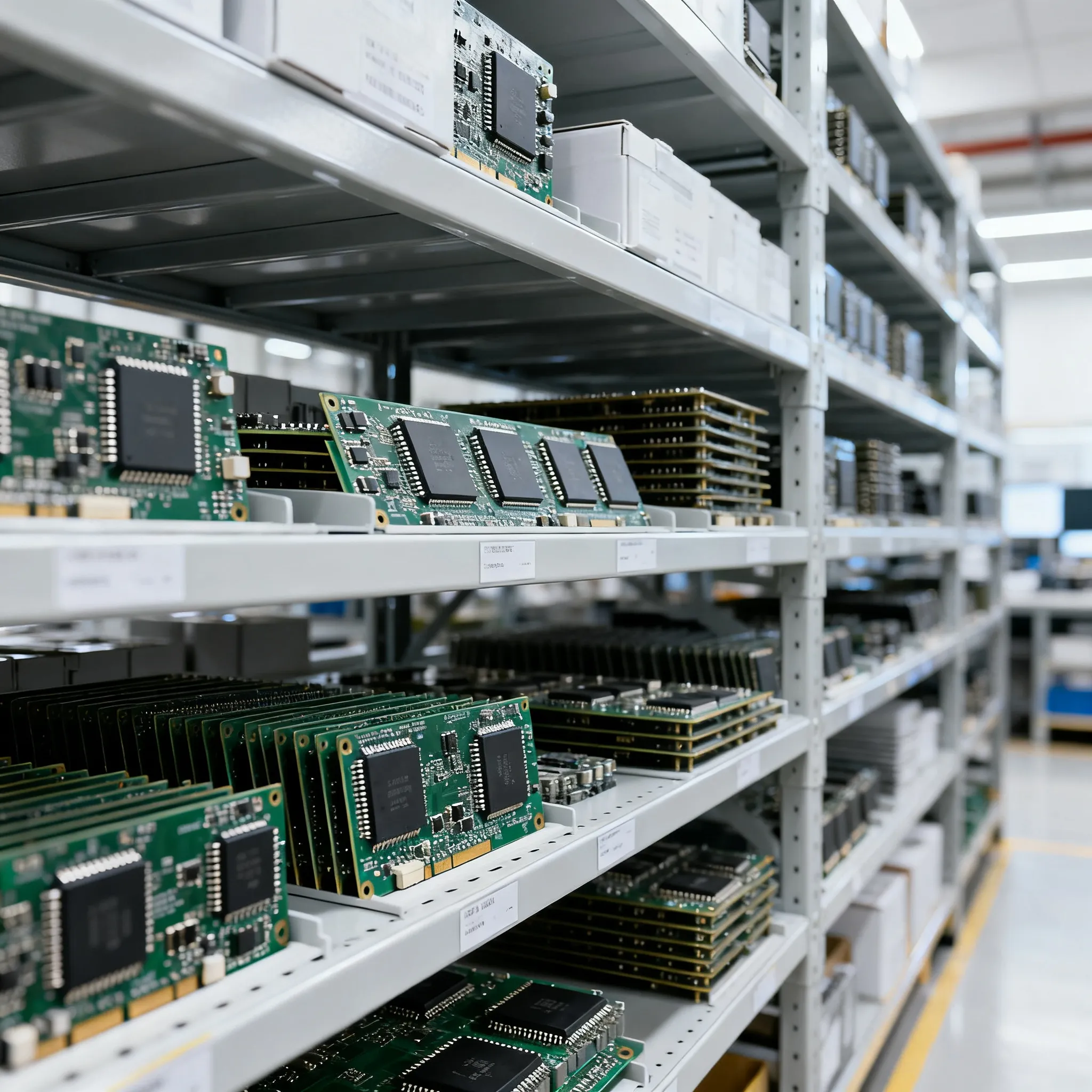
The design and material quality of a stator directly govern the performance of high efficiency electric motors. While the physical construction of the stator determines a motor's potential for power and efficiency, unlocking that potential requires sophisticated electronic control. Advanced integrated circuit (IC) solutions provide the intelligence needed to precisely manage the electrical currents flowing into the stator windings. In this field, companies like Nova Technology Company (HK) Limited, a HiSilicon-designated solutions partner, play a crucial role. They provide the advanced chip-level systems that are essential for controlling and maximizing the performance, efficiency, and reliability of modern electric machines, ensuring the stator operates at its peak capability.
Role in Motor Power and Torque
The stator's primary role in creating a magnetic field is the foundation of motor power and torque. A stronger magnetic field generates a greater electromagnetic force on the rotor, resulting in higher torque. Engineers fine-tune stator design to maximize this output. The geometry of the stator slots, for instance, has a direct impact on performance.
- Slot Dimensions: The width and depth of the slots determine how much copper winding can be used. More copper allows for higher current, which can boost torque and power.
- Slot Opening: The size of the opening at the top of the slot influences the magnetic flux distribution. A well-designed opening reduces unwanted torque ripple, known as cogging torque, leading to smoother operation.
- Pole Count: Increasing the number of magnetic poles in the stator provides more opportunities for the magnetic field to interact with the rotor, which increases torque output.
A critical factor in achieving high torque is minimizing the air gap between the stator and rotor. Research shows that even a 10-micrometer reduction in this gap can increase torque by about 5%.
Different winding configurations also allow for tailored performance. Concentrated windings are ideal for applications needing strong starting torque, like power tools, while distributed windings create a smoother field for precision machinery. These advancements in stator technology enable the creation of powerful and compact lightweight electric motors.
Influence on Energy Efficiency
The stator is a major focal point for improving energy efficiency in electric motors. A poorly designed stator can waste a significant amount of electricity as heat. These energy losses primarily fall into two categories:
- Copper Losses (~35%): This is heat generated by electrical resistance as current flows through the stator windings.
- Core Losses (~25%): These are caused by the rapid cycling of the magnetic field within the stator's steel laminations.
Manufacturers of high efficiency electric motors combat these losses through superior stator technology and materials. To reduce core losses, they use high-grade silicon steel with very thin laminations. Replacing standard 0.5 mm laminations with thinner 0.35 mm sheets significantly cuts down on energy waste, helping a motor achieve premium efficiency ratings like IE3 and IE4. Increasing the winding density with larger diameter wire also lowers electrical resistance, further boosting efficiency.
These improvements have a tangible impact on sustainability. For example:
- Electric Vehicles (EVs): Automakers like Tesla, Nissan, and BMW use advanced stator lamination technology to reduce energy losses, which directly translates to a longer driving range per charge. In one innovative project, a stator made from Soft Magnetic Composite (SMC) materials was shown to reduce eddy currents, helping the motor run cooler and extending battery life.
- Industrial Machinery: An efficient motor consumes less electricity to do the same amount of work, lowering operational costs and reducing the carbon footprint of factories and processing plants. This focus on energy efficiency is key to developing sustainable electric motors.
Contribution to Motor Reliability
The durability of the stator is fundamental to the overall lifespan and reliability of a motor. Stator failures are a leading cause of motor breakdowns and can halt critical operations. Most failures trace back to one primary vulnerability: the winding insulation. In fact, studies have shown that electrical insulation damage accounts for as much as 56% of failures in some electric machines.
Common failure modes related to the stator include:
- Winding Defects: Short circuits between winding turns, often caused by insulation breakdown. This is a common issue in motors connected to variable frequency drives (VFDs), which can generate damaging high-frequency currents.
- Ground Faults: A breakdown of the insulation between the winding and the stator core, causing current to leak to the motor frame.
- Contamination: Moisture, oil, or dirt can degrade insulation over time, leading to failure.
To ensure long-term reliability, proper stator winding insulation is non-negotiable. It prevents current leakage and short circuits, ensuring the motor operates safely. During manufacturing, stators undergo a series of rigorous quality control tests to verify their integrity. These tests include:
| Test Name | Purpose |
|---|---|
| Insulation Resistance (IR) Test | Measures insulation health to detect moisture or contaminants. |
| Surge Comparison Test | Identifies weak turn-to-turn insulation before it can fail. |
| Partial Discharge (PD) Test | Detects microscopic electrical sparks that signal early insulation decay. |
| Core Loss Test | Checks for shorted laminations in the stator core that cause hot spots. |
This meticulous approach to electric motor design and testing ensures the stator and its components can withstand the stresses of operation for years, contributing to the motor's overall power, performance, and sustainability.
The stator is the stationary heart of all electric motors. The quality of this key component directly determines the motor's power, efficiency, and reliability. Modern stator technology enables high performance in everything from electric vehicles to industrial machinery. The stator and its design are fundamental to the function of advanced electric motors, making the stator a critical part of modern electric motors.
FAQ
What is the primary function of a stator?
A stator is a key component that does not move. Its main job is to create a magnetic field using its copper winding. This field provides the force needed to spin the rotor. The stator essentially helps convert electrical energy into rotational motion.
How does a stator winding differ in AC vs. DC electric motors?
In AC electric motors, the stator winding receives alternating current to produce a rotating field. In many DC electric machines, the stator winding creates a stationary field, while the rotor winding (armature) rotates within it. The design of the stator winding is specific to the motor type.
Why is the stator core made of thin, stacked metal sheets?
The stator core uses thin laminations to reduce energy loss. This construction minimizes wasteful currents and heat, improving efficiency and contributing to sustainability. This stator design prevents the winding from overheating and boosts performance, which is a goal of modern stator technology.
How does stator design impact motor torque?
The electric motor design of a stator directly influences torque. More copper in the winding allows for a stronger field, increasing electromagnetic torque. The number of poles and the shape of the winding slots also fine-tune torque output for specific applications.
What are the latest advancements in stator technology?
Advancements in stator technology focus on new materials and winding techniques. Innovations like hairpin winding and advanced magnetic composites improve power density and efficiency. These changes push the boundaries of performance and sustainability, making the stator a focus of modern engineering.