Selecting the Right Microcontroller: A Practical Guide for Engineers
Introduction In today's rapidly evolving electronics landscape, selecting the right microcontroller is crucial for the success of any embedded syste
Introduction
In today's rapidly evolving electronics landscape, selecting the right microcontroller is crucial for the success of any embedded system project. With the global semiconductor market reaching a revenue of $595.2 billion in 2024, according to the Semiconductor Industry Association, engineers face an ever-increasing array of options and challenges. This guide aims to provide a practical framework for engineers to make informed decisions when choosing a microcontroller.
Technical Overview
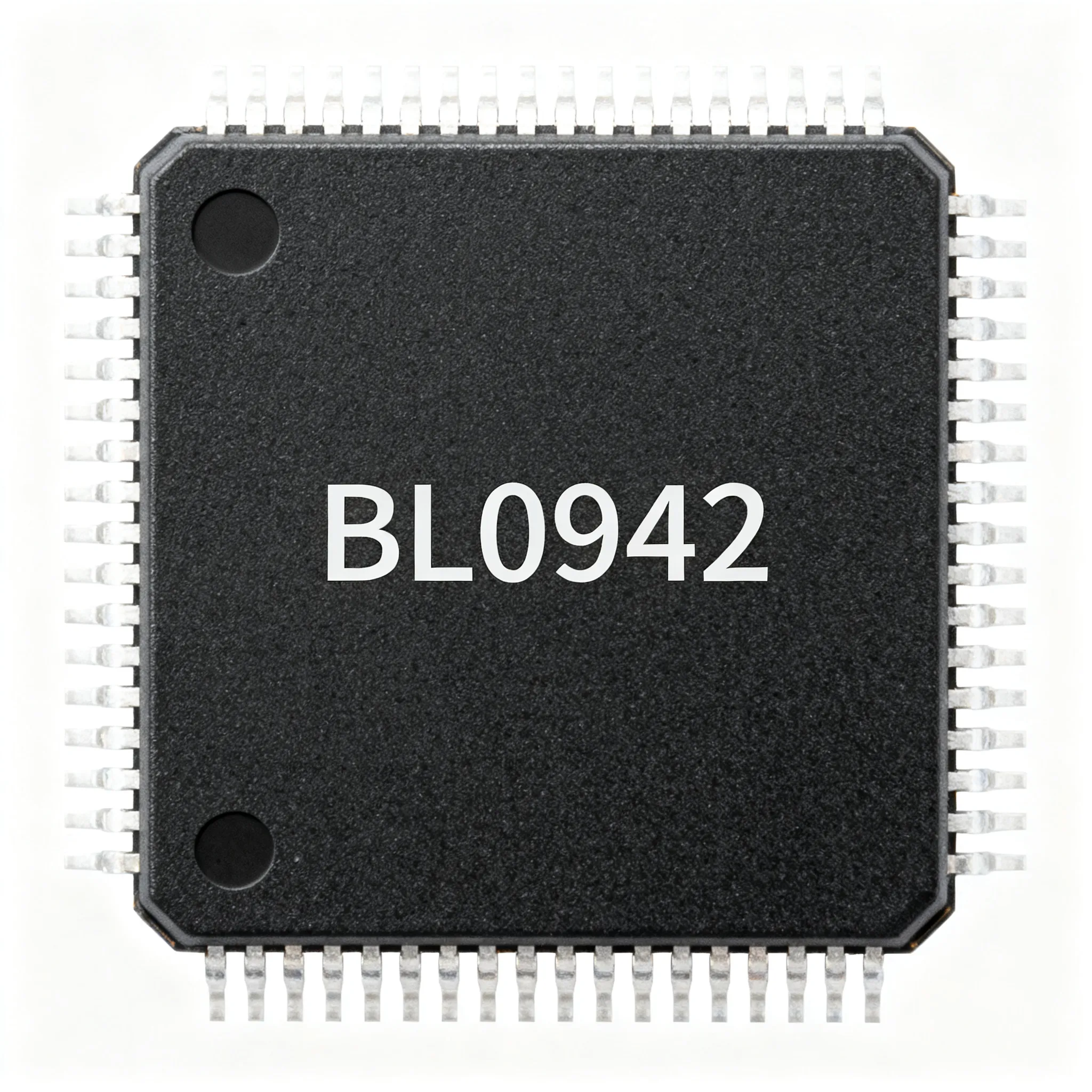
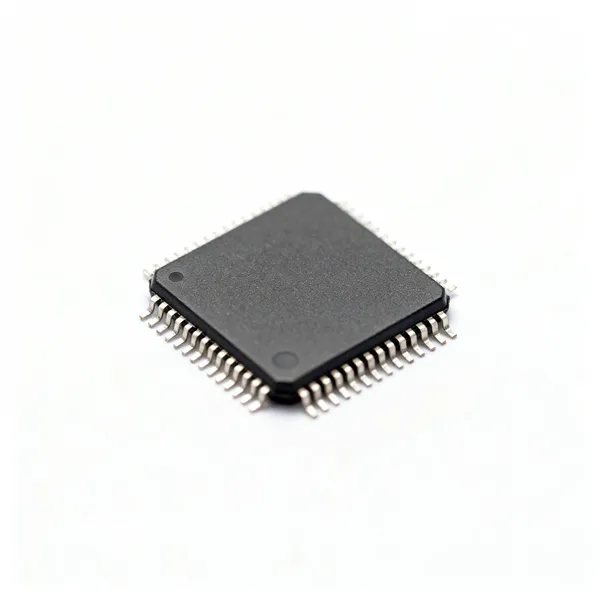
Microcontrollers are compact integrated circuits designed to govern a specific operation in an embedded system. They typically include a processor, memory, and input/output (I/O) peripherals on a single chip. The architecture of a microcontroller can vary significantly, with common types being 8-bit, 16-bit, and 32-bit architectures. The choice of architecture often depends on the complexity and performance requirements of the application.
Key specifications to consider include clock speed, power consumption, memory size, and the number of I/O pins. For instance, a microcontroller with higher clock speed and larger memory is suitable for more complex tasks but may consume more power, which is a critical consideration for battery-operated devices.
Key Specifications Table
| Specification | Description | Example Value |
|---|---|---|
| Architecture | Microcontroller's data width | 32-bit |
| Clock Speed | Frequency at which the microcontroller operates | 72 MHz |
| Flash Memory | Non-volatile storage for program code | 256 KB |
| RAM | Volatile memory for data manipulation | 64 KB |
| Power Consumption | Energy used during operation | 50 mW |
| I/O Pins | Interfaces for external devices | 48 pins |
Applications & Use Cases
Microcontrollers are ubiquitous in modern technology, with diverse applications across various industries:
- Consumer Electronics: Used in devices like smartwatches and home automation systems, microcontrollers manage tasks such as sensor readings and wireless communication.
- Automotive: In vehicles, microcontrollers control engine systems, infotainment units, and safety features like airbags.
- Industrial Automation: They are integral to robotics, managing tasks from motor control to real-time data processing.
- Medical Devices: Microcontrollers enable portable medical devices, such as blood glucose monitors, by handling data collection and processing.
Selection & Sourcing Guide
When selecting a microcontroller, engineers should first define the application's requirements in terms of processing power, memory, and I/O needs. Consideration of the operating environment, such as temperature ranges and power availability, is also crucial.
Once specifications are narrowed down, sourcing the right components becomes essential. For competitive pricing and reliable delivery, professionals can turn to IC Online, an authorized distributor with a wide array of electronic components available for quick sourcing.
FAQ
- What is the difference between a microcontroller and a microprocessor?
- While both are integral to computing, a microcontroller includes I/O peripherals and memory on the same chip, making it ideal for embedded applications, whereas a microprocessor is typically used in PCs and requires external components to function.
- How do I determine the appropriate clock speed for my application?
- Consider the processing requirements of your application. High-speed applications like real-time data processing may require higher clock speeds, while simpler tasks can function effectively at lower speeds to conserve power.
- Why is power consumption an important factor?
- Power consumption impacts the battery life and thermal management of the device. For portable and battery-operated devices, selecting a low-power microcontroller is crucial.
- Can I reprogram a microcontroller?
- Yes, most modern microcontrollers feature flash memory, allowing them to be reprogrammed multiple times. This flexibility is beneficial during development and when updating firmware.
- What should I consider when choosing I/O peripherals?
- Identify the types of sensors and actuators your application will use. Ensure the microcontroller has the necessary I/O interfaces, such as ADCs for analog sensors or communication interfaces like UART or SPI.