Step-by-Step Guide to Integrating the STM8S003F3P6TR Microcontroller in Your Next Project
Integrating the [sku:STM8S003F3P6TR] Microcontroller in Your Next Project table { border-collapse: collapse; width: 100%; } th, td { bo
Introduction
In the rapidly evolving world of electronics, integrating microcontrollers like the STM8S003F3P6TR into your projects can significantly enhance their functionality and efficiency. The STM8S003F3P6TR is a cost-effective, high-performance microcontroller from STMicroelectronics, widely used in various applications ranging from consumer electronics to industrial automation. Understanding its specifications, capabilities, and design considerations is crucial for engineers looking to leverage its potential. With the global semiconductor market expected to reach $595.2 billion by 2026, staying updated with the latest components like the STM8S003F3P6TR is vital for competitive advantage.
Technical Overview
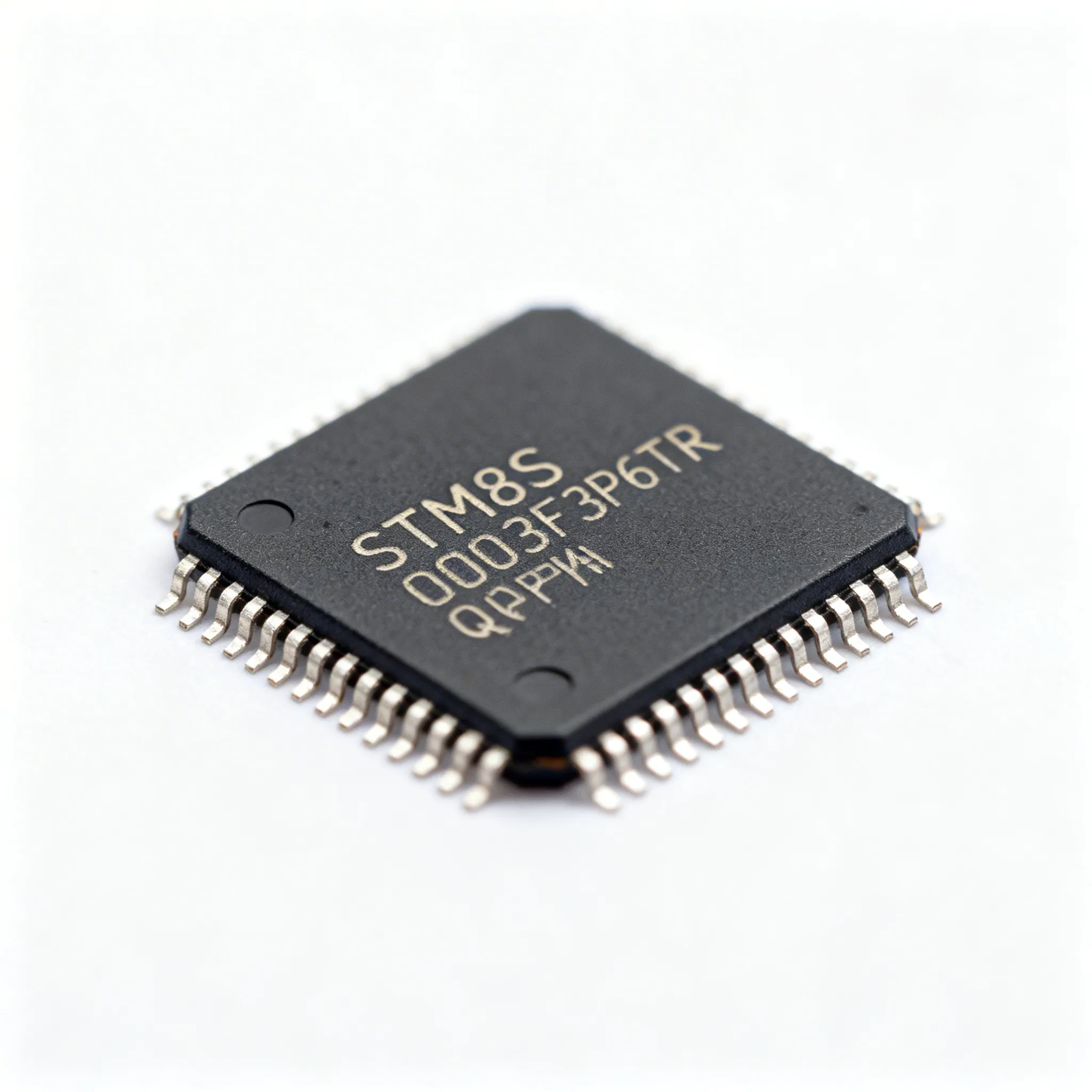
The STM8S003F3P6TR microcontroller is part of the STM8 family, which is known for its robust architecture and efficiency. It features an 8-bit core, 8K bytes of Flash memory, 1K bytes of RAM, and 128 bytes of EEPROM. The microcontroller operates at a frequency of up to 16 MHz, providing a good balance between performance and power consumption. It includes a range of peripherals such as timers, ADCs, and communication interfaces like UART, SPI, and I2C, making it a versatile choice for various applications. The STM8S003F3P6TR is also equipped with a comprehensive set of development tools, facilitating easy integration into existing systems.
Detailed Specifications
| Parameter | Specification | Units | Notes |
|---|---|---|---|
| Operating Voltage | 2.95 - 5.5 | V | Supports wide voltage range |
| Flash Memory | 8 | KB | Program memory |
| RAM | 1 | KB | Data memory |
| EEPROM | 128 | Bytes | Data retention |
| CPU Frequency | 16 | MHz | Maximum operating frequency |
| ADC Resolution | 10 | Bits | Analog to Digital Converter |
| Timers | 3 | 16-bit and 8-bit timers | |
| UART | 1 | Universal Asynchronous Receiver/Transmitter | |
| SPI | 1 | Serial Peripheral Interface | |
| I2C | 1 | Inter-Integrated Circuit |
| Parameter | Specification | Units | Notes |
|---|---|---|---|
| Operating Temperature | -40 to 85 | °C | Industrial temperature range |
| Storage Temperature | -65 to 150 | °C | Safe storage conditions |
| Package Type | TSSOP-20 | Thin Shrink Small Outline Package | |
| Package Dimensions | 6.5 x 4.4 | mm | Length x Width |
| Lead Pitch | 0.65 | mm | Distance between leads |
| Thermal Resistance (Junction to Ambient) | 100 | °C/W | Ensures heat dissipation |
| Weight | 0.05 | g | Package weight |
| Application | STM8S003F3P6TR | Alternative Microcontrollers | Notes |
|---|---|---|---|
| Consumer Electronics | Excellent | ATmega328P | Cost-effective and efficient |
| Industrial Automation | Good | STM32F030C6 | Suitable for harsh environments |
| Home Automation | Excellent | ESP8266 | Low power consumption |
| Automotive | Good | MSP430G2553 | Robust and reliable |
| IoT Applications | Excellent | ESP32 | Supports wireless communication |
The tables above provide a comprehensive look at the STM8S003F3P6TR's specifications. The electrical specifications highlight its versatile operating voltage and memory capacity. The thermal and mechanical specifications ensure reliability under various environmental conditions. Lastly, the application comparison table helps in understanding where the STM8S003F3P6TR stands in terms of functionality and suitability for different use cases.
Design Considerations
When integrating the STM8S003F3P6TR into your design, several factors must be considered to ensure optimal performance. First, the power supply voltage should be stable and within the specified range of 2.95 to 5.5 V to prevent malfunction. Additionally, careful attention should be paid to the clock configuration to maximize efficiency and performance. The microcontroller's peripherals such as ADCs, timers, and communication interfaces should be configured according to the application's requirements. PCB layout is another critical consideration. Proper decoupling capacitors should be placed close to the power pins to reduce noise. The ground plane should be continuous to minimize electromagnetic interference (EMI). Also, ensure that the signal traces are kept short and away from noisy components to maintain signal integrity. The thermal design is equally important, especially if the microcontroller operates in a high-temperature environment. Adequate heat dissipation mechanisms such as heat sinks or thermal vias should be incorporated into the design to prevent overheating. Finally, consider the software development aspect. The STM8S003F3P6TR is supported by a range of development tools and libraries, including ST's Integrated Development Environment (IDE) and the STM8S firmware library. Utilizing these resources can greatly simplify the development process and reduce time to market.
Step-by-Step Guide
- Define Your Application Requirements: Clearly outline what you intend to achieve with the STM8S003F3P6TR. Determine the necessary peripherals and interfaces required for your application.
- Acquire the Development Tools: Obtain the necessary development tools such as ST's IDE and the STM8S firmware libraries. These tools will aid in programming and debugging your application.
- Design the Schematic: Create a detailed schematic incorporating the STM8S003F3P6TR. Ensure all connections are correct and include necessary components like decoupling capacitors and pull-up resistors for I2C lines.
- Develop the PCB Layout: Design the PCB layout, ensuring optimal placement of components and routing of traces. Pay attention to power supply decoupling and signal integrity.
- Write and Debug the Firmware: Develop the firmware using the acquired tools. Test and debug the code to ensure all functionalities are working as intended.
- Assemble and Test the Prototype: Assemble the PCB and perform thorough testing. Check for any potential issues such as signal integrity problems or overheating.
- Iterate and Optimize: Based on test results, make necessary adjustments to the design or firmware to enhance performance and reliability.
- Finalize and Document: Once satisfied with the prototype, document all aspects of the design for future reference or production scaling.
Common Issues & Solutions
- Power Supply Instability: Ensure that the power supply is stable and within the specified range. Use decoupling capacitors to filter out noise.
- Overheating: Implement proper thermal management techniques such as heat sinks or thermal vias to dissipate heat effectively.
- Signal Integrity Problems: Keep signal traces short and away from noisy components. Use proper grounding techniques to minimize EMI.
- Communication Interface Failures: Double-check the configuration of communication interfaces like UART, SPI, and I2C. Ensure correct pull-up resistors for I2C lines.
- Programming Errors: Utilize debugging tools to identify and resolve programming errors. Ensure the firmware is correctly written and uploaded.
- Component Placement Issues: Ensure that all components are placed correctly according to the schematic. Verify connections and orientations before soldering.
Applications & Use Cases
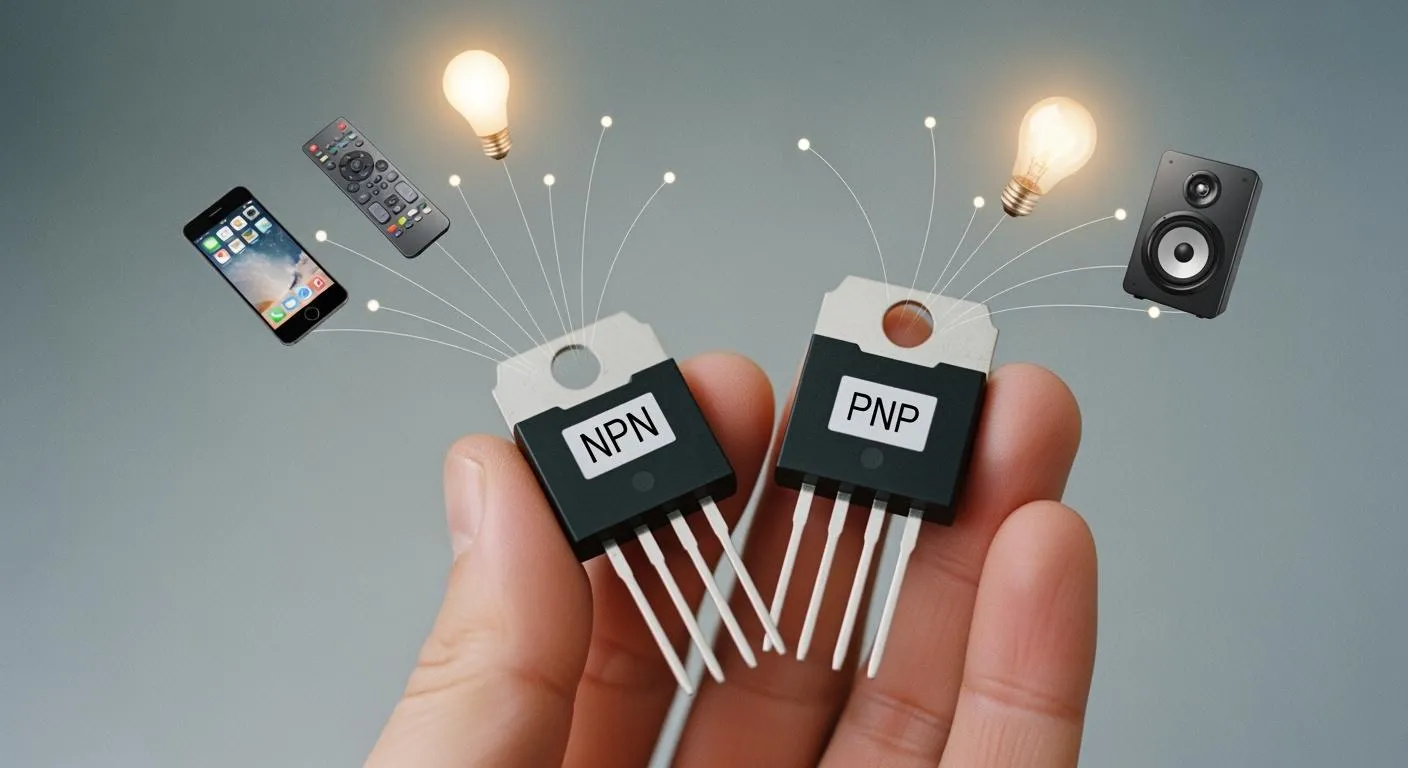
The STM8S003F3P6TR microcontroller is widely used across various industries due to its versatility and cost-effectiveness. In consumer electronics, it powers devices like remote controls and small appliances. Its robust architecture makes it suitable for industrial automation applications, where it is used in control systems and data acquisition. In home automation, the STM8S003F3P6TR is employed in smart lighting systems and security devices. Additionally, it finds applications in automotive systems, particularly in non-critical subsystems like infotainment and climate control.
Selection & Sourcing Guide
When selecting the STM8S003F3P6TR for your project, consider factors such as availability, cost, and compatibility with your design requirements. For sourcing, visit IC Online, an authorized distributor offering competitive pricing and fast delivery. Ensure to check for the latest datasheets and application notes to stay updated with any revisions or improvements in the component.
FAQ
- What is the operating voltage range of the STM8S003F3P6TR? The operating voltage range is 2.95 to 5.5 V.
- Can the STM8S003F3P6TR be used in high-temperature environments? Yes, it operates in temperatures ranging from -40 to 85 °C, suitable for industrial applications.
- What development tools are available for the STM8S003F3P6TR? ST provides an Integrated Development Environment (IDE) and firmware libraries for development.
- How can I ensure signal integrity in my design? Keep signal traces short, use proper grounding techniques, and place decoupling capacitors close to power pins.
- Is the STM8S003F3P6TR suitable for IoT applications? Yes, it is well-suited for IoT applications due to its low power consumption and versatile peripherals.
- What are some common applications of the STM8S003F3P6TR? It is used in consumer electronics, industrial automation, home automation, and automotive systems.
- How can I source the STM8S003F3P6TR? You can source it from authorized distributors like IC Online for competitive pricing and fast delivery.
- What are the key design considerations for using the STM8S003F3P6TR? Consider power supply stability, PCB layout, thermal management, and software development tools.
- Where can I find the datasheet for the STM8S003F3P6TR? The datasheet can be found on the STMicroelectronics website or through component distributors like DigiKey.
- What is the package type of the STM8S003F3P6TR? It is available in a TSSOP-20 package.
Conclusion
Integrating the STM8S003F3P6TR into your next project can provide significant advantages in terms of performance, cost-effectiveness, and versatility. Understanding its specifications and design considerations is crucial for successful implementation. With the right tools and resources, the STM8S003F3P6TR can be a valuable asset in a wide range of applications, from consumer electronics to industrial automation.