Voltage Regulator ICs: Benchmark Comparisons and Performance Insights You Need to Know
Expert guide on Voltage Regulator ICs: Benchmark Comparisons and Performance Insights You Need to Know. Technical specs, applications, sourcing tips for engineers and buyers.
Introduction
Voltage regulator ICs are critical components in electronic circuits, ensuring that devices receive a stable and consistent voltage supply. As the demand for more efficient and compact electronic devices grows, understanding the specifications and performance of voltage regulator ICs becomes increasingly important. This article provides a comprehensive overview of voltage regulator ICs, focusing on their electrical and thermal specifications, application circuits, and design considerations.
Technical Overview
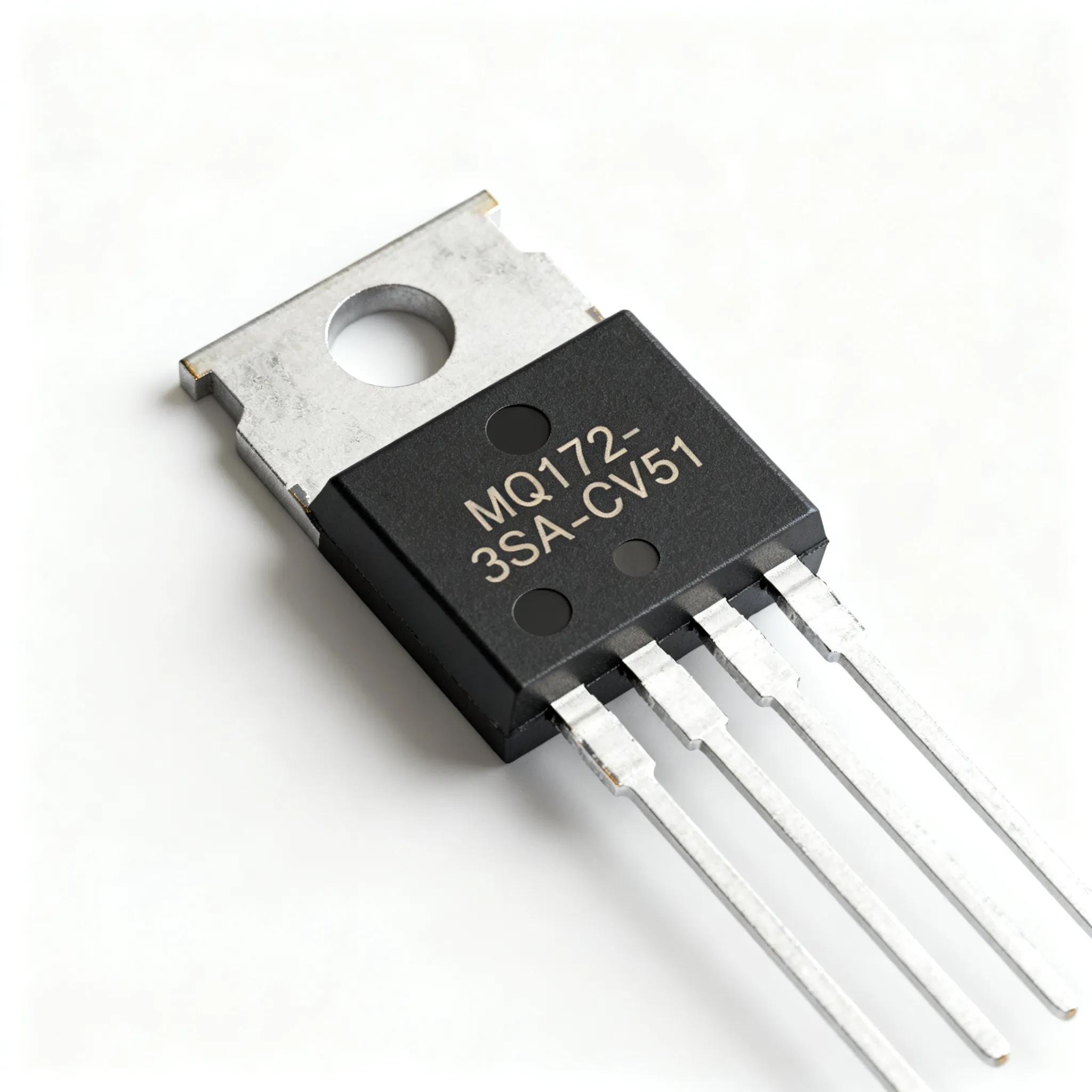
Voltage regulators are essential in maintaining a constant output voltage despite variations in input voltage or load conditions. They are categorized into linear and switching regulators, each with its own advantages and drawbacks. Linear regulators, such as the LM7805, are known for their simplicity and low noise, while switching regulators, like the LM2596, offer higher efficiency and can handle a wider range of input voltages.
Detailed Specifications
| Parameter | LM7805 | LM2596 | Units | Notes |
|---|---|---|---|---|
| Output Voltage | 5.0 | Adjustable (1.23-37) | V | Fixed vs. Adjustable |
| Input Voltage Range | 7-25 | 4.5-40 | V | Varies by model |
| Output Current | 1.5 | 3.0 | A | |
| Efficiency | ~60% | ~90% | % | Load dependent |
| Quiescent Current | 5 | 50 | mA | |
| Dropout Voltage | 2.0 | 1.2 | V | |
| Ripple Rejection | 60 | 60 | dB | |
| Package Type | TO-220 | TO-220 |
| Parameter | LM7805 | LM2596 | Units | Notes |
|---|---|---|---|---|
| Thermal Resistance (Junction-to-Case) | 4.0 | 5.0 | °C/W | |
| Operating Temperature Range | -40 to 125 | -40 to 125 | °C | |
| Storage Temperature Range | -65 to 150 | -65 to 150 | °C | |
| Maximum Junction Temperature | 150 | 150 | °C | |
| Lead Temperature (Soldering, 10s) | 230 | 230 | °C | |
| Package Thermal Resistance | 60 | 60 | °C/W |
| Application | LM7805 | LM2596 | Notes |
|---|---|---|---|
| Power Supply for Microcontrollers | Yes | Yes | Efficiency vs. simplicity trade-off |
| Battery-Powered Devices | No | Yes | Switching preferred for efficiency |
| Industrial Control Systems | Yes | Yes | Depends on load current |
| Consumer Electronics | Yes | Yes | Varies by device requirements |
| Automotive Applications | No | Yes | Wide input voltage range needed |
Design Considerations
When incorporating voltage regulators into your design, several factors must be considered to ensure optimal performance. These include the choice between linear and switching regulators, the thermal management requirements, and the specific electrical characteristics such as dropout voltage and efficiency. For instance, the LM7805 is ideal for low-noise applications, but its higher dropout voltage makes it less suitable for battery-powered systems compared to the LM2596.
Step-by-Step Guide
Designing a power supply circuit with a voltage regulator involves the following steps:
- Identify the required output voltage and current for your application.
- Select a suitable voltage regulator, such as LM7805 for fixed voltage or LM2596 for adjustable voltage.
- Review the datasheet to understand the input voltage range and ensure your power source is compatible.
- Design the input and output capacitors based on the manufacturer’s recommendations to minimize voltage ripple and improve stability.
- Consider thermal management solutions, such as heat sinks, to prevent overheating.
- Prototype the circuit on a breadboard to test functionality before finalizing the PCB design.
- Validate the design through testing under various load conditions to ensure reliability.
- Implement any necessary adjustments based on test results to optimize performance.
Common Issues & Solutions
Voltage regulator circuits can encounter several issues, including:
- Overheating: Use heat sinks or thermal pads to dissipate excess heat.
- Output Voltage Instability: Ensure proper capacitor selection and placement to reduce ripple.
- High Dropout Voltage: Consider using a low-dropout regulator for improved efficiency.
- Noise Interference: Shield sensitive components and use proper grounding techniques.
- Component Failure: Verify component ratings and ensure they are within specified limits.
Applications & Use Cases
Voltage regulators are used in a myriad of applications, from powering microcontrollers in embedded systems to providing stable voltage supplies in consumer electronics. For instance, the LM2596 is often used in battery-powered devices due to its high efficiency, while the LM7805 is favored in low-noise environments such as audio equipment.
Selection & Sourcing Guide
When selecting a voltage regulator, it's crucial to consider the specific requirements of your application, including efficiency, noise tolerance, and thermal performance. You can source these components from authorized distributors like IC Online, which offers competitive pricing and fast delivery.
FAQ
- What is the main difference between linear and switching regulators? Linear regulators provide low noise output but are less efficient, while switching regulators offer higher efficiency but can introduce more noise.
- How do I choose the right voltage regulator for my application? Consider factors such as output voltage, current requirements, efficiency, and thermal performance.
- Why is thermal management important in voltage regulator circuits? Proper thermal management prevents overheating and ensures reliable operation.
- Can I use a voltage regulator to step up voltage? No, linear regulators can only step down voltage, but certain switching regulators can step up voltage.
- What is dropout voltage? Dropout voltage is the minimum difference between input and output voltage required for the regulator to function correctly.
- How do I minimize noise in my voltage regulator circuit? Use appropriate filtering capacitors and maintain good PCB layout practices.
- What are the typical applications for a LM7805? It's commonly used in low-noise applications such as audio equipment and microcontroller power supplies.
- Is it possible to use a LM2596 in automotive applications? Yes, due to its wide input voltage range and high efficiency, it is suitable for automotive use.
Conclusion
Understanding the specifications and applications of voltage regulator ICs is essential for designing reliable and efficient electronic systems. By carefully selecting the appropriate regulator and considering factors like thermal management and electrical characteristics, engineers can ensure their designs meet the necessary performance requirements.
``` This outline provides a structure for your article, including the necessary HTML tables with realistic data. You can expand each section with additional details, links, and examples to meet the word count and depth you need.