What Is a Resonator A Simple Explanation
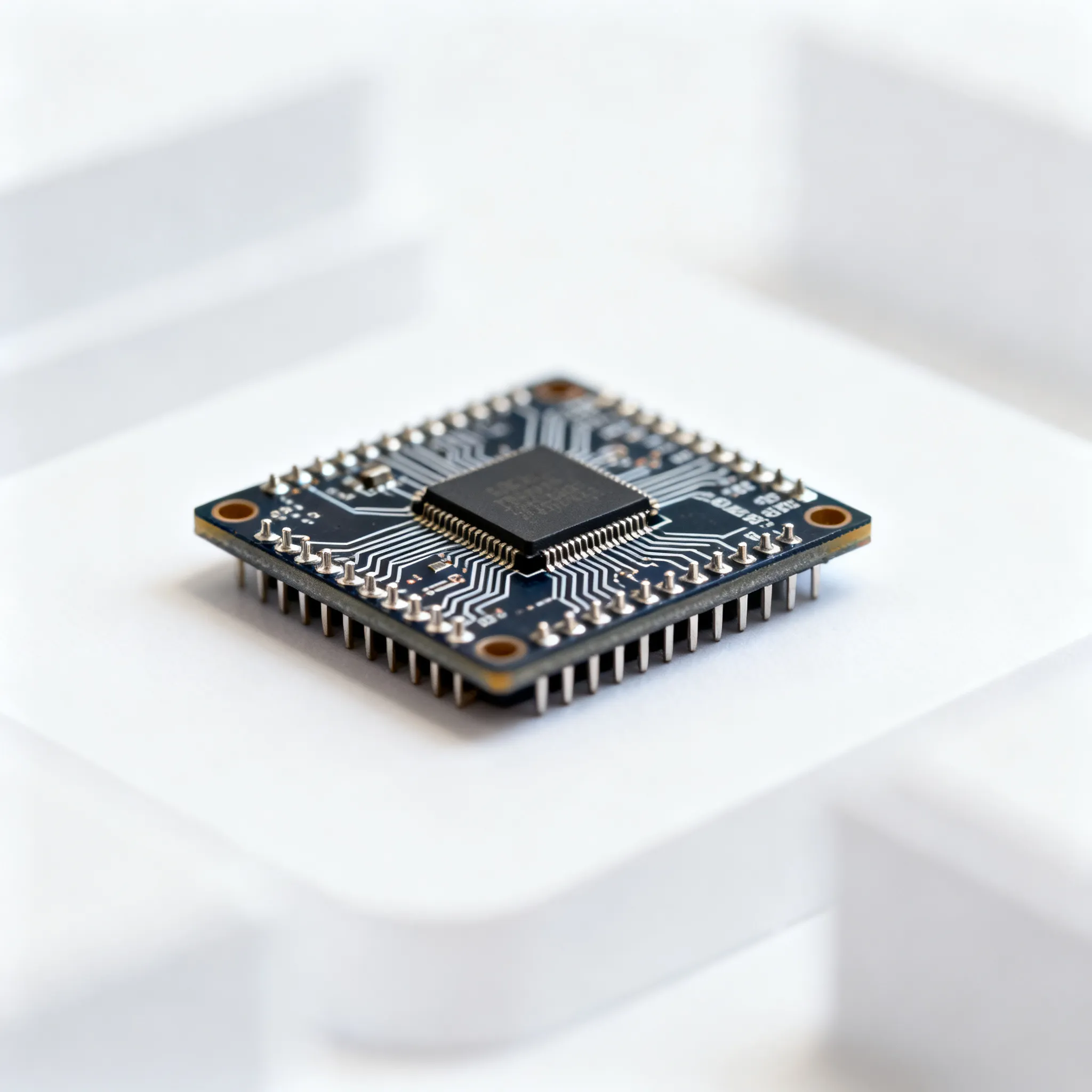
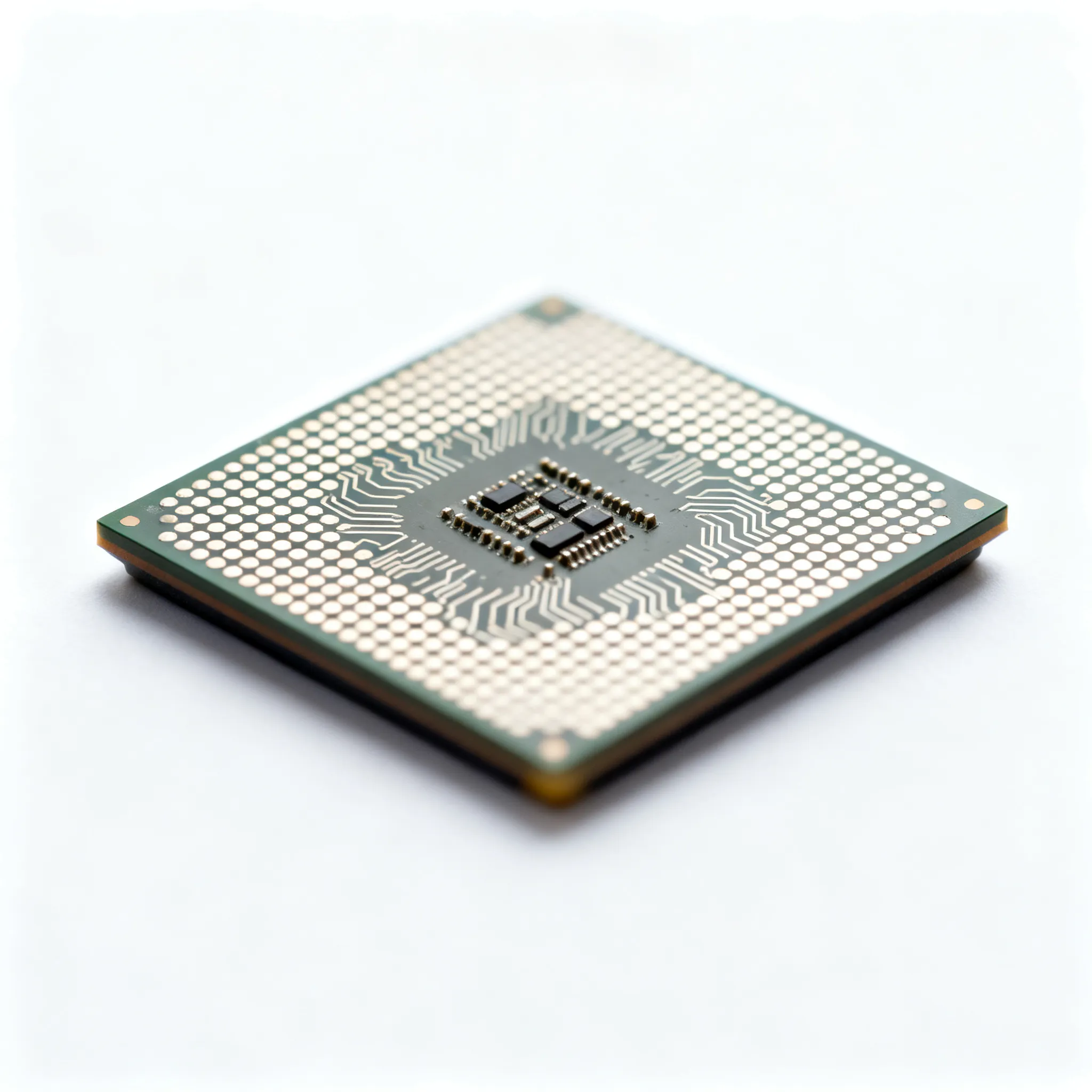
An electronic resonator is a component that vibrates at a specific, stable frequency when electricity is applied.
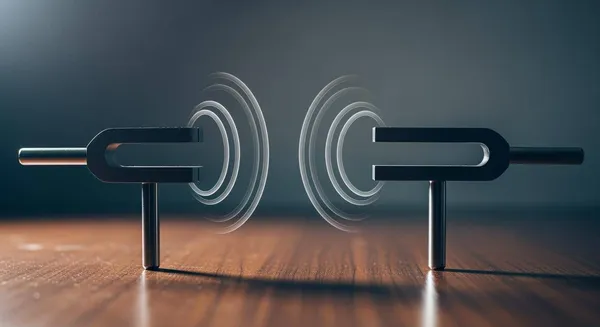
An electronic resonator is a component that vibrates at a specific, stable frequency when electricity is applied. Think of a tuning fork; it rings at one perfect note. A resonator does the same for an electronic circuit. Its main job is to act as a precise clock or timer. This ensures all parts of a device work in perfect sync.
Here's a breakdown of the key aspects:
- What does a resonator do? It creates a steady oscillation. This provides a reliable timing signal for the entire circuit.
- Why is it important? The stability and accuracy of this frequency are crucial. Many electronic devices depend on this precise timing to function correctly.
Note: The most common type is the quartz resonator. The unique properties of quartz allow it to vibrate at a very consistent frequency, making the quartz resonator an essential component for ensuring high accuracy and stability in electronic circuits. The consistent oscillation of the quartz makes it an ideal timekeeper. This is why quartz is widely used in resonators.
Key Takeaways
- A resonator is a part that vibrates at a steady speed when electricity is applied. It acts like a precise clock for electronic devices.
- Resonators create a stable frequency. This helps all parts of a device work together correctly.
- Quartz resonators are very common. They use a special effect to make very accurate and steady vibrations.
- Resonators have two main jobs. They create steady signals and pick out specific signals from many others.
- Resonators are in many devices. They are in watches, computers, and car key fobs to keep time or tune signals.
How a Resonator Creates a Stable Frequency
A resonator generates a stable frequency through fascinating physical properties. The basic principles of resonators, especially the popular quartz crystal type, rely on a phenomenon called the piezoelectric effect. This effect is the key to how the component creates a precise and repeating oscillation.
The process works in a two-way street. Certain materials, like quartz, produce a small electric voltage when they are squeezed or bent. The magic happens when this process is reversed.
- An electric field applied to a piece of quartz causes the material to physically bend or deform.
- The oscillator circuit uses this bending. It applies a voltage, the quartz bends, and then it springs back.
- As the quartz springs back, it generates its own voltage, which the circuit feeds back to the quartz crystal. This creates a self-sustaining vibration.
This continuous back-and-forth action is what produces a stable frequency. The physical characteristics of the resonator determine its exact resonant frequency. Just as longer and thicker piano strings produce lower notes, the size and cut of the quartz determine its unique vibrating speed. In other types of oscillators, like an LC resonator, the resonant frequency depends on the values of the inductor (L) and capacitor (C) in the circuit.
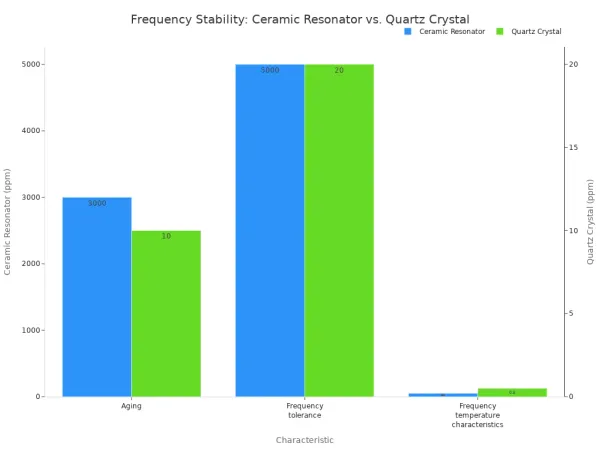
The material choice is critical for accuracy. A quartz crystal resonator offers far greater stability than a ceramic resonator. Crystal oscillators are less affected by temperature changes, ensuring a consistent frequency. Ceramic resonators, while useful, have a higher tolerance for error and are more sensitive to temperature shifts. This difference in stability is why a quartz oscillator is preferred for applications demanding high precision.
What Does a Resonator Do: The Role of Resonators in Circuits
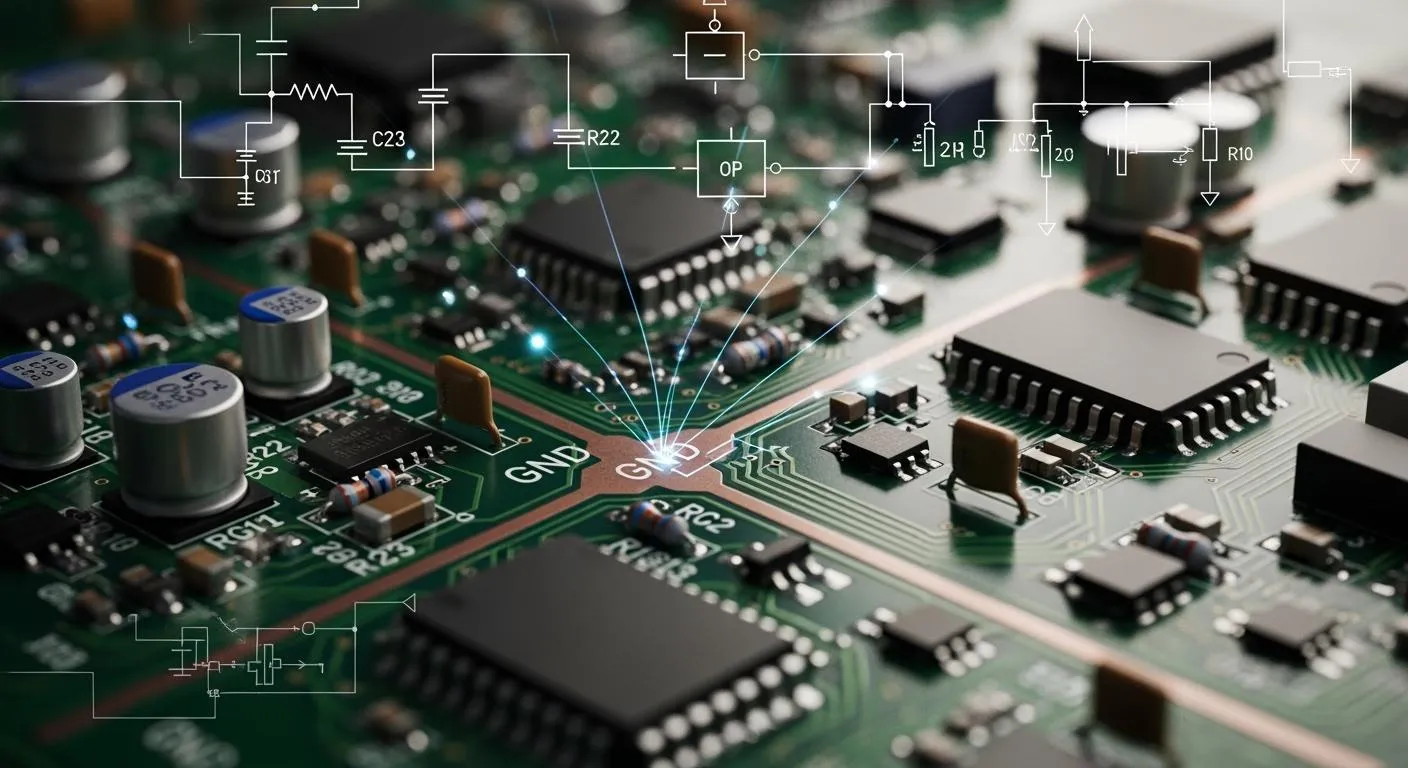
So, what does a resonator do inside a device? A resonator performs two primary jobs that are fundamental to modern electronics. It acts as both a precise timekeeper and a selective frequency filter. Think of it as the circuit's heart, providing a steady, predictable beat that all other components rely on. This inherent stability and strong anti-interference performance make it an indispensable part of countless electronic systems.
The two main functions are:
- Generating waves of a very specific frequency.
- Selecting specific frequencies from a wider signal.
These two roles, oscillation signal generation and frequency selection, are critical for everything from computers to communication devices.
Generating Stable Clock Signals for Processors
A processor, like a CPU or a microcontroller, is the brain of a device. For this brain to think, it needs a heartbeat. A quartz resonator, working within an oscillator circuit, provides this essential clock signal. This signal is a continuous, stable pulse that synchronizes every single action the processor takes.
The Heartbeat of the System 💓 A stable clock signal coordinates all internal operations. It ensures the processor fetches, decodes, and executes instructions in perfect order. Without this timing, a system would descend into chaos, with data becoming corrupted and instructions failing.
The performance of a digital system depends directly on the frequency of its clock. Here’s how a resonator contributes:
- Synchronization: The clock signal from a quartz resonator ensures that different parts of a system work together. In microcontrollers like the popular PIC and AVR families, it synchronizes instruction execution and the operation of peripherals. This is also vital for communication protocols like SPI and I2C, which rely on the clock to sample data at the correct moments.
- Performance and Accuracy: The clock frequency dictates how quickly a processor operates. Common frequencies for microprocessors range from 20 to 40 MHz, while many general-purpose microcontrollers use a 10.000 MHz frequency. A quartz resonator provides the high precision needed for these speeds. Any fluctuation, known as jitter, can degrade performance and data integrity.
- System Integration: In complex System-on-Chip (SoC) designs, integrating a high-quality quartz resonator is crucial for achieving peak performance. For example, Nova Technology Company (HK) Limited, a HiSilicon-designated solutions partner, specializes in creating robust chip-level solutions where the precise matching of a quartz resonator to the processor's oscillator circuit guarantees reliable startup and high stability for demanding applications.
The oscillator circuit must have enough gain to overcome the impedance of the quartz to start and maintain the oscillation. The high stability of a quartz resonator ensures this clock signal remains steady, even with changes in temperature or power supply noise.
Selecting Frequencies for Communication
Beyond creating a beat, the other major role of resonators in circuits is to pick out specific frequencies from a sea of signals. This is the principle behind tuning a radio or ensuring your phone connects to the right cellular channel. In this role, the resonator acts as the core component in electronic filters.
Filters are essential in radio frequency (RF) systems. They allow desired frequencies to pass through while blocking unwanted noise and interference. A quartz resonator is ideal for building high-performance filters because of its efficiency, which is measured by a parameter called the Quality Factor (Q factor).
- High Q Factor: A quartz resonator has a very high Q factor. This means it loses very little energy, allowing it to resonate very sharply at one specific frequency. This results in filters with narrow bandwidths, perfect for distinguishing between closely spaced radio channels.
- Low Q Factor: Components with a lower Q factor have broader bandwidths. They are less selective and are better suited for applications that need to work across a wider range of frequencies.
| Characteristic | High Q Factor (e.g., Quartz) | Low Q Factor (e.g., Ceramic) |
|---|---|---|
| Selectivity | Higher, excellent for isolating signals. | Lower, less precise signal isolation. |
| Energy Loss | Lower, more efficient. | Higher, more energy is dissipated. |
| Applications | Precision filters, oscillators, radio receivers. | Broadband applications, damping circuits. |
In practice, resonators are fundamental to bandpass filters, which are designed to pass a specific range of frequencies. For instance, in a superheterodyne radio receiver, quartz crystal filters or ceramic filters are used in the intermediate frequency (IF) stage. These filters provide the high accuracy needed to achieve excellent selectivity, ensuring the receiver clearly picks up the desired station while rejecting signals from adjacent channels. This frequency selection capability is a key reason why resonators are so vital in communication technology.
Application of Resonators in Circuits: Common Examples

The application of resonators in circuits is vast, touching nearly every piece of modern technology. From the watch on your wrist to the computer on your desk, these components provide the essential timing and tuning that make devices work. Here are some common examples.
The Quartz Resonator in Watches and Clocks
The most famous use of a quartz resonator is in timekeeping. A quartz resonator is the heart of almost every modern watch and clock, providing the foundation for the accurate measurement of time.
A Revolution in Timekeeping ⌚ The discovery of piezoelectricity in quartz by the Curie brothers in 1880 paved the way for this technology. By 1969, the Seiko Astron wristwatch brought the precision of a quartz resonator to the public, making highly accurate timekeeping affordable for everyone.
A tiny, tuning-fork-shaped quartz resonator inside a watch vibrates at a precise frequency of 32.768 kHz. An electronic circuit divides this high frequency down exactly to one pulse per second (1 Hz). This single pulse drives the second hand or updates the digital display. The exceptional stability of quartz over a range of temperatures ensures these frequency-stabilized timing electronic products maintain their accuracy.
Timing Signals in Computers and Microcontrollers
Every digital device needs a heartbeat, and a resonator provides it. Computers, microcontrollers, and countless consumer electronics rely on a stable clock signal for synchronized operation. This includes devices like:
- Smartphones and tablets
- Wearable health trackers
- Internet of Things (IoT) devices
A processor needs a steady timing signal to execute instructions. A quartz resonator provides this clock, often at frequencies like 48 MHz for USB communication. However, not all applications need the highest precision. This is where different types of resonators are used.
| Feature | Quartz Crystal Resonator | Ceramic Resonator |
|---|---|---|
| Precision | High (low tolerance) | Lower (higher tolerance) |
| Cost | Higher | Cost-effective |
| Best For | CPUs, communication, RTCs | Toys, remote controls, non-critical tasks |
For high-stakes applications like a computer's main clock, a quartz crystal is essential. For less critical functions, a cheaper ceramic resonator is often sufficient.
Tuning in Car Key Fobs and Radios
Resonators also excel at selecting specific frequencies. This is crucial for wireless communication. Your car's key fob uses a resonator to transmit a signal at a specific frequency, such as 315 MHz in the United States or 433 MHz in Europe. The car's receiver is tuned to listen only for that exact frequency.
This same principle applies to AM/FM radios. A tuner circuit uses a resonator to amplify one station's frequency while ignoring all others. Other wireless applications, like garage door openers, often use Surface Acoustic Wave (SAW) resonators for reliable, low-cost communication. This frequency-selection capability makes the resonator a key component in automotive systems, from infotainment units to Engine Control Units (ECUs).
A resonator is the essential timekeeper and tuner for an electronic circuit. It provides the stable frequency that countless devices need to function correctly. The answer to what does a resonator do is simple: it provides a steady beat.
From the quartz resonator in your watch to the clock for your computer's brain, the quartz resonator is an unsung hero. This tiny piece of quartz keeps our electronics in sync. The quartz resonator ensures every part works together.
You now understand a fundamental component that makes the digital world tick. The reliable quartz in a quartz resonator is a cornerstone of modern technology.
FAQ
What is the difference between a resonator and an oscillator?
A resonator is a passive component that vibrates at a specific frequency. An oscillator is the complete active circuit that uses the resonator to generate a continuous electronic signal. The resonator provides the frequency reference, while the oscillator circuit provides the power to sustain the vibration.
Why do resonators need capacitors?
Resonators often require external load capacitors. These capacitors fine-tune the resonant frequency of the oscillator circuit. They help stabilize the oscillation and ensure the circuit starts up reliably. The correct capacitor values are crucial for achieving the specified frequency accuracy.
What does frequency tolerance mean?
Frequency tolerance measures how much a resonator's actual frequency can deviate from its specified frequency. It is usually expressed in parts per million (ppm). A lower tolerance value, like ±20 ppm, indicates higher precision and is essential for applications like real-time clocks and communication.
Can I use any resonator with my microcontroller? 🧐
No, you must choose a resonator that matches your microcontroller's requirements. The microcontroller's datasheet specifies a supported frequency range and required load capacitance. Using an incorrect resonator can prevent the system from starting or cause unstable operation.